10 Essential Ingredients for Perfect Cheesecake Fillings
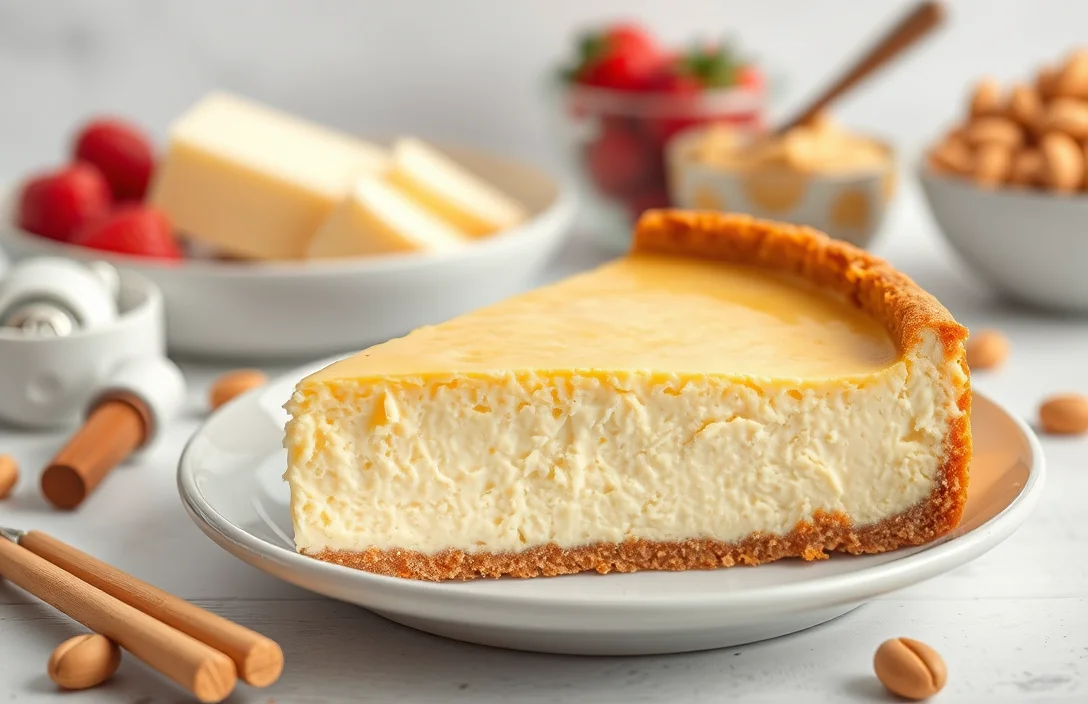
Cheesecake is that delightful dessert that makes any occasion feel extra special, from birthdays to quiet weeknights. The creamy filling, with its rich flavor and velvety texture, is pure indulgence. Imagine slicing into a perfectly baked cheesecake, the filling smooth and luscious, begging for a forkful of joy.
Total Time: 45 minutes, Difficulty: Easy, Servings: 8-10.
| Prep Time | Cook Time | Total Time | Servings | Difficulty |
|---|---|---|---|---|
| 15 minutes | 30 minutes | 45 minutes | 8-10 | Easy |
Here, you’ll find a detailed list of the essential cheesecake filling ingredients, variations for different flavors, and tips for customizing your cheesecake to perfection. Plus, I’ll share what to do if things don’t go as planned, ensuring your cheesecake is a hit every time!
Cheesecake Filling Origins
Understanding the origins of cheesecake fillings provides insight into their diverse ingredients and cultural significance. Cheesecake has evolved over centuries, with various regions adding their unique touch to the filling, impacting flavor and texture.
Origin of Cheesecake
- Ancient Greece: The earliest known cheesecake dates back to ancient Greece around 2000 B.C. It consisted of simple ingredients like cheese, flour, and honey, often served to athletes during the Olympic games.
- Roman Influence: Romans adopted the Greek version but added eggs and cream, creating a richer filling. They also spread cheesecake recipes throughout Europe.
Cultural Variations
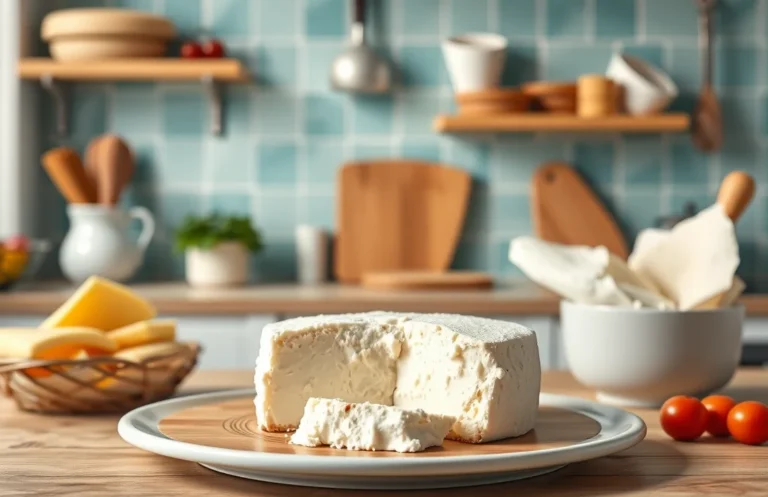
- Italian Ricotta Cheesecake: In Italy, ricotta cheese replaces cream cheese, resulting in a lighter, fluffier texture. This variation often incorporates citrus zest for added flavor.
- New York Style: The iconic New York cheesecake features a dense filling made from cream cheese, eggs, and sugar, baked to perfection. This style has become a standard in many bakeries across the U.S.
- Japanese Cheesecake: This version is fluffy and souffle-like, created by folding whipped egg whites into the cream cheese mixture. It’s light and often served as a dessert with a subtle sweetness.
These historical and cultural influences not only shaped the ingredients used in cheesecake fillings but also highlight the versatility and appeal of this beloved dessert around the world.
Essential Ingredients List
This section outlines the key ingredients necessary for creating a luscious cheesecake filling. Understanding these components is essential for achieving the perfect texture and flavor in your cheesecake. Each ingredient plays a crucial role, so let’s get into the specifics!
| Item | Amount/Specification | Notes |
|---|---|---|
| Cream Cheese | 24 ounces (680g) | Softened to room temperature for easy mixing |
| Sugar | 1 cup (200g) | Granulated sugar is preferred for sweetness |
| Eggs | 3 large | Ensure they are at room temperature for better incorporation |
| Sour Cream | 1 cup (240g) | Provides creaminess and tang; can substitute with Greek yogurt |
| Vanilla Extract | 1 teaspoon (5ml) | Use pure vanilla for the best flavor |
- Tip: If you’re sensitive to lactose, consider using lactose-free cream cheese and sour cream.
- Variation: For a flavored cheesecake, add citrus zest or melted chocolate to the filling.
- To prevent cracks in your cheesecake, avoid overmixing the eggs; mix just until combined.
- Ensure all ingredients are at room temperature to achieve a smooth and creamy filling.
Required Kitchen Equipment
To create a luscious cheesecake filling, having the right equipment is essential. Each piece of kitchen gear plays a vital role in ensuring your filling comes out perfectly creamy and flavorful. Below is a list of the necessary equipment for your cheesecake adventure.
- Mixing Bowls: You’ll need at least two mixing bowls — one for combining the cream cheese and sugar, and another for any additional flavorings or whipped cream. Opt for a large bowl (at least 4 quarts) to allow for easy mixing without spilling.
- Electric Mixer: A handheld electric mixer or a stand mixer is crucial for achieving that smooth, creamy texture in your cheesecake filling. Mix on medium speed for about 2-3 minutes until the cream cheese is completely smooth and free of lumps. If you don’t have a mixer, a whisk will work, but it requires more elbow grease!
- Spatula: A silicone or rubber spatula is perfect for scraping down the sides of your bowls to ensure all ingredients are well incorporated. This is particularly important when adding flavorings or whipped cream, as you want to fold them in gently to maintain lightness.
- Measuring Cups and Spoons: Accurate measurements are key to a successful cheesecake filling. Use both dry and liquid measuring cups and a set of measuring spoons to ensure you have the right amounts of cream cheese, sugar, eggs, and any flavorings. This precision helps avoid common mistakes that could lead to a runny or overly dense filling.
Step-by-Step Preparation
This section outlines the precise steps to create a creamy cheesecake filling that is both delectable and smooth. Each step is crucial for achieving the perfect texture and flavor, ensuring your cheesecake is a hit!
- Mixing Ingredients: In a large mixing bowl, combine 16 ounces (450g) of softened cream cheese, ½ cup (100g) granulated sugar, and 1 teaspoon vanilla extract. Use an electric mixer on medium speed for about 2-3 minutes until the mixture is smooth and creamy, with no lumps remaining. The mixture should look glossy and have a soft, spreadable consistency.
- Incorporating Eggs: Add 3 large eggs, one at a time, to the cream cheese mixture. Beat on low speed after each addition for about 30 seconds until fully incorporated. The filling should be smooth and slightly fluffy, with a pale color. Be careful not to overmix, as this could introduce too much air, leading to cracks during baking.
- Final Consistency Check: Once all ingredients are combined, scrape down the sides of the bowl with a spatula to ensure everything is well mixed. The filling should be thick yet pourable, similar to a custard. If it seems too thick, you can add a tablespoon of heavy cream to achieve your desired consistency. Always taste for sweetness and adjust if necessary.
Chef’s tip: If you want to infuse different flavors, consider adding a tablespoon of lemon juice for a citrus kick or ½ cup of melted chocolate for a rich twist.
Prep time for this filling is about 15 minutes, and it should be ready for baking immediately after mixing.
Pro Tips and Common Mistakes
Making a delicious cheesecake filling involves more than just combining ingredients; it’s about creating a smooth, rich texture and preventing unwanted cracks. Here are some expert tips and common pitfalls to keep in mind, ensuring your cheesecake filling comes out perfectly every time.
Preventing Cracks
- Use Room Temperature Ingredients: Ensure your cream cheese, eggs, and sour cream are at room temperature before mixing. This helps achieve a smoother texture and prevents lumps, which can lead to cracking during baking.
- Don’t Overmix: Mix the cheesecake filling just until combined. Overmixing incorporates too much air, which can cause the filling to puff and crack as it bakes. Aim for a creamy consistency without excessive beating.
- Water Bath Method: Consider baking your cheesecake using a water bath (bain-marie). The steam from the water helps maintain a moist environment, reducing the chances of cracking. Wrap the outside of your springform pan in aluminum foil to prevent water from seeping in.
Achieving Smooth Texture
- Soften the Cream Cheese: Always soften your cream cheese by letting it sit at room temperature for at least 30 minutes. This ensures it blends easily and results in a lump-free filling.
- Strain the Mixture: After mixing, consider straining your cheesecake filling through a fine mesh sieve. This step can catch any remaining lumps and give you an ultra-smooth texture.
- Monitor the Baking Time: Keep an eye on your cheesecake as it bakes. Ideally, it should be set around the edges but still slightly jiggly in the center when you take it out. It will continue to set as it cools.
Flavor Variations and Substitutions
Customizing your cheesecake filling can elevate your dessert from ordinary to extraordinary. Whether you’re looking to incorporate fruity flavors, rich chocolate, or make a vegan version, there are plenty of options to explore that will suit your taste and dietary needs.
Fruit Flavors
Adding fruit purees or extracts can enhance your cheesecake’s flavor profile. Here are a few ideas:
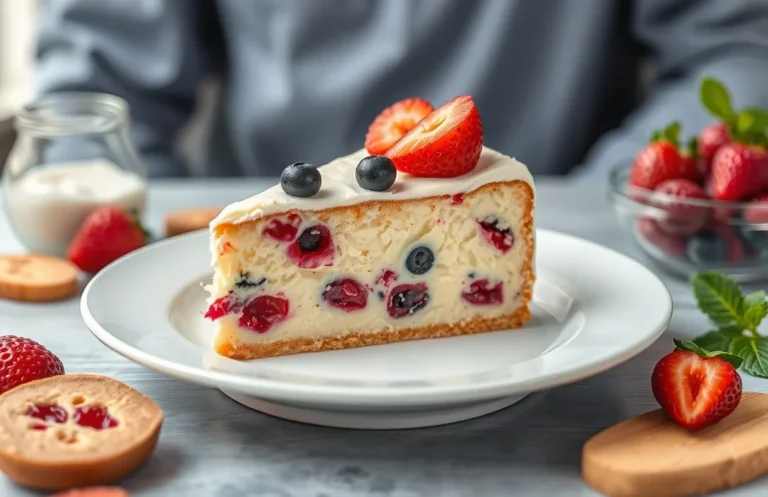
- Berry Cheesecake: Use 1 cup of fresh or frozen raspberries, strawberries, or blueberries. Blend into a puree and fold into the filling.
- Citrus Cheesecake: Add the zest of 1 lemon or orange and ¼ cup of juice for a refreshing twist.
- Tropical Cheesecake: Mix in ½ cup of crushed pineapple or mango puree for an exotic flavor.
Chocolate Variations
If you’re a chocolate lover, consider these variations:
- Classic Chocolate Cheesecake: Add 8 ounces of melted dark chocolate (around 60% cacao) to your filling for a rich flavor.
- White Chocolate Raspberry: Stir in 4 ounces of melted white chocolate and ½ cup of raspberry puree for a delightful contrast.
Vegan Alternatives
For a vegan cheesecake, you can substitute traditional ingredients with plant-based options:
- Use 1 ½ cups of soaked cashews (soaked in water for at least 4 hours) blended until smooth instead of cream cheese.
- Replace eggs with ½ cup of unsweetened applesauce or 2 tablespoons of flaxseed meal mixed with 6 tablespoons of water.
- For a creamier texture, add ½ cup of coconut cream.
Chef’s tip: Always taste your filling before baking to ensure the flavors are balanced!
| Flavor Variation | Ingredient Amount |
|---|---|
| Berry Puree | 1 cup (250g) |
| Dark Chocolate | 8 ounces (227g) |
| Coconut Cream | ½ cup (120ml) |
Serving and Plating Suggestions
Enhancing your cheesecake filling isn’t just about the ingredients; how you serve and present it can elevate the entire dessert experience. Here are some delightful ideas for garnishing, serving temperatures, and wine pairings that will impress your guests and make your cheesecake truly shine.
Garnish Ideas
- Fresh Berries: Top with 1 cup of mixed berries, such as strawberries, blueberries, and raspberries for a vibrant touch.
- Chocolate Shavings: Use a vegetable peeler to create curls from 1 ounce of dark chocolate for an elegant finish.
- Citrus Zest: A sprinkle of lemon or orange zest adds a refreshing burst of flavor.
- Whipped Cream: Pipe ½ cup of freshly whipped cream around the edges for a creamy contrast.
- Caramel Sauce: Drizzle 2 tablespoons of caramel sauce over the top before serving for a sweet addition.
Serving Temperature
For the best texture and flavor, serve your cheesecake filling chilled at about 40°F (4°C). This allows the flavors to meld beautifully, and the filling will be creamy and smooth. Allow it to sit at room temperature for about 15-20 minutes before serving to soften slightly, which enhances the taste.
Wine Pairings
| Cheesecake Flavor | Recommended Wine |
|---|---|
| Classic Vanilla | Sauvignon Blanc |
| Chocolate | Port Wine |
| Berry | Raspberry Wine |
| Lemon | Prosecco |
Chef’s tip: Always taste your cheesecake filling before serving to adjust sweetness or flavor balance!
Quick Recipe Summary
This section provides a quick overview of the essential ingredients for creating a delicious cheesecake filling. Understanding these ingredients and their measurements is crucial for achieving the perfect texture and flavor in your cheesecake.
Total Time
Preparation Time: 15 minutes
Chilling Time: 4 hours (minimum, overnight is best)
Yield
This cheesecake filling will yield enough for a standard 9-inch cheesecake, serving approximately 8-10 people.
Key Ingredients
- 16 ounces (450g) cream cheese, softened
- ½ cup (100g) granulated sugar
- ½ teaspoon vanilla extract
- 2 large eggs
- 1 cup (240ml) sour cream
- ¼ cup (60ml) heavy cream
Chef’s tip: For a lighter texture, fold in whipped cream gently after mixing the filling!
Common Variations
- Chocolate Cheesecake: Add ½ cup (45g) cocoa powder.
- Fruit-flavored Cheesecake: Incorporate ½ cup (120g) fruit puree or zest from 1 lemon.
- Caramel Cheesecake: Swirl in ½ cup (120ml) caramel sauce before baking.
Substitutions for Allergies
- Use dairy-free cream cheese for a vegan option.
- Swap granulated sugar with coconut sugar for a lower glycemic index.
Quick Summary
| Prep Time | Cook Time | Total Time | Servings |
|---|---|---|---|
| 15 minutes | 0 minutes | 15 minutes | 8 servings |
- Combine ingredients: Mix 16 oz cream cheese, 1 cup sugar, and 1 tsp vanilla until smooth.
- Add eggs: Beat in 3 large eggs one at a time for a creamy texture.
- Incorporate sour cream: Fold in 1 cup sour cream for richness.
- Chill mixture: Let the filling rest for 30 minutes before using.
- Preheat oven: Ensure oven is set to 325°F (163°C) for even baking.
- Choose room temperature ingredients: This prevents lumps in the filling.
- Don’t overmix: Overmixing can incorporate too much air, leading to cracks.
Frequently Asked Questions
Can I make this ahead of time? How to store and reheat?
You can definitely make your cheesecake filling ahead of time! Store it in an airtight container in the refrigerator for up to 3 days, and simply give it a good stir before using.
What can I substitute for cream cheese?
If you’re looking for a substitute, you can use mascarpone cheese or a mixture of ricotta and sour cream for a similar texture and flavor.
How do I know when it’s done?
Your cheesecake filling is done when it’s smooth and creamy, and when you gently shake the bowl, it should have a slight jiggle in the center but not be liquidy. The edges should look set, while the center remains a bit soft.
Can I freeze this? How long does it last?
You can freeze your cheesecake filling for up to 2 months, but be sure to store it in a freezer-safe container. Thaw it overnight in the refrigerator before using it again.
What if I don’t have a stand mixer?
No worries if you don’t have a stand mixer; you can use a hand mixer or even a whisk to beat the filling by hand, just make sure to mix it well until smooth and creamy.

- 10 Best Cheese Knife With Holes For Smooth Slice 2026 - March 9, 2026
- Make Cheesecake Up to 3 Days Ahead: Tips for Best Flavor & Texture - March 4, 2026
- Easy No-Bake Cool Doen Cheesecake: Quick Recipe & Tips - March 4, 2026