6 Uses of a Paring Knife for Cooking Techniques
Have you ever wondered how professional chefs achieve precision in their culinary creations? The secret often lies in their choice of tools, and among them, the paring knife stands out as an indispensable companion in the kitchen, perfect for intricate tasks that require finesse.
The paring knife is primarily used for peeling, trimming, and shaping fruits and vegetables. Its small, sharp blade allows for precision work, making it essential for detailed tasks like deveining shrimp or removing seeds from peppers.
Definition of Paring Knife
A paring knife is a small, versatile kitchen knife typically featuring a blade length of 3 to 4 inches. This knife is designed for intricate tasks that require precision and control, making it an essential tool for various cooking techniques. Its lightweight and compact design enable chefs to perform detailed work, from peeling fruits to trimming vegetables.
Paring knives are often utilized for tasks such as deveining shrimp, removing seeds from peppers, and creating decorative garnishes. Their sharp, pointed blade allows for easy maneuverability in tight spaces, providing accurate cuts without excessive force. The ergonomic handle of a paring knife ensures a secure grip, facilitating comfort during prolonged use.
Due to its functionality, the paring knife is considered a staple in both professional and home kitchens. Understanding its definition and characteristics lays the foundation for exploring its key features and specific culinary applications in subsequent sections.
Key Features of Paring Knives
Understanding the key features of paring knives helps differentiate them from other kitchen knives. These characteristics include blade length, blade shape, and handle design, all of which contribute to their specific functions in food preparation.
Blade Length: Paring knives typically have a blade length ranging from 2.5 to 4 inches. This compact size allows for precision cutting and maneuverability, making them ideal for tasks that require dexterity, such as peeling fruits or deveining shrimp.
Blade Shape: The blade of a paring knife is generally straight or slightly curved, which aids in making intricate cuts. The tip is often pointed, allowing for detailed work like scoring or creating garnishes. This shape enhances control during delicate tasks.
Handle Design: A paring knife’s handle is usually ergonomically designed for a comfortable grip, permitting better control. Handles can vary in materials, from wood to plastic, ensuring a secure hold during use. This feature is crucial for safety and precision when handling small ingredients.
Functionality in Cooking
A paring knife is essential for a variety of detailed tasks in the kitchen. Its small size and sharp blade make it perfect for precision work, allowing cooks to perform intricate cuts that larger knives cannot manage. Here are some common uses for a paring knife:
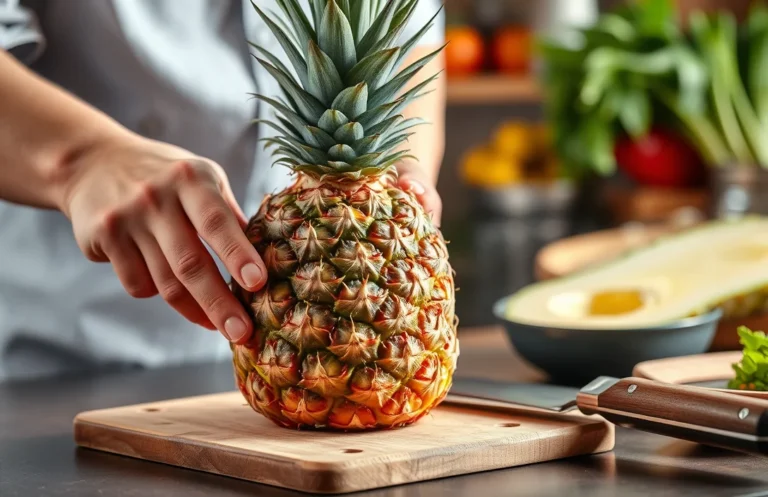
- Peeling: The paring knife excels at peeling fruits and vegetables. Its pointed tip and thin blade allow for controlled removal of skin without wasting the flesh underneath. Simply hold the fruit or vegetable in one hand and carefully slice away the skin with the other.
- Trimming: Use the paring knife to trim away unwanted parts, such as the stems from strawberries or the fat from meat. The maneuverability of the knife ensures you can make precise cuts without damaging the surrounding area.
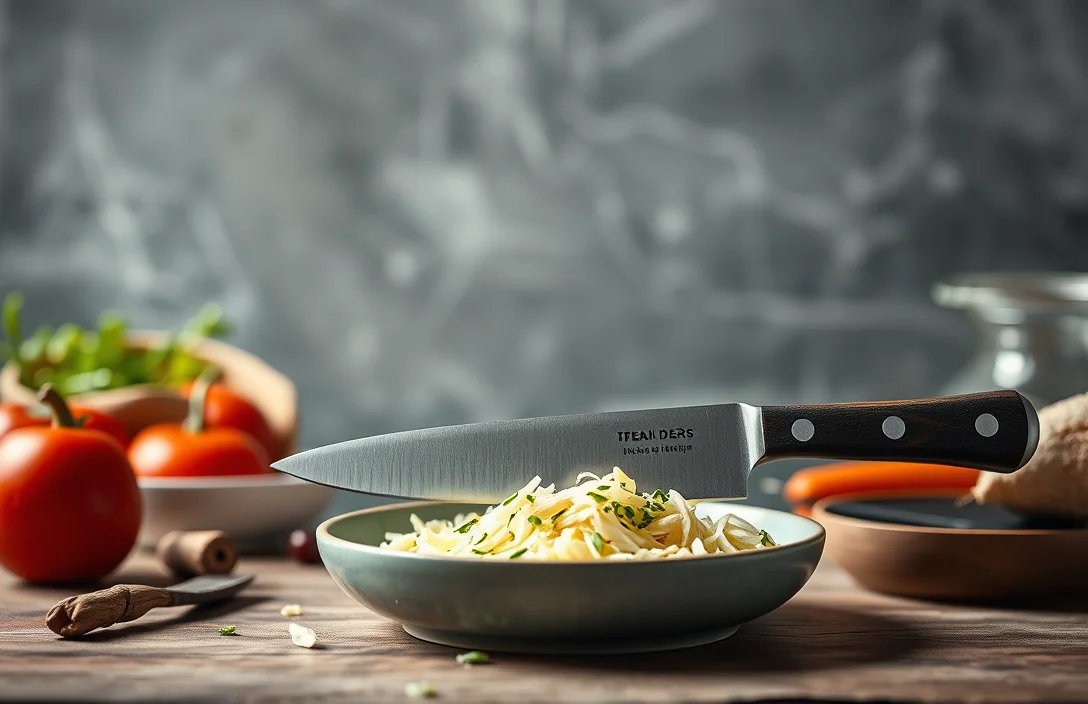
- Mincing: A paring knife is also effective for mincing herbs and garlic. The small blade allows for quick, fine cuts. Gather the herbs or garlic on a cutting board and chop repeatedly with the knife held at an angle, adjusting the pressure as needed for a fine mince.
Mastering these tasks with a paring knife enhances efficiency and accuracy in the kitchen, making it an indispensable tool for both novice and seasoned cooks alike.
Slicing Techniques with Paring Knives
Paring knives excel in precision slicing, making them ideal for various cutting techniques. Mastering these techniques enhances your culinary skills and allows for better presentation and texture in your dishes. Here are two essential slicing techniques that can be effectively performed with a paring knife: julienne cuts and fine slicing.
Julienne Cuts
Julienne cuts involve slicing ingredients into thin, matchstick-shaped pieces. To achieve this, start by trimming the edges of your vegetable, such as a carrot or zucchini, to create a stable base. Cut the vegetable into even sections, then slice each section lengthwise into thin strips. This technique is perfect for adding texture to salads or stir-fries.
Fine Slicing
Fine slicing requires precision and control, making it ideal for delicate ingredients like herbs or soft fruits. Hold the paring knife at a slight angle and use a gentle sawing motion to create thin, even slices. This method is particularly useful for garnishing dishes or preparing ingredients for sauces, allowing for improved flavor integration and presentation.
Dicing and Chopping with Paring Knives
Paring knives excel in dicing and chopping smaller ingredients, offering precision and control. Their small size makes them ideal for tasks that require detail, such as preparing vegetables or herbs. Here are effective techniques for using a paring knife in these culinary tasks.
- Dicing Vegetables: Start by peeling and trimming your vegetable. Hold the vegetable steady with one hand while using your other hand to slice it into thin strips. Rotate the strips and cut across them to create small cubes. Maintain a consistent size for even cooking.
- Chopping Herbs: Gather your fresh herbs into a tight bundle. Hold the stems firmly and use the paring knife to slice through the leaves in a rocking motion. This technique allows for quick and uniform chopping, releasing the herbs’ essential oils for maximum flavor.
Practicing these techniques can enhance your culinary skills and make ingredient preparation more efficient.
Comparing Paring Knives to Other Knives
Understanding the unique applications of paring knives compared to other kitchen knives can enhance your cooking efficiency. While each knife serves distinct purposes, the paring knife excels in precision tasks that require control and finesse.
| Knife Type | Primary Uses | Best Features |
|---|---|---|
| Paring Knife | Peeling, trimming, intricate cutting | Short, pointed blade for precision |
| Chef’s Knife | Dicing, chopping, slicing | Long blade for versatile cutting |
| Utility Knife | General purpose, light cutting | Medium blade length for flexibility |
The paring knife is ideal for peeling fruits and vegetables or deveining shrimp, tasks that require a delicate touch. In contrast, a chef’s knife is suited for larger tasks like chopping herbs or slicing meat, while the utility knife serves as an all-around tool for light cutting jobs. Each knife complements the others in a well-equipped kitchen, but the paring knife stands out for its precision in small-scale, detailed work.
Quick Summary
- A paring knife is a small, versatile kitchen knife used primarily for intricate tasks.
- It is ideal for peeling fruits and vegetables, allowing for precision and control.
- Perfect for deveining shrimp or removing seeds from peppers and tomatoes.
- Can be used for trimming meat and removing skin from poultry.
- Great for creating decorative garnishes due to its sharp and pointed blade.
- Often used for slicing small items like garlic cloves or herbs.
- Essential for any cook looking to perform detailed knife work with ease.
Frequently Asked Questions
What is a paring knife used for in cooking?
A paring knife is a small knife designed for intricate tasks that require precision. It is commonly used for peeling, trimming, and cutting small fruits and vegetables.
How does a paring knife differ from a chef’s knife?
A paring knife is smaller and has a shorter blade than a chef’s knife, making it ideal for detailed work. The chef’s knife, on the other hand, is designed for larger food items and more versatile chopping tasks.
Can I use a paring knife for slicing meat?
While a paring knife can be used for slicing small pieces of meat, it is not the best choice for larger cuts. A chef’s knife or a carving knife would be more effective for that purpose.
Is a paring knife safe for beginners?
Yes, a paring knife can be safe for beginners when used properly. Its small size allows for better control, but it’s important to practice good knife skills and safety techniques to avoid accidents.
How do I maintain my paring knife?
To maintain your paring knife, regularly sharpen the blade and keep it clean. Hand washing is recommended over putting it in a dishwasher to preserve its edge and handle integrity.

- 10 Best Cheese Knife With Holes For Smooth Slice 2026 - March 9, 2026
- Make Cheesecake Up to 3 Days Ahead: Tips for Best Flavor & Texture - March 4, 2026
- Easy No-Bake Cool Doen Cheesecake: Quick Recipe & Tips - March 4, 2026