Can Cheesecake Sit Out Overnight? Safety Tips & Storage Advice
Cheesecake is the kind of dessert that brings joy to any gathering, whether it’s a cozy family dinner or a festive celebration. With its creamy texture and rich flavor, it’s hard to resist a slice (or two!). Imagine that velvety filling melting in your mouth, paired with a buttery graham cracker crust. Pure bliss!
If you’ve ever wondered if cheesecake can safely stay out overnight, you’re in the right place. This guide will cover food safety guidelines, how long cheesecake can sit out, and best storage practices to keep your dessert fresh and delicious.
| Prep Time | 20 minutes |
|---|---|
| Cook Time | 1 hour |
| Total Time | 1 hour 20 minutes |
| Servings | 8 slices |
| Difficulty | Moderate |
Cheesecake History
Understanding the history of cheesecake not only enriches your appreciation for this dessert but also sheds light on its significance in various cultures. Cheesecake has been a beloved dish for centuries, often served during celebrations and special occasions.
- Ancient Origins: Cheesecake’s roots trace back to ancient Greece, where it was served to athletes during the first Olympic Games in 776 B.C. Made from simple ingredients like cheese, honey, and flour, it was considered a source of energy and nourishment.
- Roman Influence: The Romans adopted the Greek version and further refined it. They added eggs and baked it, creating a richer texture. This evolution marked the beginning of cheesecake as we know it today.
- Cultural Significance: Over the years, cheesecake has held a special place in various cultures. In Jewish tradition, it is often served during holidays like Shavuot, representing the bounty of the land and celebrating the giving of the Torah. In America, New York-style cheesecake became famous for its dense, creamy texture, often enjoyed as a dessert after meals.
- When to Serve Cheesecake: Cheesecake is versatile, perfect for birthdays, weddings, and holidays. It’s typically served chilled, which is essential for maintaining its structure and flavor. However, proper storage is crucial, as leaving it out overnight can lead to food safety concerns.
Ingredients for Cheesecake
Understanding the ingredients for cheesecake is vital, especially when considering food safety regarding leaving it out overnight. Each component plays a role in the cheesecake’s texture and flavor, and knowing how they behave at room temperature helps ensure that your dessert remains safe to eat.
| Item | Amount/Specification | Notes |
|---|---|---|
| Cream Cheese | 16 ounces (450g) | Softened to room temperature |
| Sugar | 1 cup (200g) | Granulated sugar works best for sweetness |
| Eggs | 3 large | At room temperature for best mixing |
| Crust Ingredients | ||
| Graham Cracker Crumbs | 1 ½ cups (150g) | Finely crushed for a smooth crust |
| Butter | ½ cup (115g) | Melted, unsalted butter |
| Sugar (for crust) | ¼ cup (50g) | Optional, for added sweetness |
- For best results, ensure cream cheese is fully softened to prevent lumps.
- If you have a dairy allergy, consider using vegan cream cheese alternatives.
- Make sure eggs are at room temperature to help them blend more easily into the mixture.
- Store leftovers in the refrigerator immediately to avoid spoilage.
Kitchen Equipment Needed
Understanding the kitchen tools you’ll need when making cheesecake is essential for ensuring your dessert is perfectly prepared and safe. This section outlines the necessary equipment and prep instructions that will keep your cheesecake at its best, especially when considering how long it can safely sit out.
- Mixing Tools: You’ll need a large mixing bowl (at least 4 quarts) to accommodate the cream cheese and batter. A hand mixer or stand mixer is ideal for achieving a smooth, lump-free mixture. Start by mixing the cream cheese at room temperature until it’s soft and creamy, which should take about 2-3 minutes on medium speed.
- Baking Pan: Use a 9-inch (23 cm) springform pan for baking your cheesecake. This type of pan allows for easy removal of the cheesecake without damaging its delicate structure. Make sure to grease the sides lightly with butter or non-stick spray before adding the crust to prevent sticking.
- Cooling Rack: After baking, place your cheesecake on a cooling rack to allow it to cool gradually. This step is crucial; it prevents condensation from forming and keeps the texture intact. Let it cool for about 1-2 hours at room temperature before refrigerating. Cheesecake should not be left out overnight, as it can spoil; if it does, look for signs like an off smell or changes in texture.
Cooking Instructions
This section provides step-by-step instructions for preparing a cheesecake, which is crucial for understanding how to safely handle it afterward, especially when considering if it can be left out overnight. Following these steps will ensure a delicious cheesecake that’s safe to enjoy.
- Prepare the Crust: Preheat your oven to 350°F (175°C). In a mixing bowl, combine 1 ½ cups (150g) of graham cracker crumbs, ¼ cup (50g) of granulated sugar, and ½ cup (115g) of melted unsalted butter. Mix until the crumbs are evenly coated and resemble wet sand. Press the mixture firmly into the bottom of a 9-inch (23cm) springform pan and bake for 10 minutes until lightly golden. Let it cool completely.
- Mix the Filling: In a large mixing bowl, beat 4 (8 oz) packages of softened cream cheese with an electric mixer on medium speed until smooth and creamy, about 2-3 minutes. Gradually add 1 cup (200g) of granulated sugar and mix until well combined. Add 4 large eggs, one at a time, mixing on low speed after each addition to prevent overmixing. The mixture should be smooth without lumps and slightly thick. Fold in 1 teaspoon of vanilla extract for flavor.
- Bake and Cool: Pour the filling over the cooled crust. Bake at 350°F (175°C) for 50-60 minutes until the edges are set, and the center has a slight jiggle. Once baked, turn off the oven and crack the door open to allow the cheesecake to cool gradually, preventing cracks. Cool for about an hour in the oven before transferring it to the refrigerator to chill for at least 4 hours or overnight. This cooling process is essential for food safety, especially if you’re considering leaving it out.
Food Safety Guidelines
Understanding food safety is crucial, especially when it comes to dairy-based desserts like cheesecake. Knowing how long cheesecake can safely remain at room temperature helps prevent foodborne illnesses and ensures that your delicious creation remains safe to enjoy.
Dairy Product Safety
Cheesecake is primarily made from cream cheese and other dairy products, which can spoil if left out too long. Here are some essential guidelines:
- Cheesecake should not be left out at room temperature for more than 2 hours. If the temperature exceeds 90°F (32°C), this time reduces to just 1 hour.
- When stored properly in the refrigerator, cheesecake can last up to 5 days. Ensure it is covered tightly to avoid absorbing odors.
Recommended Time Limits
The recommended time limits for leaving cheesecake out are crucial for maintaining its quality and safety:
| Temperature | Safe Time Limit |
|---|---|
| Below 70°F (21°C) | Up to 2 hours |
| Between 70°F (21°C) and 90°F (32°C) | Up to 1 hour |
| Above 90°F (32°C) | Not recommended |
Pro tip: If you’re unsure whether your cheesecake is still safe to eat, it’s best to err on the side of caution and refrigerate or discard it.
Signs of Spoilage
Identifying whether a cheesecake has spoiled is crucial, especially if it has been left out overnight. Spoiled cheesecake can pose health risks, so knowing what to look for can help you avoid any issues.
- Visual Cues: Check for any discoloration on the surface of the cheesecake. A fresh cheesecake should have a smooth, creamy color. If you see any brown or yellow patches forming, it is a sign that the cheesecake may be spoiled. Additionally, look for any signs of moisture or separation; if the filling looks watery or the crust appears soggy, it’s best to discard it.
- Smell Test: Fresh cheesecake has a pleasant, creamy aroma with hints of vanilla or citrus, depending on the flavor. If the cheesecake emits a sour or off-putting smell, it is likely spoiled. Trust your nose; if it doesn’t smell right, it’s safest to throw it away.
- Texture Changes: Gently press the surface of the cheesecake with your finger. A fresh cheesecake should feel firm yet slightly springy. If it feels excessively soft, sticky, or slimy, these are indicators of spoilage and you should not consume it.
Best Storage Practices
Storing cheesecake properly is crucial to maintaining its freshness and safety. Knowing how to refrigerate or freeze your cheesecake can prevent spoilage, ensuring that it stays delicious for your next serving. Here’s how to do it right!
Refrigeration Tips
- Cool Completely: Before refrigerating, allow your cheesecake to cool to room temperature for about 1-2 hours. This prevents condensation that can lead to a soggy crust.
- Wrap It Up: Once cooled, wrap your cheesecake tightly in plastic wrap or aluminum foil. This helps prevent it from absorbing other odors in the fridge and keeps it moist.
- Use an Airtight Container: For added protection, place the wrapped cheesecake in an airtight container. This is especially important if you plan to store it for more than a few days.
- Store for Up to 5 Days: Cheesecake can safely stay in the refrigerator for up to 5 days. After that, its quality may decline.
Freezing Instructions
- Slice Before Freezing: If you plan to freeze your cheesecake, slice it into individual portions. This makes it easier to thaw only what you need.
- Wrap Each Slice: Use plastic wrap to tightly wrap each slice individually. This prevents freezer burn and preserves flavor.
- Use a Freezer-Safe Container: Place the wrapped slices in a freezer-safe container or a resealable freezer bag, removing as much air as possible. This helps maintain quality for up to 2-3 months.
- Thawing: When ready to enjoy, transfer the cheesecake to the fridge for 4-6 hours or overnight to thaw slowly, preserving its texture and taste.
Serving Cheesecake Safely
Knowing how to serve cheesecake safely, especially after leaving it out overnight, is crucial for both flavor and food safety. Proper practices help ensure that your cheesecake remains delicious and safe to eat, preserving its creamy texture and rich taste.
- Check the Temperature: If your cheesecake has been left out overnight and the room temperature was above 70°F (21°C), it is recommended to discard it. Bacteria can proliferate rapidly at higher temperatures, increasing the risk of foodborne illness.
- Visual Inspection: Before serving, visually inspect the cheesecake. If you see any discoloration or mold, or if it smells off, do not serve it. A well-made cheesecake should look smooth and creamy without any signs of spoilage.
- Serving Temperature: Cheesecake is best served chilled. If it has been out for a while, chill it in the refrigerator for at least 30 minutes before serving. This helps restore its creamy texture and enhances the flavors.
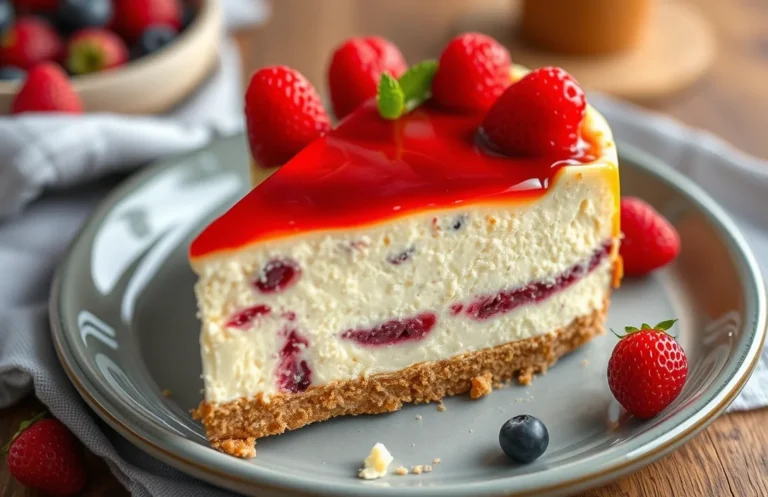
- Pairing Suggestions: Consider serving your cheesecake with fresh fruits, like strawberries or blueberries, which can add a refreshing contrast to the richness of the cake. A drizzle of chocolate or caramel sauce can also elevate the dessert experience.
- Storing Leftovers: If you have leftover cheesecake after serving, cover it tightly with plastic wrap and refrigerate immediately. It should be consumed within 3-5 days for the best quality and safety.
Quick Summary
| Prep Time | 20 minutes |
|---|---|
| Cook Time | 1 hour |
| Total Time | 1 hour 20 minutes |
| Servings | 8 |
- Chill cheesecake: Allow at least 4 hours in the refrigerator after baking.
- Storage temperature: Keep cheesecake below 40°F (4°C) to prevent spoilage.
- Room temperature limit: Do not leave out for more than 2 hours.
- Cover properly: Use plastic wrap or foil to avoid drying out.
- Check for signs: Inspect for odor or texture changes before serving.
- Tip: Use a water bath while baking for even cooking.
- Tip: Let it cool completely before refrigerating to set properly.
Frequently Asked Questions
Can I make this ahead of time? How to store and reheat?
You can absolutely make cheesecake ahead of time! Just store it in the refrigerator for up to 5 days, and if you want to serve it warm, let it sit at room temperature for about 30 minutes before slicing.
What can I substitute for cream cheese?
If you need a substitute, you can use mascarpone cheese or a blend of ricotta and sour cream in a 1:1 ratio. Just keep in mind that the texture and flavor may vary slightly.
How do I know when it’s done?
Your cheesecake is done when the edges are set but the center is still slightly jiggly; it will firm up as it cools. Aim for a temperature of around 150°F (65°C) for the perfect bake.
Can I freeze this? How long does it last?
You can freeze cheesecake for up to 3 months, but make sure to wrap it tightly in plastic wrap and then in aluminum foil. Thaw it overnight in the fridge before serving for the best texture.
Why did my cheesecake crack on top?
Cracking often happens due to rapid temperature changes, so make sure to bake it in a water bath and avoid opening the oven door too frequently. If it does crack, a dollop of whipped cream can cover it nicely when serving!

- Make Cheesecake Up to 3 Days Ahead: Tips for Best Flavor & Texture - March 4, 2026
- Easy No-Bake Cool Doen Cheesecake: Quick Recipe & Tips - March 4, 2026
- Decadent Dulce de Leche Cheesecake: Easy Step-by-Step Recipe - March 4, 2026