Gluten-Free Cheesecake Bliss: Easy Recipes & Tips to Satisfy Cravings
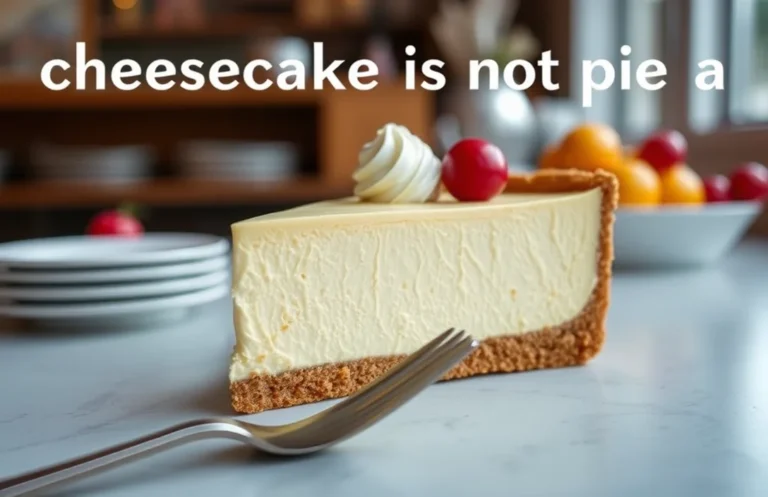
Cheesecake is one of those desserts that feels like a warm hug on a plate. Its creamy texture and rich flavor make it a favorite for any occasion, whether it’s a cozy weeknight treat or the star of a holiday gathering. You’ll want a slice (or two) after the first bite!
If you’re wondering if gluten-free folks can indulge, the answer is a resounding yes! You’ll find two tested gluten-free cheesecake recipes with clear, step-by-step instructions, perfect for home cooks. Get ready for total time: 1 hour, difficulty: easy, servings: 8.
| Prep Time | 20 minutes |
|---|---|
| Cook Time | 40 minutes |
| Total Time | 1 hour |
| Servings | 8 |
| Difficulty | Easy |
Cheesecake History and Significance
Cheesecake has a rich history that dates back thousands of years, with its roots tracing back to ancient Greece. Understanding its origins and cultural significance can highlight how this beloved dessert has adapted over time, including options for those with gluten sensitivities.
Origins of Cheesecake
The earliest known cheesecake recipe was documented in Greece around 2000 B.C. It was made from simple ingredients such as cheese, flour, and honey. The Romans later adopted it, and it spread throughout Europe, evolving into various regional specialties. By the time it reached America, cheesecake had transformed into the creamy, rich dessert we enjoy today.
Cultural Significance
Throughout history, cheesecake has held special significance in various cultures:
- Celebratory Dish: Often served at weddings and festivals, showcasing its role in special occasions.
- Regional Variations: From New York-style to Italian ricotta cheesecake, each version reflects local tastes and traditions.
- Symbol of Indulgence: Cheesecake is often associated with luxury and comfort, making it a popular choice for celebrations.
When to Serve Cheesecake
Cheesecake can be enjoyed at various occasions, including:
- Birthdays
- Holidays such as Thanksgiving and Christmas
- Anniversaries and other significant life events
As the demand for gluten-free options rises, many have started to explore gluten-free cheesecake recipes, allowing even those with dietary restrictions to indulge in this classic dessert without missing out on flavor or texture.
Ingredients for Gluten-Free Cheesecake
This section provides a complete list of ingredients needed for making a delicious gluten-free cheesecake. Understanding the specific components is essential for ensuring that your cheesecake is both gluten-free and full of flavor.
| Item | Amount/Specification | Notes |
|---|---|---|
| Cream Cheese | 16 ounces (450g) | Softened to room temperature for easy mixing |
| Sour Cream | ½ cup (120g) | For a creamy texture |
| Granulated Sugar | ¾ cup (150g) | Can substitute with coconut sugar for a lower glycemic index |
| Vanilla Extract | 1 teaspoon (5ml) | Use pure vanilla for best flavor |
| Eggs | 3 large | Room temperature for better mixing |
| Gluten-Free Digestive Biscuits | 8 ounces (225g) | Crushed for crust |
| Unsalted Butter | ¼ cup (60g) | Melted |
- Tip: If you’re dairy-free, consider using a vegan cream cheese alternative.
- Common Mistake: Make sure the cream cheese is well-softened to avoid lumps in your batter.
- For a flavored cheesecake, you can add lemon zest or cocoa powder to the filling.
Essential Kitchen Tools
To create a delicious gluten-free cheesecake, having the right tools on hand can make all the difference. This section outlines the essential kitchen equipment you’ll need, ensuring your baking process is smooth and enjoyable.
- Mixing Bowls: Opt for a set of mixing bowls in various sizes. You’ll need a large bowl for combining the cream cheese and sugar, and a medium bowl for mixing the gluten-free crust ingredients. Glass or stainless steel bowls are ideal as they don’t retain odors or stains.
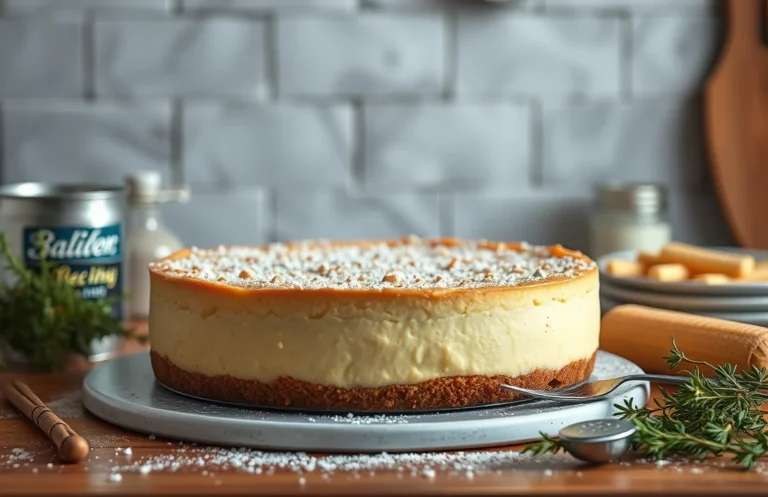
- Springform Pan: A 9-inch springform pan is essential for cheesecake, allowing you to easily release the dessert without damaging its delicate structure. Look for one with a tight-fitting latch to prevent leaks. Make sure to line the bottom with parchment paper for extra ease.
- Measuring Tools: Accurate measurements are critical in baking. Have a set of dry measuring cups (1 cup, ½ cup, ⅓ cup, and ¼ cup) and measuring spoons (1 tablespoon, 1 teaspoon) ready. A kitchen scale can also be helpful to measure ingredients like cream cheese, which should be at room temperature for easier mixing.
Chef’s tip: Always pre-measure your ingredients before starting. This helps keep the process organized and ensures you don’t forget any critical components.
With these tools, your gluten-free cheesecake will be a delightful success, and you’ll be able to enjoy the process as much as the outcome!
Step-by-Step Cheesecake Recipe
This section guides you through the detailed steps to prepare a gluten-free cheesecake. By following these instructions, gluten-free individuals can enjoy a delicious cheesecake without compromising on taste or texture.
Preparing the Crust
- Preheat your oven to 350°F (175°C). This ensures that the crust bakes evenly. While the oven is heating, gather your ingredients.
- In a mixing bowl, combine 1 ½ cups almond flour, 2 tablespoons melted coconut oil, and 2 tablespoons honey. Mix until the texture resembles wet sand, and the ingredients are fully incorporated.
- Press the mixture firmly into the bottom of a 9-inch springform pan, ensuring an even layer. Bake for 10-12 minutes until lightly golden and fragrant. Allow it to cool on a wire rack while you prepare the filling.
Making the Filling
- In a large mixing bowl, beat 24 ounces (680g) of cream cheese at room temperature with an electric mixer on medium speed until smooth and creamy, about 2-3 minutes. Scrape down the sides to ensure even mixing.
- Add ¾ cup granulated sugar, 1 teaspoon vanilla extract, and 3 large eggs one at a time, mixing on low speed until just combined. The mixture should be smooth with no lumps, and you’ll notice a lovely vanilla aroma.
- Pour the filling over the cooled crust, smoothing the top with a spatula. Tap the pan gently on the counter to release any air bubbles trapped in the filling.
Baking and Cooling
- Bake the cheesecake in the preheated oven for 50-60 minutes until the edges are set and the center is slightly jiggly (it will firm up as it cools). Keep an eye on it to avoid overbaking.
- Once baked, turn off the oven and leave the cheesecake inside for another hour to cool gradually. This helps prevent cracks from forming on the surface.
- After cooling, remove the cheesecake from the oven and chill it in the refrigerator for at least 4 hours, preferably overnight. This allows the flavors to meld and the texture to set perfectly.
Pro Tips for Perfect Cheesecake
Making a gluten-free cheesecake can be a rewarding experience, but it requires attention to detail to achieve that creamy, crack-free texture. Here are some essential tips to ensure your cheesecake turns out beautifully every time, especially when accommodating gluten-free diets.
- Preventing Cracks: To avoid unsightly cracks on the surface, bake your cheesecake in a water bath. Wrap your springform pan in aluminum foil and place it in a larger pan filled with 1 inch of hot water. This gentle heat helps maintain moisture. Additionally, bake at 325°F (160°C) instead of higher temperatures for a slower, more even cook.
- Texture Tips: For a creamy and smooth texture, ensure all ingredients are at room temperature before mixing. This includes your cream cheese (about 16 ounces or 450g), eggs, and sour cream (1 cup or 240ml). Mix at medium speed until just combined; over-mixing can incorporate too much air, leading to cracks.
- Baking Techniques: Always preheat your oven to the correct temperature and use an oven thermometer to ensure accuracy. When your cheesecake is done, it should be set around the edges but slightly jiggly in the center. Turn off the oven and leave the door ajar for about 1 hour to cool gradually, which helps prevent cracking.
Chef’s tip: If you do end up with cracks, don’t worry! A fruit topping or ganache can easily cover them up.
Gluten-Free Substitutions
For those following a gluten-free diet, enjoying cheesecake may seem challenging, but with the right substitutions, it can be a delightful experience. This section will outline flour alternatives, dairy-free options, and vegan adaptations to help you create a cheesecake that suits your dietary needs without sacrificing flavor or texture.
Flour Alternatives
When making the crust for gluten-free cheesecake, traditional flour can be replaced with various alternatives:
- 1 ½ cups gluten-free graham cracker crumbs (about 150g)
- ½ cup almond flour (50g)
- ½ cup coconut flour (50g)
- 1 cup finely ground oats (90g) – ensure they are labeled gluten-free
Mix these with ½ cup melted butter (115g) and 2 tablespoons sugar (25g) for a delicious crust. Bake at 350°F (175°C) for 10 minutes until golden and fragrant.
Dairy-Free Options
If you’re avoiding dairy, substitute traditional cream cheese with:
- 1 ½ cups cashew cream (made by soaking and blending raw cashews)
- 1 ½ cups coconut cream (the solid part from a can of full-fat coconut milk)
- 1 ½ cups vegan cream cheese
Add ½ cup maple syrup (120ml) for sweetness and 1 tablespoon lemon juice for tang. Blend until smooth and creamy.
Vegan Adaptations
To create a completely vegan cheesecake, follow these steps:
- Use a crust made of 1 ½ cups dates (pitted) blended with 1 cup walnuts (100g) and a pinch of salt until crumbly.
- For the filling, blend 1 ½ cups soaked cashews, ½ cup maple syrup, ¼ cup coconut oil (60ml), and 1 tablespoon vanilla extract until silky.
- Pour into the prepared crust and refrigerate for at least 4 hours to set.
Chef’s tip: To avoid graininess in your filling, ensure that all blended ingredients are very smooth before pouring them into the crust.
| Ingredient | Measurement |
|---|---|
| Gluten-Free Graham Cracker Crumbs | 1 ½ cups |
| Coconut Cream | 1 ½ cups |
| Maple Syrup | ½ cup |
| Soaked Cashews | 1 ½ cups |
By implementing these substitutions, gluten-free individuals can enjoy cheesecake that is just as satisfying and delicious as the traditional version. Remember to check labels for gluten-free certification to ensure safety and enjoy your baking!
Serving and Plating Suggestions
Presentation is key when serving gluten-free cheesecake, as it enhances the experience for both the eyes and the palate. A well-plated dessert not only looks appealing but also invites guests to indulge. Here are some thoughtful ideas for garnishing, presentation, and drink pairings that will elevate your gluten-free cheesecake.
Garnishes
- Fresh Berries: Top each slice with a mix of strawberries, blueberries, and raspberries for a pop of color and freshness.
- Chocolate Drizzle: Melt ¼ cup of gluten-free dark chocolate and drizzle over the cheesecake for a rich contrast.
- Whipped Cream: Serve with a dollop of homemade whipped cream (1 cup heavy cream, whipped with 2 tablespoons powdered sugar) for a classic touch.
Presentation Tips
- Use a cake stand to elevate the cheesecake, making it the centerpiece of your dessert table.
- Slice the cheesecake into even portions, about 1.5 inches wide, to ensure each piece is visually appealing.
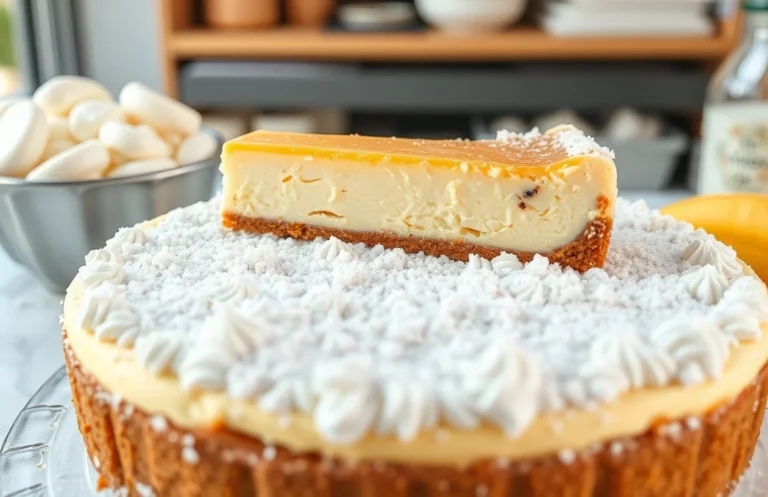
- Sprinkle a light dusting of powdered sugar on top before serving for an elegant finish.
Drink Pairings
To complement the rich flavors of gluten-free cheesecake, consider these drink options:
| Drink | Description |
|---|---|
| Espresso | A bold shot of espresso enhances the creaminess of the cheesecake. |
| Port Wine | The sweetness of port wine pairs beautifully with fruit-topped cheesecakes. |
| Herbal Tea | A light herbal tea, like chamomile, offers a soothing contrast to the richness. |
Pro tip: Serve the cheesecake slightly chilled for the best texture and flavor. Aim for a temperature of around 50°F (10°C) for optimal enjoyment.
Quick Summary
| Prep Time | Cook Time | Total Time | Servings |
|---|---|---|---|
| 15 mins | 60 mins | 1 hr 15 mins | 8 |
- Use gluten-free crust: Opt for almond flour or gluten-free graham crackers.
- Room temperature ingredients: Ensure cream cheese and eggs are at room temperature for smooth texture.
- Bake in a water bath: This prevents cracks and ensures even baking.
- Cool gradually: Allow cheesecake to cool in the oven to prevent sudden temperature changes.
- Chill before serving: Refrigerate for at least 4 hours for the best flavor and texture.
Tip: Always check labels to confirm products are certified gluten-free.
Frequently Asked Questions
Can I make this cheesecake ahead of time? How to store and reheat?
You can absolutely make this cheesecake ahead of time; it tastes even better after chilling! Store it in the refrigerator, covered tightly for up to 5 days, and serve it cold or at room temperature without reheating.
What can I substitute for the gluten-free graham cracker crust?
You can use crushed gluten-free cookies like almond or coconut cookies as a substitute for the crust. Just make sure they are finely crushed and mixed with melted butter in a 1:1 ratio.
How do I know when the cheesecake is done?
Your cheesecake is done when the edges are set and the center still has a slight jiggle, which usually takes about 50-60 minutes at 325°F (163°C). It will firm up as it cools, so don’t overbake!
Can I freeze this cheesecake? How long does it last?
You can freeze the cheesecake for up to 3 months; just wrap it tightly in plastic wrap and then in foil. Thaw it in the refrigerator overnight before serving for the best texture.
Why did my cheesecake turn out cracked on top?
Your cheesecake likely cracked due to rapid temperature changes; it’s best to bake it in a water bath. If cracks do form, you can cover them with fresh fruit or whipped cream for a delicious fix!

- 10 Best Cheese Knife With Holes For Smooth Slice 2026 - March 9, 2026
- Make Cheesecake Up to 3 Days Ahead: Tips for Best Flavor & Texture - March 4, 2026
- Easy No-Bake Cool Doen Cheesecake: Quick Recipe & Tips - March 4, 2026