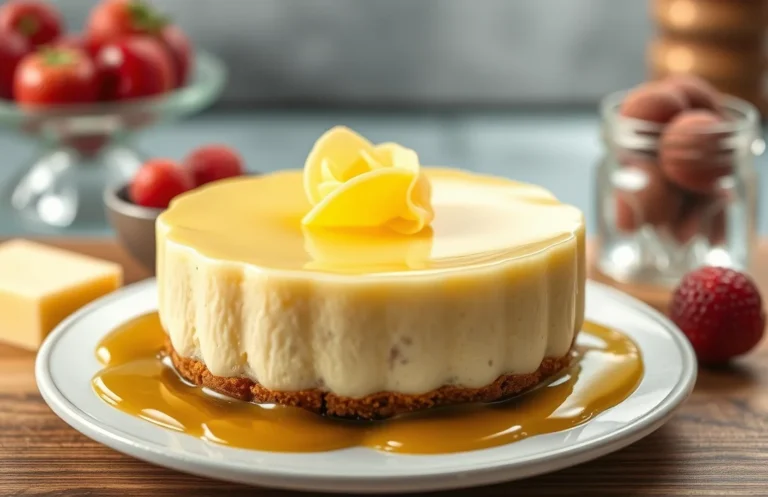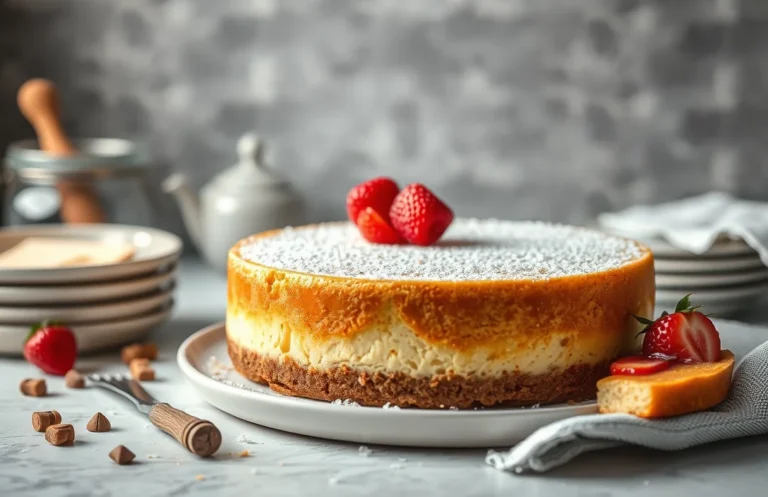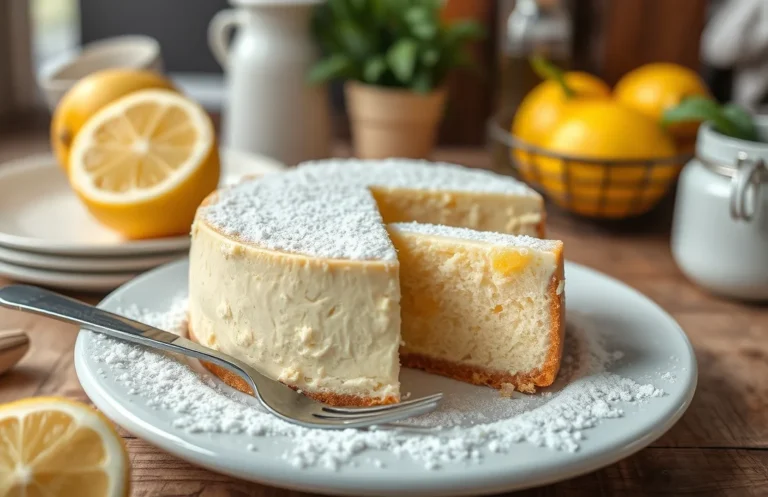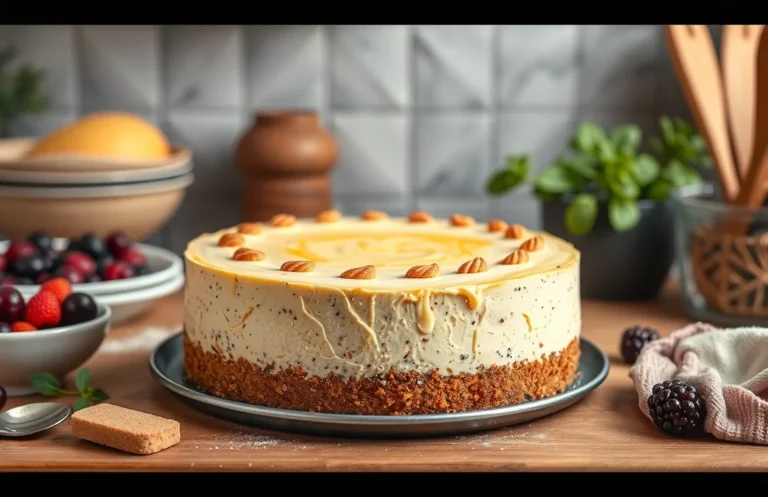
Can You Freeze Cheesecake? Tips for Perfectly Thawed Delights
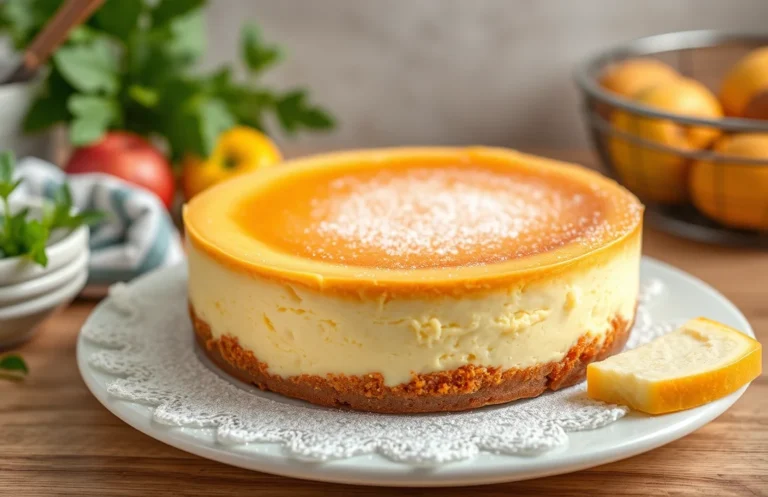
Cheesecake is that dreamy dessert that makes any occasion feel special, from a cozy weeknight treat to the star of a holiday gathering. Its creamy, rich texture and sweet, buttery crust are simply irresistible. Just imagining a slice topped with fresh berries or a drizzle of chocolate makes my mouth water!
Wondering if you can freeze cheesecake? You absolutely can! This guide provides step-by-step instructions on how to freeze cheesecake properly, with tips for wrapping, storage, and safe thawing. Plus, I’ll address any concerns about texture or flavor changes.
| Prep Time | Cook Time | Total Time | Servings | Difficulty |
|---|---|---|---|---|
| 30 minutes | 1 hour | 1 hour 30 minutes | 8 servings | Moderate |
Cheesecake Origin and Special Traits
Cheesecake has a rich history that spans centuries and cultures, making it a beloved dessert around the world. Understanding its origins and unique characteristics can enhance your appreciation for this creamy delight, especially when considering how to properly store and serve it, including the option of freezing.
History of Cheesecake
Originating in ancient Greece, cheesecake was served to athletes during the first Olympic Games in 776 B.C. Its simple mixture of cheese, flour, and honey paved the way for various interpretations over the years. The Romans later adapted the recipe, spreading it throughout Europe, where different regions introduced their own flavors and techniques. Today, cheesecake is enjoyed globally, with variations like New York-style, Italian ricotta, and Japanese fluffy cheesecake.
What Makes Cheesecake Special
- Texture: The creamy, smooth consistency is a hallmark of cheesecake, achieved through careful mixing and baking.
- Flavor: The balance of sweet and tangy, primarily from cream cheese or ricotta, creates a delightful dessert experience.
- Versatility: Cheesecake can be customized with various toppings, such as fruit, chocolate, or caramel, allowing for endless creativity.
Occasions for Serving
Cheesecake is a popular choice for various celebrations, including:
- Weddings and anniversaries
- Birthdays
- Holidays, such as Thanksgiving and Christmas
- Casual gatherings and brunches
Chef’s tip: For a stunning presentation, top your cheesecake with fresh berries or a drizzle of chocolate ganache before serving.
Ingredients for Freezing Cheesecake
This section provides a complete list of ingredients required for making a cheesecake that can be successfully frozen. Knowing the precise measurements and components is crucial to ensure the cheesecake maintains its texture and flavor when thawed.
| Item | Amount/Specification | Notes |
|---|---|---|
| Cream Cheese | 450g (16 oz) | Use full-fat for best texture |
| Sugar | 150g (¾ cup) | Granulated sugar works best |
| Eggs | 3 large | Room temperature for easier mixing |
| Graham Cracker Crust | 1 ½ cups (150g) crushed crackers | Mix with ½ cup (115g) melted butter |
| Vanilla Extract | 1 teaspoon | For added flavor |
- For a gluten-free option, substitute the graham crackers with gluten-free cookies.
- Consider using a springform pan lined with parchment for easier removal after freezing.
- Ensure cream cheese is softened at room temperature for a smooth batter.
Essential Equipment and Prep
Before you freeze your cheesecake, it’s essential to gather the right kitchen tools and prepare your crust properly. This ensures that your cheesecake retains its delicious flavor and texture after freezing. Here’s what you’ll need and how to get started.
- Springform Pan: A 9-inch (23 cm) springform pan is ideal for making cheesecake. This type of pan allows you to remove the cheesecake easily after it has set, which is especially important when preparing to freeze it. Ensure the pan is well-greased with butter or non-stick spray to prevent sticking.
- Mixer: A stand mixer or a hand mixer will help you achieve a smooth and creamy filling. If using a stand mixer, fit it with the paddle attachment to combine the cream cheese and other ingredients without incorporating too much air, which can make the cheesecake puff up during baking.
- Oven Preheating: Preheat your oven to 350°F (175°C) before baking your cheesecake. This ensures even baking and prevents the cheesecake from cracking. Allow it to preheat for at least 15 minutes to reach the proper temperature.
- Preparing the Crust: For a classic graham cracker crust, combine 1 ½ cups (150g) of graham cracker crumbs, ⅓ cup (67g) of granulated sugar, and ½ cup (115g) of melted butter. Mix until the crumbs are evenly coated and press this mixture firmly into the bottom of your springform pan. Bake for 8-10 minutes until golden brown and fragrant, then let it cool completely before adding the filling. This step is crucial to prevent a soggy crust when freezing.
Step-by-Step Freezing Instructions
Freezing cheesecake can be a great way to preserve its deliciousness for later enjoyment. Follow these detailed steps to ensure your cheesecake freezes perfectly, maintaining its creamy texture and rich flavor for whenever you’re ready to indulge.
- Bake the Cheesecake: Preheat your oven to 325°F (160°C). Pour your prepared cheesecake batter into a 9-inch springform pan and bake for 60 minutes. The edges should be set, but the center will still have a slight jiggle. This indicates that it’s perfectly baked.
- Cool Completely: Once the cheesecake is baked, turn off the oven and crack the door open, allowing it to cool gradually for about 2 hours. This step helps prevent cracks. After 2 hours, transfer the cheesecake to the refrigerator and chill for at least 4 hours, or overnight if possible.
- Wrap for Freezing: Once your cheesecake is completely cool, remove it from the springform pan. Place it on a cutting board and wrap it tightly in plastic wrap. Follow this with a layer of aluminum foil to protect it from freezer burn. Make sure the wrap is snug to keep air out.
- Label and Store: Use a permanent marker to label the foil with the date and type of cheesecake. Place the wrapped cheesecake in a freezer-safe container or a zip-top bag to avoid any odors from the freezer. Store in the freezer for up to 3 months for optimal taste.
Pro Tips and Common Freezing Mistakes
Freezing cheesecake can be a fantastic way to preserve your delicious creation, but there are key techniques to ensure it retains its creamy texture and flavor. Here are some expert tips and common pitfalls to avoid when freezing cheesecake, so you can enjoy it later without compromise.
- Avoid Ice Crystals: To prevent ice crystals from forming, ensure your cheesecake is completely cool before wrapping. Ice crystals can make the texture grainy. If you notice any condensation on the wrap, gently pat it dry with a paper towel before sealing.
- Proper Wrapping Techniques: Use plastic wrap to tightly cover the cheesecake, followed by aluminum foil for an extra layer of protection against air and moisture. This double-wrapping method helps maintain flavor and texture. Make sure there are no gaps in the wrapping where air can seep in.
- Signs of Freezer Burn: If your cheesecake has dry patches or a whitish film upon thawing, it may be freezer burned. While it’s safe to eat, the taste and texture will be compromised. To avoid this, use airtight containers or vacuum seal the cheesecake if possible.
- Thawing Wisely: When you’re ready to enjoy your cheesecake, thaw it in the refrigerator for 6-8 hours or overnight. This gradual thawing helps maintain its creamy consistency. Avoid thawing at room temperature, as it can alter the texture and introduce bacteria.
Cheesecake Variations and Modifications
This section will explore different types of cheesecake and dietary alternatives that can affect freezing methods. Understanding these variations helps ensure that your cheesecake maintains its texture and flavor after freezing and thawing.
Gluten-Free Options
- Use gluten-free graham crackers or almond flour for the crust.
- Ensure all other ingredients, like cornstarch or baking powder, are gluten-free.
Vegan Cheesecake
For a delicious vegan cheesecake, substitute traditional ingredients with plant-based alternatives:
- Use 2 cups of soaked cashews instead of cream cheese.
- Replace eggs with 1/4 cup of unsweetened applesauce or 1 tablespoon of ground flaxseed mixed with 2.5 tablespoons of water per egg.
- Sweeten with maple syrup or agave nectar instead of sugar.
Chef’s tip: Vegan cheesecakes tend to freeze well, but be sure to let them cool completely before freezing to maintain texture.
Flavor Variations
Experimenting with flavors can also affect freezing success:
- Fruit purees, such as raspberry or mango, can be swirled into the batter before baking.
- Chocolate can be incorporated by melting 4 ounces of dark chocolate and mixing it into the batter.
| Ingredient | Traditional Cheesecake | Gluten-Free Cheesecake | Vegan Cheesecake |
|---|---|---|---|
| Crust | 1 ½ cups graham cracker crumbs | 1 ½ cups gluten-free cracker crumbs | 1 ½ cups almond flour |
| Cream Cheese | 24 ounces | 24 ounces | 2 cups soaked cashews |
| Sugar | 1 cup | 1 cup | ¾ cup maple syrup |
Each variation may require slight adjustments in freezing and thawing times, so monitor closely for the best results.
Serving and Plating Ideas
Once your cheesecake has been properly thawed, serving it with flair can elevate the experience. Whether you prefer simple garnishes or elaborate plating, these suggestions will help you present your cheesecake in a delightful way that complements its rich flavor.
Garnishing Options
- Fresh Berries: Top each slice with a mix of strawberries, blueberries, and raspberries for a burst of freshness.
- Chocolate Drizzle: Melt 2 ounces of semi-sweet chocolate and drizzle it over the cheesecake just before serving.
- Whipped Cream: Serve with a dollop of homemade whipped cream (whip 1 cup heavy cream with 2 tablespoons sugar until soft peaks form).
- Mint Leaves: A few fresh mint leaves can add a pop of color and a refreshing note.
Serving Temperature
Cheesecake is best served chilled. After thawing, allow it to sit at room temperature for about 15-20 minutes before slicing. This slight warming will enhance the flavor and make the texture even creamier.
Beverage Pairings
Pairing your cheesecake with the right beverage can enhance the overall experience:
| Beverage | Notes |
|---|---|
| Coffee | The bitterness of coffee complements the sweetness of cheesecake beautifully. |
| Sweet Red Wine | A glass of Port or a sweet red wine can elevate the dessert experience. |
| Herbal Tea | Chamomile or mint tea can provide a soothing contrast to the rich cheesecake. |
Chef’s tip: Always slice cheesecake with a warm knife for clean cuts. Simply run the knife under hot water, wipe it dry, and slice!
Quick Summary
| Prep Time | 20 minutes |
|---|---|
| Cook Time | 1 hour |
| Total Time | 1 hour 20 minutes |
| Servings | 8 |
- Allow to cool: Let cheesecake cool completely before freezing.
- Wrap tightly: Use plastic wrap followed by aluminum foil to prevent freezer burn.
- Freeze flat: Place on a flat surface to maintain shape while freezing.
- Thaw properly: Defrost in the fridge overnight for best texture.
- Best within: Consume within 2-3 months for optimal flavor.
- Tip: Avoid freezing cheesecakes with fruit toppings for better results.
- Tip: Use a springform pan for easy removal after freezing.
Frequently Asked Questions
Can I make this ahead of time? How to store and reheat?
You can absolutely make cheesecake ahead of time! Store it in the refrigerator for up to 5 days, and if you need to reheat, gently warm it in a 300°F (150°C) oven for about 10-15 minutes.
What can I substitute for cream cheese?
If you’re out of cream cheese, you can use mascarpone cheese or blend cottage cheese until smooth for a lighter option. Keep in mind that the flavor and texture may vary slightly.
How do I know when it’s done?
Your cheesecake is done when the edges are set but the center still has a slight jiggle, about 60-70 minutes at 325°F (160°C). It will firm up as it cools, so don’t overbake!
Can I freeze this? How long does it last?
You can definitely freeze cheesecake! Wrap it tightly in plastic wrap and then aluminum foil, and it will last up to 3 months in the freezer.
Why did my cheesecake crack on top?
Your cheesecake may crack if it was baked at too high a temperature or if it was overmixed. To prevent this, always bake at 325°F (160°C) and mix just until combined.

- 10 Best Cheese Knife With Holes For Smooth Slice 2026 - March 9, 2026
- Make Cheesecake Up to 3 Days Ahead: Tips for Best Flavor & Texture - March 4, 2026
- Easy No-Bake Cool Doen Cheesecake: Quick Recipe & Tips - March 4, 2026