Irresistible Caramel Recipes: From Scratch to Decadent Desserts
Caramel is the sweet, golden elixir that transforms ordinary desserts into something truly special. Its rich, buttery flavor adds depth to everything from cakes to candies. Whether drizzled over ice cream or swirled into brownies, homemade caramel brings an irresistible warmth that makes any treat feel like a celebration.
This article features a basic caramel sauce recipe with clear, step-by-step instructions and tips for success. Expect a total time of about 15 minutes, a difficulty level of easy, and enough to serve 4-6 people. You’ll also find a variety of delicious caramel-infused desserts.
| Prep Time | Cook Time | Total Time | Servings | Difficulty |
|---|---|---|---|---|
| 5 minutes | 10 minutes | 15 minutes | 4-6 | Easy |
History of Caramel
Caramel has a rich history that spans centuries and cultures, evolving from simple ingredients into a beloved dessert component. Understanding its origins and significance can enhance your appreciation and skills in caramel-making.
- Cultural Origins: The earliest known uses of caramel date back to ancient civilizations, particularly in the Middle East, where sugar was first crystallized. The process of cooking sugar to create caramel began gaining popularity in Europe during the 17th century, becoming a staple in confections and desserts.
- Unique Characteristics: Caramel is distinguished by its rich, toasty flavor, which comes from the Maillard reaction during the cooking process. The color of caramel can range from light golden to deep amber, indicating different stages of cooking and flavor intensity.
- When to Serve Caramel: Caramel is incredibly versatile and can be served warm or cold. It’s perfect for drizzling over desserts like ice cream, incorporating into cakes, or using as a filling in candies. Special occasions, such as holidays or celebrations, often feature caramel desserts as a delightful treat.
Ingredients for Caramel Sauce
To create a rich and velvety caramel sauce, you’ll need just a few key ingredients. Each component plays a crucial role in achieving that perfect balance of sweetness and creaminess. Here’s what you’ll need to gather before you start cooking.
| Item | Amount/Specification | Notes |
|---|---|---|
| Granulated Sugar | 1 cup (200g) | Make sure it’s packed to avoid air pockets. |
| Butter | 6 tablespoons (85g) | Unsalted butter is preferred for better control of saltiness. |
| Heavy Cream | ½ cup (120ml) | Room temperature cream will prevent the caramel from seizing. |
| Salt | ¼ teaspoon | Adjust to taste if you prefer a salted caramel. |
- Always use a heavy-bottomed saucepan for even heat distribution.
- Keep a close eye on the sugar as it melts; it can go from perfect to burnt quickly.
- If you find your caramel is too thick, you can whisk in a bit more heavy cream.
- For a deeper flavor, consider adding a splash of vanilla extract once the caramel is done cooking.
Essential Kitchen Tools
Making caramel requires specific tools to ensure the process goes smoothly and results in that perfectly rich and gooey texture we all love. The right equipment will help you monitor temperatures accurately and mix ingredients efficiently, making the caramel-making experience enjoyable and successful.
- Saucepan: A heavy-bottomed saucepan is crucial for making caramel. Choose one that’s at least 2-3 quarts (1.9-2.8 liters) in capacity to prevent spillage as the caramel bubbles. Look for a pan with straight sides to help you achieve even heat distribution.
- Candy Thermometer: A candy thermometer is essential for monitoring the temperature of the sugar mixture precisely. Aim for a thermometer that clips onto the side of the saucepan for easy reading. The target temperature for caramel is around 350°F (175°C), so having this tool will help you avoid burning the sugar.
- Whisk: A sturdy whisk is necessary for mixing the ingredients thoroughly. Opt for a stainless steel whisk that can withstand high heat. This will help you incorporate the sugar and any added butter or cream evenly, preventing lumps from forming.
- Measuring Cups: Precise measurements are vital in candy making, so have a set of dry measuring cups and liquid measuring cups on hand. For caramel, you will typically need to measure ingredients like sugar, butter, and cream accurately. This ensures consistent results every time you make caramel.
Step-by-Step Caramel Sauce Instructions
Making caramel sauce from scratch is a rewarding experience that can elevate your desserts to new heights. In this section, I’ll guide you through each step of melting sugar, adding butter, and incorporating cream, ensuring your caramel turns out perfectly every time.
- 1 cup granulated sugar (200g)
- 6 tablespoons unsalted butter (85g), cut into pieces
- ½ cup heavy cream (120ml), at room temperature
- Pinch of salt
- Melting the Sugar: In a medium, heavy-bottom saucepan, add 1 cup of granulated sugar and heat over medium heat. Stir constantly with a heat-resistant spatula or wooden spoon. The sugar will begin to clump, then melt into a clear liquid. This should take about 5-7 minutes. Watch carefully, as it can burn quickly once it starts to turn amber.
- Adding the Butter: Once the sugar has melted and is a deep amber color, remove the saucepan from the heat immediately. Carefully add 6 tablespoons of butter to the hot sugar; it will bubble up vigorously. Stir until the butter is fully melted and incorporated, which should take about 1 minute. Be cautious of the steam!
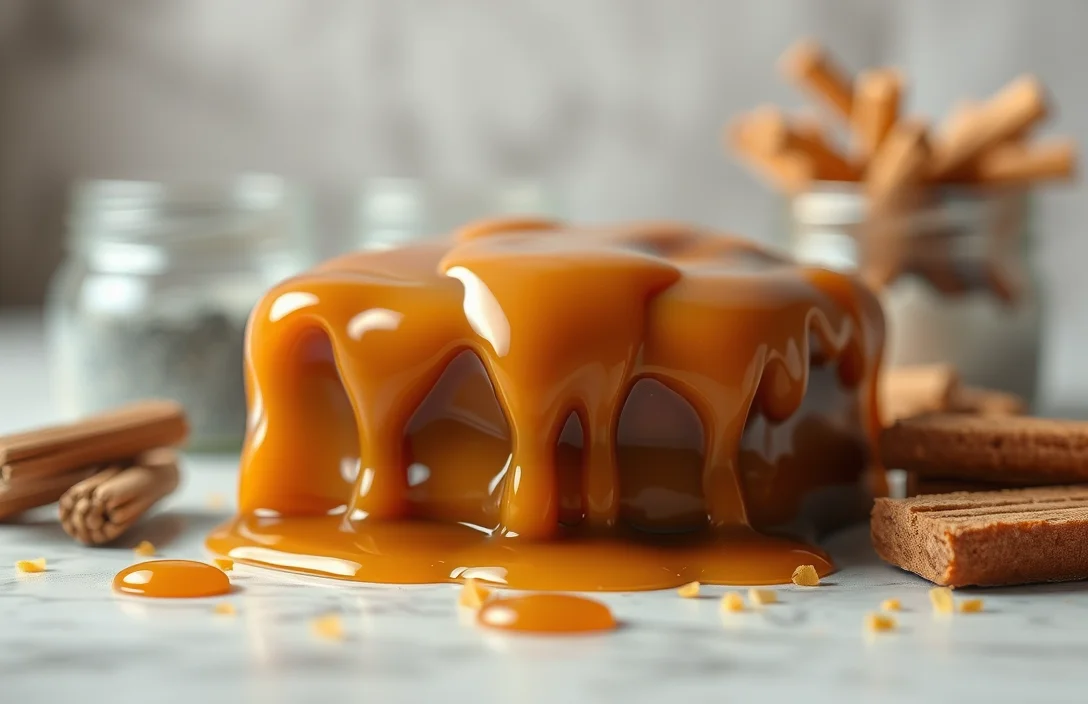
- Incorporating the Cream: Slowly pour in ½ cup of heavy cream while stirring constantly. The mixture will bubble up again, so pour gradually to avoid splattering. Continue stirring until the sauce is smooth and creamy, about 2-3 minutes. The final caramel should have a glossy appearance and a rich, buttery aroma.
Pro Tips for Perfect Caramel
Making caramel can be a rewarding yet tricky process. By understanding temperature control, color indicators, and how to avoid crystallization, you’ll ensure your caramel turns out perfectly every time. Here are some essential tips to keep in mind.
Temperature Control
- Use a candy thermometer: This tool is crucial for precise temperature readings. Aim for a temperature of 350°F (175°C) for a rich caramel. If you don’t have a thermometer, you can test by dropping a small amount of caramel in cold water; it should form a hard ball.
- Watch for smoke: If your caramel starts to smoke, it’s too hot. Remove it from the heat immediately to prevent burning. The ideal color should be a deep amber, indicating it’s ready to be taken off the heat.
Color Indicators
- Know your shades: Caramel goes through several stages: light gold, medium amber, and deep amber. For a light sauce, pull it at a light gold; for a more robust flavor, aim for medium to deep amber. It continues to cook even after you take it off the heat, so don’t overdo it.
- Smell matters: As the sugar cooks, it will develop a sweet, nutty aroma. If it smells burnt, it’s likely past the desired stage. Trust your senses!
Avoiding Crystallization
- Use clean equipment: Make sure your pot and utensils are impeccably clean. Any sugar crystals can cause the entire batch to seize up. Wipe down the sides of the pot with a wet pastry brush to remove any stray crystals.
- Don’t stir too much: While it’s tempting to stir, do so minimally once the sugar has dissolved. Excessive stirring can cause crystallization. Instead, gently swirl the pan to mix the caramel.
Caramel Recipe Variations
Caramel can be transformed in numerous ways to suit different tastes and dietary needs. Here are some delightful variations, including salted caramel, vegan options, and flavored caramel that will elevate your dessert game.
Salted Caramel
This version adds a touch of salt to enhance the sweetness of the caramel. Follow these steps:
- 1 cup granulated sugar (200g)
- 6 tablespoons unsalted butter (85g)
- ½ cup heavy cream (120ml)
- 1 teaspoon sea salt (adjust to taste)
- In a medium saucepan, heat the sugar over medium heat, stirring constantly until it melts and turns a deep amber color, about 10 minutes.
- Remove from heat, immediately whisk in the butter until melted, then slowly pour in the cream while whisking until smooth.
- Add sea salt and stir until fully combined. Let cool before using.
Chef’s tip: Use flaky sea salt for a beautiful finish and a contrasting texture.
Vegan Caramel
If you’re looking for a dairy-free alternative, this recipe is for you:
- 1 cup coconut sugar (200g)
- 1/2 cup full-fat coconut milk (120ml)
- 2 tablespoons coconut oil (30ml)
- In a saucepan over medium heat, combine coconut sugar and coconut milk, stirring until the sugar dissolves.
- Bring to a gentle boil and let it simmer for about 5-7 minutes, or until it thickens slightly.
- Remove from heat, stir in coconut oil until fully melted and combined. Let cool.
Flavored Caramel
Customize your caramel with various flavors! Here are a few options:
- Vanilla Caramel: Add 1 teaspoon vanilla extract after removing from heat.
- Chocolate Caramel: Stir in ¼ cup cocoa powder after the cream in the basic caramel recipe.
- Espresso Caramel: Mix in 1 tablespoon instant espresso powder before adding cream.
Experiment with these variations to find your favorite flavor combination!
Serving Caramel Creations
Caramel is not just a delicious ingredient; it can elevate your desserts to new heights. Knowing how to serve and pair caramel can enhance the overall experience of your sweet creations. Here are some delightful ways to incorporate caramel into your presentation.
Pairing with Ice Cream
One of the simplest and most satisfying ways to enjoy caramel is by drizzling it over a scoop of ice cream. The warm caramel contrasts beautifully with the cold ice cream, creating a delightful texture experience. For a well-rounded dessert, consider the following:
- Use ½ cup of homemade caramel sauce (cooled slightly) per serving of ice cream.
- Top with a sprinkle of sea salt for an added flavor boost.
- Consider flavors like vanilla, chocolate, or salted caramel ice cream to complement your sauce.
Drizzling on Cakes
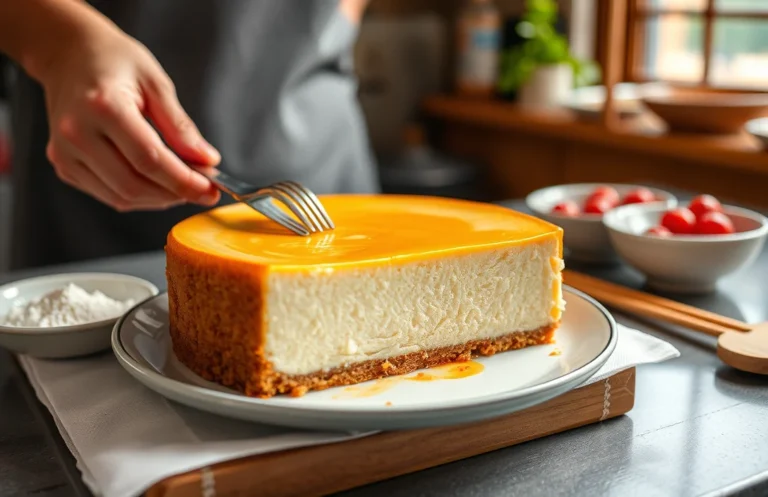
Caramel can transform a simple cake into a showstopper. Drizzle warm caramel over a freshly baked cake for a stunning effect. Remember:
Chef’s tip: Allow your cake to cool completely before drizzling to prevent the caramel from soaking in.
For best results:
- Use about 1 cup of caramel sauce for a standard 9-inch round cake.
- Start from the center and spiral outwards, letting it cascade down the sides.
Dipping Fruits
Fresh fruits are a perfect match for caramel. Here’s how to serve:
- Cut fruits like apples, pears, or strawberries into bite-sized pieces.
- Serve with 1 cup of warm caramel sauce in a small bowl for dipping.
- Sprinkle chopped nuts or shredded coconut on the side for added texture.
| Ingredient | Amount |
|---|---|
| Homemade caramel sauce | ½ cup per serving of ice cream |
| Cake for drizzling | 1 cup for a 9-inch cake |
| Fruit for dipping | 1 cup of caramel sauce |
By following these serving suggestions, you can create visually appealing and delicious caramel creations that will impress your family and friends. Enjoy your sweet adventures in caramel!
Quick Summary
| Prep Time | Cook Time | Total Time | Servings |
|---|---|---|---|
| 5 minutes | 10 minutes | 15 minutes | 1 cup |
- Measure ingredients: Use equal parts sugar and water.
- Heat sugar gently: Start on medium heat to avoid burning.
- Watch for color change: Caramel is ready when it turns amber.
- Add cream carefully: Pour slowly to prevent splattering.
- Cool before using: Allow to thicken as it cools.
- Tip: Use a heavy-bottomed pan for even heat distribution.
- Tip: Don’t stir after the sugar dissolves to prevent crystallization.
Frequently Asked Questions
Can I make this ahead of time? How to store and reheat?
You can definitely make caramel ahead of time! Store it in an airtight container in the fridge for up to two weeks, and gently reheat it in the microwave or on the stovetop over low heat until it’s pourable again.
What can I substitute for cream in caramel?
If you’re looking to substitute cream, you can use full-fat coconut milk or a mixture of milk and butter for a similar richness and consistency.
How do I know when it’s done?
Your caramel is done when it reaches a rich amber color and a temperature of about 350°F (175°C) on a candy thermometer, which usually takes around 10-15 minutes of cooking.
Can I freeze this? How long does it last?
Yes, you can freeze caramel for up to three months in an airtight container; just be sure to thaw it in the fridge before using.
Why did my caramel turn out grainy?
Your caramel may be grainy if the sugar crystallized during cooking, often caused by stirring too much or introducing moisture. To prevent this, avoid stirring once the sugar has melted and use a clean, wet pastry brush to wash down any sugar crystals on the sides of the pan.

- Decadent Peanut Butter No-Bake Cheesecake: Easy Recipe to Indulge - April 3, 2026
- Delicious Mango No-Bake Cheesecake: Step-by-Step Recipe - April 3, 2026
- Decadent Raspberry No-Bake Cheesecake: Easy Step-by-Step Recipe - April 3, 2026