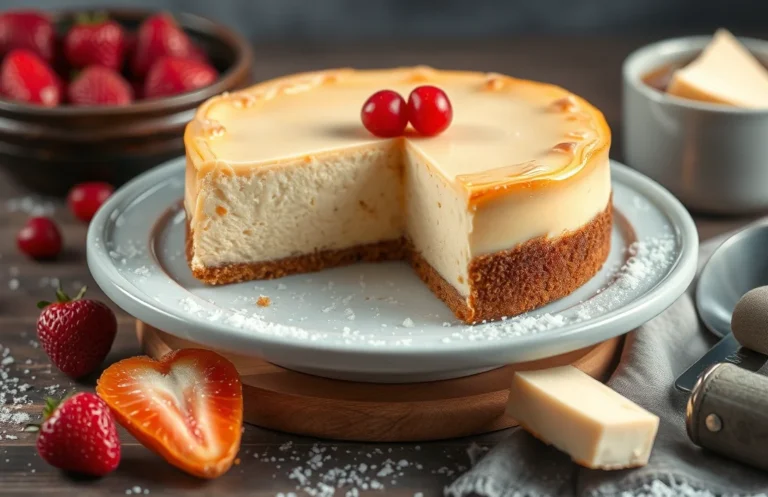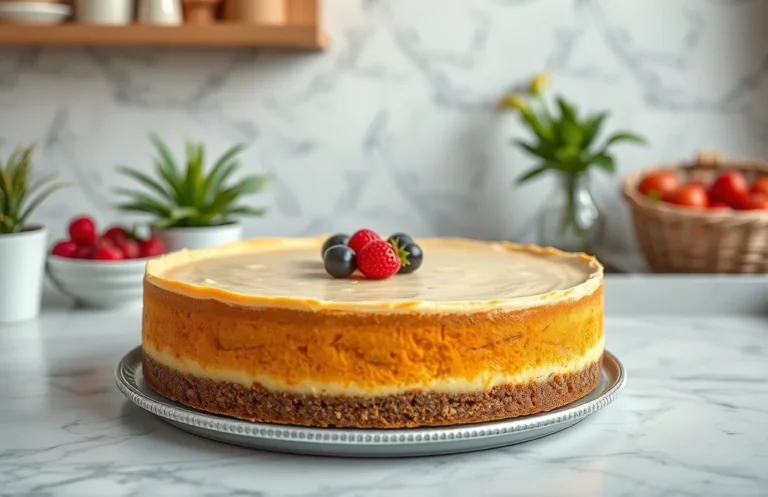
Cheesecake Slice Calorie Count: Recipes Under 300 Calories
Cheesecake is one of those desserts that feels like a warm hug — rich, creamy, and utterly indulgent. With its velvety texture and just the right amount of sweetness, it’s perfect for birthdays, holidays, or simply as a weeknight treat that makes you feel special. You can’t help but crave a slice!
Get ready for a delicious cheesecake recipe that takes 30 minutes of prep, bakes for about 60 minutes, and serves 8. It’s easy enough for a beginner but impressive enough for a crowd!
| Prep Time | Cook Time | Total Time | Servings | Difficulty |
|---|---|---|---|---|
| 30 minutes | 60 minutes | 90 minutes | 8 | Easy |
Cheesecake Origins and Specialties
Understanding the origins and specialties of cheesecake can provide insight into its calorie content and variations. Cheesecake has a rich history that spans cultures and regions, each contributing to its unique flavors and textures, which in turn affect its calorie count per slice.
History of Cheesecake
Cheesecake dates back to ancient Greece, where it was served to athletes during the first Olympic games in 776 B.C. The Romans later adopted this dessert, and it spread across Europe, evolving into the many forms we enjoy today.
Regional Variations
- New York Style: Dense and creamy, typically made with cream cheese, sour cream, and heavy cream — higher in calories, approximately 400-500 calories per slice.
- Ricotta Cheesecake: A lighter Italian version using ricotta cheese, often resulting in 300-400 calories per slice.
- No-Bake Cheesecake: Made with whipped cream and gelatin, generally lower in calories, around 250-350 calories per slice.
When to Serve Cheesecake
Cheesecake is a versatile dessert, perfect for celebrations or as a comforting treat. Whether served at a birthday party, holiday gathering, or simply as a weekend indulgence, understanding its calorie content can help in making mindful choices.
Chef’s tip: Consider portion control if you’re mindful of calorie intake. A smaller slice can satisfy your sweet tooth without overindulging.
| Cheesecake Type | Calories per Slice |
|---|---|
| New York Style | 400-500 |
| Ricotta Cheesecake | 300-400 |
| No-Bake Cheesecake | 250-350 |
Ingredients for Cheesecake
This section details the essential ingredients you’ll need to create a delicious cheesecake, focusing on their measurements and how they impact the calorie content per slice. Understanding these ingredients will help you make informed choices, whether you’re aiming for a classic New York-style cheesecake or a lighter version.
| Item | Amount/Specification | Notes |
|---|---|---|
| Cream Cheese | 16 ounces (450g) | Full-fat cream cheese is standard; low-fat can reduce calories. |
| Sugar | 1 cup (200g) | Granulated sugar; consider alternatives like stevia for lower calories. |
| Heavy Cream | ½ cup (120ml) | Richness can impact calorie count; use light cream for fewer calories. |
| Eggs | 3 large | Provides structure; you can substitute with egg whites for fewer calories. |
| Vanilla Extract | 1 teaspoon | Pure vanilla adds flavor without significant calories. |
| Crust (Graham Crackers) | 1 ½ cups (150g) crushed | Use whole wheat crackers for a healthier option. |
| Butter | ½ cup (115g) | Unsalted butter; can substitute with coconut oil for a different flavor. |
- Tip: Use a food processor to crush graham crackers for a finer crust.
- Warning: Avoid overmixing the cream cheese to prevent cracks during baking.
- Substitution: Vegan cream cheese can be used for a dairy-free option.
Essential Kitchen Equipment
To create the perfect cheesecake and accurately track the calories per slice, having the right kitchen equipment is key. This section outlines the essential tools you’ll need for mixing, baking, and prepping, ensuring your cheesecake turns out delicious and calorie-conscious.
- Mixing Bowls: Use a set of mixing bowls in varying sizes, preferably glass or stainless steel. You’ll need a large bowl (at least 4 quarts) for combining the filling ingredients and a smaller bowl for the crust. Ensure they are clean and dry to avoid any moisture that could affect the texture.
- Measuring Cups and Spoons: Accurate measurements are crucial for controlling the calorie content of your cheesecake. Use dry measuring cups for solid ingredients like flour and sugar, and liquid measuring cups for creams and liquids. Invest in a set that includes both standard and metric measurements for versatility.
- Electric Mixer: A hand mixer or stand mixer is essential for creaming your cream cheese and sugar until smooth. This should take about 2-3 minutes on medium speed. Make sure to scrape down the sides of the bowl to incorporate all ingredients evenly.
- Springform Pan: A 9-inch springform pan is ideal for cheesecakes, allowing for easy removal once baked. Ensure it is properly greased or lined with parchment paper to prevent sticking. For less mess, place a baking sheet underneath to catch any drips.
- Oven Thermometer: To ensure your cheesecake bakes at the correct temperature (usually 325°F or 160°C), an oven thermometer is a handy tool. Ovens can often be off by several degrees, impacting the cooking time and texture.
- Cooling Rack: Once baked, your cheesecake needs to cool gradually. A cooling rack allows for even air circulation around the cake. Let it cool in the pan for about 10 minutes before removing it to avoid cracks.
Step-by-Step Cheesecake Preparation
Understanding the preparation of cheesecake is essential not only for achieving that perfect slice but also for managing the calorie content of each serving. By following these detailed steps, you’ll ensure your cheesecake turns out delicious and you can calculate its calorie content accurately based on the ingredients used.
- Preparing the Crust: Start by preheating your oven to 350°F (175°C). In a mixing bowl, combine 1 ½ cups (150g) of crushed graham crackers, ½ cup (100g) of granulated sugar, and ½ cup (115g) of melted unsalted butter. Mix until the crumbs are evenly moistened. Press the mixture firmly into the bottom of a 9-inch (23cm) springform pan, ensuring it’s even and compact. Bake for 10 minutes until golden, then let it cool completely before adding the filling.
- Mixing the Filling: In a large bowl, beat 4 (8-ounce or 226g each) packages of softened cream cheese with an electric mixer on medium speed until smooth, about 2 minutes. Gradually add in 1 cup (200g) of granulated sugar and mix until fully combined. Add 1 teaspoon of vanilla extract and 4 large eggs, one at a time, mixing on low speed until just blended. The mixture should be creamy with no lumps. If using low-fat cream cheese, the texture may be slightly less rich, but it will reduce calories per slice.
- Baking and Cooling Times: Pour the filling over the cooled crust and smooth the top with a spatula. Bake in the preheated oven for 55-60 minutes until the edges are set but the center still jiggles slightly. Do not open the oven door during the first 45 minutes to prevent cracking. Once done, turn off the oven, crack the door open, and let the cheesecake cool for 1 hour. After cooling, refrigerate it for at least 4 hours, ideally overnight, to set completely. This cooling time helps enhance the flavor and texture.
| Ingredient | Amount |
|---|---|
| Graham Crackers (crushed) | 1 ½ cups (150g) |
| Granulated Sugar | 1 ½ cups (300g) |
| Unsalted Butter (melted) | ½ cup (115g) |
| Cream Cheese | 4 (8-ounce or 226g each) |
| Vanilla Extract | 1 teaspoon |
| Eggs | 4 large |
Pro Tips and Common Mistakes
Making a perfect cheesecake not only depends on the ingredients but also on the technique. Here are some essential tips to avoid common pitfalls that could affect both the texture of your cheesecake and its calorie content per slice.
- Avoiding Cracks: To prevent cracks in your cheesecake, make sure to mix the batter gently. Overmixing introduces too much air, which can expand and create cracks while baking. Also, bake the cheesecake in a water bath (bain-marie) to maintain moisture and even cooking, which helps keep it creamy and crack-free.
- Correct Baking Temperature: Always preheat your oven to 325°F (160°C) for cheesecakes. Baking at too high a temperature can cause the edges to set too quickly while the center remains undercooked, leading to a cracked surface. Your cheesecake should be slightly jiggly in the center when you take it out; it will continue to firm up as it cools.
- Cooling Tips: After baking, turn off the oven and leave the cheesecake inside for about an hour to cool gradually. This helps prevent sudden temperature changes that can cause cracks. Once cooled, let it sit at room temperature for an additional hour before refrigerating for at least 4 hours (or preferably overnight) to allow the flavors to meld and the texture to set properly.
Cheesecake Variations and Substitutions
Cheesecakes can be tailored to fit various dietary needs and flavor preferences, impacting their calorie content per slice. Understanding these variations can help you enjoy a delicious dessert while keeping an eye on calorie intake.
Gluten-Free Options
For those avoiding gluten, substituting the crust is key. Use gluten-free graham crackers or almond flour to create a base that maintains the cheesecake’s classic texture. Here’s a simple gluten-free crust recipe:
- 1 ½ cups gluten-free graham cracker crumbs (150g)
- ⅓ cup sugar (70g)
- ½ cup unsalted butter, melted (115g)
Mix these ingredients and press into the bottom of your pan. Bake at 350°F (175°C) for 10 minutes until lightly golden.
Vegan Cheesecake
Vegan cheesecakes can significantly lower calorie counts while still being rich and creamy. Substitute traditional cream cheese with:
- 1 ½ cups soaked cashews (225g)
- ½ cup coconut cream (120ml)
- ⅓ cup maple syrup (80ml)
Blend these ingredients until smooth, and pour over a crust made from oats and coconut oil. Bake at 350°F (175°C) for 25-30 minutes. This version typically has around 100-150 calories per slice, depending on the added sugar.
Flavor Variations
Experimenting with flavors can also affect the calorie count. For example, adding:
- Fruit purees (like raspberry or mango) can add flavor with minimal additional calories.
- Chocolate (1 ounce, 28g) can increase the calorie count by about 150 calories per slice.
Be mindful of how these ingredients contribute to the overall calorie content of your cheesecake.
| Variation | Calories per Slice |
|---|---|
| Traditional Cheesecake | 250-400 |
| Gluten-Free Cheesecake | 250-350 |
| Vegan Cheesecake | 100-150 |
Serving and Plating Suggestions
Serving your cheesecake with thoughtful garnishes and the right beverage pairings can elevate the experience and complement the flavor profile. Here are some practical tips on how to present your cheesecake beautifully and deliciously while being mindful of its calorie content.
- Garnishes and Toppings: Consider using fresh fruit such as sliced strawberries or blueberries (about ½ cup per serving) to add vibrant color and flavor without significantly increasing calorie count. You can also drizzle a light raspberry or chocolate sauce (about 1 tablespoon) for a touch of elegance. Just be mindful that sauces can add extra calories, so measure carefully.
- Pairing with Beverages: A well-chosen beverage can enhance your cheesecake experience. Opt for a cup of herbal tea or black coffee, which are low in calories. If you prefer something sweeter, consider a light dessert wine, but keep in mind that even a small glass (about 4 ounces) can add approximately 100 calories.
- Serving Temperatures: Cheesecake is best served chilled. Allow it to sit at room temperature for about 15-20 minutes before serving to soften slightly, which enhances the creaminess. If the cheesecake has been in the fridge for a while, it may feel too firm, so this step is crucial for the best texture.
Calorie Count Overview
Understanding the calorie content of different cheesecake types is essential for managing dietary choices, especially if you’re indulging in this creamy dessert. Here, we’ll provide an overview of the average calories per slice, present a comparative chart, and discuss the factors that can influence these numbers.
Average Calories per Slice
The calorie count in cheesecake can vary significantly based on ingredients and preparation methods. On average, a standard slice (about 1/12 of a 9-inch cheesecake) contains:
- Classic New York Cheesecake: 400-500 calories
- Chocolate Cheesecake: 450-550 calories
- Fruit-Topped Cheesecake: 350-450 calories
- Low-Fat Cheesecake: 250-350 calories
- Vegan Cheesecake: 300-400 calories
Comparative Chart
| Cheesecake Type | Calories per Slice |
|---|---|
| New York | 400-500 |
| Chocolate | 450-550 |
| Fruit-Topped | 350-450 |
| Low-Fat | 250-350 |
| Vegan | 300-400 |
Factors Influencing Calories
Several factors can influence the calorie content of cheesecake:
- Type of Cheese: Full-fat cream cheese significantly increases calories compared to lower-fat alternatives.
- Crust Ingredients: A buttery graham cracker crust adds more calories than a lighter alternative like a nut-based crust.
- Added Sugars: Sweeteners can vary; using less sugar or sugar substitutes will lower the calorie count.
- Toppings: Fruit, chocolate, or whipped cream toppings can add extra calories, so consider portion sizes.
By being aware of these factors, you can make more informed choices when enjoying your slice of cheesecake.
Quick Summary
| Prep Time | Cook Time | Total Time | Servings |
|---|---|---|---|
| 15 minutes | 60 minutes | 75 minutes | 8 slices |
- Preheat oven to 325°F (163°C) for even baking.
- Prepare crust using 1.5 cups of graham cracker crumbs and ½ cup of melted butter.
- Beat cream cheese until smooth before adding sugar and eggs for a creamy texture.
- Bake for 60 minutes until the center is slightly jiggly for the perfect set.
- Chill overnight in the refrigerator to enhance flavor and texture.
- Use full-fat cream cheese for rich flavor and smooth consistency.
- Allow cheesecake to cool gradually to prevent cracking.
- Slice with a hot knife for clean edges and a beautiful presentation.
Frequently Asked Questions
Can I make this cheesecake ahead of time? How to store and reheat?
You can absolutely make this cheesecake up to 2-3 days in advance. Store it covered in the refrigerator, and there’s no need to reheat; cheesecake is best enjoyed chilled.
What can I substitute for cream cheese?
If you need a substitute, you can use mascarpone cheese or a vegan cream cheese alternative, but this may slightly alter the flavor and texture.
How do I know when my cheesecake is done?
Your cheesecake is done when the edges are set, but the center still has a slight jiggle—about 1-2 inches in the middle. It will continue to firm up as it cools.
Can I freeze this cheesecake? How long does it last?
Yes, you can freeze your cheesecake for up to 2 months. Just wrap it tightly in plastic wrap and aluminum foil to prevent freezer burn.
Why did my cheesecake turn out cracked?
If your cheesecake has cracks, it may have been baked at too high a temperature; keep it around 325°F (160°C) for a gentle bake. Also, make sure to avoid overmixing the batter, which can incorporate too much air.

- Make Cheesecake Up to 3 Days Ahead: Tips for Best Flavor & Texture - March 4, 2026
- Easy No-Bake Cool Doen Cheesecake: Quick Recipe & Tips - March 4, 2026
- Decadent Dulce de Leche Cheesecake: Easy Step-by-Step Recipe - March 4, 2026