Low-Calorie Cheesecake: Delicious Small Slice Recipes to Enjoy
Cheesecake is that luscious dessert that turns any ordinary day into a celebration. With its creamy texture and rich flavor, it’s no wonder this classic has become a beloved favorite at gatherings and cozy dinners alike. Just imagine slicing into a velvety piece, each bite melting in your mouth—pure bliss!
In this guide, you’ll discover the calories in a small slice of cheesecake, along with recipes that keep the flavor high and the calories low. Expect prep time of 20 minutes, cook time of 60 minutes, and a servings yield of 8.
| Prep Time | Cook Time | Total Time | Servings | Difficulty |
|---|---|---|---|---|
| 20 minutes | 60 minutes | 80 minutes | 8 servings | Easy |
Cheesecake Origins and Specialties
Cheesecake is a beloved dessert that traces its roots back to ancient Greece, where it was served to athletes during the first Olympic Games. Over the centuries, this delightful dish has evolved into countless variations, each with its own unique twist, making it a staple for celebrations and gatherings.
What makes cheesecake special is its creamy texture and rich flavor, often enhanced with ingredients like fruits, chocolate, or caramel. Traditionally served at weddings and festive occasions, cheesecake can also be enjoyed on a casual weekday evening with a cup of coffee.
- Origin: Ancient Greece, later popularized in Rome and New York.
- Key Ingredients: Cream cheese, sugar, eggs, and a crust (often made with graham crackers).
- Special Variations: New York style, Italian ricotta, and no-bake cheesecakes.
- When to Serve: Ideal for birthdays, holidays, or a simple dessert after dinner.
“Chef’s tip: A small slice of cheesecake can satisfy your sweet tooth while keeping calorie counts in check, allowing you to indulge without the guilt.”
| Type of Cheesecake | Calories per Small Slice (1 oz) |
|---|---|
| New York Style | 80-100 |
| Chocolate Cheesecake | 90-110 |
| Fruit Topped Cheesecake | 70-90 |
Understanding the calorie content in a small slice of cheesecake can help you enjoy this dessert more mindfully. With the right recipes, you can create lighter versions that still pack a punch in flavor while keeping those calories in check.
Ingredients for Small Slice Cheesecake
This section provides a detailed list of the ingredients needed to create a delicious small slice cheesecake. Knowing the exact measurements is crucial for achieving the perfect balance of flavors and textures, especially when you’re mindful of calories in each small slice.
| Item | Amount/Specification | Notes |
|---|---|---|
| Cream Cheese | 8 oz (227g) | Softened to room temperature for easy mixing |
| Sugar | ¼ cup (50g) | Granulated sugar; adjust for sweetness preference |
| Eggs | 1 large | Room temperature for better incorporation |
| Vanilla Extract | 1 teaspoon (5ml) | Enhances flavor |
| Graham Cracker Crust | ½ cup (50g) crushed | Mixed with 2 tablespoons (28g) melted butter |
- For a gluten-free version, substitute the graham cracker crust with almond flour or a gluten-free cookie option.
- Ensure that your cream cheese is fully softened to avoid lumps in the batter.
- Mix the crust ingredients until they’re well combined and moistened, resembling wet sand.
- Common mistake: Don’t overmix the cream cheese batter after adding the eggs; this can lead to cracks during baking.
Essential Kitchen Equipment
To create a delicious cheesecake while keeping the calorie count in check, having the right kitchen equipment is essential. This section outlines the tools you’ll need to prepare a perfectly portioned cheesecake and ensure that every small slice is as delightful as it is low-calorie.
- Mixing Bowls: You’ll need at least two mixing bowls—one for the crust and one for the filling. I recommend a large bowl (at least 4 quarts) for the filling to allow for easy mixing and combining without splatter. Look for bowls that are sturdy and preferably glass for even mixing.
- Springform Pan: A 9-inch springform pan is ideal for cheesecake, allowing you to easily release the cake without damaging its edges. Ensure that it seals well to prevent leaks, especially if you’re adding a water bath for baking, which helps keep the cheesecake moist.
- Electric Mixer: A handheld or stand mixer will save you time and effort when blending the cream cheese and sugar until smooth. Start on a low speed to avoid splattering, then gradually increase to medium-high until the mixture is creamy and free of lumps—this should take about 2-3 minutes.
- Oven Preparation: Preheat your oven to 325°F (163°C) to ensure even baking. Line the bottom of the springform pan with parchment paper to prevent sticking. If using a water bath, wrap the outside of the pan with aluminum foil to prevent water from seeping in, and place it in a larger baking dish filled with hot water.
Step-by-Step Cooking Instructions
This section provides detailed cooking instructions for making a delicious cheesecake while keeping calorie counts in mind. Following these steps will ensure your cheesecake is perfectly baked and chilled, allowing you to enjoy a small slice without guilt!
- Preheat the Oven: Begin by preheating your oven to 350°F (175°C). This temperature is perfect for baking cheesecake, ensuring a creamy texture without cracking. Allow the oven to fully preheat for about 15 minutes before placing your cheesecake inside.
- Prepare the Crust: In a mixing bowl, combine 1 cup (100g) of graham cracker crumbs, 2 tablespoons (30g) of granulated sugar, and 4 tablespoons (60g) of melted unsalted butter. Mix until the crumbs are fully coated and resemble wet sand. Press this mixture firmly into the bottom of a 9-inch springform pan, creating an even layer. Bake for 8-10 minutes until lightly golden, then remove and let cool.
- Mix the Filling: In a large bowl, beat 16 ounces (450g) of cream cheese until smooth and creamy, about 2-3 minutes. Gradually add ½ cup (100g) of granulated sugar and mix until well combined. Then, add 2 large eggs, one at a time, mixing on low speed to avoid incorporating too much air. Finally, mix in 1 teaspoon of vanilla extract and ½ cup (120ml) of sour cream until the filling is smooth.
- Bake and Chill: Pour the filling over the cooled crust and smooth the top with a spatula. Bake in the preheated oven for 45-50 minutes. The edges should be set, while the center remains slightly jiggly. Once baked, turn off the oven and leave the cheesecake inside for 1 hour to cool gradually. Afterward, refrigerate for at least 4 hours, preferably overnight, to set completely before slicing.
Pro Tips and Common Mistakes
Perfecting your cheesecake requires attention to detail, especially when you’re aiming for a small slice with fewer calories. This section will help you avoid common pitfalls that can lead to cracks or an undesirable texture, ensuring your cheesecake is both delicious and visually appealing.
- Avoiding Cracks: To prevent cracks in your cheesecake, avoid overmixing the batter. Mix just until the ingredients are combined and smooth, which usually takes about 2-3 minutes on low speed. Additionally, bake your cheesecake in a water bath at 325°F (160°C) to maintain even temperature and moisture, which helps prevent cracking.
- Perfect Texture: For a creamy texture, ensure all ingredients, especially cream cheese, are at room temperature before mixing. This allows for a smoother batter. Beat the cream cheese for about 3-4 minutes until it’s fluffy and free of lumps before adding the eggs. Remember, overbaking can lead to a dry cheesecake, so aim for an internal temperature of 150°F (65°C) and take it out when the edges are set but the center still jiggles slightly.
- Cooling Tips: After baking, let your cheesecake cool in the oven with the door ajar for about 1 hour. This gradual cooling process helps prevent cracks due to sudden temperature changes. Once it’s at room temperature, refrigerate for at least 4 hours, or ideally overnight, to allow flavors to meld and the cheesecake to set properly.
Cheesecake Variations and Modifications
This section highlights creative variations of cheesecake that cater to different dietary preferences while keeping the calorie count for a small slice in mind. These modifications allow you to enjoy the rich flavors of cheesecake without compromising your health goals.
Gluten-Free Options
For those avoiding gluten, you can easily modify the crust. Here’s a gluten-free crust recipe:
- 1 ½ cups gluten-free graham cracker crumbs (150g)
- ⅓ cup unsalted butter, melted (75g)
- 2 tablespoons sugar (25g)
Mix these ingredients and press them into the bottom of a springform pan. Bake at 350°F (175°C) for 10 minutes until slightly golden. This crust will stay firm and delicious, yielding a small slice with approximately 200 calories.
Vegan Cheesecake
For a plant-based version, here’s a simple recipe:
- 1 ½ cups cashews, soaked for at least 4 hours (225g)
- ½ cup coconut cream (120ml)
- ⅓ cup maple syrup (80ml)
- 1 tablespoon lemon juice (15ml)
Blend the soaked cashews, coconut cream, maple syrup, and lemon juice until smooth. Pour into a crust of your choice (gluten-free or regular) and refrigerate for at least 4 hours. Each small slice contains around 180 calories.
Flavor Variations
Experimenting with flavors can keep your cheesecake exciting. Consider these additions:
- Chocolate: Add ½ cup cocoa powder (50g) to the filling.
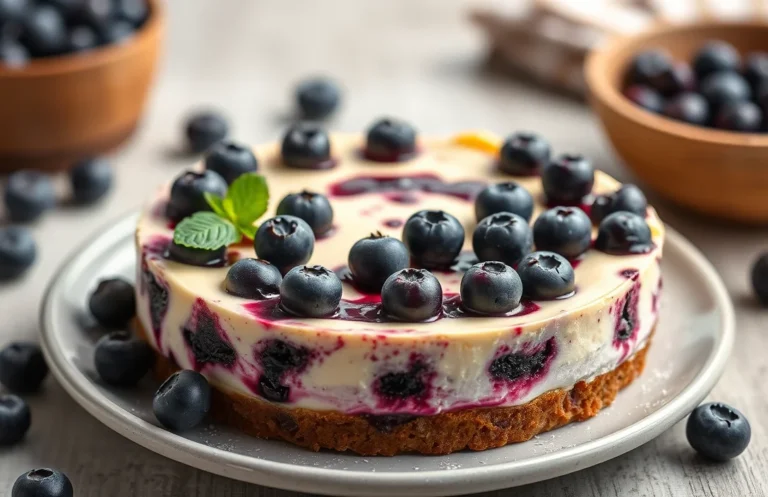
- Fruit: Swirl in ½ cup fruit puree (120ml) like strawberry or blueberry before baking.
- Spices: Incorporate 1 teaspoon vanilla extract or 1 teaspoon cinnamon for warmth.
Chef’s tip: Always taste your filling before baking to adjust sweetness or flavor!
| Cheesecake Type | Calories per Small Slice |
|---|---|
| Classic Cheesecake | 250 |
| Gluten-Free | 200 |
| Vegan Cheesecake | 180 |
Serving and Plating Suggestions
Presenting your cheesecake in a delightful way enhances the overall experience, especially when considering the enjoyment of a small slice. By thoughtfully pairing flavors and using appealing plating techniques, you can elevate the simple act of serving cheesecake into a memorable occasion.
Pairing with Fruits
- Fresh Berries: Strawberries, blueberries, or raspberries not only add a pop of color but also provide a refreshing tartness that balances the richness of cheesecake. Try placing a few on top of each slice or alongside it for a vibrant presentation.
- Citrus Segments: Slices of orange or grapefruit can brighten the flavor profile and offer a zesty contrast. Consider arranging these around the cheesecake on the plate for an elegant touch.
Drizzle Ideas
- Chocolate Sauce: A light drizzle of chocolate sauce can add an indulgent flair. Warm the sauce slightly before drizzling to make it easier to control the flow and create beautiful patterns.
- Caramel or Fruit Puree: A homemade caramel sauce or a berry puree can enhance sweetness while adding a glossy finish. Use a squeeze bottle for precision in your designs.
Serving Size Tips
- Small Slices: Aim for slices that are about 2 inches wide. This size allows you to savor the cheesecake while keeping calorie counts in check, typically around 150-250 calories per slice, depending on the recipe.
- Accompaniment: Serve small slices with a dollop of whipped cream or a scoop of sorbet to complement the cheesecake without overwhelming it. This offers a delightful contrast in texture and flavor.
Quick Summary
| Prep Time | 20 minutes |
|---|---|
| Cook Time | 50 minutes |
| Total Time | 1 hour 10 minutes |
| Servings | 12 small slices |
- Preheat oven: Set to 325°F (163°C) before mixing ingredients.
- Crust prep: Use 1 ½ cups graham cracker crumbs with ½ cup melted butter.
- Mix carefully: Beat cream cheese until smooth, then add eggs one at a time.
- Bake in water bath: This helps maintain moisture and prevents cracks.
- Chill thoroughly: Refrigerate for at least 4 hours for best texture and flavor.
- Use full-fat cream cheese: It gives the best flavor and creamy texture.
- Cool gradually: Turn off the oven and leave the cheesecake inside for 30 minutes to prevent sudden temperature changes.
Frequently Asked Questions
Can I make this cheesecake ahead of time? How to store and reheat?
You can absolutely make this cheesecake up to 2 days in advance. Store it in the refrigerator, covered tightly with plastic wrap, and serve it cold without reheating for the best texture.
What can I substitute for cream cheese?
You can substitute cream cheese with an equal amount of mascarpone cheese for a lighter texture or use 1 cup of Greek yogurt combined with 8 ounces of sour cream for a tangy twist. Just keep in mind that the calorie count may vary slightly.
How do I know when the cheesecake is done?
The cheesecake is done when the edges are set but the center still has a slight jiggle and looks glossy. It should not be completely firm as it will continue to set as it cools.
Can I freeze this cheesecake? How long does it last?
You can freeze the cheesecake for up to 3 months; just wrap it tightly in plastic wrap and then aluminum foil. Thaw it in the refrigerator overnight before serving for the best flavor and texture.
Why did my cheesecake turn out too dense?
Your cheesecake may have turned out dense if you overmixed the batter or baked it at too high a temperature. Aim for a gentle mix until just combined and bake at 325°F for the best results.

- Decadent Peanut Butter No-Bake Cheesecake: Easy Recipe to Indulge - April 3, 2026
- Delicious Mango No-Bake Cheesecake: Step-by-Step Recipe - April 3, 2026
- Decadent Raspberry No-Bake Cheesecake: Easy Step-by-Step Recipe - April 3, 2026