Cheesecake Ingredients Explained: Recipes & Substitution Tips
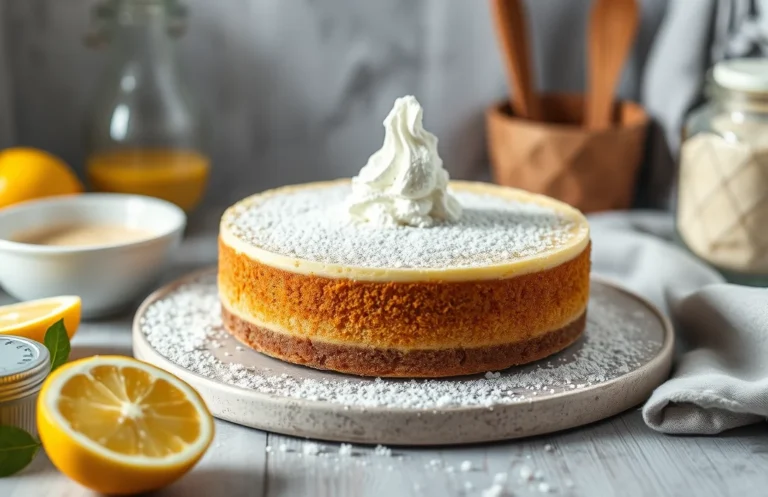
Cheesecake is one of those desserts that can transform any occasion into something special. Its creamy texture and rich flavor make it a favorite for celebrations, family dinners, or simply a cozy night in. Picture a slice of velvety cheesecake topped with fresh berries or drizzled with chocolate—it’s pure bliss!
In this guide, you’ll discover key cheesecake ingredients, along with variations and substitutions to suit your taste. I’ll share a straightforward recipe that takes about 1 hour and 15 minutes from start to finish and serves 8 people with a moderate level of difficulty.
| Prep Time | Cook Time | Total Time | Servings | Difficulty |
|---|---|---|---|---|
| 20 minutes | 55 minutes | 1 hour 15 minutes | 8 | Moderate |
Cheesecake History
Understanding the history of cheesecake provides a rich context for its evolution and significance in various cultures. This delectable dessert has traveled through time, reflecting the tastes and traditions of different eras and occasions.
- Origin of Cheesecake: The earliest known cheesecake dates back to ancient Greece around 2000 B.C., where it was made with simple ingredients like cheese, honey, and flour. It was served to athletes during the first Olympic Games as a source of energy.
- Cultural Significance: Over the centuries, cheesecake has taken many forms across cultures. In Italy, the ricotta-based cheesecake is a staple during festive occasions, while the New York-style cheesecake, rich and dense, has become a beloved classic worldwide. Each variation reflects the local ingredients and culinary practices, making cheesecake a symbol of cultural identity.
- When to Serve Cheesecake: Cheesecake is a versatile dessert perfect for a wide array of occasions, from birthdays and weddings to holidays and casual gatherings. Its rich flavor and creamy texture make it a crowd-pleaser, often served with fruit compotes or chocolate drizzles to enhance its appeal.
Essential Cheesecake Ingredients
Understanding the essential ingredients of cheesecake is crucial for creating a delicious and creamy dessert. Each component plays a significant role in achieving the perfect texture and flavor. Below, you’ll find a detailed list of the ingredients you’ll need, along with some helpful notes for substitutions and variations.
| Item | Amount/Specification | Notes |
|---|---|---|
| Cream Cheese | 450g (16 oz) | Softened to room temperature for easy mixing. |
| Sugar | 150g (¾ cup) | Granulated sugar works best; alternatives can be used for sweetness. |
| Eggs | 3 large | Bring to room temperature for better incorporation. |
| Sour Cream | 200g (¾ cup) | Adds creaminess; Greek yogurt can be substituted. |
| Crust Ingredients | See below | Traditional crust is made from graham crackers. Consider gluten-free options if needed. |
Crust Ingredients
- 150g (1 ½ cups) graham cracker crumbs
- 75g (⅓ cup) unsalted butter, melted
- 50g (¼ cup) sugar (optional, for sweetness)
Chef’s tip: For a more flavorful crust, try adding a pinch of cinnamon or nutmeg to the graham cracker mixture.
Remember to prepare your ingredients ahead of time. Make sure your cream cheese is fully softened to avoid lumps in your cheesecake batter. If you have dietary restrictions, feel free to experiment with the suggested substitutions!
Necessary Kitchen Equipment
Creating a delicious cheesecake requires some specific kitchen tools to ensure everything comes together seamlessly. Having the right equipment allows for precise mixing, baking, and serving, which are essential for achieving that perfect texture and flavor.
- Springform Pan: A 9-inch (23 cm) springform pan is ideal for baking cheesecake, as its removable sides allow for easy release without damaging the delicate dessert. Make sure to grease the bottom and sides lightly with butter or line them with parchment paper for extra insurance against sticking.
- Mixer: A stand mixer or hand mixer will make the cream cheese mixture smooth and fluffy. Use a paddle attachment on a stand mixer to combine the cream cheese, sugar, and eggs evenly. Mix on medium speed until the mixture is light and creamy, about 3-4 minutes, ensuring there are no lumps left behind.
- Baking Sheet: Place your springform pan on a baking sheet before putting it in the oven. This prevents any leaks from the pan from making a mess in your oven. It also helps with even baking, as the sheet absorbs some of the heat, preventing the cheesecake from browning too quickly.
Chef’s tip: Always use room temperature ingredients for the filling. This ensures a smoother batter and helps eliminate lumps.
Cooking Instructions
In this section, we’ll go through the step-by-step process of making a classic cheesecake, from preparing the crust to baking and cooling. This hands-on approach will help you understand how each ingredient comes together to create a creamy, delicious dessert.
- Preheat Oven: Begin by preheating your oven to 325°F (163°C). This temperature is ideal for baking cheesecake, ensuring it cooks evenly without cracking. Allow the oven to fully preheat while you prepare the crust.
- Prepare Crust: In a mixing bowl, combine 1 ½ cups (150g) of graham cracker crumbs, ½ cup (100g) of granulated sugar, and ½ cup (115g) of melted unsalted butter. Stir the mixture until it’s well combined and resembles wet sand. Press this mixture firmly into the bottom of a 9-inch (23cm) springform pan, creating an even layer. Bake the crust for 10 minutes until lightly golden and fragrant, then remove it from the oven and let it cool.
- Mix Filling: In a large bowl, beat 24 ounces (680g) of softened cream cheese using an electric mixer until smooth and creamy, about 2-3 minutes. Gradually add 1 cup (200g) of granulated sugar, 1 teaspoon of vanilla extract, and 3 large eggs, mixing well after each addition. The mixture should be smooth and slightly fluffy, with no lumps. If desired, you can substitute Greek yogurt or sour cream for a tangy flavor.
- Bake Cheesecake: Pour the cream cheese filling over the cooled crust in the springform pan. Bake in the preheated oven for 50-60 minutes, or until the edges are set and the center has a slight jiggle. Do not open the oven door during the first 40 minutes to prevent cracks. The cheesecake should be slightly puffed and lightly golden around the edges.
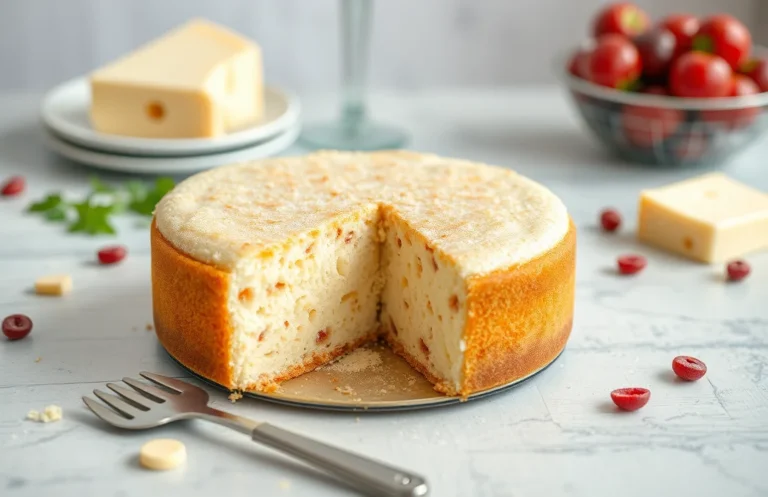
- Cool and Chill: Once baked, turn off the oven and crack the door open. Let the cheesecake cool in the oven for 1 hour to prevent sudden temperature changes. Afterward, remove it and let it cool completely at room temperature. Cover with plastic wrap and refrigerate for at least 4 hours, preferably overnight, before serving. This chilling time allows the flavors to meld and the texture to set properly.
Pro Tips and Mistakes
Creating the perfect cheesecake requires attention to detail, especially in the mixing and cooling phases. Avoiding common pitfalls will ensure your cheesecake is smooth, creamy, and crack-free. Here are some essential tips to help you achieve cheesecake perfection.
- Avoid Cracks: To prevent cracks in your cheesecake, make sure to bake it in a water bath. This gentle heat helps the cheesecake cook evenly and reduces the likelihood of cracking. Additionally, avoid overmixing the batter; mix just until combined. Overmixing introduces air, which can lead to cracks as the cheesecake bakes and cools.
- Correct Mixing Techniques: Use room temperature ingredients, especially cream cheese, eggs, and sour cream, to ensure a smooth batter. Cold ingredients can cause lumps. When mixing, begin at a low speed to avoid incorporating too much air, then increase to medium speed just until everything is combined. This will help maintain a dense and creamy texture.
- Cooling Tips: After baking, turn off the oven and crack the door open, allowing the cheesecake to cool gradually. This step helps prevent sudden temperature changes that can cause cracks. Once cooled to room temperature, refrigerate for at least 4 hours (preferably overnight) to allow the flavors to meld and the cheesecake to set properly.
Variations and Substitutions
Cheesecake can be adapted to fit various dietary needs and flavor preferences. Whether you’re looking for gluten-free options, vegan alternatives, or simply want to experiment with different flavors, there are plenty of ways to make this classic dessert your own. Below are some ideas for ingredient substitutions and variations that can cater to different tastes and dietary restrictions.
Gluten-Free Options
| Item | Amount/Specification | Notes |
|---|---|---|
| Crust | 1 ½ cups gluten-free graham cracker crumbs | Use store-bought or make your own with gluten-free cookies. |
| Flour | 2 tablespoons cornstarch | To replace all-purpose flour in the filling. |
Vegan Alternatives
| Item | Amount/Specification | Notes |
|---|---|---|
| Cream Cheese | 2 cups soaked cashews | Soak cashews for at least 4 hours for a creamy texture. |
| Sour Cream | 1 cup coconut yogurt | Choose unsweetened for a balanced flavor. |
Flavor Variations
- Chocolate Cheesecake: Add ½ cup unsweetened cocoa powder to the cream cheese mixture.
- Berry Swirl: Fold in 1 cup of pureed berries before pouring into the crust.
- Matcha Cheesecake: Mix in 2 tablespoons matcha powder for a unique flavor and color.
Chef’s tip: Always taste your mixture before pouring it into the crust to ensure the flavor is just right!
Serving and Plating Suggestions
When it comes to serving cheesecake, presentation can elevate the experience from delicious to truly spectacular. Here are some ideas for garnishes, beverage pairings, and the best serving temperatures to ensure your cheesecake shines at any gathering.
Garnishes
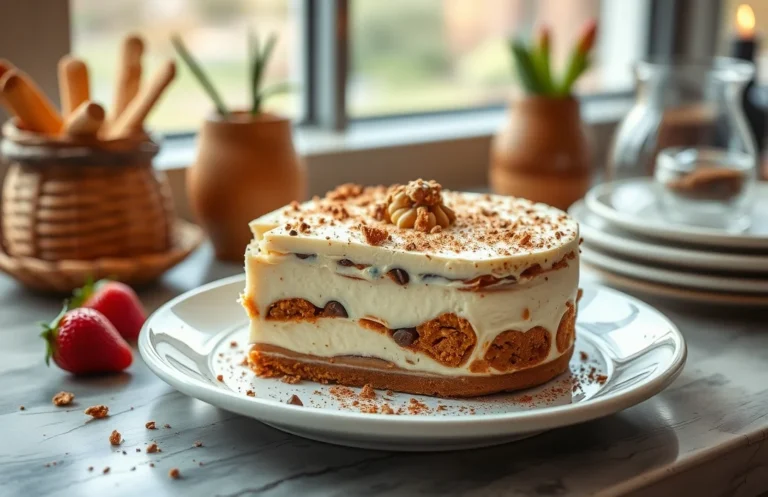
- Fresh Berries: Top your cheesecake with a mix of strawberries, blueberries, and raspberries for a pop of color and freshness.
- Chocolate Drizzle: Melt ½ cup of semi-sweet chocolate chips and drizzle over the cheesecake for a rich finish.
- Whipped Cream: Dollop freshly whipped cream made from 1 cup of heavy cream, whipped until soft peaks form.
- Caramel Sauce: A drizzle of homemade or store-bought caramel adds a lovely sweetness.
Pairing Beverages
Complement your cheesecake with drinks that enhance its flavors:
- Sweet Wines: A glass of Moscato or Riesling pairs beautifully with the creaminess of cheesecake.
- Coffee: A rich espresso or a creamy latte balances the sweetness of the cheesecake.
- Tea: Consider a light chamomile or a robust Earl Grey for a delightful pairing.
Serving Temperatures
Cheesecake is best enjoyed chilled. Aim for a serving temperature of 45°F to 55°F (7°C to 13°C) for optimal flavor. Let the cheesecake sit at room temperature for 15-20 minutes before serving to enhance its creamy texture.
Chef’s tip: If the cheesecake cracks during baking, a topping of whipped cream or fruit will beautifully conceal any imperfections!
Quick Summary
| Prep Time | 15 minutes |
|---|---|
| Cook Time | 60 minutes |
| Total Time | 1 hour 15 minutes |
| Servings | 8 servings |
- Crust Formation: Mix 1 ½ cups crushed graham crackers with ½ cup melted butter.
- Cheese Mixture: Blend 2 cups cream cheese with 1 cup sugar until smooth.
- Egg Incorporation: Add 3 large eggs one at a time, mixing well after each.
- Bake: Place in a preheated 325°F oven for 60 minutes.
- Cooling: Allow to cool completely before refrigerating for at least 4 hours.
- Tip 1: Use room temperature cream cheese for a smoother texture.
- Tip 2: Avoid overmixing to prevent cracks on the surface.
- Tip 3: Bake in a water bath for even heat distribution.
Frequently Asked Questions
Can I make this cheesecake ahead of time? How do I store and reheat it?
You can absolutely make cheesecake ahead of time; it actually tastes better after chilling for at least 4 hours, or overnight. Store it in the refrigerator, covered tightly with plastic wrap, and do not reheat; serve it cold or at room temperature for the best texture.
What can I substitute for cream cheese?
If you’re out of cream cheese, you can use mascarpone cheese or a mixture of ricotta and sour cream for a similar texture and flavor. Just keep in mind that the taste and richness may vary slightly.
How do I know when my cheesecake is done?
Your cheesecake is done when the edges are set but the center still has a slight jiggle; it will continue to firm up as it cools. It should also not be browning on top, which indicates overcooking.
Can I freeze cheesecake? How long does it last?
You can freeze cheesecake for up to 3 months if wrapped tightly in plastic wrap and then aluminum foil. Thaw it in the refrigerator overnight before serving for the best texture.
What if I don’t have a springform pan?
If you don’t have a springform pan, you can use a regular round cake pan lined with parchment paper; just be sure to let the cheesecake cool completely before attempting to remove it. A gentle run around the edges with a knife can help release it from the pan.

- Make Cheesecake Up to 3 Days Ahead: Tips for Best Flavor & Texture - March 4, 2026
- Easy No-Bake Cool Doen Cheesecake: Quick Recipe & Tips - March 4, 2026
- Decadent Dulce de Leche Cheesecake: Easy Step-by-Step Recipe - March 4, 2026