Perfect Cheesecake Crusts: 5 Easy Recipes for Every Taste
There’s something incredibly satisfying about biting into a perfectly baked cheesecake, and the crust is the unsung hero of this beloved dessert. Whether it’s a buttery graham cracker base or a nutty almond crust, the right foundation can elevate your cheesecake from good to unforgettable. Imagine that delightful crunch paired with the creamy filling—pure bliss!
Get ready to master the art of cheesecake crust with this guide featuring three tested recipes: classic graham cracker, gluten-free almond, and rich Oreo. Each recipe comes with exact measurements, step-by-step instructions, and tips for achieving the best flavor and texture. Total time: 30 minutes, Difficulty: Easy, Servings: 8.
| Prep Time | Cook Time | Total Time | Servings | Difficulty |
|---|---|---|---|---|
| 15 minutes | 15 minutes | 30 minutes | 8 | Easy |
Origin of Cheesecake Crust
The cheesecake crust has a rich history that dates back to ancient Greece, where early versions of cheesecake were made using simple ingredients. Understanding its origins helps us appreciate the evolution of flavors and textures that have shaped the modern cheesecake we love today.
- Ancient Roots: The earliest known cheesecake recipes come from ancient Greece, where they were made from a mixture of cheese, honey, and wheat flour. These early cakes were considered a source of energy for athletes during the Olympic Games.
- Medieval Innovations: As cheesecake recipes spread throughout Europe, particularly in Italy and France, bakers began to experiment with different crusts. The introduction of pastry dough and various sweeteners transformed the texture and flavor of cheesecakes.
- American Adaptation: The graham cracker crust became popular in the United States in the late 19th century. With the rise of home baking, this easy-to-make crust using crushed graham crackers, butter, and sugar became a staple in American cheesecakes.
- Modern Variations: Today, cheesecake crusts have diversified to include gluten-free options, nut-based crusts, and even cookie crusts. This adaptation reflects the changing dietary preferences and the desire for unique flavor combinations.
Understanding the evolution of the cheesecake crust not only connects us to culinary history but also inspires creativity in our modern baking endeavors.
Ingredients for Cheesecake Crusts
In this section, we will cover the essential ingredients needed to create different types of cheesecake crusts, ensuring you have everything you need for a perfect foundation. Whether you prefer the classic graham cracker crust, a nut-based alternative, or a gluten-free option, you’ll find precise measurements and specifications for each type.
| Item | Amount/Specification | Notes |
|---|---|---|
| Graham Crackers | 1 ½ cups (150g) crushed | Use plain graham crackers for traditional flavor. |
| Unsalted Butter | ½ cup (115g) melted | Make sure it’s fully melted for proper binding. |
| Granulated Sugar | ¼ cup (50g) | Optional for sweetness in the crust. |
| Nuts (e.g., almonds, pecans) | 1 ½ cups (150g) finely chopped | For nut-based crusts, choose your favorite nuts. |
| Gluten-Free Cookies | 1 ½ cups (150g) crushed | Choose gluten-free cookies for a gluten-free crust. |
| Cocoa Powder | 2 tablespoons (15g) | Add for a chocolate flavor in nut or cookie crusts. |
- For a firmer crust, press down firmly when forming the base in the pan.
- Use a food processor for quick and even crushing of graham crackers or nuts.
- Ensure your butter is fully melted and not cooled; this helps in mixing.
- For nut allergies, you can substitute nuts with additional crushed cookies.
- To avoid a soggy crust, pre-bake at 350°F (175°C) for 10 minutes.
Essential Kitchen Equipment
Having the right kitchen equipment is crucial for making a perfect cheesecake crust. Each tool plays a specific role in ensuring that your crust is flavorful, textured, and holds together beautifully. Here’s what you’ll need to get started.
- Mixing Bowls: Use medium to large mixing bowls for combining your crust ingredients. A glass or stainless-steel bowl is preferred so you can see the texture as you mix. Aim for a bowl that can hold at least 4 cups (950ml) to accommodate all the ingredients without spilling.
- Food Processor: A food processor is essential for achieving a fine crumb texture, especially for graham crackers, nuts, or cookies. Pulse until you have a uniform consistency, resembling sand. If you don’t have a food processor, you can place the ingredients in a resealable plastic bag and crush them with a rolling pin, though it may take a bit longer.
- Measuring Cups and Spoons: Accurate measurements are vital for the crust to hold together correctly. Use dry measuring cups for solids like crumbs and nuts, and liquid measuring cups for melted butter. Make sure to level off the measuring cups for precise amounts—this can make a significant difference in texture.
Chef’s tip: If you’re using nuts or gluten-free cookies for your crust, make sure to pulse them finely to ensure a cohesive texture.
Step-by-Step Crust Preparation
Creating the perfect cheesecake crust is essential for a delicious dessert. This section will guide you through three different methods: the classic graham cracker crust, a nut-based option for gluten-free lovers, and an alternative cookie crust for those wanting something different. Each method will provide a unique flavor and texture, enhancing your cheesecake experience.
Graham Cracker Crust
- Preheat your oven to 350°F (175°C). This temperature will ensure a nicely baked crust that holds its shape. Gather 1 ½ cups of graham cracker crumbs (150g), ½ cup of granulated sugar (100g), and ½ cup of unsalted butter, melted (115g).
- In a medium bowl, combine the graham cracker crumbs and sugar. Mix until evenly distributed, and then pour in the melted butter. Use a fork to blend until the mixture resembles wet sand.
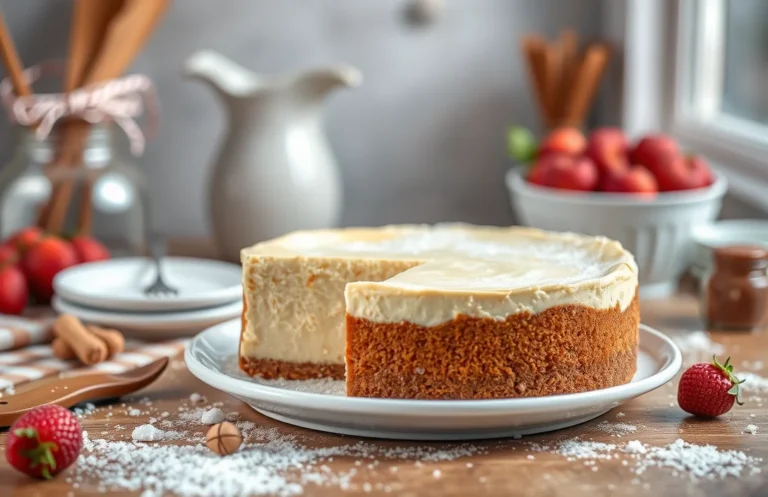
- Press the mixture firmly into the bottom and slightly up the sides of a 9-inch (23cm) springform pan. Use the bottom of a measuring cup to create an even layer. Bake for 8-10 minutes, until fragrant and lightly golden. Let it cool before adding your cheesecake filling.
Nut-Based Crust
- Preheat your oven to 350°F (175°C). Gather 1 ½ cups of almond flour (150g), ¼ cup of granulated sugar (50g), and ¼ cup of melted coconut oil (60ml) for a gluten-free option.
- In a bowl, mix the almond flour and sugar, then stir in the melted coconut oil until well combined. The mixture should be slightly sticky.
- Press the mixture into the bottom of a 9-inch (23cm) springform pan. Ensure it’s evenly distributed. Bake for 10-12 minutes until golden brown and fragrant. Allow it to cool before pouring in your cheesecake batter.
Alternative Cookie Crust
- Preheat your oven to 350°F (175°C). You will need 1 ½ cups of crushed chocolate cookies (150g) and ½ cup of unsalted butter, melted (115g).
- In a mixing bowl, combine the crushed cookies with the melted butter. Stir until the mixture is well combined and resembles wet sand.
- Press the cookie mixture into a 9-inch (23cm) springform pan, making sure to cover the bottom and sides evenly. Bake for 8-10 minutes, until set. Allow it to cool before adding your cheesecake filling.
Pro Tips for Perfect Crust
Creating the perfect cheesecake crust involves more than just gathering the right ingredients; it requires attention to texture and flavor enhancements. Here are some essential tips to help you achieve a crust that complements your cheesecake beautifully.
Texture Tips
- Choose the right crumbs: For a traditional graham cracker crust, use 1 ½ cups (150g) of finely crushed graham crackers. The finer the crumbs, the more cohesive your crust will be.
- Moisture balance: Add ½ cup (100g) of granulated sugar and 5 tablespoons (70g) of melted butter to your crumbs. This mixture should feel like wet sand when combined, ensuring a firm yet tender crust.
- Press firmly: After combining your ingredients, use the back of a measuring cup to press the crust mixture into the bottom of your pan. Press down evenly for about 5-7 minutes to create a solid base that won’t crumble when sliced.
Flavor Enhancements
- Add spices: For an extra layer of flavor, mix in 1 teaspoon of cinnamon or nutmeg with your crumbs. This subtle enhancement will elevate your crust and provide warmth in every bite.
- Incorporate nuts: For a gluten-free version, replace graham crackers with 1 ½ cups (150g) of finely ground almonds or pecans, combined with 2 tablespoons (30g) of melted coconut oil. This nutty base brings a delightful crunch and richness.
- Experiment with cookies: Swap graham crackers for 1 ½ cups (150g) of crushed Oreos or digestive biscuits for a different flavor profile. The added sweetness of these cookies can complement various cheesecake flavors beautifully.
Chef’s tip: Always bake your crust at 350°F (175°C) for 8-10 minutes to set it before adding the filling, ensuring it maintains its structure.
Variations and Substitutions
Creating the perfect cheesecake crust can be tailored to fit various dietary needs and personal preferences. Whether you’re looking for vegan options or sugar-free alternatives, there are plenty of ways to adapt your crust while maintaining flavor and texture.
Vegan Options
If you’re aiming for a vegan cheesecake crust, you can easily substitute traditional ingredients with plant-based alternatives. Here’s a simple recipe for a vegan crust:
- 1 ½ cups almond flour (150g)
- 2 tablespoons coconut oil, melted
- 2 tablespoons maple syrup
- Pinch of salt
- In a mixing bowl, combine the almond flour and salt. Mix well.
- Pour in the melted coconut oil and maple syrup. Stir until crumbly and well incorporated.
- Press the mixture firmly into the bottom of a 9-inch (23 cm) springform pan. Bake at 350°F (175°C) for approximately 10-12 minutes, until golden and fragrant.
Sugar-Free Alternatives
For those looking to cut down on sugar, you can create a delicious crust using sugar-free sweeteners. Here’s a quick reference:
| Ingredient | Amount |
|---|---|
| Crushed graham crackers | 1 ½ cups (150g) |
| Unsalted butter, melted | ½ cup (115g) |
| Stevia or monk fruit sweetener | ¼ cup (50g) |
- Mix the crushed graham crackers, melted butter, and sweetener in a bowl until combined.
- Press the mixture into the bottom of your springform pan. Bake at 350°F (175°C) for 8-10 minutes until set.
Chef’s tip: Ensure that the sweetener you use is appropriate for baking to achieve the best results.
Serving and Plating Ideas
Presenting your cheesecake with an appealing crust can elevate the dessert from simple to spectacular. Whether you’re using a traditional graham cracker base or an innovative nut crust, the way you serve and plate your cheesecake can enhance both its flavor and visual appeal.
Presentation Tips
- Slice the cheesecake using a hot knife for clean edges. Dip the knife in hot water, wipe it dry, and then slice. This helps maintain a beautiful presentation.
- Garnish each slice with a dollop of whipped cream or a sprinkle of cocoa powder for added visual appeal.
- Use a cake stand to elevate your cheesecake, allowing it to be the centerpiece of your dessert table.
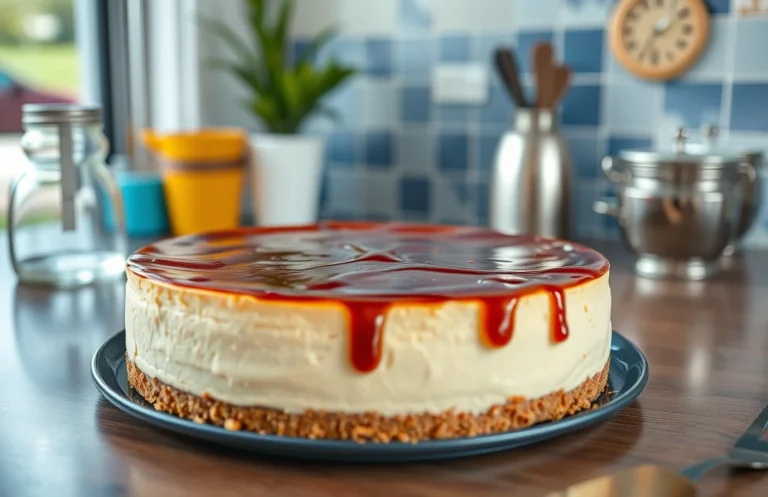
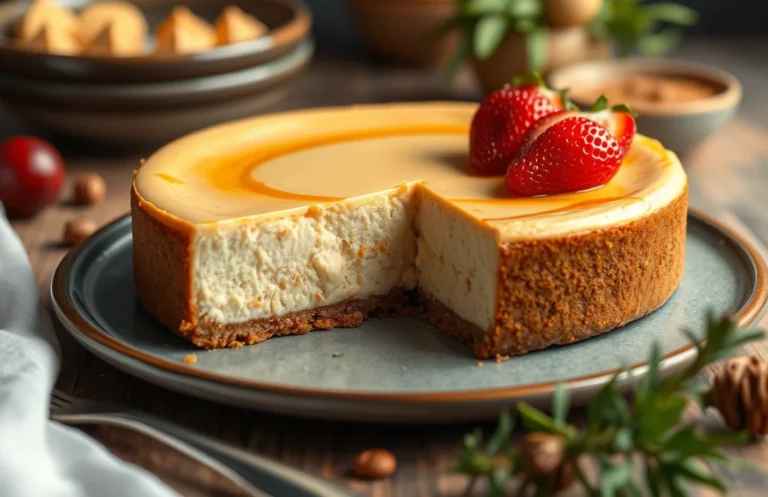
- Drizzle a fruit sauce or chocolate ganache over the top for a touch of elegance and added flavor.
Pairing Suggestions
Pairing your cheesecake with the right accompaniments can enhance the overall experience. Here are some delicious ideas:
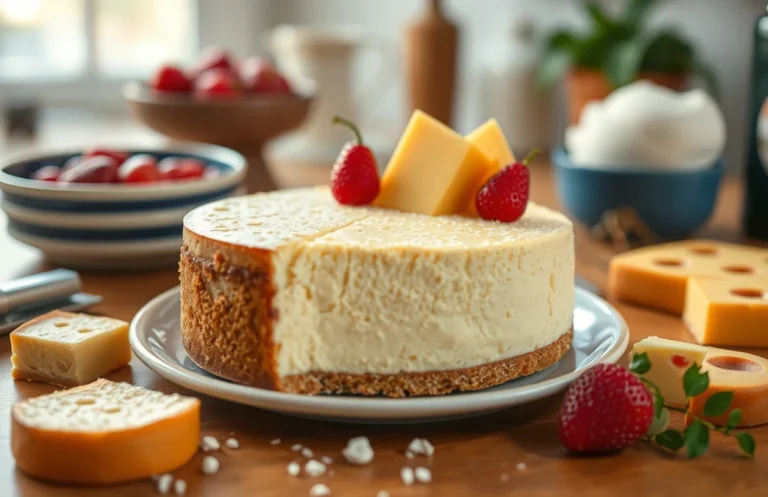
- Fresh fruit like berries (strawberries, blueberries) or sliced peaches can add a refreshing contrast to the rich flavor of the cheesecake.
- For a rich flavor profile, serve with a side of dark chocolate shavings or caramel sauce.
- Consider a scoop of vanilla or coffee ice cream to complement the cheesecake’s creaminess.
Chef’s tip: Combining flavors can create a unique tasting experience. For instance, a raspberry coulis pairs wonderfully with a chocolate crust.
| Ingredient | Measurement |
|---|---|
| Graham Crackers | 1 ½ cups (150g) |
| Butter | ½ cup (115g) |
| Granulated Sugar | ¼ cup (50g) |
With these serving and pairing ideas, your cheesecake crust will not only taste amazing but also look stunning on any table. Enjoy!
Quick Summary
| Prep Time | Cook Time | Total Time | Servings |
|---|---|---|---|
| 15 minutes | 10 minutes | 25 minutes | 8 servings |
- Use graham crackers: Crush 1 ½ cups of graham crackers for the ideal base.
- Butter consistency: Melt ½ cup of unsalted butter for easy mixing.
- Press firmly: Pack the crust mixture into the bottom of a springform pan for a sturdy base.
- Bake temperature: Preheat oven to 350°F (175°C) and bake for 10 minutes.
- Cool completely: Allow the crust to cool before adding cheesecake filling for best results.
- Tip: Use a food processor for a fine crumb texture.
- Tip: Add a pinch of salt to enhance the flavor.
Frequently Asked Questions
Can I make this ahead of time? How to store and reheat?
You can definitely make the cheesecake crust ahead of time! Store it in an airtight container in the fridge for up to 3 days or freeze it for up to 2 months; just let it thaw in the fridge before using.
What can I substitute for graham crackers?
If you don’t have graham crackers, you can use digestive biscuits or crushed cookies like Oreos for a different flavor. Just make sure to maintain the same 1:1 ratio when substituting.
How do I know when the crust is done?
light golden brown and feels slightly firm to the touch, usually around 10-12 minutes at 350°F (175°C). Let it cool before adding the cheesecake filling to ensure it holds its shape.
Can I freeze this crust? How long does it last?
Yes, you can freeze the cheesecake crust, and it will last for up to 2 months in the freezer. Just wrap it tightly in plastic wrap and foil to prevent freezer burn.
What if I don’t have a springform pan?
If you don’t have a springform pan, you can use a regular round cake pan lined with parchment paper for easy removal. Just be sure to gently run a knife around the edge after cooling to help release the crust.

- Decadent Peanut Butter No-Bake Cheesecake: Easy Recipe to Indulge - April 3, 2026
- Delicious Mango No-Bake Cheesecake: Step-by-Step Recipe - April 3, 2026
- Decadent Raspberry No-Bake Cheesecake: Easy Step-by-Step Recipe - April 3, 2026