Decadent Cheesecake Recipe: Why Eggs Matter for Texture
Cheesecake is the ultimate comfort food, with its creamy, rich texture that just melts in your mouth. With every bite, you experience the perfect balance of sweetness and tanginess, making it a showstopper for any gathering or a simple weeknight treat. Trust me, once you try a cheesecake with eggs, you’ll understand why it’s a must-have!
Key details: This cheesecake requires a total time of 1 hour and 30 minutes, has a moderate difficulty level, and serves 8 people. Using eggs creates a lush, velvety texture that takes your cheesecake to the next level.
| Prep Time | Cook Time | Total Time | Servings | Difficulty |
|---|---|---|---|---|
| 20 minutes | 1 hour | 1 hour 30 minutes | 8 | Moderate |
History of Cheesecake
The history of cheesecake is rich and varied, with its significance deepened by the inclusion of eggs in many traditional recipes. Eggs play a crucial role in the texture and structure of cheesecakes, making them a key ingredient in many cultural variations of this beloved dessert.
Origin of Cheesecake
- Ancient Greece: The earliest known cheesecake dates back to ancient Greece, where it was served to athletes during the first Olympic Games in 776 B.C. The Greeks used simple ingredients like cheese, flour, and honey, but eggs were not commonly included at this time.
- Roman Influence: As the Romans conquered Greece, they adopted and adapted the cheesecake recipe, introducing eggs to create a richer, creamier texture. This marked the beginning of the egg-based cheesecake we recognize today.
- Medieval Europe: By the Middle Ages, cheesecakes had spread throughout Europe, with each culture incorporating local ingredients. Eggs became more prevalent, enhancing the cake’s structure and binding the components together.
Cultural Variations
- New York Style: This American version is famous for its dense, creamy texture, which is achieved by using eggs along with cream cheese. The eggs help to create a smooth batter that bakes to perfection at 325°F (163°C) for 50-60 minutes.
- Italian Ricotta Cheesecake: In Italy, ricotta cheese is used, and eggs are essential for achieving a light, airy consistency. Typically baked at 350°F (175°C), this cheesecake showcases how eggs can transform the texture while maintaining a delightful flavor.
Ingredients for Egg-based Cheesecakes
This section outlines the essential ingredients needed to create a delicious egg-based cheesecake. Eggs play a crucial role in achieving that creamy texture and stability, making this recipe a favorite among cheesecake lovers. Let’s gather everything you need for a perfect bake!
| Item | Amount/Specification | Notes |
|---|---|---|
| Cream Cheese | 16 oz (450g) | Softened to room temperature for easy mixing |
| Sugar | 1 cup (200g) | Granulated sugar for sweetness and texture |
| Eggs | 3 large | Should be at room temperature for better emulsification |
| Vanilla Extract | 1 teaspoon | Adds flavor; pure vanilla is preferred |
| Graham Cracker Crumbs | 1 ½ cups (150g) | For the crust; can substitute with crushed cookies |
| Unsalted Butter | ½ cup (113g) | Melted; binds the crust together |
| Salt | ¼ teaspoon | Enhances flavor; adjust if using salted butter |
- For a lighter cheesecake, you can use low-fat cream cheese.
- To avoid curdling, ensure your ingredients are at room temperature before mixing.
- If you prefer a gluten-free option, substitute graham cracker crumbs with gluten-free cookies or nuts.
- Common mistake: Do not overmix the batter once the eggs are added; this can lead to cracks in the cheesecake.
Essential Kitchen Tools
To create a rich and creamy cheesecake with eggs, having the right kitchen tools at your disposal is crucial. These tools not only streamline the preparation process but also help achieve the perfect texture and flavor. Below is a list of essential equipment that will make your cheesecake-making experience smooth and successful.
| Item | Amount/Specification | Notes |
|---|---|---|
| Mixing Bowl | 1 large, at least 4-quart capacity | Choose a sturdy bowl that can handle vigorous mixing. |
| Springform Pan | 9-inch diameter | Allows for easy removal of the cheesecake after baking. |
| Electric Mixer | Handheld or Stand Mixer | Ensures a smooth batter; avoid lumps for a creamy texture. |
- Mixing Bowl: Opt for glass or stainless steel for easy cleaning and durability.
- Springform Pan: Make sure the base is secure to prevent leaks during baking.
- Electric Mixer: Whip the cream cheese and sugar on medium speed until light and fluffy, about 3-5 minutes.
- Temperature Control: Ensure your oven is preheated to 325°F (163°C) for even baking.
Baking Instructions for Cheesecake
In this section, we’ll cover the step-by-step process to create a delicious cheesecake using eggs, which play a crucial role in achieving that creamy, rich texture. Following these precise instructions will ensure your cheesecake turns out perfectly every time.
Preparing the Crust
- Preheat your oven to 325°F (160°C). This temperature allows for even baking without browning the crust too quickly.
- In a mixing bowl, combine 1 ½ cups (150g) of graham cracker crumbs, ½ cup (100g) of granulated sugar, and ½ cup (115g) of melted unsalted butter. Mix until the crumbs are evenly moistened.
- Press the crumb mixture firmly into the bottom of a 9-inch (23cm) springform pan and about 1 inch (2.5cm) up the sides. Bake for 10 minutes until lightly golden. Set aside to cool.
Mixing the Filling
- In a large mixing bowl, beat 24 oz (680g) of cream cheese at room temperature until smooth and creamy, about 2-3 minutes. Scrape down the sides of the bowl to ensure even mixing.
- Gradually add 1 cup (200g) of granulated sugar and 1 teaspoon of vanilla extract, mixing until fully incorporated. The mixture should be silky and free of lumps.
- In a separate bowl, whisk together 3 large eggs until just combined. Slowly add the eggs to the cream cheese mixture, mixing on low speed just until blended. Avoid overmixing to prevent excess air, which can cause cracks during baking.
Baking Process
- Pour the filling into the cooled crust. Smooth the top with a spatula for an even surface. This will help the cheesecake bake uniformly.
- Bake the cheesecake in the preheated oven for 55-60 minutes. The edges should be set, while the center may still slightly jiggle when gently shaken.
- Turn off the oven and crack the door open, allowing the cheesecake to cool gradually in the oven for about 1 hour. This helps prevent cracks from forming.
- Remove from the oven and let it cool completely at room temperature. Cover and refrigerate for at least 4 hours, preferably overnight, before serving. The cheesecake should be firm to the touch and chilled through.
Chef’s tip: If you notice cracks during baking, a simple fix is to cover them with a layer of sour cream or whipped cream when serving.
Tips for Perfect Cheesecake
Making a cheesecake with eggs can elevate its texture and richness, but it also presents some challenges. Here are some essential tips to ensure your cheesecake turns out perfectly, avoiding common pitfalls like cracks and achieving the ideal serving temperature.
- Preventing Cracks: To minimize cracks in your cheesecake, ensure all your ingredients are at room temperature before mixing. This helps to create a smoother batter. Also, use a water bath (bain-marie) when baking; it provides gentle, even heat. If cracks do occur, don’t panic! You can cover them with a fruit topping or chocolate ganache for a beautiful finish.
- Cooling Techniques: After baking, turn off the oven and crack the door open, allowing the cheesecake to cool gradually. This prevents sudden temperature changes that can cause cracks. Let it cool in the oven for about 1 hour, then transfer it to room temperature for another hour before refrigerating. Ideally, chill your cheesecake for at least 4 hours, but overnight is best for a perfect set.
- Serving Temperature: For the best flavor and texture, serve your cheesecake at room temperature. Take it out of the refrigerator about 30 minutes before serving. This allows the cheesecake to soften slightly, enhancing its creamy texture and making it easier to slice. If it’s too cold, it may feel dense and less flavorful.
Cheesecake Variations and Substitutions
In this section, we’ll explore alternative ingredients and dietary options for cheesecakes that contain eggs. Understanding these substitutions can help you cater to various dietary needs while still achieving that creamy, rich texture that makes cheesecake so delightful.
Gluten-Free Options
If you’re looking to make a gluten-free cheesecake, simply swap out traditional graham cracker crusts for alternatives like almond flour or gluten-free cookies. Here’s a quick reference table for gluten-free crust options:
| Item | Amount/Specification | Notes |
|---|---|---|
| Almond Flour | 1 ½ cups (150g) | Gives a nutty flavor; combine with melted butter. |
| Gluten-Free Cookies | 1 ½ cups (150g), crushed | Choose a flavor that complements your cheesecake. |
Vegan Alternatives
If you want to create a vegan cheesecake, you can replace the eggs with aquafaba or silken tofu, which helps achieve a creamy consistency without any animal products. Here’s how to substitute:
- Use ¼ cup of aquafaba (the liquid from canned chickpeas) for each egg.
- Blend ½ cup of silken tofu until smooth to replace one egg.
Flavor Variations
To give your cheesecake a unique twist, consider adding different flavorings. A few ideas include:
- 1 teaspoon vanilla extract for classic flavor.
- 2 tablespoons lemon juice and zest for a refreshing citrus touch.
- 1 tablespoon cocoa powder for a chocolate-infused cheesecake.
These variations not only enhance the taste but can also help accommodate various dietary preferences. Remember to adjust the sugar levels based on the sweetness of your chosen ingredients!
Serving and Plating Ideas
Presenting your egg-based cheesecake beautifully can elevate the dessert experience for your guests. With careful garnishing and thoughtful pairing, you can enhance both the flavor and appearance of your cheesecake, making it a standout centerpiece at any gathering.
Garnishes
- Fresh Berries: Top each slice with a handful of mixed berries (like strawberries, blueberries, and raspberries) to add a pop of color and a slight tartness that complements the sweetness of the cheesecake.
- Chocolate Drizzle: Melt ½ cup of dark chocolate (about 85g) and drizzle it over the cheesecake just before serving for an indulgent touch.
- Whipped Cream: Serve with a dollop of freshly whipped cream (1 cup heavy cream, whipped until soft peaks form) to add a creamy texture.
- Mint Leaves: Garnish with fresh mint leaves for a refreshing contrast and a hint of aroma.
Pairing Suggestions
| Pairing | Notes |
|---|---|
| Coffee | A rich espresso or a creamy latte complements the richness of the cheesecake. |
| Fruit Compote | Serve with a warm fruit compote (like raspberry or cherry) to add moisture and flavor depth. |
| Sweet Wine | A glass of dessert wine, such as late harvest Riesling, can enhance the cheesecake’s sweetness. |
Portion Sizes
When slicing your cheesecake, aim for 1-inch thick slices. This size provides a satisfying portion without overwhelming your guests. If serving at a larger gathering, consider offering smaller ½-inch slices for guests who may want to sample multiple desserts. Always use a hot knife (run under hot water and dried) to make clean cuts, ensuring each slice retains its shape.
Pro tip: If your cheesecake cracks while baking, don’t worry! A generous layer of toppings like fruit or whipped cream can disguise any imperfections beautifully.
Quick Summary
| Prep Time | 20 minutes |
|---|---|
| Cook Time | 60 minutes |
| Total Time | 1 hour 20 minutes |
| Servings | 8 |
- Preheat oven to 325°F (163°C) before starting.
- Crust preparation: Combine 1 ½ cups crushed graham crackers with ½ cup melted butter.
- Mix filling: Blend 16 oz cream cheese with 1 cup sugar and 3 large eggs until smooth.
- Bake in water bath for even cooking and to prevent cracks.
- Cool gradually: Let it cool in the oven to avoid sudden temperature changes.
- Key Tip: Use room temperature ingredients for a smoother batter.
- Key Tip: Don’t overmix after adding eggs to prevent a dense texture.
Frequently Asked Questions
Can I make this cheesecake ahead of time? How to store and reheat?
You can absolutely make the cheesecake a day or two in advance! Store it in the refrigerator wrapped tightly in plastic wrap, and it will stay fresh; just serve cold directly from the fridge or let it sit at room temperature for about 30 minutes before serving.
What can I substitute for eggs in the cheesecake?
If you’re looking for an egg substitute, you can use 1/4 cup of unsweetened applesauce or 1/4 cup of silken tofu blended until smooth for each egg. Keep in mind that this may slightly change the texture of your cheesecake.
How do I know when my cheesecake is done?
Your cheesecake is done when the edges are set but the center still has a slight jiggle; it should look slightly puffed and not overly cracked. A good test is inserting a toothpick in the center—if it comes out clean or with a few moist crumbs, it’s ready!
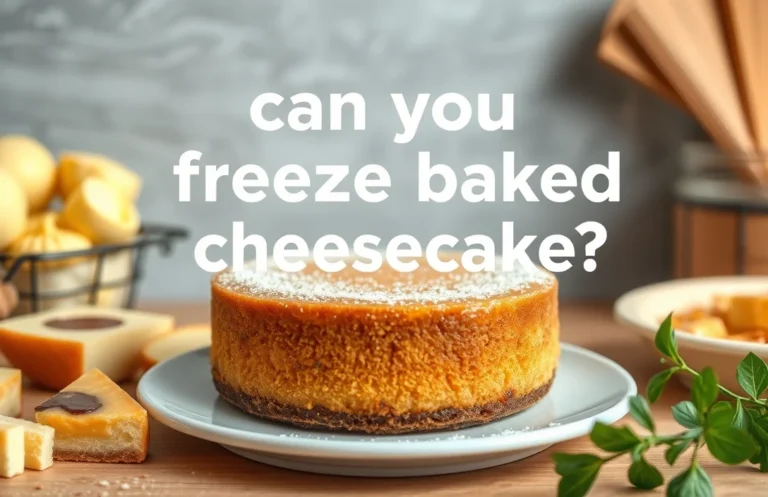
Can I freeze this cheesecake? How long does it last?
You can freeze your cheesecake for up to 3 months by wrapping it tightly in plastic wrap and then aluminum foil. To thaw, just place it in the refrigerator overnight before serving!
Why did my cheesecake turn out too dense?
If your cheesecake is too dense, it may be due to overmixing the batter or using too much cream cheese without enough air incorporated. Ensure you mix just until combined and avoid overbaking to keep it light and creamy.

- Make Cheesecake Up to 3 Days Ahead: Tips for Best Flavor & Texture - March 4, 2026
- Easy No-Bake Cool Doen Cheesecake: Quick Recipe & Tips - March 4, 2026
- Decadent Dulce de Leche Cheesecake: Easy Step-by-Step Recipe - March 4, 2026