Do Cheesecakes Use Real Cheese? Discover Flavors and Alternatives
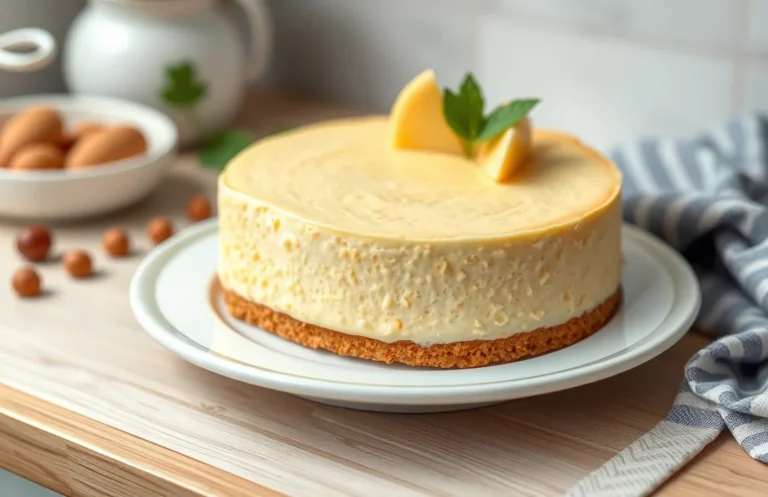
Cheesecake is one of those desserts that brings pure joy, whether it’s a special celebration or a comforting weeknight treat. The creamy texture and rich flavor make it utterly irresistible, especially when topped with fresh berries or a drizzle of chocolate. Each bite melts in your mouth, leaving you craving more!
So, do you use actual cheese in a cheesecake? The answer lies in the traditional ingredients that create that luscious filling. Total time: 1 hour 30 minutes, Difficulty: Easy, Servings: 8.
| Prep Time | Cook Time | Total Time | Servings | Difficulty |
|---|---|---|---|---|
| 20 minutes | 50 minutes | 1 hour 30 minutes | 8 | Easy |
Cheesecake Origins
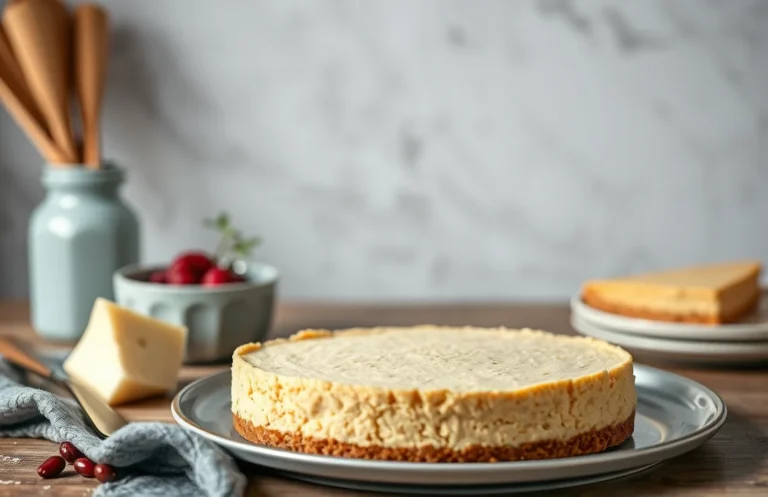
Understanding the origins of cheesecake provides insight into why actual cheese, such as cream cheese or mascarpone, is a key ingredient in this beloved dessert. Cheesecake has evolved through various cultures, each adding their unique twist, yet the foundational elements often include dairy-based ingredients that contribute to its rich texture and flavor.
- Cultural Variations: Cheesecake has roots in ancient Greece, where it was made with fresh cheese, honey, and flour. Over centuries, different cultures have adapted the recipe, leading to variations like the Italian ricotta cheesecake and the Japanese fluffy cheesecake, each emphasizing the use of cheese in their unique way.
- When to Serve Cheesecake: Traditionally, cheesecake is enjoyed on special occasions like birthdays, holidays, or weddings. Its creamy texture and rich flavor make it a versatile dessert, fitting for both casual gatherings and formal celebrations, further cementing its status as a cherished treat across cultures.
Essential Cheese Components
Understanding the types of cheese used in cheesecake is crucial for achieving the perfect flavor and texture. Traditional cheesecakes primarily utilize actual cheeses, with cream cheese being the most common. However, mascarpone and ricotta can also play key roles, each contributing unique qualities to your dessert.
Cream Cheese
Cream cheese is the star of the show in most cheesecake recipes. Its smooth, creamy texture and mildly tangy flavor create a rich base that sets the stage for delicious variations.
- Amount: 16 ounces (450g) of full-fat cream cheese
- Texture: Soft and spreadable, should feel velvety when whisked
- Tip: Soften cream cheese to room temperature (about 30 minutes) before using to avoid lumps
Mascarpone
Mascarpone is an Italian cheese that can add a luxurious creaminess to your cheesecake. It’s richer than cream cheese, resulting in a denser texture and a slightly sweeter profile.
- Amount: 8 ounces (225g) of mascarpone cheese
- Texture: Thick and creamy, should be smooth and easily blend with other ingredients
- Substitution: If you can’t find mascarpone, use an equal amount of cream cheese mixed with a tablespoon of heavy cream
Ricotta
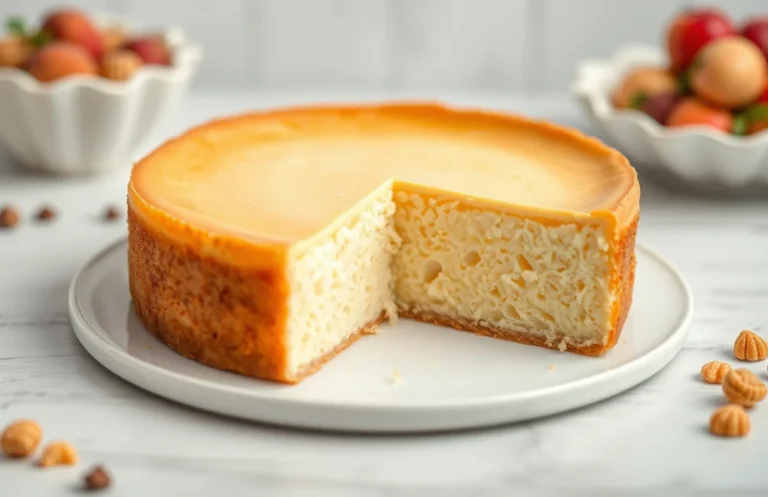
Ricotta can be an excellent alternative or addition for a lighter cheesecake. It lends a grainy yet fluffy texture, making the dessert less dense.
- Amount: 15 ounces (425g) of ricotta cheese
- Texture: Slightly grainy, should be blended well to achieve a smooth consistency
- Tip: Drain excess moisture from ricotta for a firmer cheesecake
Chef’s tip: For the best flavor, mix different cheeses to find your perfect balance!
Complete Ingredients List
This section outlines the essential ingredients used in cheesecakes, focusing on the types of cheese and other components that contribute to the flavor and texture of this beloved dessert. Understanding these ingredients will help you make informed choices, especially if you’re considering alternatives.
| Item | Amount/Specification | Notes |
|---|---|---|
| Cream Cheese | 16 oz (450g) | Softened, the main cheese used for a classic cheesecake |
| Sour Cream | 1 cup (240g) | Adds creaminess and a slight tang |
| Granulated Sugar | ¾ cup (150g) | Adjust to taste, sweetens the filling |
| Vanilla Extract | 1 teaspoon (5ml) | Enhances flavor |
| Eggs | 3 large | Room temperature, bind the mixture |
| Graham Cracker Crumbs | 1 ½ cups (150g) | For the crust, can substitute with gluten-free crumbs |
| Butter | ½ cup (115g) | Melted, holds the crust together |
- For a lighter cheesecake, consider using mascarpone cheese; it offers a richer texture.
- If you’re dairy-free, vegan cream cheese or silken tofu can be used as substitutes, but be aware of potential flavor differences.
- Always ensure your cream cheese is fully softened for easy mixing; this prevents lumps in your batter.
Kitchen Equipment Needed
To create a delicious cheesecake using actual cheese, you’ll need some essential kitchen tools. These tools ensure that your ingredients are mixed properly and baked to perfection, allowing the rich flavors of the cheese to shine through.
- Mixing Bowls: Use a large mixing bowl (at least 4-quart capacity) for blending the cheese and other ingredients. A medium bowl will also be handy for mixing the crust. Choose glass or stainless steel for easy cleaning and durability.
- Electric Mixer: An electric hand mixer or a stand mixer is crucial for achieving a smooth and creamy texture. Mix the cream cheese on medium speed until it’s fluffy and free of lumps, which should take about 2-3 minutes. This step is vital for a perfectly blended cheesecake.
- Rubber Spatula: A rubber spatula is essential for scraping down the sides of the mixing bowl to ensure all ingredients are well incorporated. Use it to gently fold in any whipped cream or egg whites for a light texture.
- Springform Pan: A 9-inch springform pan is ideal for cheesecakes, allowing easy removal of the cake once baked. Make sure to grease the bottom and sides with butter or parchment paper for easy release.
- Baking Sheet: Place your springform pan on a baking sheet to catch any potential leaks during the baking process. This also helps with even heat distribution in the oven.
- Oven Thermometer: An oven thermometer ensures your cheesecake bakes at the correct temperature of 325°F (160°C). This is crucial for preventing cracks in your cheesecake.
Step-by-Step Cheesecake Instructions
This section details the crucial steps of mixing, baking, cooling, and setting your cheesecake, emphasizing the use of actual cheese for the best flavor and texture. Whether you choose cream cheese or mascarpone, each step ensures your cheesecake turns out deliciously smooth and rich.
- Mixing the Cheese: Start by taking 16 ounces (450g) of full-fat cream cheese, softened to room temperature. Using an electric mixer, beat the cream cheese on medium speed for about 2-3 minutes until it is creamy and free of lumps. You want a smooth consistency that is thick yet spreadable.
- Adding Sugar and Flavor: Gradually add 1 cup (200g) granulated sugar to the cream cheese. Mix for another 1-2 minutes until fully combined. Add 1 teaspoon of vanilla extract and 1 tablespoon of lemon juice to enhance the flavor, mixing until everything is well incorporated.
- Incorporating Eggs: With the mixer on low speed, add 3 large eggs, one at a time, ensuring each egg is fully combined before adding the next. This helps to prevent overmixing, which can introduce too much air and lead to cracks during baking.
- Baking the Cheesecake: Preheat your oven to 325°F (160°C). Pour the cheesecake batter into a 9-inch (23cm) springform pan lined with parchment paper. Bake for 50-60 minutes until the edges are set but the center is slightly jiggly. The top should look slightly puffed and golden.
- Cooling and Setting: Once baked, turn off the oven and crack the door open, allowing the cheesecake to cool slowly for about 1 hour. This helps prevent cracks from forming. Afterward, refrigerate the cheesecake for at least 4 hours or overnight to fully set. It should feel firm to the touch but still have a slight softness in the center.
Pro Tips and Common Mistakes
This section is all about achieving the perfect cheesecake by focusing on the importance of using actual cheese, like cream cheese or mascarpone, and common pitfalls to avoid. Understanding the role of these ingredients can make a significant difference in texture and flavor.
Avoiding Cracks
One of the biggest frustrations in cheesecake baking is the appearance of cracks. Here are some tips to help you achieve a smooth, crack-free surface:
- Use room temperature cheese: Cold cream cheese can create lumps, leading to cracks. Let it sit out for about 30 minutes before mixing.
- Mix gently: Overmixing incorporates too much air, which can also cause cracks as the cheesecake bakes. Mix until just combined.
- Water bath method: Baking your cheesecake in a water bath (bain-marie) can help regulate temperature and moisture, reducing the likelihood of cracks. Wrap the springform pan in aluminum foil and place it in a larger pan filled with hot water.
Texture Tips
The texture of your cheesecake greatly depends on the cheese used. Here are some key points to consider:
- Cream Cheese: The classic choice, providing a rich and dense texture. Use an 8-ounce (225g) block, ensuring it’s softened before mixing.
- Mascarpone: Adds a luxurious creaminess. Substitute half of the cream cheese with mascarpone for a lighter texture.
- Ricotta: A possible alternative, but be aware it can lead to a grainy texture. If using, blend it well before adding to the mixture.
Chef’s tip: For a creamy cheesecake, avoid overbaking. The center should still have a slight jiggle when you remove it from the oven.
Cheese Substitutes and Variations
For those who want to enjoy cheesecake without traditional cheese or have specific dietary needs, there are several alternatives that can still deliver delicious results. Whether for vegan preferences or gluten-free adaptations, understanding these substitutes can help you create a delightful cheesecake that suits your lifestyle.
Vegan Options
When making a vegan cheesecake, you can use various plant-based substitutes that mimic the creaminess of traditional cheese. Here are some popular options:
- 1 cup soaked cashews (for a creamy texture) – soak in water for at least 4 hours
- 1 cup silken tofu (for a protein-rich option) – blend until smooth
- 1 cup coconut cream (for a rich, tropical flavor) – chill and scoop the solid part
- 1 cup vegan cream cheese (for ease and convenience) – look for brands with no added sugars
Chef’s tip: If using cashews, blend them with 2 tablespoons of lemon juice and 1 tablespoon of maple syrup for added flavor!
Gluten-Free Adaptations
If you need a gluten-free cheesecake, the good news is that most cheesecake recipes are already naturally gluten-free, provided you use the right crust. Here are some ideas:
- Crust: Use 1 ½ cups gluten-free graham cracker crumbs or almond flour mixed with ½ cup melted coconut oil and 2 tablespoons maple syrup.
- Filling: Stick to dairy-free cream cheese or tofu options listed above for the filling.
| Ingredient | Amount |
|---|---|
| Cashews | 1 cup (150g) |
| Silken Tofu | 1 cup (240g) |
| Coconut Cream | 1 cup (240ml) |
| Vegan Cream Cheese | 1 cup (225g) |
By using these alternatives, you can still enjoy a creamy, satisfying cheesecake that aligns with your dietary preferences. Just remember to adjust sweeteners and flavors to balance the taste as needed!
Serving and Plating Tips
Presentation is key when it comes to serving cheesecake, especially since it often highlights the rich, creamy texture that actual cheese imparts. Whether you use cream cheese, mascarpone, or a dairy-free alternative, how you plate and garnish your cheesecake can elevate the dessert experience. Here are some ideas to make your cheesecake shine.
Garnishing Ideas
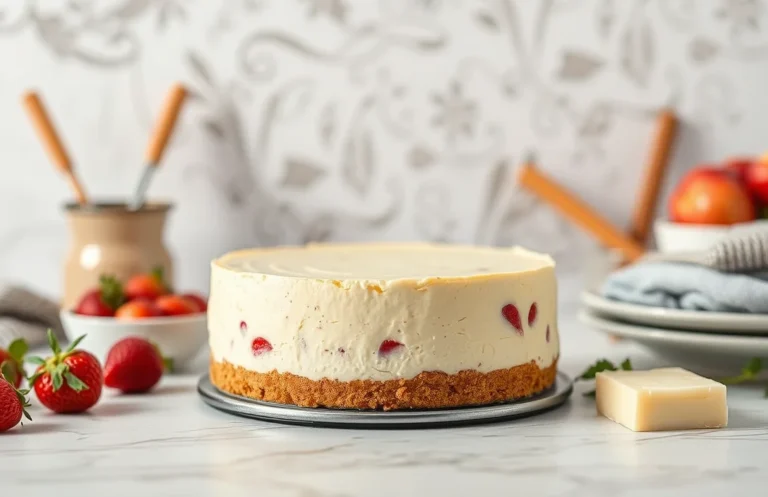
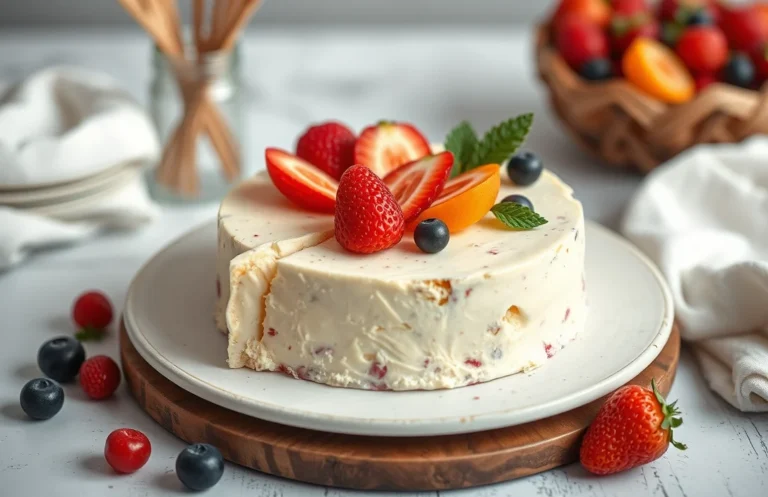
- Fresh Fruits: Top your cheesecake with a mix of fresh berries like strawberries, blueberries, and raspberries for a vibrant look and a touch of acidity that balances the richness.
- Chocolate Shavings: Use a vegetable peeler to shave dark chocolate over the top for a luxurious finish.
- Caramel or Fruit Sauce: Drizzle homemade caramel or a berry coulis in a decorative swirl over the cheesecake for added flavor and visual appeal.
- Mint Leaves: A few fresh mint leaves can add a pop of color and a refreshing aroma.
Pairing Drinks
Choosing the right drink to accompany your cheesecake can enhance the overall dining experience. Here are some excellent pairing options:
- Coffee: A rich espresso or a creamy latte complements the cheesecake’s texture beautifully.
- Tea: A light herbal tea, such as chamomile or mint, offers a refreshing contrast.
- Wine: Sweet dessert wines like Moscato or a fruity Riesling can provide a delightful pairing with the sweetness of the cheesecake.
Chef’s tip: Serve your cheesecake chilled for the best texture, allowing it to set for at least 4 hours in the refrigerator before slicing.
Quick Summary
| Prep Time | Cook Time | Total Time | Servings |
|---|---|---|---|
| 20 minutes | 60 minutes | 1 hour 20 minutes | 8 servings |
- Use real cheese: Cream cheese is essential for authentic texture and flavor.
- Pre-bake crust: Bake the graham cracker crust for 10 minutes to prevent sogginess.
- Room temperature ingredients: Ensure cheese and eggs are at room temperature for smooth mixing.
- Slow cooling: Turn off the oven and let the cheesecake cool inside to prevent cracks.
- Chill before serving: Refrigerate for at least 4 hours to set properly.
Frequently Asked Questions
Do I use actual cheese in a cheesecake?
Yes, you should use cream cheese for a classic cheesecake texture and flavor. Some recipes also incorporate mascarpone or ricotta for added creaminess.
Can I make this ahead of time? How to store and reheat?
You can absolutely make cheesecake ahead of time; it actually tastes better after chilling overnight. Store it in the refrigerator, covered, and there’s no need to reheat it—serve it cold or at room temperature.
How do I know when it’s done?
Your cheesecake is done when the edges are set but the center is still slightly jiggly, which usually takes about 50-60 minutes at 325°F (163°C). It will continue to firm up as it cools.
Can I freeze this? How long does it last?
You can freeze cheesecake for up to 3 months wrapped tightly in plastic wrap and aluminum foil. Thaw it in the refrigerator overnight before serving for the best texture.
What if I don’t have a springform pan?
If you don’t have a springform pan, you can use a regular cake pan lined with parchment paper to help lift the cheesecake out after baking. Just make sure to let it cool completely before attempting to remove it.

- Decadent Peanut Butter No-Bake Cheesecake: Easy Recipe to Indulge - April 3, 2026
- Delicious Mango No-Bake Cheesecake: Step-by-Step Recipe - April 3, 2026
- Decadent Raspberry No-Bake Cheesecake: Easy Step-by-Step Recipe - April 3, 2026