Does Cheesecake Have Cheese? Discover Types & Easy Recipe
Cheesecake is one of those desserts that never fails to impress, whether it’s for a cozy night in or a festive gathering. Creamy, rich, and indulgent, it’s the kind of treat that makes you feel warm and satisfied with every bite. Imagine a slice of velvety cheesecake topped with fresh berries or a drizzle of chocolate — irresistible!
This article will clarify if cheesecake contains cheese, explore the types of cheese commonly used, and share a simple recipe to make your own delicious cheesecake at home. Expect to learn about variations like New York style and no-bake options, all while getting practical cooking tips.
| Prep Time | 15 minutes |
|---|---|
| Cook Time | 60 minutes |
| Total Time | 1 hour 15 minutes |
| Servings | 8 |
| Difficulty | Moderate |
Cheesecake Origins
Cheesecake has a rich and varied history that intertwines with numerous cultures, making it a beloved dessert worldwide. At its core, the question of whether cheesecake contains cheese is more than just a culinary inquiry; it reflects the evolution of this delightful dish through time.
Historical Background
- Ancient Greece: The earliest known cheesecake dates back to Ancient Greece. It was made with simple ingredients like cheese, flour, and honey, and served to athletes during the first Olympic Games in 776 B.C. This early version showcased the primary ingredient—cheese—signifying its importance in the recipe.
- Roman Influence: As the Romans conquered Greece, they adopted and adapted the cheesecake recipe, adding their own twists. They incorporated eggs and cream, leading to a creamier texture that paved the way for modern variations.
- European Variations: Throughout the Middle Ages and into the Renaissance, cheesecake evolved further. Different regions in Europe began to experiment with local cheeses, resulting in a plethora of styles. For example, the Italian ricotta and the French fromage blanc became popular choices.
Cultural Variations
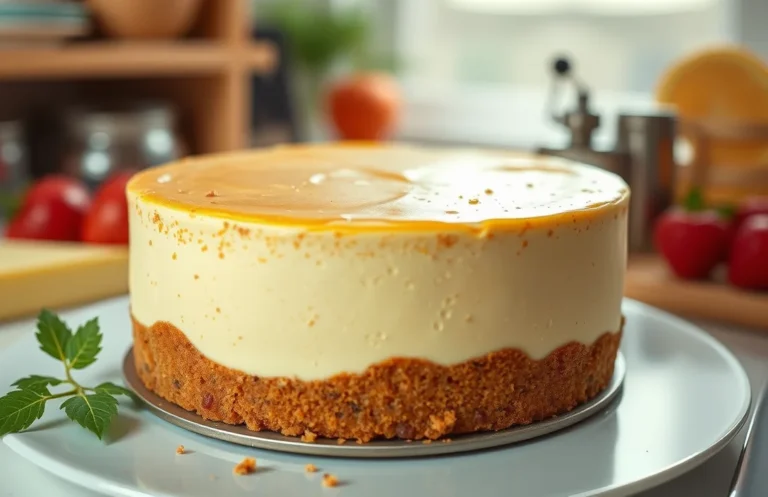
- New York Style: This iconic version is rich and dense, using cream cheese as the primary cheese ingredient. It’s typically baked, giving it a firm structure and a creamy taste that stands out in the cheesecake family.
- Japanese Style: Known for its light and airy texture, this cheesecake uses cream cheese but is often blended with whipped egg whites, resulting in a souffle-like quality that’s less dense than its Western counterparts.
- No-Bake Cheesecakes: Utilizing various types of cheese like mascarpone or ricotta, these versions are mixed with whipped cream, making them light and easy to prepare, showcasing the versatility of cheese in desserts.
Ingredients List
To create a traditional cheesecake, the primary ingredient is indeed cheese, typically cream cheese. This section outlines the necessary ingredients, including the types of cheese used and other components that contribute to the cheesecake’s rich flavor and creamy texture. Let’s dive into the specifics!
| Item | Amount/Specification | Notes |
|---|---|---|
| Cream cheese | 16 ounces (450g) | Softened to room temperature for easy mixing |
| Sugar | 1 cup (200g) | Granulated sugar enhances sweetness |
| Sour cream | 1 cup (240g) | Adds tanginess and creaminess |
| Eggs | 3 large | Room temperature for better incorporation |
| Vanilla extract | 1 teaspoon (5ml) | For flavor enhancement |
| Graham cracker crumbs | 1 ½ cups (150g) | Base for the crust |
| Butter | ½ cup (113g) | Melted, for binding the crust |
- For a lighter cheesecake, consider using ricotta cheese or mascarpone in place of cream cheese.
- If you’re lactose intolerant, look for lactose-free cream cheese options.
- Be careful not to overmix once the eggs are added, as this can lead to cracks in the cheesecake.
Kitchen Equipment
Gathering the right tools is essential when making a cheesecake, especially since it involves specific techniques for achieving that creamy texture. Below, you’ll find a list of essential tools and preparation steps to ensure your cheesecake turns out perfectly.
- Springform Pan: Use a 9-inch (23 cm) springform pan for easy removal of your cheesecake. The removable sides allow you to present the cheesecake without damaging it. If you don’t have a springform pan, a regular round cake pan will work, but you’ll need to be cautious when removing the cheesecake.
- Mixing Bowls: You’ll need at least two mixing bowls; one for the crust and one for the filling. A medium bowl (about 4-quart) is perfect for mixing the filling, while a smaller bowl (about 2-quart) works well for combining the crust ingredients.
- Electric Mixer: A hand or stand mixer is ideal for achieving a smooth and fluffy cheesecake filling. Mix on medium speed for about 2-3 minutes until the batter is creamy and free of lumps. If you don’t have a mixer, you can whisk by hand, but it will take longer.
- Rubber Spatula: Use a rubber spatula for folding the filling and scraping the sides of the mixing bowl. This ensures that all ingredients are evenly combined and nothing gets left behind.
- Measuring Cups and Spoons: Accurate measurements are crucial for cheesecake. Use dry measuring cups for flour and crust ingredients, and liquid measuring cups for cream and other liquids. Don’t forget to use a kitchen scale for precise measurements, especially for cream cheese.
- Oven Thermometer: To guarantee your cheesecake bakes at the right temperature, use an oven thermometer. Ovens can often be off by as much as 25°F (14°C), which can affect baking times and outcomes.
Cooking Instructions
Cheesecake is a delightful dessert that prominently features cheese, typically cream cheese, which gives it that rich and creamy texture. In this section, we’ll walk through the step-by-step process of mixing, baking, and cooling your cheesecake to perfection. Following these instructions will ensure a deliciously smooth and well-set cheesecake.
- Preparation: Preheat your oven to 325°F (160°C). Prepare a 9-inch (23 cm) springform pan by greasing the bottom and sides lightly with butter or non-stick spray. If you want a water bath to prevent cracking, wrap the outside of the pan with aluminum foil.
- Mixing the Crust: In a medium bowl, combine 1 ½ cups (150g) of graham cracker crumbs, ½ cup (100g) of granulated sugar, and ½ cup (115g) of melted butter. Mix until the crumbs are evenly moistened. Press the mixture firmly into the bottom of the prepared springform pan, creating an even layer. Bake for 10 minutes, then remove and let it cool slightly.
- Preparing the Filling: In a large mixing bowl, beat 24 ounces (680g) of cream cheese with an electric mixer on medium speed until smooth and creamy, about 3-4 minutes. Scrape down the sides of the bowl to ensure no lumps remain. Gradually add 1 cup (200g) of granulated sugar and mix until combined. Add 3 large eggs one at a time, mixing just until incorporated after each addition. Finally, add 1 teaspoon of vanilla extract and mix until just combined.
- Baking the Cheesecake: Pour the cream cheese filling over the cooled crust in the springform pan. If using a water bath, place the pan inside a larger baking dish and fill the outer dish with hot water halfway up the sides of the cake pan. Bake for 50-60 minutes until the edges are set but the center still jiggles slightly when you shake the pan. Do not open the oven door during the first 50 minutes to prevent cracks.
- Cooling: Turn off the oven and crack the door, allowing the cheesecake to cool slowly for about 1 hour. Remove from the oven and refrigerate for at least 4 hours, preferably overnight. This cooling period is crucial for achieving the right texture, as it allows the cheesecake to firm up and develop its flavors.
Pro Tips
This section focuses on common mistakes when making cheesecake and offers expert advice to enhance your cheesecake experience. Understanding these tips will help you achieve a creamy, delicious cheesecake without the usual pitfalls.
- Choose the right cheese: Traditional cheesecake uses cream cheese for its rich and smooth texture. For a twist, you can mix in mascarpone or ricotta. Just make sure they are at room temperature to blend smoothly without lumps.
- Don’t overmix: When combining your cheese with sugar and eggs, mix just until smooth. Overmixing can incorporate too much air, leading to cracks during baking. Aim for a creamy consistency that feels thick but not overly whipped.
- Pre-bake the crust: Always pre-bake your crust at 350°F (175°C) for about 10 minutes until lightly golden. This sets the crust and prevents it from becoming soggy once the filling is added.
- Water bath method: To prevent cracks, bake your cheesecake in a water bath. Wrap your springform pan in aluminum foil and place it inside a larger baking dish filled with hot water. This gentle heat keeps the cheesecake moist and helps it cook evenly.
- Cool gradually: After baking, let your cheesecake cool in the oven with the door slightly ajar for about an hour. This gradual cooling process helps prevent cracks from forming due to sudden temperature changes.
Cheesecake Variations
Cheesecake comes in many delightful variations, each with its own unique flavor profile and texture. Understanding the different types of cheesecakes can help you appreciate how they incorporate cheese and other ingredients, ensuring you find the perfect recipe for your taste.
| Item | Amount/Specification | Notes |
|---|---|---|
| New York Style Cheesecake | 2 pounds cream cheese | Rich and dense, made with heavy cream |
| No-Bake Cheesecake | 1 cup whipped cream | Light and airy, sets with gelatin or cream cheese |
| Vegan Cheesecake | 2 cups cashews (soaked) | Uses plant-based ingredients like coconut cream |
- New York Style: Typically uses cream cheese, sour cream, and a graham cracker crust. Bake at 350°F (175°C) for about 50-60 minutes until the edges are set but the center is slightly jiggly.
- No-Bake: Combine cream cheese, sugar, and whipped cream; pour into the crust and refrigerate for at least 4 hours. This version is perfect for hot weather!
- Vegan: Blend soaked cashews with coconut cream, maple syrup, and lemon juice until smooth. Chill until set, usually around 4 hours.
Each variation has its charm, and experimenting with different types can lead to delicious discoveries. For example, if you want a lighter dessert, opt for the no-bake version, while the New York style is a richer, more indulgent choice. Just remember, regardless of the type, the key ingredient in all cheesecakes is still cheese in some form!
Serving Suggestions
Serving cheesecake not only showcases its creamy texture and rich flavors but also enhances the overall dining experience. By pairing it with complementary flavors and using thoughtful plating techniques, you can elevate this delightful dessert to new heights.
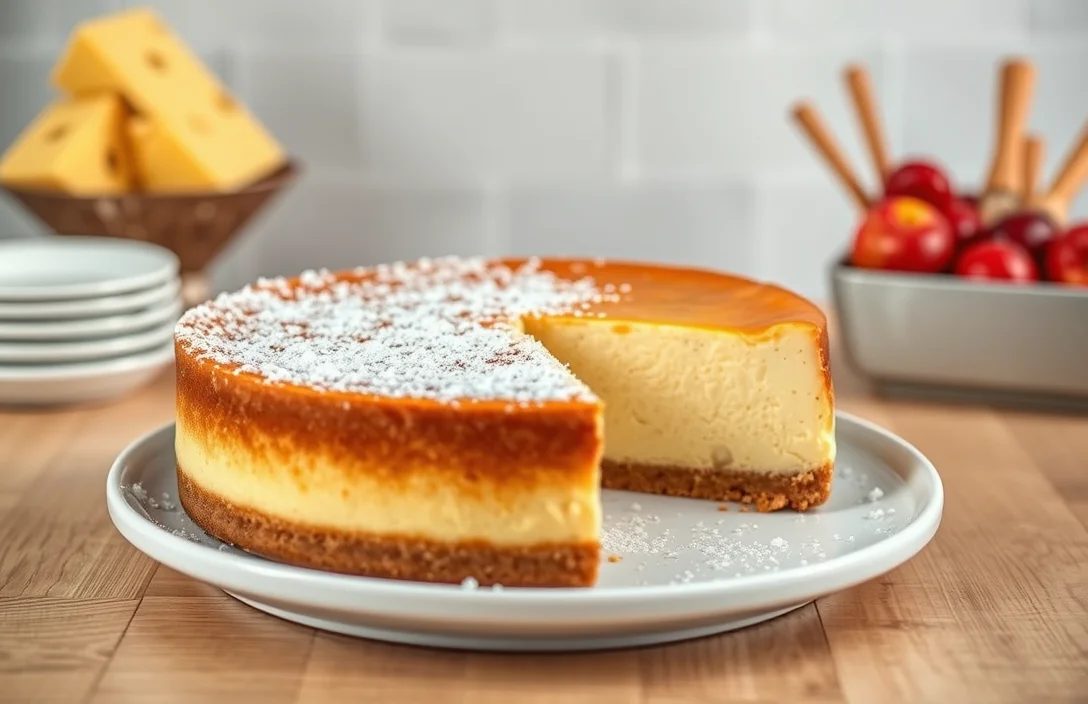
- Plating Tips: Start by slicing your chilled cheesecake into even pieces using a sharp, warm knife for clean edges. Place each slice on a dessert plate, and consider adding a dollop of whipped cream or a dusting of powdered sugar on top for a touch of elegance. A fresh mint leaf can add a pop of color and freshness.
- Fruit Pairings: Fresh fruit complements the creamy texture of cheesecake beautifully. Try serving it with a side of mixed berries, such as strawberries, raspberries, or blueberries, which provide a tart contrast. Drizzle a bit of berry sauce over the cheesecake for added sweetness and flavor.
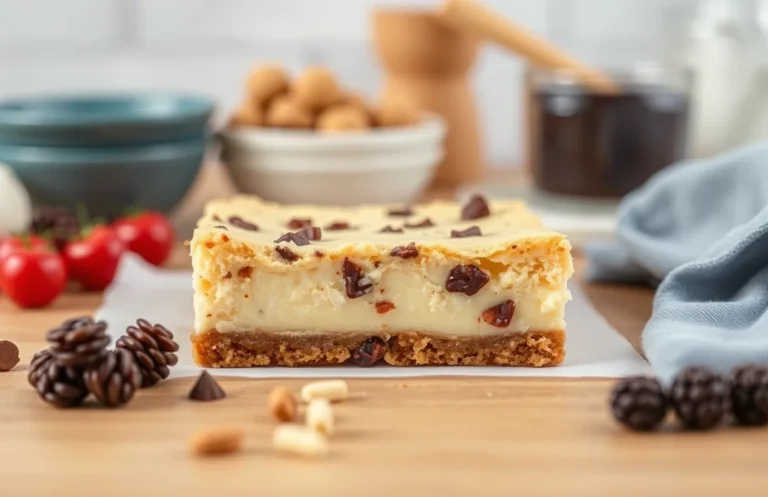
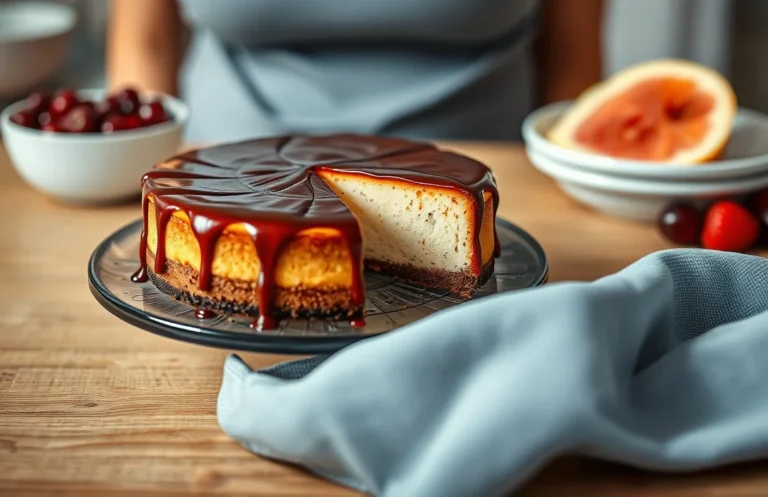
- Chocolate Enhancements: If you love chocolate, consider drizzling melted dark chocolate over the top or adding chocolate shavings as a garnish. This creates a decadent touch that pairs wonderfully with the cheesecake’s cheese base.
- Flavor Variations: Experiment with flavored sauces, such as caramel, espresso, or citrus, to create unique flavor profiles. A citrus glaze can cut through the richness, while caramel adds a sweet, buttery element. Just remember to balance flavors so the cheesecake remains the star of the plate.
Chef’s tip: Serve your cheesecake at room temperature for the best flavor and texture. Chill it for at least 4 hours before serving, but remove it from the refrigerator about 30 minutes before serving for optimal creaminess.
Quick Summary
| Prep Time | 20 minutes |
|---|---|
| Cook Time | 60 minutes |
| Total Time | 1 hour 20 minutes |
| Servings | 8 slices |
- Use cream cheese: Essential for a classic cheesecake texture and flavor.
- Preheat oven: Set to 325°F (163°C) for even cooking.
- Water bath: Bake in a water bath to prevent cracking.
- Cool gradually: Let it cool in the oven to maintain moisture.
- Chill before serving: Refrigerate for at least 4 hours for best flavor.
- Tip: Use room temperature cream cheese for a smoother batter.
- Tip: Avoid overmixing to prevent air bubbles and cracking.
Frequently Asked Questions
Can I make cheesecake ahead of time? How to store and reheat?
You can absolutely make cheesecake ahead of time! Store it in the refrigerator for up to 5 days, and when ready to serve, enjoy it cold or let it sit at room temperature for about 30 minutes.
What can I substitute for cream cheese?
If you’re looking to substitute cream cheese, you can use mascarpone cheese or a vegan cream cheese alternative. Just ensure it has a similar texture for the best results!
How do I know when my cheesecake is done?
Your cheesecake is done when the edges are set but the center still has a slight jiggle, which usually takes about 50-60 minutes at 325°F (163°C). It will continue to set as it cools, so don’t overbake!
Can I freeze cheesecake? How long does it last?
Yes, you can freeze cheesecake for up to 3 months. Make sure to wrap it tightly in plastic wrap and then foil to prevent freezer burn!
What if I don’t have a springform pan?
If you don’t have a springform pan, you can use a regular round cake pan lined with parchment paper. Just make sure to let the cheesecake cool completely before trying to remove it from the pan.

- Decadent Peanut Butter No-Bake Cheesecake: Easy Recipe to Indulge - April 3, 2026
- Delicious Mango No-Bake Cheesecake: Step-by-Step Recipe - April 3, 2026
- Decadent Raspberry No-Bake Cheesecake: Easy Step-by-Step Recipe - April 3, 2026