Is Cheesecake Gluten-Free? Tips and Recipes You’ll Love
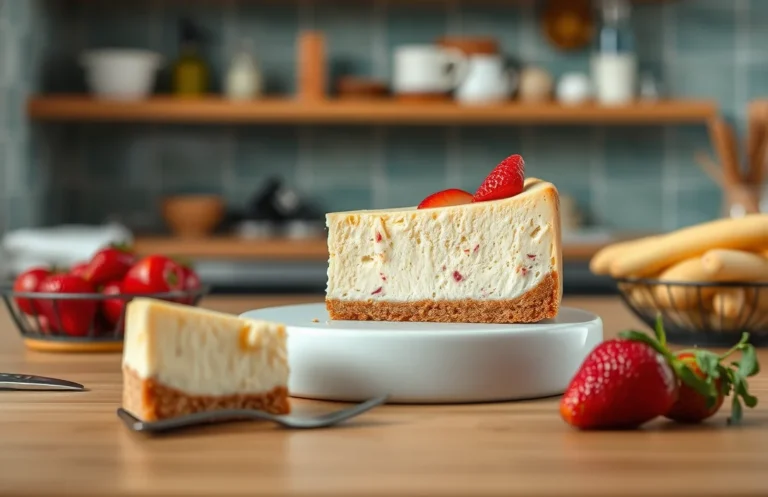
Cheesecake is that irresistible dessert that promises a creamy, dreamy experience with every bite. Whether it’s a classic New York style or a fruity twist, this rich treat brings joy to any gathering, making it a favorite for celebrations or simply indulging at home. Trust me, once you take your first forkful, you’ll be hooked!
Wondering if cheesecake contains gluten? You’re in the right place! This guide covers traditional ingredients, gluten-free alternatives, and tested recipes to ensure everyone can enjoy this delicious dessert. We’ll also tackle prep tips to avoid cross-contamination.
| Prep Time | Cook Time | Total Time | Servings | Difficulty |
|---|---|---|---|---|
| 15 minutes | 60 minutes | 75 minutes | 8 servings | Intermediate |
Cheesecake Origins and Specialties
Cheesecake, with its rich and creamy texture, has a history that spans centuries and cultures. Understanding its origins and unique qualities can help clarify whether it contains gluten, especially since traditional recipes vary widely across regions.
- Ancient Roots: The earliest known cheesecake dates back to ancient Greece, where it was served to athletes during the first Olympic games in 776 BC.
- Cultural Significance: In many cultures, cheesecake is more than just a dessert; it’s a symbol of celebration. For instance, in Jewish culture, cheesecake is often served during Shavuot.
- Variations: From New York-style to Italian ricotta cheesecake, each variant brings its own flavor and texture, influencing the presence of gluten in the recipe.
Chef’s tip: Always ask about the crust when enjoying cheesecake at a restaurant; many traditional crusts are made from graham crackers, which contain gluten.
Cheesecake is commonly served during special occasions, such as birthdays and holidays. The texture and flavor can vary depending on the method of preparation, so it’s important to know what goes into it:
| Type of Cheesecake | Typical Gluten Source |
|---|---|
| New York-style | Graham cracker crust |
| Italian Ricotta | May use no crust or gluten-free options |
| Japanese Cotton Cheesecake | Flour-based, often contains gluten |
Understanding the origins and variations of cheesecake not only enriches your appreciation of this beloved dessert but also helps you identify gluten-containing ingredients when preparing or selecting a cheesecake.
Traditional Cheesecake Ingredients
Understanding the ingredients commonly used in traditional cheesecake is essential for determining whether it contains gluten. The key components often include cream cheese and a crust, which can be a source of gluten depending on the type of crust used. Let’s take a closer look at these ingredients.
| Item | Amount/Specification | Notes |
|---|---|---|
| Cream Cheese | 16 ounces (450g) | Ensure it’s plain and not flavored; naturally gluten-free. |
| Sugar | 1 cup (200g) | Granulated sugar is gluten-free. |
| Eggs | 3 large | Room temperature for better mixing. |
| Sour Cream | 1 cup (240g) | Plain sour cream; gluten-free. |
| Vanilla Extract | 1 teaspoon (5ml) | Check for gluten-free brands. |
| Crust (Graham Crackers) | 1 ½ cups (150g) crushed | Traditional graham crackers contain gluten; look for gluten-free alternatives. |
| Butter | ½ cup (115g) | Unsalted butter is gluten-free. |
- Tip: If you prefer a gluten-free cheesecake, substitute the graham cracker crust with crushed gluten-free cookies or almond flour mixed with butter.
- Common Mistake: Avoid using flavored cream cheese as it may contain gluten or additives.
- For a firmer texture, let the cheesecake chill in the refrigerator for at least 4 hours after baking.
Gluten Status of Ingredients
Understanding the gluten status of ingredients in cheesecake is crucial for anyone with gluten sensitivities or celiac disease. While traditional cheesecake recipes often include gluten-containing items, there are plenty of gluten-free alternatives available.
| Item | Amount/Specification | Notes |
|---|---|---|
| Graham Crackers | 1 ½ cups crushed (150g) | Traditional option; contains gluten |
| Butter | ½ cup (115g) | Ensure it’s labeled gluten-free |
| All-Purpose Flour | 2 tablespoons (15g) | Commonly used; contains gluten |
| Cream Cheese | 16 ounces (450g) | Typically gluten-free; check packaging |
| Sugar | 1 cup (200g) | No gluten |
| Eggs | 3 large | No gluten |
- Tip: Always read labels on cream cheese and butter, as some brands may add stabilizers with gluten.
- If using graham crackers, consider gluten-free versions made from alternative flours.
- For recipes that call for flour, you can substitute with almond flour or gluten-free blends.
Gluten-Free Alternatives
For those concerned about gluten in cheesecake, there are several fantastic alternatives to traditional ingredients that make it easy to enjoy a delicious dessert without compromising dietary needs. This section will guide you through gluten-free crust options and alternative sweeteners that can be used in your cheesecake recipes.
Gluten-Free Crust Options
| Item | Amount/Specification | Notes |
|---|---|---|
| Almond Flour | 1 ½ cups (150g) | Provides a nutty flavor and is gluten-free. |
| Gluten-Free Graham Cracker Crumbs | 1 ½ cups (150g) | Can be found in most supermarkets; similar taste to traditional crust. |
| Coconut Flour | ½ cup (60g) | Use in combination with other flours for best results; highly absorbent. |
| Oats (Gluten-Free) | 1 ½ cups (150g), processed into crumbs | Offers a chewy texture; ensure oats are labeled gluten-free. |
Alternative Sweeteners
| Item | Amount/Specification | Notes |
|---|---|---|
| Granulated Sugar | 1 cup (200g) | Standard sweetener; no gluten concerns. |
| Honey | ¾ cup (240ml) | Adds moisture and a unique flavor to cheesecakes. |
| Maple Syrup | ¾ cup (180ml) | Offers a rich flavor and is naturally gluten-free. |
| Erythritol | 1 cup (120g) | Low-calorie sweetener; use in equal amounts to sugar. |
- Always check labels to ensure ingredients are marked gluten-free.
- For a firmer crust, chill the crust for 30 minutes before filling.
- When using coconut flour, combine it with eggs to prevent dryness.
Gluten-Free Cheesecake Recipes
For those who are gluten-sensitive or simply prefer gluten-free desserts, cheesecake can still be a delightful option. Here, I’ll share two delicious gluten-free cheesecake recipes: a classic version and a rich chocolate variation. Both recipes are straightforward, ensuring you can enjoy a creamy, indulgent dessert without the gluten.
Classic Gluten-Free Cheesecake
This classic cheesecake has a smooth texture and a perfectly sweet flavor. It’s simple to make and sure to impress!
- 2 cups gluten-free graham cracker crumbs (200g)
- ½ cup unsalted butter, melted (115g)
- 2 cups cream cheese, softened (450g)
- 1 cup granulated sugar (200g)
- 3 large eggs
- 1 teaspoon vanilla extract
- 1 tablespoon lemon juice
- Preheat your oven to 325°F (160°C). In a medium bowl, combine gluten-free graham cracker crumbs and melted butter until well mixed. The mixture should feel like wet sand.
- Press the crumb mixture firmly into the bottom of a 9-inch springform pan. Bake for about 10 minutes or until lightly golden. Remove and let cool.
- In a large bowl, beat the cream cheese with an electric mixer until smooth. Gradually add sugar, mixing until creamy. Add eggs one at a time, mixing well after each addition.
- Stir in vanilla extract and lemon juice. Pour the filling over the cooled crust and smooth the top.
- Bake for 50-60 minutes or until the edges are set and the center is slightly jiggly. Turn off the oven and let the cheesecake cool in the oven for an hour.
- Chill in the refrigerator for at least 4 hours before serving.
Chef’s tip: To prevent cracking, bake the cheesecake in a water bath by placing the springform pan in a larger pan filled with hot water during baking.
Chocolate Gluten-Free Cheesecake
This decadent chocolate cheesecake is rich and satisfying, making it an excellent choice for chocolate lovers.
- 2 cups gluten-free chocolate cookie crumbs (200g)
- ½ cup unsalted butter, melted (115g)
- 16 oz cream cheese, softened (450g)
- 1 cup granulated sugar (200g)
- 3 large eggs
- 1 cup semi-sweet chocolate chips, melted (170g)
- 1 teaspoon vanilla extract
- Preheat your oven to 325°F (160°C). Mix the chocolate cookie crumbs with melted butter until well combined. Press into the bottom of a 9-inch springform pan.
- Bake the crust for 10 minutes and set aside to cool.
- In a large bowl, beat the cream cheese until creamy. Gradually add sugar, mixing until smooth. Add eggs one at a time, mixing well after each addition.
- Fold in the melted chocolate and vanilla extract until fully incorporated.
- Pour the chocolate filling into the cooled crust and bake for 50-60 minutes until the edges are firm but the center is still slightly soft.
- Allow to cool in the oven, then refrigerate for at least
Tips for Gluten-Free Baking
Making a gluten-free cheesecake requires attention to detail to ensure both taste and texture are spot on. Here, I’ll share practical tips for avoiding cross-contamination and testing for doneness, ensuring your cheesecake is delicious and safe for those with gluten sensitivities.
Avoiding Cross-Contamination
When preparing a gluten-free cheesecake, the risk of cross-contamination is significant, especially if you share your kitchen with gluten-containing products. Here’s what you can do:
- Clean Your Workspace: Thoroughly clean countertops, utensils, and baking pans with soap and water before starting.
- Use Separate Equipment: If possible, use dedicated mixing bowls, measuring cups, and spatulas for gluten-free baking.
- Check Labels: Ensure all your ingredients, including cream cheese and flavorings, are labeled gluten-free.
Testing for Doneness
A gluten-free cheesecake can look slightly different than a traditional one, so knowing how to test for doneness is crucial. Here are some tips:
- Visual Cues: The edges should be set, but the center will still look slightly jiggly when you take it out of the oven. This will firm up as it cools.
- Toothpick Test: Insert a toothpick into the center; it should come out with a few moist crumbs but not wet batter.
Chef’s tip: Allow your cheesecake to cool in the oven with the door slightly ajar for about an hour to prevent cracks.
| Ingredient | Amount |
|---|---|
| Gluten-free graham cracker crumbs | 1 ½ cups (150g) |
| Sugar | ¼ cup (50g) |
| Butter, melted | ½ cup (113g) |
Serving and Plating Suggestions
Serving a gluten-free cheesecake can be just as delightful as any classic version, especially when you consider garnishes and accompaniments that elevate the experience. Thoughtful presentation and pairing can enhance flavors and make your dessert feel special, whether for a gathering or a quiet night at home.
- Garnish with Fresh Fruits: Top your cheesecake with a mix of fresh berries, such as strawberries, blueberries, and raspberries. This adds a burst of color and a refreshing tartness that balances the richness of the cheesecake. Arrange the fruits artistically on top or serve them on the side in a small bowl.
- Drizzle with Sauces: A drizzle of homemade fruit sauce or chocolate ganache can elevate your cheesecake. For a simple berry sauce, simmer 1 cup of mixed berries with 2 tablespoons of sugar and 1 tablespoon of lemon juice over medium heat until thickened, about 10 minutes. Let it cool before drizzling over the cheesecake.
- Sprinkle with Nuts: Chopped nuts, like pecans or almonds, can add a delightful crunch. Toast ¼ cup of chopped nuts in a dry skillet over medium heat for 5-7 minutes until golden and fragrant. Allow them to cool before sprinkling on top for added texture.
- Serve with Whipped Cream: Lighten the dessert by serving slices with a dollop of whipped cream. Whip 1 cup of heavy cream with 2 tablespoons of powdered sugar and 1 teaspoon of vanilla extract until soft peaks form. This creates a sweet and airy contrast to the dense cheesecake.
- Pair with Coffee or Tea: Serve your cheesecake alongside a cup of coffee or a fragrant herbal tea. The bitterness of coffee or the warmth of tea can beautifully complement the sweetness of the cheesecake.
Chef’s tip: Always chill your cheesecake for at least 4 hours before serving to ensure it sets properly and slices cleanly.
Quick Summary
| Prep Time | Cook Time | Total Time | Servings |
|---|---|---|---|
| 15 minutes | 60 minutes | 1 hour 15 minutes | 8 servings |
- Check crust ingredients: Use gluten-free cookies or graham crackers for a gluten-free cheesecake.
- Bake at 325°F: This temperature ensures a smooth and creamy texture.
- Cool slowly: Let the cheesecake cool in the oven to prevent cracking.
- Chill for 4 hours: Proper chilling enhances flavor and texture.
- Garnish wisely: Fresh fruit or a gluten-free topping keeps it safe for gluten-sensitive eaters.
- Tip 1: Always check labels for hidden gluten in ingredients.
- Tip 2: Use a water bath to help maintain moisture during baking.
Frequently Asked Questions
Can I make this ahead of time? How to store and reheat?
You can definitely make cheesecake ahead of time; it’s best to chill it in the refrigerator for at least 4 hours or overnight. Store it tightly covered in plastic wrap for up to 5 days, but avoid reheating as it’s best served cold.
What can I substitute for graham crackers in the crust?
You can use gluten-free graham crackers or even ground nuts like almonds or pecans to make a crust. Just ensure whatever you use is finely ground and pressed into the bottom of your pan.
How do I know when my cheesecake is done?
Your cheesecake is done when the edges are set but the center still has a slight jiggle, which usually takes about 50-60 minutes at 325°F (163°C). It will firm up as it cools, so don’t overbake!
Can I freeze this? How long does it last?
You can freeze cheesecake for up to 2 months, but make sure to wrap it tightly in plastic wrap and then foil to prevent freezer burn. Thaw it in the refrigerator overnight before serving for the best texture.
What if I don’t have a springform pan?
If you don’t have a springform pan, you can use a regular cake pan lined with parchment paper for easy removal. Just ensure to cool the cheesecake completely before attempting to take it out to avoid breaking it apart.

- Make Cheesecake Up to 3 Days Ahead: Tips for Best Flavor & Texture - March 4, 2026
- Easy No-Bake Cool Doen Cheesecake: Quick Recipe & Tips - March 4, 2026
- Decadent Dulce de Leche Cheesecake: Easy Step-by-Step Recipe - March 4, 2026