Does Cheesecake Have Cheese? Discover Types and Easy Recipes
Cheesecake is one of those desserts that instantly brings comfort and joy to any gathering. The creamy, rich texture paired with a buttery crust makes it a beloved favorite, whether it’s for a cozy weeknight treat or a showstopper at celebrations. Just the thought of a slice topped with fresh berries makes my mouth water!
Curious about whether cheesecake actually contains cheese? You’re in the right place! This classic dessert typically uses cream cheese, contributing to its smooth texture and decadent flavor. You’ll find a simple recipe that takes about 1 hour to prepare, 30 minutes to cook, and serves 8 people easily.
| Prep Time | 1 hour |
|---|---|
| Cook Time | 30 minutes |
| Total Time | 1 hour 30 minutes |
| Servings | 8 |
| Difficulty | Easy |
Origin of Cheesecake
The origin of cheesecake is a fascinating tale that highlights its evolution through various cultures and time periods. Understanding its historical background helps clarify why cheesecake is often thought to contain cheese, as well as the significance of this beloved dessert in culinary traditions worldwide.
- Ancient Greece: Cheesecake dates back to ancient Greece, where it was made from a mixture of cheese, flour, and honey. The Greeks served it to athletes during the first Olympic Games, making it one of the earliest forms of this dessert.
- Roman Influence: As the Romans conquered Greece, they adapted the cheesecake recipe, adding their own flavors and ingredients. The Romans spread cheesecake throughout Europe, laying the groundwork for the variations we see today.
- Medieval Europe: During the medieval period, cheesecakes became popular in England. These versions often included ricotta or cream cheese, which contributed to the rich texture and flavor, further reinforcing the use of cheese in cheesecake recipes.
- American Adaptation: In the United States, cheesecake evolved into a rich, creamy dessert primarily made with cream cheese. New York-style cheesecakes are particularly famous, showcasing the cheese component prominently with a smooth, dense filling.
Understanding the origin of cheesecake not only highlights its historical significance but also dispels any misconceptions about the necessity of cheese in this delightful dessert. As we move forward, we will explore the specific cheeses used in modern cheesecakes and variations that celebrate this essential ingredient.
Cheeses in Cheesecake
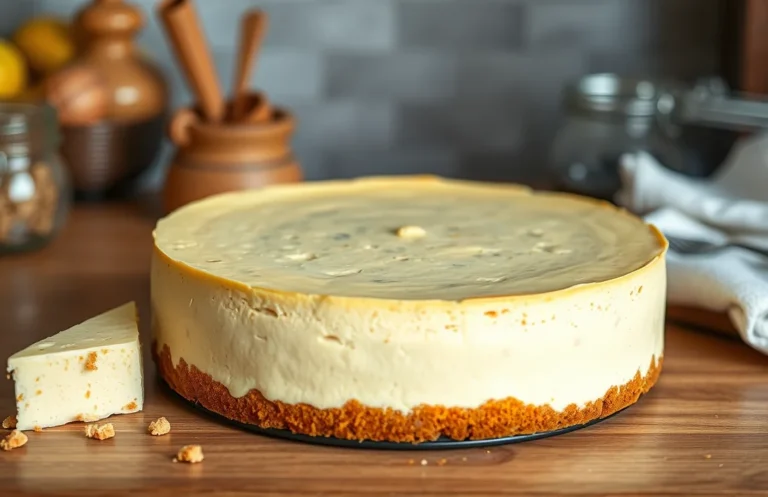
Cheesecake undeniably contains cheese, and the type of cheese used can significantly influence its flavor and texture. Understanding the common cheeses in cheesecake recipes will help you appreciate the variations and might even inspire your next baking adventure.
Common Cheeses Used in Cheesecake
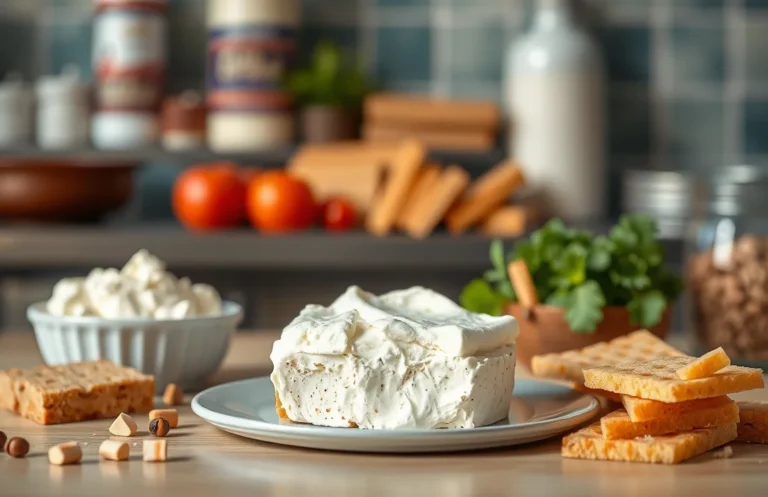
- Cream Cheese: The most popular choice, cream cheese gives cheesecake its rich and creamy texture. Typically, you’ll use about 16 ounces (450g) for a standard 9-inch cheesecake.
- Ricotta: This cheese adds a lighter texture and a slightly grainy mouthfeel. You might use 15 ounces (425g) of ricotta in combination with cream cheese for a unique twist.
- Mascarpone: Known for its luxurious creaminess, mascarpone can replace cream cheese entirely or be used alongside it. A common amount is 8 ounces (225g) for added richness.
- Neufchâtel: A lighter version of cream cheese, Neufchâtel has less fat but still provides that classic cheesecake flavor. Use an equal amount, about 8 ounces (225g), in your recipes.
Chef’s tip: For a smoother cheesecake, always let your cheese come to room temperature before mixing. This prevents lumps and ensures a creamy consistency.
| Cheese Type | Typical Amount |
|---|---|
| Cream Cheese | 16 ounces (450g) |
| Ricotta | 15 ounces (425g) |
| Mascarpone | 8 ounces (225g) |
| Neufchâtel | 8 ounces (225g) |
Each of these cheeses contributes distinct qualities to your cheesecake. Experimenting with them can yield delightful variations, whether you’re looking for a classic flavor or something more adventurous.
Role of Cheese in Texture
The texture and flavor profile of cheesecake are heavily influenced by the types of cheese used in the recipe. Understanding how cheese contributes to creaminess and flavor depth can elevate your cheesecake-making skills and result in a more satisfying dessert.
- Creaminess: The primary cheese used in traditional cheesecake is cream cheese, which is essential for achieving that luscious, creamy texture. When properly blended with sugar and eggs, cream cheese creates a smooth batter that bakes to a custard-like consistency. As you mix, aim for a velvety texture without lumps; it should feel soft and spreadable. If your mixture is grainy, continue mixing until it is completely smooth.
- Flavor Depth: The addition of other cheeses, such as mascarpone or ricotta, can enhance the flavor complexity of your cheesecake. Mascarpone adds a rich, buttery note, while ricotta contributes a light, slightly grainy texture that can balance the creaminess of the cream cheese. When incorporating these cheeses, make sure to blend them with the cream cheese thoroughly to avoid any separation during baking, which can lead to an uneven texture.
- Temperature Considerations: Always use cheese that is at room temperature for the best results. Cold cheese can lead to a lumpy batter that doesn’t blend well. Aim for a temperature of around 70°F (21°C) before mixing; it should feel soft and easy to spread. This helps in achieving a uniform texture throughout the cheesecake.
Chef’s tip: For a lighter cheesecake, consider folding in whipped cream at the end of the mixing process. This adds air and results in a fluffier texture!
Classic Cheesecake Recipe
This section will provide you with a straightforward classic cheesecake recipe that highlights the key cheese component and its role in creating that delicious, creamy texture. Understanding the ingredients and steps is essential for perfecting your cheesecake and knowing that it indeed contains cheese—typically cream cheese, which is the star of this dessert!
Ingredients List
- 1 ½ cups graham cracker crumbs (150g)
- ⅓ cup granulated sugar (67g)
- ½ cup unsalted butter, melted (115g)
- 4 packages (8 oz each) cream cheese, softened (900g)
- 1 cup granulated sugar (200g)
- 1 teaspoon vanilla extract
- 4 large eggs
- 1 cup sour cream (240g)
- ¼ cup all-purpose flour (30g)
Preparation Steps
- Preheat your oven to 325°F (160°C). This temperature is crucial for ensuring a smooth baking process, which helps to avoid cracks in your cheesecake.
- In a medium bowl, combine the graham cracker crumbs, ⅓ cup granulated sugar, and melted butter. Mix until the crumbs are evenly coated and the mixture resembles wet sand. Press this mixture firmly into the bottom of a 9-inch springform pan to form an even crust.
- In a large mixing bowl, beat the softened cream cheese with an electric mixer on medium speed until smooth and creamy, about 2-3 minutes. The cream cheese should be free of lumps and look velvety.
- Gradually add the 1 cup of granulated sugar, vanilla extract, and sour cream to the cream cheese. Mix until fully incorporated. Scrape down the sides of the bowl occasionally to ensure everything is combined.
- Add the eggs, one at a time, mixing on low speed after each addition just until blended. Overmixing can introduce air bubbles, which may cause cracks in your cheesecake. The batter should be smooth and creamy.
- Lastly, fold in the ¼ cup of flour gently to help stabilize the batter. It should feel thick and silky.
- Pour the cheesecake batter over the prepared crust in the springform pan, smoothing the top with a spatula. Bake in the preheated oven for 55-60 minutes, or until the edges are set, and the center slightly jiggles.
- Once baked, turn off the oven and crack the oven door, allowing the cheesecake to cool gradually for about 1 hour. This step helps to prevent cracking.
- Chill the cheesecake in the refrigerator for at least 4 hours, preferably overnight, before serving. The cheesecake should feel firm to the touch and be beautifully set.
Common Mistakes to Avoid
When it comes to making cheesecake, understanding the role of cheese and avoiding common mistakes is crucial for achieving that perfect creamy texture. Overmixing and improper temperature control can lead to a less-than-ideal outcome, so let’s break down these pitfalls.
- Overmixing the Batter: Mixing too vigorously can incorporate excess air, leading to a cheesecake that cracks or has an undesirable texture. Aim for a gentle mixing technique, especially after adding the eggs. You want a smooth mixture without bubbles.
- Ignoring Temperature Control: Cheesecake filling should be at room temperature before baking, generally around 70°F (21°C). Cold ingredients can lead to uneven baking and a dense texture. Always allow your cream cheese to soften for at least 30 minutes before mixing.
- Skipping the Water Bath: A water bath (bain-marie) helps regulate baking temperatures. If you skip this step, your cheesecake might bake too quickly on the outside while remaining undercooked inside. Wrap your springform pan in aluminum foil and place it in a larger pan filled with hot water.
- Not Preheating the Oven: Always preheat your oven to the correct temperature, which is typically 325°F (163°C) for cheesecakes. A properly preheated oven ensures even cooking, resulting in a creamy filling without cracks.
Cheesecake Variations
Cheesecake, by definition, contains cheese, which gives it that creamy, rich texture we all love. However, there are countless creative variations to enhance its flavor, including delightful fruit toppings, indulgent chocolate swirls, and even vegan alternatives that cater to different dietary needs. Let’s dive into some delicious ways to personalize your cheesecake!
Fruit Toppings
Fresh fruit toppings can add a burst of flavor and color to your cheesecake. Here are some popular options:
- 1 cup fresh strawberries, hulled and sliced
- 1 cup blueberries
- 1 cup raspberries
- ½ cup apricot preserves (for glazing)
- Prepare your fruit by washing and slicing as needed. For strawberries, slice them into thin pieces.
- In a small saucepan over medium heat, warm the apricot preserves until they become syrupy, about 3-4 minutes.
- Remove from heat and let cool slightly before drizzling over your cheesecake and topping with fresh fruit.
Chocolate Swirls
Add a decadent chocolate swirl to your cheesecake for an extra layer of flavor. Here’s how:
- 4 oz (113g) semi-sweet chocolate, chopped
- 2 tablespoons heavy cream
- In a microwave-safe bowl, combine the chopped chocolate and heavy cream. Microwave in 30-second intervals, stirring until smooth.
- Once your cheesecake batter is ready, pour half into the pan. Drizzle some of the melted chocolate on top, then add the remaining batter. Use a knife to swirl the chocolate into the batter.
Vegan Options
For those looking for a dairy-free option, you can make a delicious vegan cheesecake using these ingredients:
- 2 cups raw cashews, soaked for 4 hours and drained
- ½ cup coconut cream
- ½ cup maple syrup
- 2 tablespoons lemon juice
- In a blender, combine the soaked cashews, coconut cream, maple syrup, and lemon juice. Blend until completely smooth.
- Pour the mixture into a prepared crust and freeze for at least 4 hours or until set.
Chef’s tip: Allow the vegan cheesecake to thaw for 30 minutes before slicing for the best texture.
Serving and Plating Tips
Serving cheesecake can be just as delightful as making it. Elegantly plating your cheesecake not only enhances its visual appeal but also elevates the overall dining experience. Here are some garnishing ideas and beverage pairings that will complement the rich, creamy flavors of cheesecake.
Garnishing Ideas
- For a classic touch, dust the top of your cheesecake with powdered sugar right before serving. This adds a beautiful white contrast and a hint of sweetness.
- Fresh fruits like strawberries, raspberries, or blueberries can be arranged on top or around the cheesecake. They add color and a refreshing tartness that balances the richness of the cheese.
- Consider drizzling a homemade fruit coulis or chocolate sauce over the cheesecake for an extra layer of flavor. To make a simple berry coulis, blend 1 cup of fresh or frozen berries with 2 tablespoons of sugar until smooth.
- Whipped cream is a traditional garnish. Whip 1 cup of heavy cream with 2 tablespoons of sugar until soft peaks form for a luscious topping.
Beverage Pairings
- A creamy cheesecake pairs beautifully with a glass of dessert wine, such as a late-harvest Riesling or Sauternes. Their sweetness complements the cheesecake without overpowering it.
- Coffee lovers will appreciate a rich espresso or a creamy cappuccino alongside their slice. The bitter notes of coffee can enhance the flavors of the cheese.
- For a non-alcoholic option, try serving with a sparkling water infused with lemon or mint. The bubbles and freshness cleanse the palate between bites.
By incorporating these garnishing ideas and beverage pairings, you can elevate your cheesecake presentation and create a memorable dessert experience for your guests.
Quick Summary
| Prep Time | 20 minutes |
|---|---|
| Cook Time | 60 minutes |
| Total Time | 1 hour 20 minutes |
| Servings | 8 servings |
- Use cream cheese: The base of a traditional cheesecake is made with cream cheese.
- Pre-bake crust: Bake the graham cracker crust for 10 minutes to avoid sogginess.
- Water bath: Use a water bath while baking to ensure even cooking and prevent cracks.
- Cool gradually: Let the cheesecake cool in the oven to prevent sudden temperature changes.
- Chill before serving: Refrigerate for at least 4 hours for the best texture and flavor.
Frequently Asked Questions
Can I make this ahead of time? How to store and reheat?
You can absolutely make cheesecake ahead of time; it actually tastes better the next day! Store it in the refrigerator, covered with plastic wrap, for up to 5 days, and avoid reheating as it’s best served cold.
What can I substitute for cream cheese?
If you need a substitute for cream cheese, you can use mascarpone cheese or a blended mixture of Greek yogurt and sour cream in a 1:1 ratio. Just keep in mind that this may slightly alter the flavor and texture.
How do I know when it’s done?
Your cheesecake is done when the edges are set but the center is still slightly jiggly, which should take about 60-70 minutes at 325°F (160°C). It will firm up as it cools, so don’t overbake!
Can I freeze this? How long does it last?
Yes, you can freeze cheesecake for up to 3 months; just wrap it tightly in plastic wrap and then in aluminum foil to prevent freezer burn. Thaw it in the refrigerator overnight before serving for the best texture.
Why did my cheesecake turn out cracked?
Cracks often occur due to rapid baking or overmixing; make sure to bake at a low temperature and mix just until combined. You can also try adding a water bath to maintain moisture during baking.

- Make Cheesecake Up to 3 Days Ahead: Tips for Best Flavor & Texture - March 4, 2026
- Easy No-Bake Cool Doen Cheesecake: Quick Recipe & Tips - March 4, 2026
- Decadent Dulce de Leche Cheesecake: Easy Step-by-Step Recipe - March 4, 2026