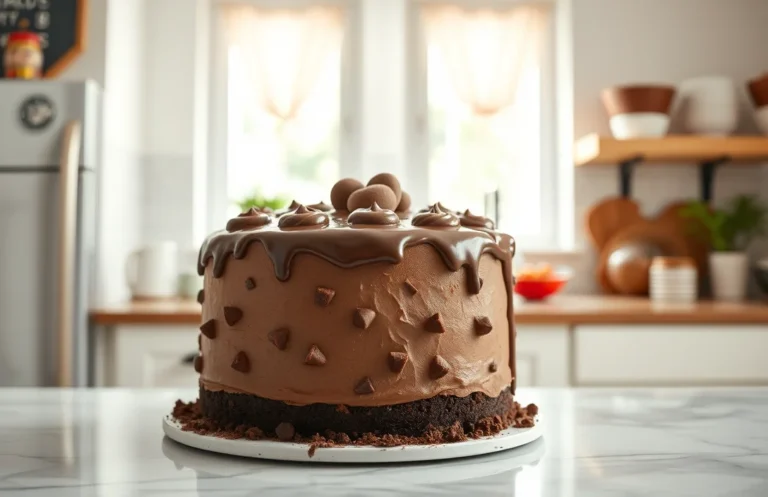
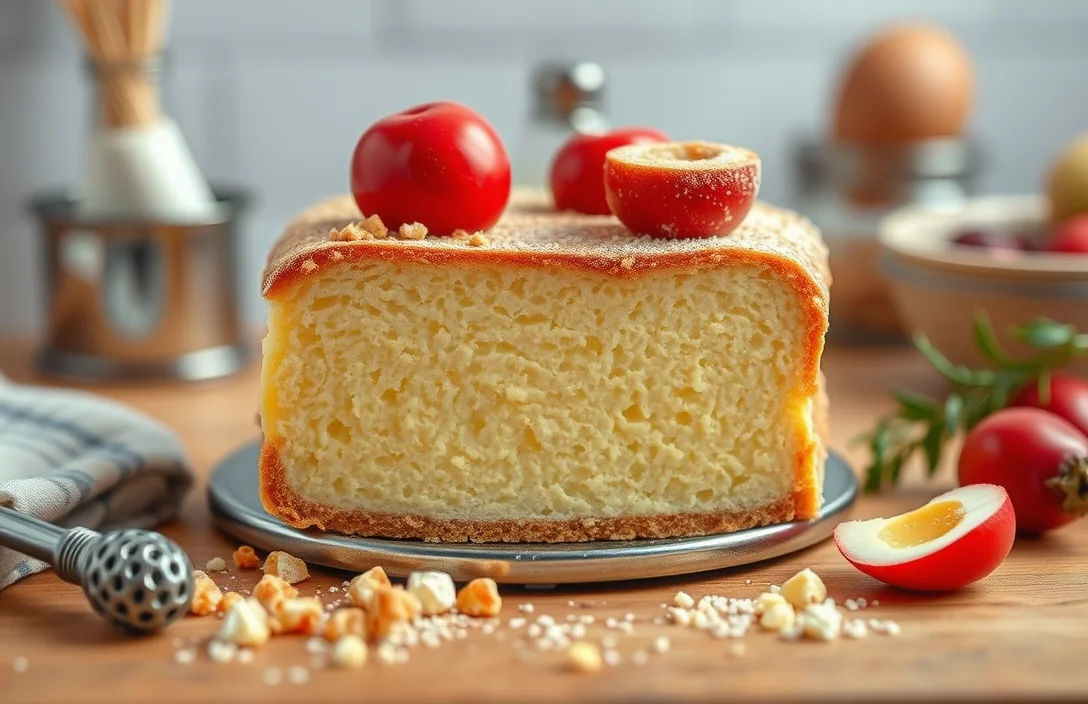
Does Cheesecake Need Eggs? Explore Variations & Recipes
Cheesecake is one of those desserts that never fails to impress, whether it’s a cozy weeknight treat or the star of a special occasion. The creamy richness and the buttery crust make every bite a delight, leaving you craving just one more slice. Trust me, once you taste a well-made cheesecake, you’ll be dreaming about it long after the last crumb!
To answer your question, yes, cheesecake often includes eggs, which play a crucial role in achieving that velvety texture. This guide covers everything from different cheesecake types to egg-free alternatives, ensuring you have all the information you need to bake the perfect cheesecake.
| Prep Time | Cook Time | Total Time | Servings | Difficulty |
|---|---|---|---|---|
| 20 minutes | 50 minutes | 70 minutes | 8 servings | Medium |
Cheesecake Origins and Importance
Understanding the origins and cultural significance of cheesecake provides insight into its diverse variations, particularly regarding the use of eggs as an ingredient. Cheesecake has evolved through centuries, reflecting regional flavors and preferences, which often dictate whether eggs are included in the recipe.
- Historical Background: The earliest known cheesecake dates back to ancient Greece, where it was made with simple ingredients like cheese and honey. The Romans later adopted and adapted this dessert, spreading it throughout Europe. Over time, various cultures began to incorporate their own ingredients, leading to the rich variations we enjoy today.
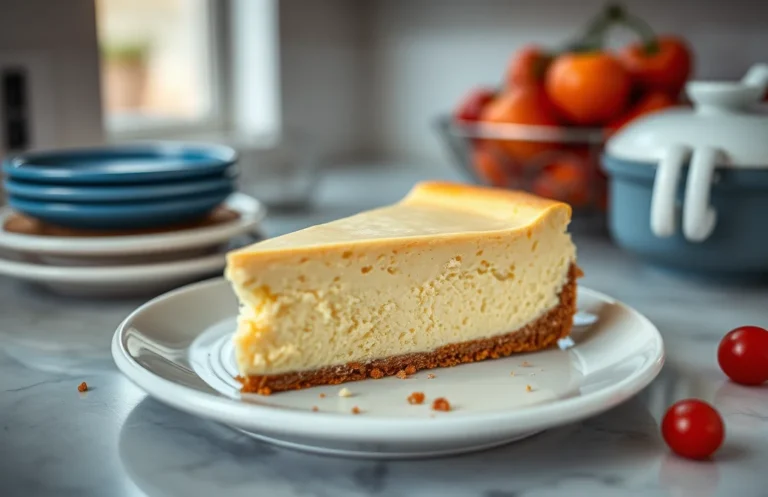
- Cultural Significance: Cheesecake holds a special place in various culinary traditions. For instance, the New York-style cheesecake is renowned for its creamy texture, often made with eggs to provide structure and richness. In contrast, Italian ricotta cheesecake may have a lighter texture and can sometimes be made without eggs, showcasing how regional ingredients and preferences shape recipes.
- Eggs in Cheesecake: Eggs are a common ingredient in many cheesecake recipes, particularly those that require a firmer texture. They act as a binding agent, helping to create that signature creamy consistency. However, there are egg-free variations that cater to dietary restrictions or personal preferences, showcasing the versatility of this beloved dessert.
Cheesecake Ingredients List
Understanding the ingredients in cheesecake is essential for crafting the perfect dessert. This section will clarify whether eggs are a common ingredient in cheesecake, along with variations that may include or exclude them. Knowing the role of each ingredient helps in achieving the desired texture and flavor.
| Item | Amount/Specification | Notes |
|---|---|---|
| Cream Cheese | 16 ounces (450g) | Softened, for a smooth filling |
| Sugar | ¾ cup (150g) | Granulated, adjust for sweetness preference |
| Sour Cream | 1 cup (240g) | Adds creaminess and tang |
| Eggs | 3 large | Essential for traditional cheesecake structure |
| Vanilla Extract | 1 teaspoon (5ml) | Imparts flavor |
| Graham Cracker Crust | 1 ½ cups (150g) crumbs | Store-bought or homemade |
- If you’re making a no-bake cheesecake, you can substitute eggs with extra cream cheese or whipped cream for a lighter texture.
- For a denser cheesecake, use fewer eggs or add an extra block of cream cheese.
- Remember, the eggs should be at room temperature; this helps them blend smoothly into the mixture.
- Do not overmix the batter once the eggs are added to prevent cracks during baking.
Essential Kitchen Tools
To create a delicious cheesecake, having the right kitchen tools is essential. This section will outline the equipment you’ll need for preparation and baking, ensuring your cheesecake turns out perfectly whether it includes eggs or not.
- Springform Pan: A 9-inch springform pan is ideal for cheesecakes. It allows for easy removal of the cake once it’s set. Ensure the pan is tightly sealed to prevent any leaks during baking.
- Mixing Bowls: Use a large mixing bowl for combining your cream cheese and sugar. A medium bowl is also helpful for whisking eggs, if used. Choose bowls that are easy to clean, preferably glass or stainless steel.
- Electric Mixer: A hand or stand mixer will make it easier to beat the cream cheese until smooth. Look for one with multiple speed settings to avoid splattering when starting at a low speed.
- Rubber Spatula: This tool is perfect for scraping down the sides of your mixing bowl. Use it to fold in any ingredients gently, especially if you’re adding eggs or whipped cream to maintain a light texture.
- Measuring Cups and Spoons: Accurate measurements are crucial in baking. Have a set of dry measuring cups for ingredients like flour and sugar, and liquid measuring cups for items like cream.
- Oven Thermometer: It’s good practice to check your oven’s temperature with an oven thermometer. This ensures your cheesecake bakes at the correct temperature of 325°F (163°C) for a smooth finish.
- Cooling Rack: After baking, allow the cheesecake to cool on a wire rack. This prevents condensation from forming and helps maintain the texture.
Step-by-Step Cheesecake Recipe
This section will clarify the role of eggs in cheesecake recipes and guide you through the mixing and baking process. Understanding whether to include eggs can significantly affect the texture and flavor of your cheesecake, and I’ll walk you through each step to ensure your success.
- Gather your ingredients: You’ll need 2 cups (480g) cream cheese, 1 cup (200g) granulated sugar, ½ cup (120ml) sour cream, 3 large eggs, 1 teaspoon vanilla extract, and a pre-made graham cracker crust. If you’re avoiding eggs, you can substitute them with ½ cup (120g) unsweetened applesauce or 1 tablespoon of cornstarch mixed with 3 tablespoons of water per egg.
- Preheat your oven: Set your oven to 325°F (160°C). Preheating ensures even baking, which is crucial for a creamy cheesecake. You can check the temperature with an oven thermometer to make sure it’s accurate.
- Mix the cream cheese: In a large mixing bowl, beat 2 cups of cream cheese with an electric mixer on medium speed until smooth and creamy, about 2-3 minutes. Scrape the sides of the bowl frequently to incorporate all the cheese.
- Add sugar and sour cream: Gradually add in 1 cup of granulated sugar and ½ cup of sour cream. Continue mixing until combined, about 2 minutes. The mixture should be silky and glossy, with no lumps remaining.
- Incorporate the eggs: With the mixer on low speed, add the 3 large eggs one at a time, mixing just until combined after each addition. This will prevent overmixing and help maintain a light texture. The batter should look smooth and slightly thick.
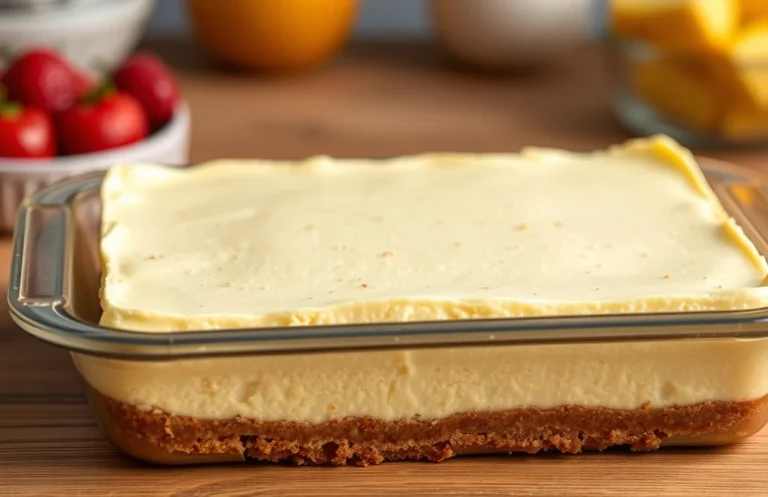
- Pour into prepared crust: Carefully pour the cheesecake mixture into your graham cracker crust, smoothing the top with a spatula. At this stage, it should look creamy and well-blended. Avoid overfilling to prevent spilling while baking.
- Bake the cheesecake: Place the cheesecake in the preheated oven and bake for 50-60 minutes. The edges should be set, while the center remains slightly jiggly. This indicates it’s done. Remember, do not open the oven door during the first 30 minutes to ensure even rising.
Pro Tips and Common Mistakes
Understanding the role of eggs in cheesecake is crucial for achieving the perfect texture and avoiding common pitfalls. Eggs contribute to the structure and creaminess of your cheesecake, but the amount and method of incorporation can significantly affect the final product.
- Choose the right egg quantity: Most classic cheesecake recipes call for 3 to 4 large eggs. This amount helps create a rich, creamy texture without being overly dense. If you want a lighter version, consider using 2 eggs and substituting 1 cup of sour cream for additional creaminess.
- Incorporate eggs gradually: When mixing your cheesecake batter, add the eggs one at a time. This ensures even blending and prevents incorporating too much air, which can lead to cracks during baking.
- Room temperature matters: Use eggs that are at room temperature. Cold eggs can cause the batter to curdle and lead to an uneven texture. Let the eggs sit out for about 30 minutes before mixing.
- Watch your baking temperature: Bake your cheesecake at 325°F (163°C) for a gentle rise. A temperature that’s too high can cause the cheesecake to puff up and crack. Always preheat your oven to ensure even baking.
- Use a water bath: If cracks are a concern, consider using a water bath (bain-marie) during baking. Wrap your springform pan in aluminum foil to prevent water from seeping in, then place it in a larger pan filled with hot water. This helps maintain moisture and a stable temperature.
Cheesecake Variations Explained
Understanding the role of eggs in cheesecake recipes can greatly influence your baking results. Different variations of cheesecake either include or exclude eggs, affecting both texture and flavor. Let’s break down some popular types of cheesecakes and their specific ingredient requirements.
| Item | Amount/Specification | Notes |
|---|---|---|
| New York Style Cheesecake | 3 large eggs | Gives a rich and dense texture. |
| No-Bake Cheesecake | 0 eggs | Uses whipped cream or gelatin for structure. |
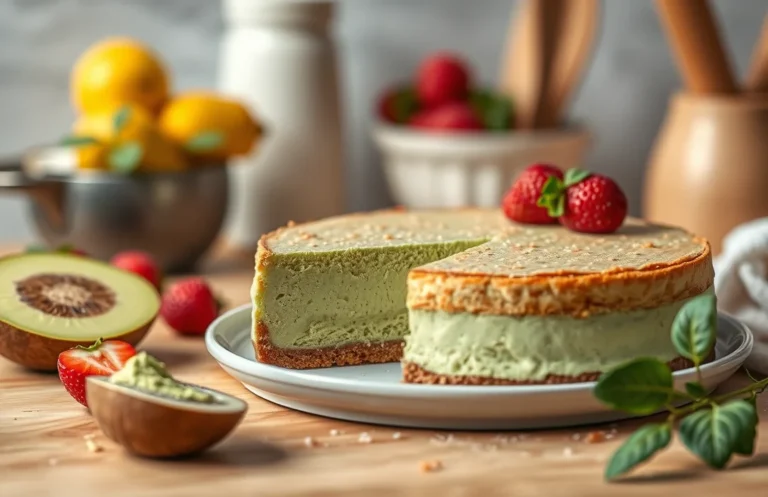
| Italian Ricotta Cheesecake | 2 large eggs | A lighter texture, often flavored with citrus. |
| Japanese Cotton Cheesecake | 3 large eggs | Fluffy and soft, requires egg whites to be beaten. |
- For New York Style: Ensure eggs are at room temperature for smooth incorporation.
- For No-Bake Options: Use high-quality cream cheese for the best flavor.
- Common Mistake: Overmixing can lead to cracks; mix just until combined.
Serving and Plating Suggestions
Presenting your cheesecake can elevate the overall experience, making it a feast for the eyes as well as the palate. Whether your cheesecake contains eggs or not, there are delightful ways to serve and pair it that enhance its flavors and appeal.
Presentation Tips
- Use a springform pan for a clean, professional look. Remove the sides gently after chilling.
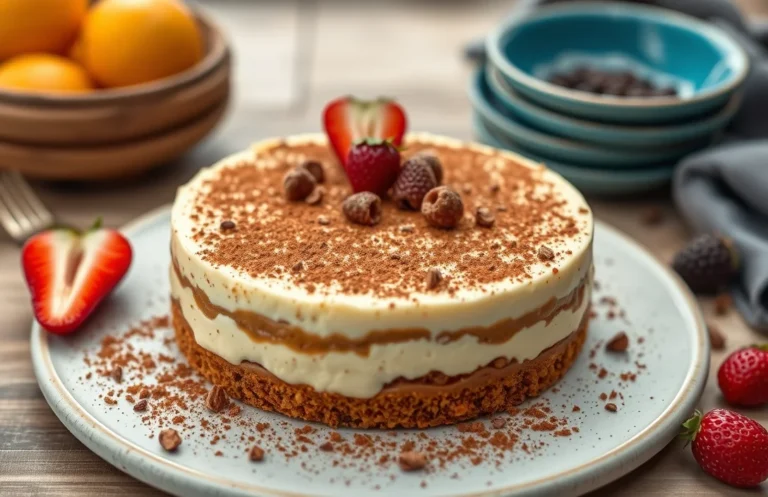
- Top your cheesecake with fresh fruits such as strawberries, blueberries, or a drizzle of chocolate sauce for color and flavor.
- Dust the top with powdered sugar just before serving for an elegant touch.
- Serve slices on individual dessert plates with a mint leaf for an added pop of color.
Complementary Flavors
Pairing your cheesecake with the right accompaniments can enhance its taste. Here are some suggestions:
- Serve with a dollop of whipped cream to add lightness.
- Consider a berry compote made from 1 cup of mixed berries simmered with 2 tablespoons of sugar and a splash of lemon juice to bring a tart contrast.
- For a rich pairing, try a scoop of vanilla ice cream alongside the cheesecake.
Chef’s tip: If your cheesecake has eggs, allow it to cool completely before slicing to avoid cracks and ensure a smooth cut.
| Serving Suggestions | Complementary Flavors |
|---|---|
| Whipped Cream | Berry Compote |
| Fresh Fruits | Chocolate Sauce |
| Chocolate Shavings | Vanilla Ice Cream |
Remember, the key to a successful presentation is balance and color. Enjoy the process, and let your cheesecake shine!
Quick Summary
| Prep Time | Cook Time | Total Time | Servings |
|---|---|---|---|
| 15 minutes | 60 minutes | 1 hour 15 minutes | 8 |
- Incorporate eggs: Essential for a creamy texture and structure.
- Bake at 325°F: Ensures even cooking and prevents cracks.
- Cool gradually: Let the cheesecake cool in the oven to avoid sudden temperature changes.
- Chill overnight: Enhances flavor and sets the texture perfectly.
- Use room temperature ingredients: Improves mixing and prevents lumps.
- Tip: Don’t overmix to avoid incorporating too much air.
- Tip: Use a water bath for a smoother finish.
Frequently Asked Questions
Can I make this cheesecake ahead of time? How to store and reheat?
You can absolutely make cheesecake ahead of time; in fact, it’s often recommended to let it chill in the refrigerator for at least 4 hours, preferably overnight. Store it covered in the fridge for up to 5 days and enjoy it cold, as reheating isn’t usually necessary.
What can I substitute for eggs in cheesecake?
If you’re looking for egg substitutes, you can use 1/4 cup of unsweetened applesauce or 1/4 cup of silken tofu blended until smooth for each egg. Just keep in mind that the texture may be slightly different, but it will still be delicious!
How do I know when my cheesecake is done?
Your cheesecake is done when the edges are set but the center still has a slight jiggle, which usually takes around 50 to 60 minutes at 325°F (163°C). It will continue to firm up as it cools, so don’t worry if it looks a bit soft right out of the oven!
Can I freeze cheesecake? How long does it last?
Yes, you can freeze cheesecake! Wrap it tightly in plastic wrap or aluminum foil and it will last in the freezer for up to 3 months, just be sure to let it thaw in the refrigerator overnight before serving.
What if I don’t have a springform pan?
If you don’t have a springform pan, you can use a regular round cake pan lined with parchment paper for easy removal. Just be extra careful when cutting or serving, as it may not hold its shape as well without the removable sides!

- Decadent Peanut Butter No-Bake Cheesecake: Easy Recipe to Indulge - April 3, 2026
- Delicious Mango No-Bake Cheesecake: Step-by-Step Recipe - April 3, 2026
- Decadent Raspberry No-Bake Cheesecake: Easy Step-by-Step Recipe - April 3, 2026