Do Cheesecakes Need Eggs? Discover Recipes With and Without Them
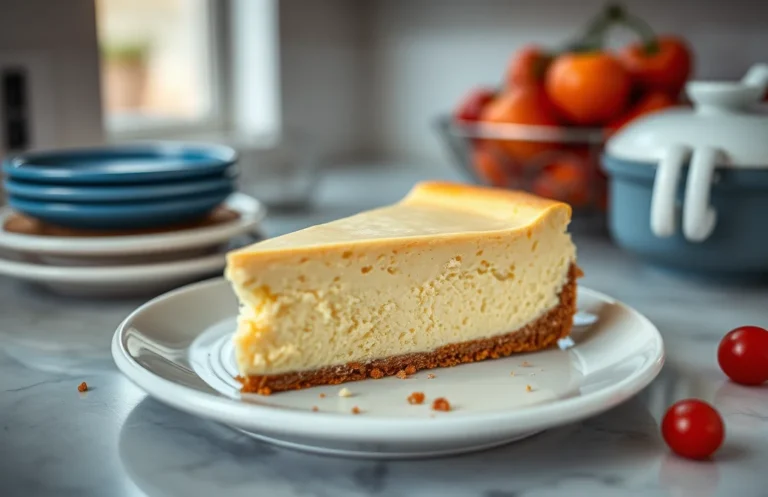
There’s something utterly delightful about cheesecake that makes it a favorite for both weeknight desserts and special occasions. The creamy texture paired with a buttery crust creates a delicious treat that’s hard to resist. Imagine slicing into a rich, perfectly set cheesecake, its smooth surface glistening under the light — it’s pure bliss!
If you’ve been wondering whether cheesecake contains eggs, you’re in the right place. In this guide, you’ll learn about traditional cheesecake recipes, variations that include eggs, and those that don’t. Expect clear instructions, exact measurements, and tips to ensure your cheesecake comes out perfectly every time.
| Prep Time | Cook Time | Total Time | Servings | Difficulty |
|---|---|---|---|---|
| 15 minutes | 1 hour | 1 hour 15 minutes | 8 servings | Easy |
Cheesecake Origins
Cheesecake has a rich history that dates back to ancient Greece, where it was enjoyed as a source of nourishment for athletes during the first Olympic Games. Over centuries, this delightful dessert has evolved, incorporating various ingredients and techniques, leading to a variety of styles, including the classic New York cheesecake. Understanding the traditional components of cheesecake, especially the role of eggs, is essential for any home chef looking to perfect this beloved dish.
| Item | Amount/Specification | Notes |
|---|---|---|
| Cream Cheese | 16 ounces (450g) | Full-fat for creaminess and flavor |
| Sugar | ¾ cup (150g) | Granulated sugar for sweetness |
| Sour Cream | ½ cup (120g) | Adds tanginess and moisture |
| Eggs | 3 large | For traditional recipes, provides structure |
| Vanilla Extract | 1 teaspoon | Enhances flavor |
| Crust | 1 ½ cups (150g) crushed graham crackers | Classic base for texture |
- Some traditional recipes do include eggs, which help set the filling and create a creamy texture.
- Variations exist, such as no-bake cheesecakes that omit eggs altogether, relying on whipped cream or gelatine for stability.
- If you are allergic to eggs, consider using silken tofu or a commercial egg replacer as a substitute in baked cheesecakes.
Ingredients List
This section details the ingredients needed for both traditional and eggless cheesecakes. Understanding these variations is essential for anyone looking to make a cheesecake that suits their dietary preferences or restrictions.
Traditional Cheesecake Ingredients
| Item | Amount/Specification | Notes |
|---|---|---|
| Graham cracker crumbs | 1 ½ cups (150g) | For the crust |
| Granulated sugar | ½ cup (100g) | For crust and filling |
| Unsalted butter | ¾ cup (170g), melted | For crust |
| Cream cheese | 3 (8-ounce) packages (680g) | Softened to room temperature |
| Sour cream | 1 cup (240g) | For creaminess |
| Eggs | 4 large | Room temperature, for structure |
| Vanilla extract | 1 teaspoon | Adds flavor |
Eggless Cheesecake Ingredients
| Item | Amount/Specification | Notes |
|---|---|---|
| Graham cracker crumbs | 1 ½ cups (150g) | For the crust |
| Granulated sugar | ½ cup (100g) | For crust and filling |
| Unsalted butter | ¾ cup (170g), melted | For crust |
| Silken tofu | 1 (12-ounce) package (340g) | Blended until smooth |
| Sour cream or yogurt | 1 cup (240g) | For creaminess |
| Cornstarch | ¼ cup (30g) | For thickening |
| Vanilla extract | 1 teaspoon | Adds flavor |
- For a gluten-free crust, substitute graham cracker crumbs with gluten-free cookies.
- Silken tofu can be swapped with cashew cream for a richer texture in eggless cheesecake.
- Ensure all ingredients are at room temperature for a smooth batter.
Essential Kitchen Equipment
To successfully make both traditional and egg-free cheesecakes, you’ll need the right tools on hand. Each piece of equipment plays a crucial role in ensuring your cheesecake turns out creamy and delicious, whether it contains eggs or not. Here’s a list of essential kitchen equipment to have ready before you start baking.
- Springform Pan: A 9-inch springform pan is ideal for cheesecakes, as it allows for easy removal. Ensure the pan is properly sealed to prevent leaks during baking.
- Mixing Bowls: Use a set of mixing bowls in various sizes. A large bowl is needed for the cheesecake batter and a smaller one for mixing the crust ingredients.
- Electric Mixer: A stand or handheld electric mixer will help achieve a smooth batter, especially if you’re using cream cheese. Mix until the batter is free of lumps and creamy.
- Rubber Spatula: A rubber spatula is essential for folding in ingredients gently, particularly in egg-free recipes where you want to maintain airiness.
- Measuring Cups and Spoons: Accurate measurements are key in baking. Use dry measuring cups for solids and liquid measuring cups for liquids.
- Parchment Paper: Line the bottom of your springform pan with parchment paper to ensure easy removal and prevent sticking.
- Food Processor: A food processor is perfect for crushing graham crackers or other cookies for the crust, ensuring uniform crumbs.
- Oven Thermometer: An oven thermometer helps you verify that your oven is at the correct temperature, which is crucial for proper baking.
Cooking Instructions
This section provides step-by-step instructions for making both traditional and eggless cheesecakes. Understanding the process and what to expect at each stage ensures a delicious outcome, whether you choose to use eggs or not.
Traditional Cheesecake Steps
- Prep the crust: Preheat your oven to 350°F (175°C). In a medium bowl, combine 1 ½ cups graham cracker crumbs, ½ cup granulated sugar, and ½ cup melted unsalted butter. Mix until well combined and press firmly into the bottom of a 9-inch springform pan. Bake for 10 minutes until lightly golden.
- Make the filling: In a large mixing bowl, beat 24 oz (680g) cream cheese until smooth. Gradually add 1 cup granulated sugar, mixing until fully incorporated. Add 3 large eggs, one at a time, mixing well after each addition until the mixture is creamy and smooth.
- Add flavor: Mix in 1 teaspoon vanilla extract and the zest of one lemon for added flavor. The mixture should be silky and slightly thick.
- Bake the cheesecake: Pour the filling over the crust and smooth the top with a spatula. Bake in the preheated oven for 60-70 minutes, until the edges are set and the center is slightly jiggly. The cheesecake will firm up as it cools.
- Cool and chill: Turn off the oven and let the cheesecake cool inside for 1 hour. This helps prevent cracks. Then, refrigerate for at least 4 hours or overnight before serving.
Eggless Cheesecake Steps
- Prepare the crust: Preheat your oven to 350°F (175°C) and follow the same steps for the crust as mentioned above, using the same measurements for graham crackers, sugar, and butter.
- Mix the filling: In a mixing bowl, combine 24 oz (680g) cream cheese with 1 cup granulated sugar and beat until smooth. Add 1 cup sour cream and 1 teaspoon vanilla extract, mixing until completely blended.
- Thicken the mixture: Incorporate 2 tablespoons cornstarch to help set the cheesecake without eggs. The batter should be smooth and slightly thick.
- Bake: Pour the filling over the crust and smooth the top. Bake for 50-60 minutes until the edges are firm and the center appears set, but still has a slight jiggle.
- Cool and chill: Allow the cheesecake to cool in the oven with the door ajar for about 1 hour. Then refrigerate for at least 4 hours or overnight before serving.
Pro Tips for Success
Making the perfect cheesecake can be an art, especially when deciding whether to include eggs. Eggs play a crucial role in traditional cheesecakes, providing structure and richness, while variations without eggs often rely on other ingredients. Here are some expert tips to ensure your cheesecake turns out beautifully, whether you’re using eggs or not.
- Use room temperature ingredients: For a smooth and creamy texture, let your cream cheese, eggs, and sour cream sit at room temperature for at least 30 minutes before mixing. This helps prevent lumps and promotes even blending.
- Don’t overmix: If you’re using eggs, mix just until combined to avoid incorporating too much air, which can cause cracks during baking. Your batter should be smooth and slightly thick, resembling a pancake batter.
- Check your oven temperature: Ovens can vary in temperature accuracy. Use an oven thermometer to ensure your cheesecake bakes at the right temperature (usually 325°F to 350°F or 163°C to 175°C). This helps avoid overcooking, which can lead to a dry texture.
- Water bath for even cooking: If you’re baking a cheesecake with eggs, consider using a water bath (or bain-marie). Wrap your springform pan in aluminum foil and place it in a larger pan filled with hot water. This technique helps regulate the temperature and prevents the cheesecake from cracking.
- Cool gradually: Once your cheesecake is baked, turn off the oven and crack the door open, letting the cheesecake cool slowly for about an hour. This step helps prevent cracks and maintains a creamy texture.
Variations and Substitutions
Cheesecake is a versatile dessert that can accommodate various dietary needs, making it enjoyable for everyone. Understanding how to modify traditional recipes can help you create delicious options that either include or exclude eggs, depending on your preferences or restrictions.
Gluten-Free Options
For those who need to avoid gluten, you can easily make a gluten-free cheesecake crust. Here’s a simple substitution:
- 1 ½ cups gluten-free graham cracker crumbs
- ½ cup unsalted butter, melted
- 2 tablespoons sugar
Mix the gluten-free crumbs, melted butter, and sugar in a bowl until well combined. Press the mixture firmly into the bottom of your springform pan. Bake at 350°F (175°C) for 10 minutes until lightly golden. This crust will provide a delightful base without compromising on taste.
Vegan Alternatives
If you’re looking for a vegan cheesecake that doesn’t use eggs, consider these ingredients:
- 1 ½ cups raw cashews, soaked for 4-6 hours
- ½ cup coconut cream
- ½ cup maple syrup
- 2 tablespoons lemon juice
Blend the soaked cashews, coconut cream, maple syrup, and lemon juice until completely smooth. Pour this mixture over a prepared crust (use the gluten-free option above or a date and nut crust) and chill in the refrigerator for at least 4 hours until set. The finished product should be creamy and firm, with a rich flavor that rivals traditional cheesecake.
Chef’s tip: Always taste your filling before pouring it into the crust. Adjust sweetness or acidity to your preference!
Serving and Plating Ideas
Presenting your cheesecake beautifully can elevate the entire dessert experience. Whether you’ve made a classic cheesecake with eggs or a no-bake version without, how you serve and plate it matters just as much as the taste. Here are some creative ideas to make your cheesecake shine on any table.
- Chill and Slice: After your cheesecake has set, chill it in the refrigerator for at least 4 hours or overnight. This allows the flavors to develop and the texture to firm up, making it easier to slice. Use a sharp, warm knife for clean cuts; dip it in hot water and wipe it dry before slicing to prevent sticking.
- Garnish with Fresh Fruits: Top your cheesecake with fresh berries, like strawberries or blueberries, for a pop of color and added freshness. Arrange them in a circular pattern on top for an appealing look. Drizzle with a bit of honey or a fruit coulis for added sweetness and visual appeal.
- Serve with Whipped Cream: Lightly sweetened whipped cream complements the creaminess of cheesecake beautifully. Whip 1 cup of heavy cream with 2 tablespoons of powdered sugar until soft peaks form. Spoon or pipe it onto slices for a restaurant-style finish.
- Plate with Sauce: Create a sauce using pureed fruits, chocolate, or caramel. For a quick fruit sauce, blend 1 cup of raspberries with 2 tablespoons of sugar until smooth. Drizzle this around the slice on the plate for a professional touch.
- Use a Decorative Plate: Choose a plate that enhances the presentation, like a white plate to make the cheesecake stand out or a colorful one to contrast the dessert. Consider using a cake stand to elevate the cheesecake if serving it whole.
Chef’s tip: For an extra touch, sprinkle graham cracker crumbs on top of the cheesecake before serving for added texture and decoration.
Quick Summary
| Prep Time | Cook Time | Total Time | Servings |
|---|---|---|---|
| 15 minutes | 60 minutes | 75 minutes | 8 servings |
- Check the recipe: Traditional cheesecake often contains eggs for texture.
- Mix ingredients: Blend cream cheese, sugar, and eggs until smooth.
- Bake it right: Bake at 325°F (160°C) for about 60 minutes.
- Cool properly: Let it cool in the oven to prevent cracks.
- Chill before serving: Refrigerate for at least 4 hours for best flavor.
- Tip: Use room temperature ingredients for a smoother batter.
- Tip: Avoid over-mixing to keep the cheesecake light and airy.
Frequently Asked Questions
Can I make this cheesecake ahead of time? How to store and reheat?
You can definitely make cheesecake up to 2-3 days in advance; just store it covered in the refrigerator. To serve, let it sit at room temperature for about 30 minutes before slicing.
What can I substitute for eggs in cheesecake?
You can use 1/4 cup of unsweetened applesauce or 1/4 cup of silken tofu blended until smooth as a substitute for each egg. This will help maintain the creamy texture, though the flavor may be slightly different.
How do I know when my cheesecake is done?
Your cheesecake is done when the edges are set but the center still has a slight jiggle, usually after about 50-60 minutes at 325°F (163°C). It will firm up as it cools, so don’t overbake it.
Can I freeze this cheesecake? How long does it last?
You can freeze cheesecake for up to 2-3 months, wrapped tightly in plastic wrap and then in foil. Thaw it in the refrigerator overnight before serving for the best texture.
Why did my cheesecake crack on top?
Your cheesecake may crack if it was baked too quickly or at too high a temperature, so always bake at 325°F (163°C). To prevent this, you can also place a shallow pan of water in the oven during baking to keep the humidity up.

- Make Cheesecake Up to 3 Days Ahead: Tips for Best Flavor & Texture - March 4, 2026
- Easy No-Bake Cool Doen Cheesecake: Quick Recipe & Tips - March 4, 2026
- Decadent Dulce de Leche Cheesecake: Easy Step-by-Step Recipe - March 4, 2026