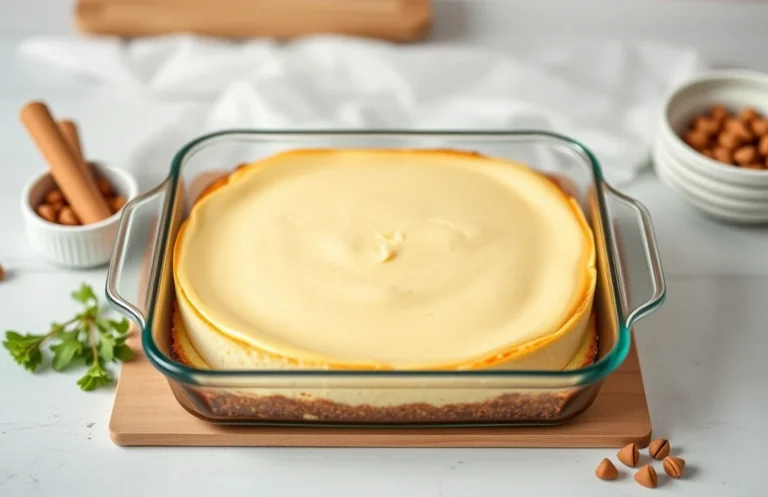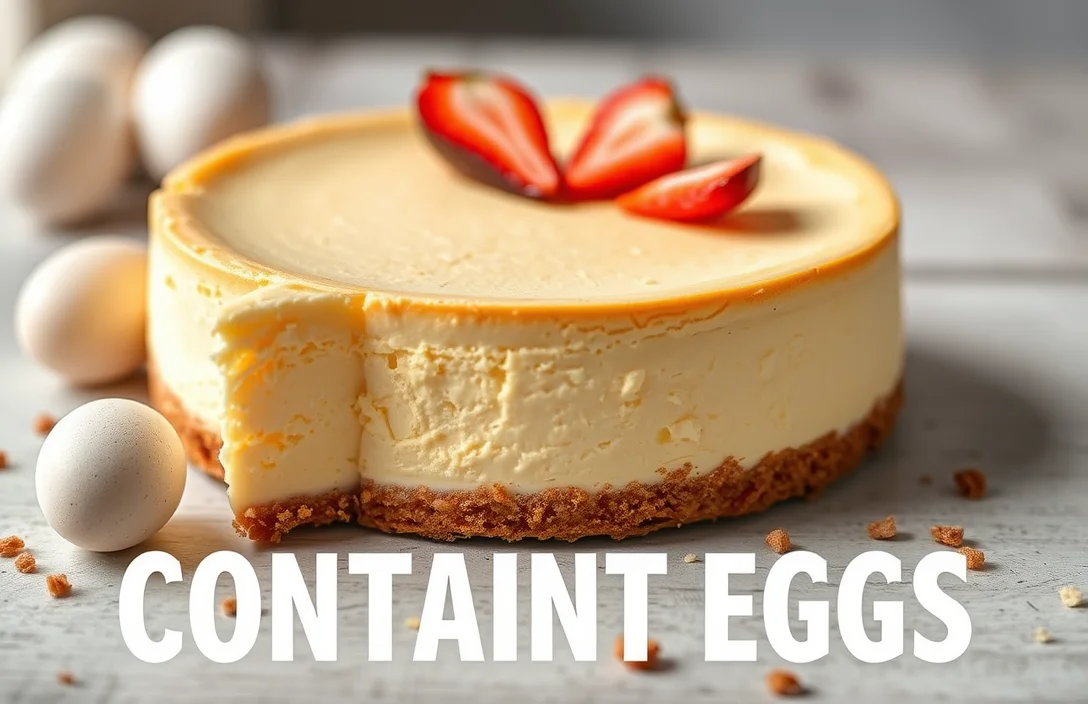
Do Cheesecakes Need Eggs? Explore Recipes With and Without Them
If you’ve ever sunk your fork into a velvety slice of cheesecake, you know just how special it is. This dessert is the perfect blend of creamy and sweet, making it a popular choice for celebrations, dinner parties, or even a cozy night in. Every bite feels like a hug, leaving you craving just one more piece!
Wondering does cheesecake contain eggs? You’ll find out right here! We’ll cover traditional recipes that use eggs, share 2-3 delightful egg-free options, and provide tips for substitutes. Plus, you’ll get clear measurements, cooking times, and troubleshooting advice.
| Prep Time | 20 minutes |
|---|---|
| Cook Time | 60 minutes |
| Total Time | 1 hour 20 minutes |
| Servings | 8 |
| Difficulty | Medium |
Cheesecake’s Origins
Understanding the origins of cheesecake adds depth to its enjoyment, especially when considering whether it contains eggs. Cheesecake has a rich history that reflects regional variations and culinary traditions, which influence its ingredients and texture.
- Ancient Beginnings: The earliest known cheesecake dates back to ancient Greece, where it was served to athletes at the first Olympic Games around 776 B.C. Made with simple ingredients, these early versions likely contained cheese, honey, and flour, but eggs were not a primary component.
- Evolution through History: As cheesecake spread through Europe, particularly in Italy and France, recipes evolved. By the 18th century, the use of eggs became more common, particularly in the rich and creamy New York-style cheesecake that many enjoy today.
- Regional Variations: Different regions have their unique takes on cheesecake. For instance, Italian ricotta cheesecake often uses ricotta cheese and may not include eggs, while the classic American version typically does. This reflects the local palate and available ingredients.
- Modern Adaptations: Today, cheesecake recipes vary widely, with many egg-free options available for vegans or those with egg allergies. Ingredients like silken tofu or cashews are popular substitutes, allowing for a similar texture without the use of eggs.
Ingredients List
This section provides a detailed list of ingredients for traditional cheesecakes that include eggs. Understanding the exact measurements and types of ingredients is essential for achieving that creamy, rich texture characteristic of classic cheesecakes.
| Item | Amount/Specification | Notes |
|---|---|---|
| Graham cracker crumbs | 1 ½ cups (150g) | For the crust; can substitute with gluten-free crumbs. |
| Granulated sugar | ½ cup (100g) | Divided; 2 tablespoons for crust and the rest for filling. |
| Unsalted butter | 6 tablespoons (85g) | Melted for the crust. |
| Philadelphia cream cheese | 24 ounces (680g) | Softened, for filling; ensure it’s at room temperature. |
| Sour cream | 1 cup (240g) | Provides creaminess; full-fat is recommended. |
| Eggs | 3 large | Room temperature; essential for structure. |
| Vanilla extract | 1 teaspoon | For flavor; pure vanilla extract preferred. |
| All-purpose flour | 2 tablespoons (15g) | Optional, for a slightly firmer texture. |
- Always preheat your oven to 325°F (160°C) before mixing the ingredients.
- Make sure the cream cheese is fully softened to prevent lumps; ideally, leave it out for 1-2 hours before use.
- If you’re allergic to eggs, consider using a commercial egg replacer or ½ cup unsweetened applesauce for each egg.
- Keep an eye on the cheesecake as it bakes; it should be set but still slightly jiggly in the center when done.
Essential Kitchen Tools
To create a delicious cheesecake, whether it contains eggs or not, having the right kitchen tools is essential. These tools will help streamline the process and ensure your cheesecake turns out perfectly every time.
- Springform Pan: A 9-inch springform pan is ideal for cheesecakes. Its removable sides allow for easy release without damaging the cake’s delicate texture. Ensure the pan is tightly sealed to prevent leaks during baking.
- Mixing Bowls: Use at least two mixing bowls, one for the crust and one for the filling. A medium bowl (3-quart size) works well for the filling, while a smaller bowl (1-quart size) is perfect for mixing the crust ingredients. Make sure they are clean and dry before starting.
- Electric Mixer: A hand or stand mixer is crucial for achieving a smooth cheesecake filling. Mix on low speed initially to avoid splatters, then increase to medium until the mixture is creamy and well combined, about 2-3 minutes.
- Rubber Spatula: A rubber spatula is indispensable for folding ingredients together gently, especially if you’re making an egg-free cheesecake. It helps incorporate air without deflating the mixture, ensuring a light and airy texture.
- Measuring Cups and Spoons: Accurate measurements are vital for cheesecake recipes. Use dry measuring cups for ingredients like graham cracker crumbs and wet measuring cups for liquids like cream cheese and sour cream. Invest in a set of measuring spoons for precise quantities.
- Oven Thermometer: Ovens can often be inaccurate. An oven thermometer helps ensure that your cheesecake bakes at the correct temperature of 325°F (163°C) for even cooking. This will help prevent cracks on the surface of your cheesecake.
- Cooling Rack: Allow your cheesecake to cool completely on a wire cooling rack before serving. This helps to set the filling properly and prevents condensation from forming, which can make the crust soggy.
Step-by-Step Instructions
This section will guide you through making a classic cheesecake that includes eggs, highlighting the importance of eggs in achieving the perfect texture and richness. Each step is detailed to ensure you know exactly what to expect throughout the process.
- Ingredients:
- 1 ½ cups graham cracker crumbs (150g)
- ⅓ cup granulated sugar (67g)
- ⅓ cup unsalted butter, melted (76g)
- 4 (8-ounce) packages cream cheese, softened (900g total)
- 1 cup granulated sugar (200g)
- 4 large eggs
- 1 teaspoon vanilla extract
- 1 tablespoon all-purpose flour (8g)
- Prepare the crust: Preheat your oven to 350°F (175°C). In a mixing bowl, combine 1 ½ cups of graham cracker crumbs, ⅓ cup of granulated sugar, and ⅓ cup of melted butter. Mix until the crumbs are evenly moistened, resembling wet sand. Press this mixture firmly into the bottom of a 9-inch springform pan to create an even layer. Bake for 10 minutes until slightly golden and fragrant.
- Make the filling: In a large mixing bowl, beat 4 packages of softened cream cheese with a hand mixer on medium speed until smooth and creamy, about 2-3 minutes. Gradually add 1 cup of granulated sugar, whisking until combined and fluffy. Scrape down the sides of the bowl to ensure even mixing.
- Add the eggs: One at a time, add 4 large eggs to the cream cheese mixture, mixing on low speed just until incorporated after each addition. This method helps to prevent overmixing, which can lead to cracks in your cheesecake. The mixture should be smooth and slightly thickened at this stage.
- Incorporate flavorings: Mix in 1 teaspoon of vanilla extract and 1 tablespoon of flour until just combined. This will help stabilize the cheesecake and prevent it from sinking. The batter should look glossy and well-blended.
- Bake the cheesecake: Pour the filling over the prepared crust in the springform pan. Bake for 50-60 minutes or until the edges are set but the center still jiggles slightly. The cheesecake will firm up as it cools. Avoid opening the oven door during the baking process to prevent sudden temperature changes that can cause cracks.
- Cool and chill: Once baked, turn off the oven and crack the door open, letting the cheesecake cool in the oven for about 1 hour. This gradual cooling helps to prevent cracks. Afterward, refrigerate the cheesecake for at least 4 hours, preferably overnight, to allow the flavors to meld and the texture to set.
Pro Tips and Common Mistakes
Understanding the role of eggs in cheesecake recipes can significantly impact the texture and flavor of your final dessert. Here are some essential tips to help you navigate the egg dilemma and avoid common pitfalls when making cheesecake.
- Choose the right recipe: Some traditional cheesecakes, like New York-style, rely heavily on eggs for a rich, creamy texture. Others, like no-bake varieties, do not require eggs at all. Make sure to read through the recipe thoroughly to understand its requirements.
- Room temperature ingredients: Always use cream cheese and eggs at room temperature for a smooth batter. This ensures they blend easily without lumps, resulting in a velvety cheesecake. If they’re cold, let them sit out for about 30 minutes before starting.
- Don’t overmix: When incorporating eggs into your batter, mix just until combined. Overmixing can introduce too much air and lead to cracks during baking. Your mixture should be smooth and slightly thick, but not fluffy.
- Baking temperature matters: Bake your cheesecake at a low temperature (around 325°F or 160°C) to prevent it from puffing up. A gentle bake allows it to set slowly, creating a creamy texture. If you see it rising too much, lower the temperature immediately.
- Cooling properly: After baking, allow the cheesecake to cool in the oven with the door ajar for about an hour. This gradual cooling helps prevent cracks. Then, refrigerate for at least 4 hours or overnight for the best flavor and texture.
Egg-Free Cheesecake Recipes
Egg-free cheesecakes are perfect for those with egg allergies or dietary restrictions. They maintain the creamy texture and rich flavor of traditional cheesecakes while being entirely free of eggs. Below are two delicious recipes you can easily make at home!
Classic Egg-Free Cheesecake
- 1 ½ cups graham cracker crumbs (150g)
- ½ cup unsalted butter, melted (115g)
- 2 cups cream cheese, softened (450g)
- 1 cup granulated sugar (200g)
- 1 teaspoon vanilla extract
- ½ cup sour cream (120g)
- 2 tablespoons cornstarch
Prep Time: 15 minutes
Cook Time: 50 minutes
- Preheat your oven to 325°F (160°C). This temperature allows the cheesecake to cook evenly and prevents cracking.
- In a mixing bowl, combine the graham cracker crumbs and melted butter until they resemble wet sand. Press this mixture firmly into the bottom of a 9-inch springform pan to create the crust.
- In another bowl, beat the cream cheese until smooth and creamy. Add in the sugar and vanilla extract, mixing until fully incorporated. The mixture should be fluffy and pale.
- Fold in the sour cream and cornstarch gently until just combined. This will give the cheesecake its rich, creamy texture without eggs.
- Pour the filling over the crust in the springform pan and smooth the top. Bake for 50 minutes, until the edges are set but the center still has a slight jiggle.
- Turn off the oven and let the cheesecake cool inside for at least an hour to prevent cracks. Once cool, refrigerate for at least 4 hours before serving.
Chef’s tip: Use room temperature ingredients for a smoother batter.
Chocolate Egg-Free Cheesecake
- 1 ½ cups Oreo cookie crumbs (150g)
- ½ cup unsalted butter, melted (115g)
- 2 cups cream cheese, softened (450g)
- 1 cup powdered sugar (120g)
- 1 teaspoon vanilla extract
- ½ cup unsweetened cocoa powder (50g)
- ½ cup heavy cream (120ml)
Prep Time: 15 minutes
Cook Time: 30 minutes
- Preheat your oven to 350°F (175°C). This temperature is ideal for baking a dense cheesecake like this chocolate version.
- Mix the Oreo cookie crumbs with the melted butter until the crumbs are evenly coated. Press the mixture into the bottom of a 9-inch springform pan to form a solid crust.
- In a large bowl, beat the cream cheese until smooth. Gradually add the powdered sugar, cocoa powder, and vanilla extract, mixing until combined.
- In a separate bowl, whip the heavy cream until soft peaks form. Gently fold the whipped cream into the chocolate mixture until fully incorporated and light.
- Pour the chocolate filling over the crust and smooth the top. Bake for 30 minutes, where the center will be slightly set but still soft.
Alternatives for Egg Substitutes
Finding the right egg substitute for cheesecake can be crucial, especially for those following a vegan or egg-free diet. Whether you want to maintain the creamy texture or the structural integrity of your cheesecake, there are several options that can work beautifully in your recipe.
Vegan Egg Substitutes
- Silken Tofu: Use ¼ cup of blended silken tofu for each egg. This adds creaminess without altering the flavor.
- Flaxseed Meal: Mix 1 tablespoon of ground flaxseed with 2.5 tablespoons of water. Let it sit for about 5 minutes until it thickens; this works well for binding.
- Chia Seeds: Similar to flaxseed, use 1 tablespoon of chia seeds mixed with 2.5 tablespoons of water, allowing it to gel for 5 minutes.
- Applesauce: Replace one egg with ¼ cup of unsweetened applesauce for added moisture and sweetness.
Non-Vegan Egg Substitutes
- Yogurt: Use ¼ cup of plain yogurt or Greek yogurt to add moisture and a slight tang.
- Cottage Cheese: Blend ¼ cup of cottage cheese until smooth for a protein-rich alternative.
Pro tip: When using substitutes like applesauce or yogurt, be mindful of the additional sweetness or tang they may bring to your cheesecake.
| Substitute | Measurement per Egg |
|---|---|
| Silken Tofu | ¼ cup |
| Flaxseed Meal | 1 tablespoon + 2.5 tablespoons water |
| Chia Seeds | 1 tablespoon + 2.5 tablespoons water |
| Applesauce | ¼ cup |
| Yogurt | ¼ cup |
| Cottage Cheese | ¼ cup |
By carefully selecting your egg substitute, you can create a delicious cheesecake that aligns with your dietary preferences without sacrificing flavor or texture.
Serving and Plating Ideas
Serving cheesecake can elevate your dessert experience, especially when considering whether it contains eggs. The presentation can highlight the texture and flavor, enhancing its appeal whether it’s a classic or an egg-free version.
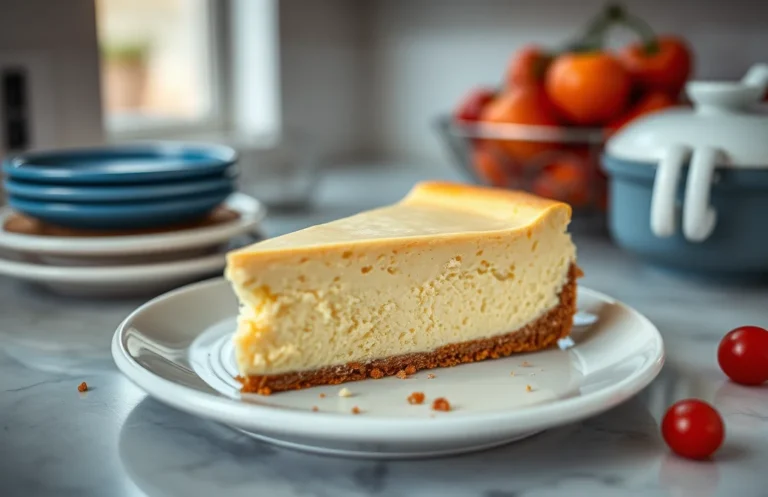
- Choose the Right Plate: Opt for a simple, white plate to let the cheesecake shine. The contrast of the creamy filling against the white background emphasizes its richness. A slice of cheesecake should be placed at a slight angle for visual appeal.
- Garnish Thoughtfully: Fresh berries, such as raspberries or strawberries, add a pop of color and acidity that complements the richness of the cheesecake. Sprinkle 1 tablespoon of powdered sugar over the berries for a touch of sweetness and a beautiful presentation.
- Drizzle with Sauce: A fruit sauce or chocolate ganache can elevate your cheesecake. For a fruit sauce, simmer 1 cup of mixed berries with 2 tablespoons of sugar and a splash of lemon juice until thickened, about 5-7 minutes. Drizzle this over the cheesecake just before serving.
- Serve with Whipped Cream: For an indulgent touch, add a dollop of freshly whipped cream. Whip 1 cup of heavy cream with 2 tablespoons of sugar until soft peaks form. This light addition balances the dense cheesecake texture beautifully.
- Consider Portion Sizes: When serving, slice the cheesecake into 8-12 pieces depending on the size of your cake. Each slice should be about 1-1.5 inches wide, allowing guests to enjoy a satisfying bite without overwhelming them.
Chef’s tip: For an elegant finish, use a hot knife to slice the cheesecake, cleaning the blade between each cut for clean edges.
Quick Summary
| Prep Time | 15 minutes |
|---|---|
| Cook Time | 60 minutes |
| Total Time | 1 hour 15 minutes |
| Servings | 8 |
- Check ingredients: Traditional cheesecakes often contain eggs for richness.
- Prepare crust: Use crushed graham crackers mixed with butter for a solid base.
- Mix properly: Blend cream cheese until smooth before adding other ingredients.
- Bake in a water bath: This helps prevent cracks in the cheesecake.
- Cool gradually: Allow the cheesecake to cool in the oven to avoid sudden temperature changes.
- Key Tip: Use room temperature ingredients for a smoother texture.
- Key Tip: Avoid overmixing after adding eggs to prevent a dense cake.
Frequently Asked Questions
Can I make this ahead of time? How to store and reheat?
You can definitely make cheesecake ahead of time; it actually improves in flavor after a day in the fridge. Store it covered in the refrigerator for up to 5 days and avoid reheating, as cheesecake is best enjoyed chilled.
What can I substitute for eggs in cheesecake?
You can use 1/4 cup of unsweetened applesauce or a flaxseed meal mixture (1 tablespoon ground flaxseed mixed with 2.5 tablespoons water) as an egg substitute in cheesecake. These alternatives help bind the ingredients without affecting the flavor significantly.
How do I know when it’s done?
Your cheesecake is done when the edges are set but the center still has a slight jiggle, usually at around 150°F (65°C). It will continue to firm up as it cools, so don’t overbake it!
Can I freeze this? How long does it last?
You can freeze cheesecake for up to 3 months; just wrap it tightly in plastic wrap and then aluminum foil. Thaw it overnight in the refrigerator before serving for the best texture.
Why did my cheesecake turn out cracked?
Cracks in cheesecake often occur from overbaking or rapid temperature changes, so be sure to bake it at a low temperature and let it cool gradually in the oven. Using a water bath while baking can also help prevent cracks by keeping the moisture level stable.

- Make Cheesecake Up to 3 Days Ahead: Tips for Best Flavor & Texture - March 4, 2026
- Easy No-Bake Cool Doen Cheesecake: Quick Recipe & Tips - March 4, 2026
- Decadent Dulce de Leche Cheesecake: Easy Step-by-Step Recipe - March 4, 2026