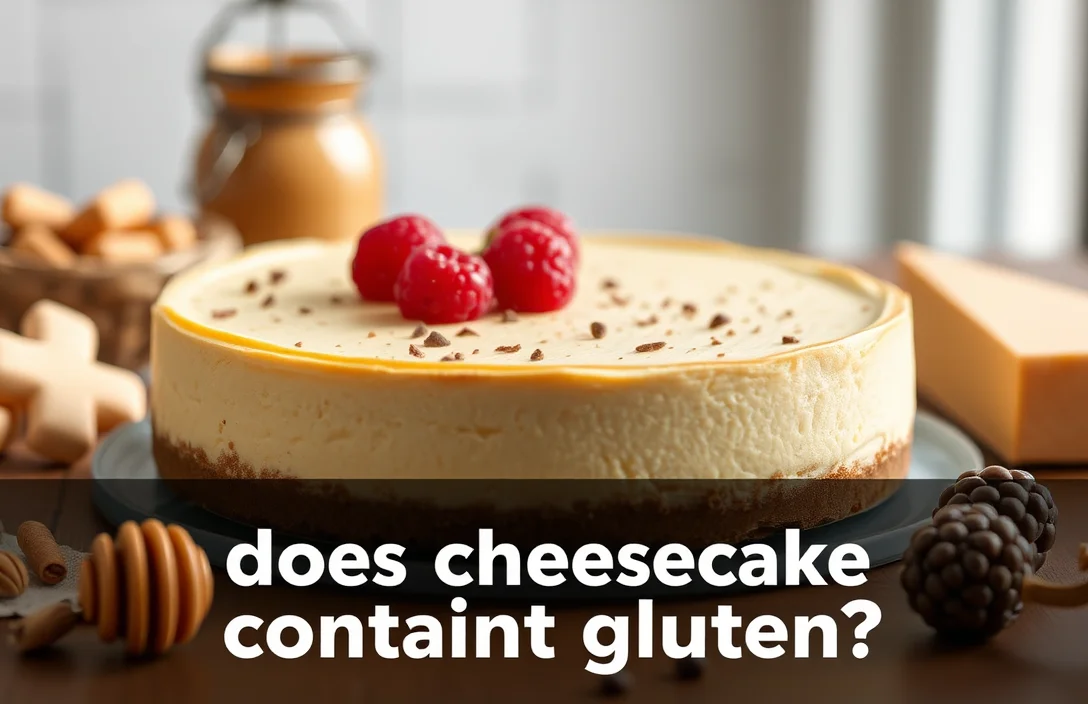
Is Cheesecake Gluten-Free? Find Easy Recipes and Safe Alternatives
Cheesecake is one of those desserts that can turn an ordinary day into something special. With its creamy, rich texture and a buttery crust that crumbles just right, it’s a favorite for celebrations or simply a comforting treat after a long day. Just imagine slicing into a perfectly chilled cheesecake topped with fresh berries!
In this guide, you’ll find everything you need to know about whether cheesecake contains gluten, along with three delicious gluten-free cheesecake recipes. Each recipe comes with exact measurements, cooking times, and tips for perfect results every time.
| Prep Time | Cook Time | Total Time | Servings | Difficulty |
|---|---|---|---|---|
| 20 minutes | 1 hour | 1 hour 20 minutes | 8 servings | Moderate |
Cheesecake Origins and Significance
Cheesecake has a rich history that highlights its cultural significance across various regions. Understanding its origins provides insight into the traditional ingredients used, which can help answer the question of whether cheesecake contains gluten.
Dating back to ancient Greece, the first recorded cheesecake was made with simple ingredients: cheese, flour, and honey. Over time, variations emerged in different cultures, particularly in Europe and North America. The evolution of cheesecake has led to diverse recipes, some incorporating gluten-containing ingredients like traditional graham cracker crusts.
- Ancient Greece: Made with simple cheese, honey, and flour.
- Roman Influence: Variations included eggs and different types of cheese.
- New York Style: Cream cheese became the base, often with a graham cracker crust.
Pro tip: If you’re gluten-sensitive or have celiac disease, traditional cheesecake recipes may not be suitable. Luckily, there are gluten-free alternatives.
Today, the presence of gluten in cheesecake largely depends on the crust. Here’s a quick reference to help understand the gluten content in common cheesecake types:
| Cheesecake Type | Gluten Content |
|---|---|
| Traditional New York Style | Contains gluten (graham cracker crust) |
| Gluten-Free Cheesecake | Gluten-free (made with almond flour or gluten-free cookies) |
Understanding these origins and variations helps in making informed choices for those needing gluten-free options without sacrificing flavor or texture.
Cheesecake Ingredients List
Understanding the ingredients in cheesecake is crucial for those concerned about gluten sensitivity or celiac disease. Traditional cheesecake relies on specific components, and knowing their gluten content can help you make informed choices or substitutions.
| Item | Amount/Specification | Notes |
|---|---|---|
| Cream Cheese | 16 ounces (450g) | Ensure it’s gluten-free; most brands are safe. |
| Sugar | 1 cup (200g) | Regular granulated sugar is gluten-free. |
| Eggs | 3 large | Fresh eggs are gluten-free. |
| Crust Ingredients | ||
| Graham Cracker Crumbs | 1 ½ cups (150g) | Use gluten-free graham crackers or almond flour for a gluten-free version. |
| Butter | ½ cup (115g) | Regular unsalted butter is gluten-free. |
- For a gluten-free cheesecake, substitute the graham cracker crumbs with almond flour or gluten-free cookie crumbs.
- Always check labels on processed ingredients to ensure they are gluten-free.
- Be cautious of cross-contamination in the kitchen if preparing for someone with celiac disease.
Essential Kitchen Equipment
Preparing a gluten-free cheesecake requires a few essential kitchen tools to ensure everything comes together perfectly. Having the right equipment not only makes the process easier but also helps achieve that creamy, luscious texture that cheesecake is known for. Below are the key items you’ll need for making a gluten-free cheesecake.
- Mixing Bowls: You’ll need at least two mixing bowls—one for the crust and another for the filling. Choose a large mixing bowl (at least 4-quart capacity) for the filling to give you enough space to whisk the cream cheese without splattering. Make sure your bowls are clean and dry, as moisture can affect the texture of your cheesecake.
- Springform Pan: A 9-inch springform pan is ideal for cheesecake. The removable sides allow for easy removal without disturbing the delicate texture. Ensure the pan is properly greased with butter or cooking spray to prevent sticking, especially if you’re using gluten-free ingredients for the crust.
- Oven: Preheat your oven to 325°F (160°C) for baking your cheesecake. A consistent temperature is crucial for even baking. You can check if your cheesecake is done by gently shaking the pan; the center should still have a slight jiggle, indicating a creamy texture while the edges are set.
Chef’s tip: Always use room temperature ingredients, especially the cream cheese, to ensure a smooth filling without lumps.
Step-by-Step Cheesecake Instructions
This section will guide you through the essential steps of making a delicious cheesecake, focusing on the crust, filling, and baking process. Understanding these steps is crucial, especially when considering gluten-free alternatives that can cater to those with gluten sensitivities or celiac disease.
- Preparing the Crust: Preheat your oven to 350°F (175°C). In a medium bowl, combine 1 ½ cups gluten-free graham cracker crumbs (or regular if gluten is not a concern) with ¼ cup granulated sugar and ½ cup melted unsalted butter. Mix until the crumbs are evenly moistened. Press the mixture firmly into the bottom of a 9-inch springform pan, creating an even layer. Bake for 10 minutes until slightly golden and fragrant, then let it cool completely.
- Making the Filling: In a large mixing bowl, beat 24 oz (675g) cream cheese at room temperature with a hand mixer until smooth and creamy, about 2-3 minutes. Gradually add 1 cup granulated sugar, 1 teaspoon vanilla extract, and 3 large eggs, mixing just until combined. Be careful not to overmix; you want the filling to be smooth but not airy.
- Baking Process: Pour the cheesecake filling over the cooled crust, smoothing the top with a spatula. Place the springform pan in a larger roasting pan and fill the roasting pan with hot water until it reaches halfway up the sides of the springform pan. This water bath helps prevent cracks. Bake for 50-60 minutes or until the edges are set but the center still has a slight jiggle when gently shaken. Do not open the oven door during the first 30 minutes to maintain a stable temperature. Once baked, turn off the oven and let the cheesecake cool inside for 1 hour before refrigerating for at least 4 hours or overnight for best results.
Pro Tips for Perfect Cheesecake
Creating the perfect cheesecake requires attention to detail and a few expert tips to prevent common issues, especially when considering gluten content. Whether you’re using gluten-free options or traditional ingredients, these tips will ensure a smooth, creamy cake without cracks or unwanted textures.
- Avoiding Cracks: To minimize cracks in your cheesecake, ensure that all your ingredients, especially the cream cheese, are at room temperature (about 70°F or 21°C) before mixing. This allows for a smoother batter and reduces the risk of air bubbles forming, which can lead to cracks during baking. Also, bake your cheesecake in a water bath (bain-marie) to maintain even heat.
- Cooling Tips: After baking, turn off the oven and crack the door open for about 1 hour. This gradual cooling helps prevent sudden temperature changes that can cause the cheesecake to crack. Once removed from the oven, let it cool on the counter until it reaches room temperature before refrigerating it for at least 4 hours, or preferably overnight, to set completely.
- Ingredient Temperature: Always check that your eggs and dairy are at room temperature before mixing. Cold ingredients can create a lumpy batter and uneven cooking. Aim for a creamy consistency by beating the cream cheese and sugar until light and fluffy, about 3-4 minutes, before adding other ingredients.
Chef’s tip: If using gluten-free cookies for the crust, make sure they are finely crushed and evenly pressed into the pan to create a stable base.
Gluten-Free Variations and Substitutions
For those with gluten sensitivities or celiac disease, enjoying cheesecake can be tricky, but it is absolutely possible with the right substitutions. This section will guide you through gluten-free crust options, dairy-free alternatives, and even how to make a vegan cheesecake that everyone can enjoy.
Gluten-Free Crust Options
- Start by selecting a gluten-free crust base. A popular choice is to use 1 ½ cups of almond flour mixed with ¼ cup of melted coconut oil and 2 tablespoons of honey or maple syrup. Mix until crumbly and press firmly into the bottom of a 9-inch springform pan.
- Alternatively, you can use gluten-free graham crackers. Crush about 1 ½ cups of gluten-free graham crackers and combine with 6 tablespoons of unsalted butter, melted. Press this mixture into the bottom of the pan, ensuring even coverage.
Dairy-Free Alternatives
- For a dairy-free cheesecake, substitute the cream cheese with 2 cups of soaked cashews (soaked for at least 4 hours) blended with ½ cup of coconut cream. This gives a creamy texture while keeping it vegan.
- Use 1 cup of plant-based yogurt for a tangy flavor that mimics traditional cheesecake. Look for coconut or almond yogurt for the best results.
Vegan Cheesecake
- To make a complete vegan cheesecake, combine the above dairy-free alternatives and add in ½ cup of maple syrup for sweetness, ¼ cup of lemon juice, and 1 teaspoon of vanilla extract. Blend until smooth and creamy.
- Pour this filling over your prepared crust and bake at 350°F (175°C) for 45-50 minutes. It should be firm around the edges but slightly jiggly in the center when done. Let it cool and set in the refrigerator for at least 4 hours before serving.
Chef’s tip: Always check your ingredient labels to ensure there are no hidden gluten sources!
Serving and Plating Tips
Presenting your cheesecake beautifully can elevate the dessert experience, especially when considering gluten-free options. Here are some practical tips to serve and plate your cheesecake attractively, ensuring that it looks as good as it tastes.
- Choose the Right Garnishes: Fresh berries like strawberries, blueberries, or raspberries add a vibrant touch and a burst of flavor. For a gluten-free option, you can also use a sprig of mint or a dusting of powdered sugar for elegance. Aim for about ¼ cup of berries per slice for a well-proportioned garnish.
- Pair with Sauces: A drizzle of chocolate or caramel sauce enhances the flavor profile of your cheesecake. For a gluten-free sauce, use store-bought or homemade sauces that do not contain any gluten ingredients. Prepare approximately ½ cup of sauce for a standard 9-inch cheesecake to complement each slice nicely.
- Serving Temperature: Cheesecake is best served chilled. Refrigerate for at least 4 hours before slicing to ensure it holds its shape. When ready to serve, allow it to sit at room temperature for about 15-20 minutes to soften slightly, making it easier to cut and enjoy.
- Presentation: Use a sharp knife to slice the cheesecake cleanly, wiping the blade between cuts for a neat appearance. Serve each slice on a small dessert plate for an elegant look, and consider adding a dollop of whipped cream on top for extra flair.
Chef’s tip: For a special touch, consider adding a flavored whipped cream by folding in a teaspoon of vanilla extract or a splash of fruit puree.
Quick Summary
| Prep Time | Cook Time | Total Time | Servings |
|---|---|---|---|
| 20 minutes | 1 hour | 1 hour 20 minutes | 8 |
- Check the crust: Traditional graham cracker crust contains gluten; opt for gluten-free crackers if needed.
- Use gluten-free flour: For a cheesecake batter, substitute regular flour with gluten-free alternatives.
- Monitor baking: Bake at 325°F (163°C) for 60 minutes for a creamy texture without cracks.
- Cool properly: Let the cheesecake cool in the oven with the door ajar to prevent sudden temperature changes.
- Chill before serving: Refrigerate for at least 4 hours to enhance flavor and texture.
- Tip: Always read labels to ensure all ingredients are gluten-free.
- Tip: A water bath during baking can help maintain moisture and prevent cracks.
Frequently Asked Questions
Can I make this cheesecake ahead of time? How to store and reheat?
You can absolutely make cheesecake ahead of time! Once cooled, cover it tightly with plastic wrap and store it in the refrigerator for up to 5 days; just serve it chilled without reheating.
What can I substitute for graham crackers in the crust?
You can use crushed gluten-free cookies or even almond flour for a gluten-free crust. Just make sure to mix in some melted butter to help bind the ingredients together.
How do I know when my cheesecake is done?
Your cheesecake is done when the edges are set and the center still has a slight jiggle, which usually takes about 50-60 minutes at 325°F (160°C). It will firm up as it cools, so don’t overbake it!
Can I freeze this cheesecake? How long does it last?
Yes, you can freeze cheesecake for up to 2-3 months if it’s wrapped tightly in plastic wrap and then aluminum foil. Thaw it in the refrigerator overnight before serving for the best texture.
What if I don’t have a springform pan?
If you don’t have a springform pan, you can use a regular cake pan lined with parchment paper for easy removal. Just be careful when slicing to maintain the cheesecake’s shape!

- Decadent Peanut Butter No-Bake Cheesecake: Easy Recipe to Indulge - April 3, 2026
- Delicious Mango No-Bake Cheesecake: Step-by-Step Recipe - April 3, 2026
- Decadent Raspberry No-Bake Cheesecake: Easy Step-by-Step Recipe - April 3, 2026