Does Cheesecake Rise in the Oven? Tips for Perfect Texture
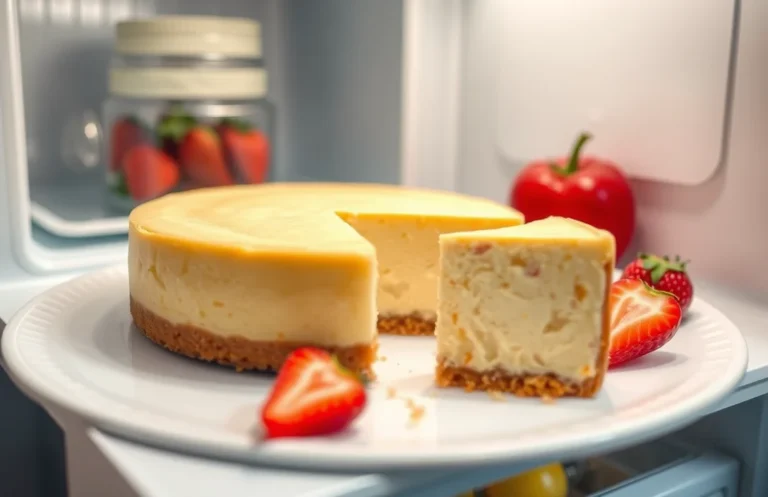
Cheesecake is one of those desserts that feels both indulgent and comforting—perfect for a cozy night in or a special celebration. With its creamy texture and delightful graham cracker crust, every bite melts in your mouth, leaving you craving just one more slice. It’s hard to resist the allure of a perfectly baked cheesecake!
Key details: This cheesecake recipe takes 1 hour to prepare and bake, requires 30 minutes of cooling time, and serves 8 people. It’s rated medium difficulty, making it accessible for home cooks ready to impress.
| Prep Time | Cook Time | Total Time | Servings | Difficulty |
|---|---|---|---|---|
| 30 minutes | 30 minutes | 1 hour | 8 | Medium |
Cheesecake Origins
Cheesecake has a rich history that spans centuries and cultures, making it a beloved dessert around the world. Understanding its origins can give insight into why cheesecakes behave the way they do in the oven, particularly regarding their rise during baking.
History of Cheesecake
- Ancient Greece: The earliest known cheesecake dates back to ancient Greece, where it was made with simple ingredients like cheese, honey, and flour. It was served to athletes during the first Olympic Games in 776 B.C., signifying its importance in early culinary traditions.
- Roman Influence: The Romans adopted and modified the Greek cheesecake recipe, adding more flavors and ingredients. They used ricotta-like cheese and often incorporated fruits and spices, paving the way for diverse variations.
- European Variations: As cheesecake spread across Europe, each region added its twist. The Italians introduced the use of mascarpone, while the French popularized the creamy texture we often associate with modern cheesecakes today.
Cultural Variations
- New York Style: This version is known for its dense, creamy texture achieved through the use of cream cheese, eggs, and heavy cream, leading to a rich flavor that many adore.
- Japanese Cotton Cheesecake: Known for its light and fluffy texture, this variation incorporates whipped egg whites, creating a cake that rises beautifully in the oven.
- German Käsekuchen: Made with quark and often lighter than its American counterpart, this cheesecake has a distinct flavor and texture, influenced by local dairy products.
Ingredients for Cheesecake
Understanding the ingredients that go into your cheesecake is crucial, especially when considering how they affect the rise during baking. Each ingredient plays a vital role in creating the creamy texture and desired height of your cheesecake. Here’s a breakdown of what you will need.
| Item | Amount/Specification | Notes |
|---|---|---|
| Cream Cheese | 24 ounces (680g) | Softened, at room temperature for easy mixing |
| Sugar | 1 cup (200g) | Granulated; helps with sweetness and texture |
| Eggs | 4 large | At room temperature; helps to incorporate air for rise |
| Vanilla Extract | 1 teaspoon (5ml) | For flavor; can substitute with almond extract |
| Salt | 1/4 teaspoon (1.5g) | Balances sweetness |
| Crust Ingredients (Optional) | 1 ½ cups (150g) graham cracker crumbs, ½ cup (100g) unsalted butter (melted), ¼ cup (50g) sugar | For a classic crust; consider gluten-free options if needed |
- Ensure cream cheese is fully softened to avoid lumps during mixing.
- Room temperature eggs blend more smoothly into the mixture, promoting better rise.
- Mix ingredients gently to retain air, which helps the cheesecake rise during baking.
- For a denser cheesecake, reduce the number of eggs slightly; however, this may affect rise.
Essential Kitchen Tools
Having the right tools makes all the difference when baking a cheesecake. Here’s a list of essential equipment you’ll need to ensure your cheesecake rises properly and has that perfect, creamy texture.
- Springform Pan: A 9-inch (23 cm) springform pan is crucial for baking cheesecake. This type of pan allows you to easily release the cheesecake after it’s cooled, preventing cracks and maintaining its beautiful shape. Make sure the pan is tightly sealed so that no water seeps in if you’re using a water bath.
- Mixer: A stand mixer or hand mixer will give you the best results for mixing your cheesecake batter. Using a mixer helps incorporate air into the cream cheese, which can contribute to a light texture. Start on low speed to avoid splattering, then increase to medium until the mixture is smooth and creamy, about 2-3 minutes.
- Oven Thermometer: An oven thermometer is a must-have for accurate temperature readings. Ovens can often be off by 25°F (14°C) or more, which can affect how your cheesecake rises. Place the thermometer in the center of your oven to ensure it’s at the correct temperature of 325°F (163°C) before baking.
Baking Instructions
This section outlines the essential steps for preparing your cheesecake crust, mixing the filling, and the baking process, while addressing the question of whether cheesecake rises in the oven. Understanding these steps will help you achieve a perfectly baked cheesecake with the desired texture.
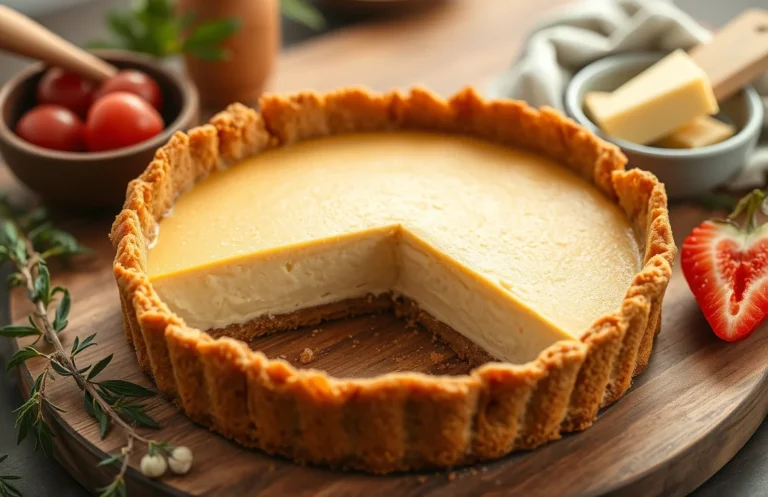
- Preparing the Crust: Start by preheating your oven to 325°F (163°C). In a medium bowl, combine 1 ½ cups (150g) of crushed graham crackers, ⅓ cup (40g) of granulated sugar, and ½ cup (115g) of melted unsalted butter. Mix until the crumbs are evenly coated, and the mixture resembles wet sand. Press the crust mixture firmly into the bottom of a 9-inch (23cm) springform pan, ensuring it’s even and compact. Bake for 10 minutes until lightly golden and fragrant, then remove it from the oven and let it cool slightly.
- Mixing the Filling: In a large mixing bowl, beat 4 (8-ounce) packages of cream cheese at room temperature until smooth and creamy, about 3-4 minutes. Gradually add 1 cup (200g) of granulated sugar, 1 teaspoon of vanilla extract, and 4 large eggs, mixing on low speed to avoid incorporating too much air, which can cause the cheesecake to rise too much and crack. The batter should be thick and silky, with no lumps remaining.
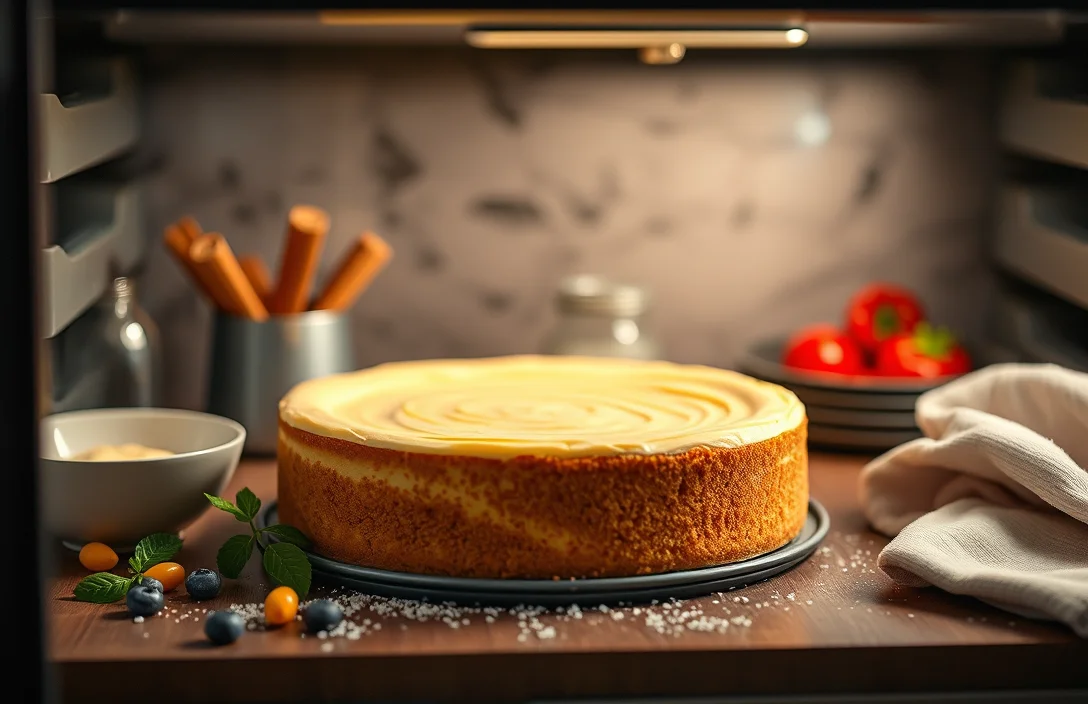
- Baking Process: Pour the cheesecake filling over the cooled crust and smooth the top with a spatula. Place the springform pan in a larger baking dish filled with hot water, creating a water bath (this helps prevent cracks). Bake for 60-70 minutes, or until the edges are set and the center is slightly jiggly. Remember to not open the oven door for the first 30 minutes to maintain a consistent temperature. After baking, turn off the oven and let the cheesecake cool inside for about 1 hour before removing it to cool completely on the counter.
Pro Tips for Cheesecake
Achieving the perfect cheesecake is as much about technique as it is about ingredients. Understanding how to prevent cracks and avoid overmixing not only helps you maintain a beautiful appearance but also ensures a creamy, smooth texture. Here are some essential tips to keep in mind.
Preventing Cracks
- Use a water bath: Placing your cheesecake pan in a larger baking dish filled with hot water creates a gentle steam that helps regulate the temperature, reducing the likelihood of cracks. Aim for a 1-inch water level in the outer pan.
- Cool gradually: After baking, turn off the oven and crack the door, allowing the cheesecake to cool slowly for about 1 hour. This gradual cooling minimizes temperature shock, which can cause cracks.
- Avoid overbaking: Bake your cheesecake at 325°F (160°C) until the edges are set but the center has a slight jiggle. This usually takes about 50-60 minutes. Overbaking can lead to a dry texture and cracks.
Avoiding Overmixing
- Mix on low speed: When combining your ingredients, use a stand mixer or hand mixer on low to prevent incorporating too much air. This helps avoid excessive rising during baking, which can lead to cracks.
- Fold in eggs gently: When adding eggs, fold them in one at a time until just combined. Overmixing will introduce air into the batter, causing it to puff up and then collapse, leading to an undesirable texture.
- Limit mixing time: Aim to mix your cheesecake batter for just enough time to achieve a smooth consistency—typically 2-3 minutes. Look for a creamy, thick texture without lumps.
Cheesecake Variations
When it comes to cheesecake, variations can mean the difference between a classic dessert and a unique creation tailored to dietary preferences. This section will address gluten-free and vegan cheesecake options, allowing you to enjoy this delightful dessert without compromising on taste or texture.
Gluten-Free Options
For those avoiding gluten, making a cheesecake is simpler than you might think. Start by substituting traditional graham cracker crust with a gluten-free alternative.
- 1 ½ cups gluten-free graham cracker crumbs (150g)
- ⅓ cup unsalted butter, melted (75g)
- 2 tablespoons sugar (25g)
Combine the crumbs, melted butter, and sugar in a bowl. Press this mixture firmly into the bottom of your springform pan. Bake at 350°F (175°C) for 10 minutes until slightly golden. Allow it to cool before adding the filling.
Vegan Cheesecake
Creating a vegan cheesecake is a delightful challenge that can yield creamy results without dairy. Use cashews for a rich texture.
- 1 ½ cups raw cashews, soaked for 4 hours
- ¾ cup coconut cream (180ml)
- ½ cup maple syrup (120ml)
- 1 tablespoon lemon juice (15ml)
- 1 teaspoon vanilla extract (5ml)
In a blender, combine the soaked cashews, coconut cream, maple syrup, lemon juice, and vanilla extract. Blend until smooth and creamy, scraping down the sides as needed. Pour this filling over your prepared crust and smooth the top with a spatula. Bake at 350°F (175°C) for 45-50 minutes, or until the edges are set and the center is slightly wobbly. Let it cool at room temperature, then chill for at least 4 hours before serving.
Chef’s tip: Ensure you soak the cashews well for a silky-smooth texture in your vegan cheesecake.
Serving Cheesecake
Serving cheesecake is as important as making it, as the presentation and accompaniments can elevate this rich dessert to new heights. Whether you’re celebrating a special occasion or enjoying a quiet evening at home, knowing how to plate your cheesecake and what to pair it with can enhance the overall experience.
Plating Ideas
- Slice the cheesecake into even pieces, about 1-1.5 inches thick, for a polished look.
- Use a warm knife (dip it in hot water and wipe it dry) for clean cuts to avoid crumbling.
- Plate each slice on a dessert plate with a dollop of whipped cream or crème fraîche on the side.
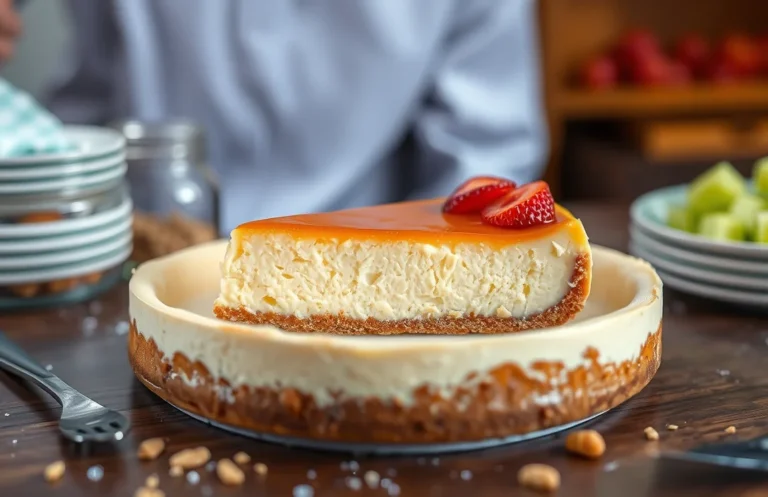
- Garnish with fresh fruits like raspberries, strawberries, or blueberries for a pop of color and freshness.
- Drizzle with a sauce, such as chocolate ganache or a fruit coulis, for added flavor and visual appeal.
Accompaniments
Pairing your cheesecake with the right accompaniments can create a delightful balance of flavors. Here are some suggestions:
Chef’s tip: Consider serving with a cup of coffee or a glass of dessert wine to complement the richness of the cheesecake.
| Accompaniment | Flavor Profile |
|---|---|
| Fresh Berries | Tangy and sweet, adds brightness. |
| Chocolate Sauce | Rich and decadent, enhances sweetness. |
| Coffee | Bitter notes that contrast the sweetness. |
| Mint Leaves | Fresh and aromatic, adds a refreshing touch. |
Remember to serve your cheesecake chilled for the best texture and flavor. Enjoy the delicious results of your hard work!
Quick Recipe Summary
This section provides a quick overview of key ingredients and baking time for cheesecake, focusing on whether it rises in the oven. Understanding these elements can help ensure your cheesecake comes out perfectly every time.
Key Ingredients
- 2 cups cream cheese (450g), softened
- 1 cup granulated sugar (200g)
- ½ cup sour cream (120g)
- 3 large eggs
- 1 teaspoon vanilla extract
- 1 cup graham cracker crumbs (100g)
- ½ cup unsalted butter (115g), melted
Baking Time
Baking cheesecake requires attention to temperature and timing to achieve the right texture. Follow these guidelines for optimal results:
| Step | Details |
|---|---|
| Preheat Oven | Preheat to 325°F (160°C) for even baking. |
| Bake Time | Bake for 50-60 minutes, until the edges are set and the center is slightly jiggly. |
| Cooling Time | Allow to cool in the oven with the door ajar for 1 hour to prevent cracking. |
Chef’s tip: Cheesecake does not rise significantly but may puff slightly; avoid opening the oven door during baking to maintain a consistent temperature.
Following these steps will help you create a cheesecake that is creamy and delicious without unexpected rises or cracks. Enjoy your baking!
Quick Summary
| Prep Time | 20 minutes |
|---|---|
| Cook Time | 60 minutes |
| Total Time | 1 hour 20 minutes |
| Servings | 8 |
- Preheat oven to 325°F (160°C) for even baking.
- Prepare crust using crushed graham crackers and melted butter.
- Mix filling until smooth; avoid overmixing to prevent air bubbles.
- Bake in a water bath to maintain moisture and prevent cracking.
- Cool gradually in the oven with the door ajar to avoid sudden temperature changes.
- Tip 1: Use room temperature ingredients for a smoother batter.
- Tip 2: Don’t open the oven door during baking to prevent sinking.
- Tip 3: Let the cheesecake chill completely before slicing for clean edges.
Frequently Asked Questions
Can I make this cheesecake ahead of time? How do I store and reheat it?
You can make this cheesecake up to 2 days in advance and store it covered in the refrigerator. To serve, simply slice it cold or let it sit at room temperature for about 30 minutes before enjoying.
What can I substitute for cream cheese?
If you’re looking for a substitute, you can use mascarpone cheese for a similar texture and flavor. Alternatively, a mix of Greek yogurt and sour cream can work, but it may alter the taste slightly.
How do I know when my cheesecake is done?
Your cheesecake is done when the edges are set and the center has a slight <strong“jiggle to it, which usually takes about 50-60 minutes at 325°F (163°C). It will firm up as it cools, so be careful not to overbake!
Can I freeze this cheesecake? How long does it last?
Yes, you can freeze the cheesecake for up to 3 months; just wrap it tightly in plastic wrap and then foil. To thaw, place it in the refrigerator for about 8 hours before serving.
Why did my cheesecake crack on top?
Cracks often happen due to rapid temperature changes or overmixing the batter, which introduces too much air. To avoid this, bake your cheesecake in a water bath and don’t open the oven door during baking!

- Make Cheesecake Up to 3 Days Ahead: Tips for Best Flavor & Texture - March 4, 2026
- Easy No-Bake Cool Doen Cheesecake: Quick Recipe & Tips - March 4, 2026
- Decadent Dulce de Leche Cheesecake: Easy Step-by-Step Recipe - March 4, 2026