Cheesecake Without Eggs: Texture, Flavor, and Easy Alternatives
Cheesecake is one of those desserts that can turn any ordinary day into a special occasion. The rich, creamy texture paired with a crumbly crust makes it a beloved favorite at gatherings and family dinners. Once you take a bite, you’ll understand why it’s both a comfort food and a crowd-pleaser!
This guide will clarify whether cheesecake uses eggs and present both traditional recipes and mouthwatering eggless alternatives. You’ll find exact measurements, cooking temperatures, and timings to ensure your cheesecake is perfect every time, with tips for troubleshooting if anything goes awry.
| Prep Time | 15 minutes |
|---|---|
| Cook Time | 1 hour |
| Total Time | 1 hour 15 minutes |
| Servings | 8 |
| Difficulty | Medium |
Cheesecake Origins
Understanding the origins of cheesecake helps us appreciate its evolution, particularly regarding the use of eggs in traditional and modern recipes. While many variations exist today, the role of eggs has been pivotal in defining the texture and flavor profile of this beloved dessert.
- Historical Background: Cheesecake dates back to ancient Greece, where it was made with simple ingredients like cheese, honey, and flour. The Romans later adopted and adapted the recipe, incorporating eggs to create a richer, custard-like texture. This combination of cheese and eggs became a staple in many European countries, leading to various regional adaptations.
- Cultural Variations: Different cultures have their unique takes on cheesecake, from the dense New York-style cheesecake, which heavily relies on eggs for its creamy consistency, to the lighter Italian ricotta cheesecake that often uses fewer eggs or substitutes. Some cultures even offer eggless versions, making it suitable for those with dietary restrictions, while still aiming for a pleasing texture and flavor.
As we navigate through the different styles of cheesecake, it becomes clear that the inclusion or exclusion of eggs significantly impacts the texture — from creamy to fluffy — and the overall flavor, highlighting the importance of this ingredient in the classic cheesecake recipe.
Essential Ingredients
This section highlights the essential ingredients used in cheesecakes, specifically focusing on the role of eggs in traditional and eggless recipes. Understanding these ingredients is vital as they directly influence the texture and flavor of the final cheesecake.
| Item | Amount/Specification | Notes |
|---|---|---|
| Cream Cheese | 16 ounces (450g) | Softened, for smooth texture |
| Sugar | 1 cup (200g) | Granulated or brown, depending on preference |
| Eggs | 3 large | Room temperature for better mixing |
| Sour Cream | 1 cup (240g) | Adds richness and tang |
| Vanilla Extract | 1 teaspoon (5ml) | For flavor enhancement |
| Graham Cracker Crumbs | 1 ½ cups (150g) | For the crust; can substitute with gluten-free crumbs |
| Butter | ½ cup (113g) | Melted, to bind the crust |
Eggless Ingredients
If you’re looking for an eggless version, you can substitute the eggs with the following:
- ½ cup Greek yogurt (120g) for moisture
- ¼ cup cornstarch (30g) mixed with ¼ cup water as a thickener
- 1 tablespoon ground flaxseed mixed with 2.5 tablespoons water (let sit for 5 minutes) as a binder
Chef’s tip: When using egg substitutes, the texture may be slightly different, but you can achieve a creamy cheesecake by ensuring all ingredients are at room temperature.
Remember, the presence of eggs contributes to a denser, creamier texture, while eggless alternatives will yield a lighter result. Adjust baking times as needed, typically around 50-60 minutes for cheesecakes with eggs and about 40-50 minutes for eggless variations.
Necessary Kitchen Tools
When preparing cheesecake, having the right tools can make all the difference in achieving that smooth, creamy texture. This section outlines the essential equipment you’ll need, along with some preparation steps to ensure your cheesecake turns out perfectly, whether it includes eggs or not.
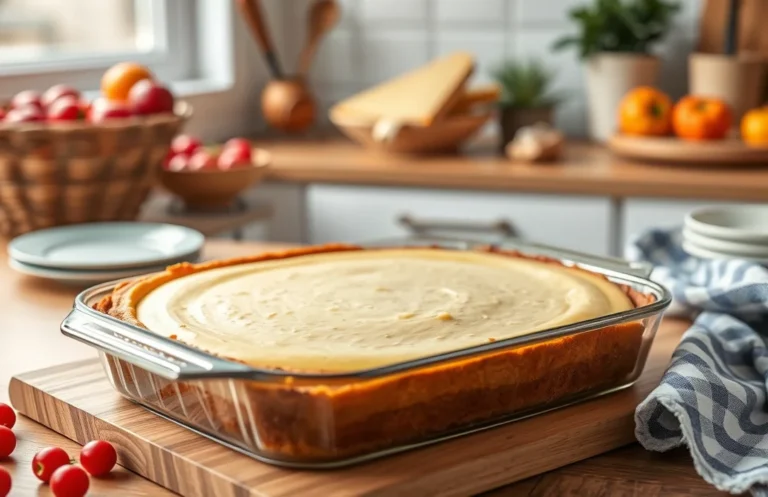
- Springform Pan: A 9-inch (23 cm) springform pan is ideal for cheesecakes. Its removable sides allow for easy release of the dessert after baking. Ensure the pan is well-greased with butter or non-stick spray to prevent sticking.
- Mixing Bowls: Use at least two mixing bowls: one for the crust ingredients and another for the cheesecake filling. Make sure they are large enough to hold all the ingredients without spilling, typically 2-quart (1.9 L) bowls work well.
- Electric Mixer: A stand mixer or hand mixer will help blend the cream cheese until smooth. Mix on medium speed for 2-3 minutes, scraping down the sides of the bowl to ensure all ingredients are well incorporated.
- Spatula: Keep a rubber spatula handy for folding in delicate ingredients, such as whipped cream, if you’re making a no-bake cheesecake. This tool helps maintain the airy texture you want in your filling.
- Measuring Cups and Spoons: Accurate measurements are crucial, so have a 1-cup measuring cup and a set of measuring spoons ready. For instance, you’ll need 1 ½ cups (150g) of graham cracker crumbs for the crust.
- Oven Thermometer: To ensure your oven is at the right temperature (usually 325°F to 350°F or 160°C to 175°C for cheesecakes), an oven thermometer is a useful tool. This helps avoid undercooking or overcooking your cheesecake.
Chef’s tip: Prepare all your ingredients ahead of time and bring them to room temperature for even mixing and a smoother filling.
Step-by-Step Instructions
This section will guide you through the process of making both egg-based and eggless cheesecakes, highlighting the differences in texture and flavor. Understanding these methods is essential for tailoring your cheesecake to your preferences or dietary needs.
Making Egg-Based Cheesecake
- Prep your ingredients: Gather 2 cups (480g) of cream cheese, 1 cup (200g) of granulated sugar, ¾ cup (180ml) of sour cream, 3 large eggs, and 1 teaspoon of vanilla extract. Let the cream cheese sit at room temperature for about 30 minutes to soften.
- Preheat the oven: Set your oven to 325°F (163°C). This temperature is ideal for a gentle bake that helps create a creamy texture without cracking.
- Whisk the filling: In a mixing bowl, combine the softened cream cheese and granulated sugar. Whisk until smooth and creamy, about 2-3 minutes, ensuring there are no lumps. Then, add the sour cream and vanilla extract, mixing until fully incorporated.
- Add the eggs: Incorporate the eggs one at a time, mixing gently after each addition until just combined. Overmixing can lead to a dense cheesecake, so stop as soon as you see no streaks of egg.
- Bake: Pour the filling into a prepared graham cracker crust. Bake for 50-60 minutes until the edges are set and the center is slightly jiggly. Turn off the oven and let the cheesecake cool inside for 1 hour.
Making Eggless Cheesecake
- Gather egg substitutes: For a delicious eggless version, you can use 1 cup (240ml) of silken tofu blended until smooth, or ½ cup (120ml) of unsweetened applesauce. Have the same ingredients ready: 2 cups (480g) of cream cheese, 1 cup (200g) of granulated sugar, ¾ cup (180ml) of sour cream, and 1 teaspoon of vanilla extract.
- Prepare the filling: In a mixing bowl, combine the cream cheese and sugar, whisking until smooth. Add the sour cream, vanilla extract, and your choice of egg substitute, blending until fully mixed and creamy.
- Bake: Pour the eggless filling into a prepared crust and bake at 325°F (163°C) for 55-65 minutes. The cheesecake should be firm around the edges and slightly soft in the center. Let it cool in the oven just like the egg-based version.
Expert Tips and Mistakes
Perfecting a cheesecake involves understanding the role of eggs and avoiding common pitfalls that can affect texture and flavor. Here are some pro tips and common mistakes to keep in mind when making cheesecake, especially regarding egg usage.
- Eggs are essential for structure: Traditional cheesecake recipes typically include eggs to create a rich, creamy texture and to ensure the cheesecake sets properly. The proteins in the eggs help bind the ingredients and give the cheesecake its signature density.
- Consider egg substitutes: If you’re making an eggless cheesecake, options like silken tofu (1/4 cup per egg) or a mixture of 1 tablespoon ground flaxseed with 2.5 tablespoons water can work well. These alternatives maintain moisture but may slightly alter the texture.
- Watch your mixing: Overmixing the egg mixture can lead to a cheesecake that cracks. Mix just until the ingredients are combined and smooth, which should take about 1-2 minutes on low speed.
- Temperature matters: Ensure your cream cheese and eggs are at room temperature before mixing. This helps achieve a silky consistency and prevents lumps. Leave them out for about 30 minutes prior to preparation.
- Don’t rush the baking: Bake the cheesecake at 325°F (160°C) for about 50-60 minutes until the edges are set but the center is still slightly jiggly. This ensures a creamy texture. Overbaking can lead to a dry cheesecake.
Cheesecake Variations
Cheesecake can be enjoyed in various styles, and the use of eggs plays a crucial role in traditional recipes. However, there are plenty of eggless variations available for those with dietary restrictions or preferences. Understanding these options allows you to choose the perfect cheesecake recipe for any occasion.
Egg-Based Variations
Traditional cheesecake recipes often include eggs, which contribute to a rich, creamy texture and help the cake set properly. If you’re following a classic recipe, you’ll typically use:
- 4 large eggs
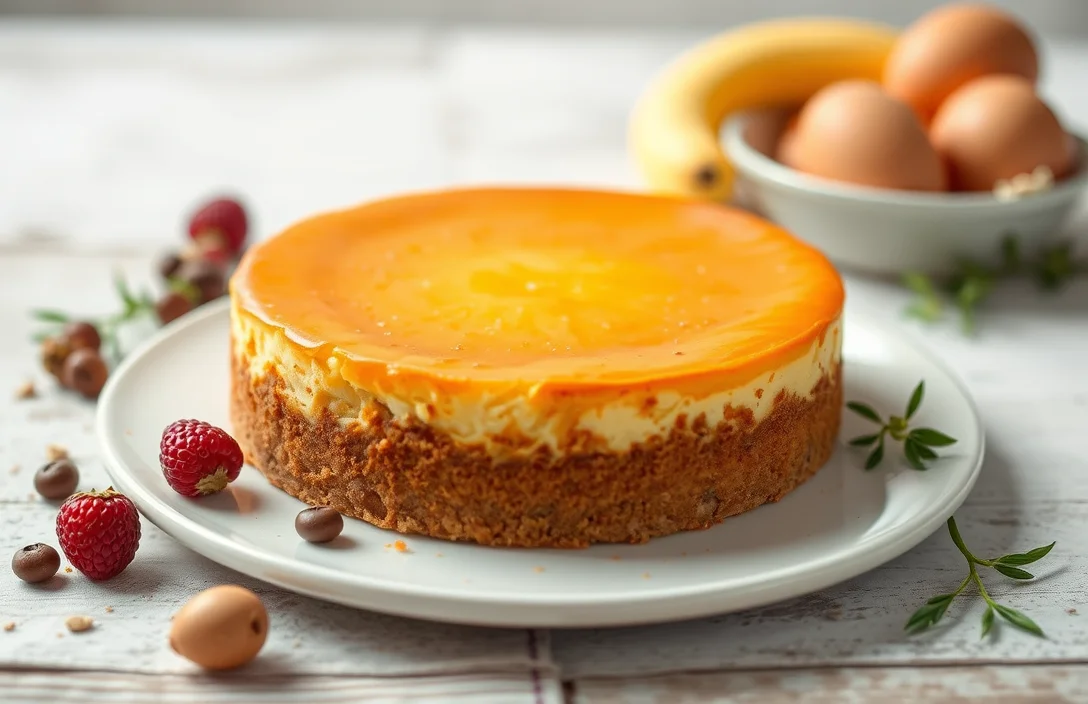
This amount usually works well for a standard 9-inch cheesecake. The eggs should be at room temperature for best incorporation, which helps achieve a smoother batter. When baked, the cheesecake should have a slight jiggle in the center and a golden hue around the edges.
Eggless Variations
For those avoiding eggs, there are excellent substitutes that can still yield a creamy and delicious cheesecake. Here are some popular alternatives:
- 1 cup silken tofu, blended until smooth
- 1/4 cup unsweetened applesauce
- 1/4 cup cornstarch mixed with 1/2 cup water (as a thickener)
These substitutes will help maintain the cheesecake’s structure and moisture. An eggless cheesecake may take a bit longer to set, so bake at 325°F (163°C) for about 55-60 minutes. It should look firm yet slightly wobbly in the center when finished.
Chef’s tip: Chill your cheesecake overnight for best flavor and texture before serving.
Serving and Pairing
Serving cheesecake is an art in itself, especially when you consider the variations in recipes that include eggs versus those that don’t. The texture and flavor can significantly differ, so understanding how best to present your cheesecake can enhance the overall experience. Let’s discuss some plating tips and perfect beverage pairings to complement your creation.
Plating Tips
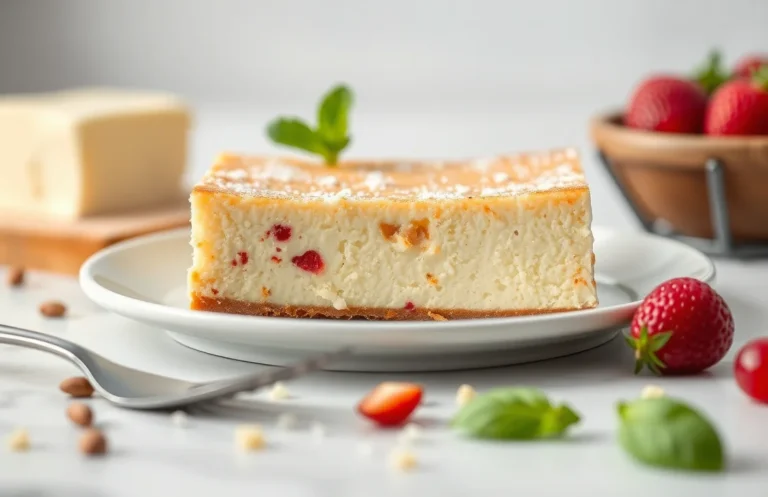
- Chill Your Cheesecake: Before serving, ensure your cheesecake has been refrigerated for at least 4 hours to help it set properly. This will give it a clean, smooth slice.
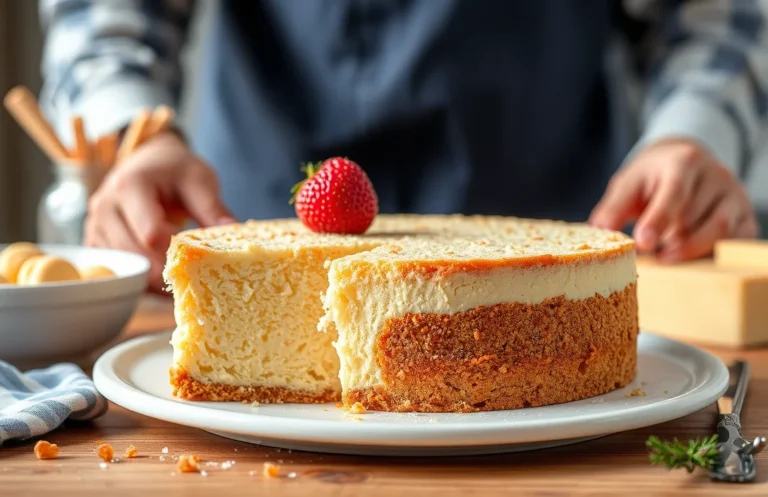
- Slicing: Use a sharp knife dipped in hot water for clean cuts. Wipe the knife with a paper towel between slices to maintain neat edges.
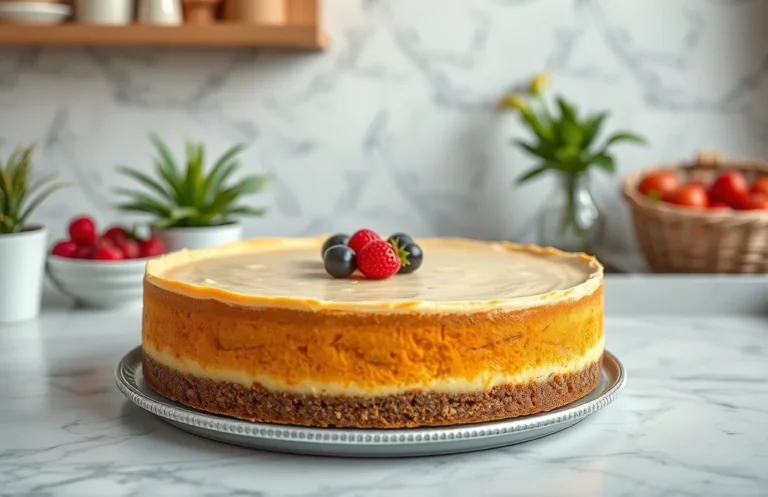
- Garnish: Top with fresh fruit such as strawberries or blueberries, a drizzle of chocolate or caramel sauce, or a dusting of powdered sugar for an elegant finish.
Beverage Pairings
| Beverage | Notes |
|---|---|
| Coffee | The rich flavors of coffee complement the creaminess of cheesecake beautifully. |
| Sweet Dessert Wine | A late harvest Riesling or Moscato pairs well with the sweetness of the dessert. |
| Herbal Tea | Chamomile or mint tea can provide a soothing contrast to the richness of cheesecake. |
Chef’s tip: If your cheesecake contains eggs, it’s best served at room temperature, while eggless variations are delicious chilled.
Quick Summary
| Prep Time | Cook Time | Total Time | Servings |
|---|---|---|---|
| 15 minutes | 50 minutes | 1 hour 5 minutes | 8 servings |
- Check ingredients: Traditional cheesecakes typically use eggs for richness.
- Mix thoroughly: Blend cream cheese until smooth to avoid lumps.
- Room temperature: Use room temperature ingredients for better incorporation.
- Bake in water bath: Prevents cracks by providing moisture during baking.
- Cool gradually: Let cheesecake cool in the oven to avoid sudden temperature changes.
- Use fresh eggs: Fresh eggs help achieve a creamy texture.
- Don’t overmix: Overmixing can incorporate too much air, leading to cracks.
Frequently Asked Questions
Can I make this cheesecake ahead of time? How to store and reheat?
You can absolutely make cheesecake up to 2 days in advance. Store it in the refrigerator, covered tightly with plastic wrap, and reheat it gently in a low oven at 200°F for about 10-15 minutes if you prefer it warm.
What can I substitute for eggs in the cheesecake recipe?
You can use 1/4 cup of unsweetened applesauce or 1/4 cup of silken tofu blended until smooth for each egg. Just keep in mind that this may alter the texture slightly, but it will still be delicious!
How do I know when my cheesecake is done?
Your cheesecake is done when the edges are set and the center has a slight jiggle, which usually takes about 50-60 minutes at 325°F. It will continue to firm up as it cools, so don’t worry if it looks a bit soft in the middle.
Can I freeze this cheesecake? How long does it last?
Yes, you can freeze cheesecake for up to 3 months. Just wrap it tightly in plastic wrap and aluminum foil to prevent freezer burn, and thaw it in the refrigerator overnight before serving.
What if I don’t have a springform pan for my cheesecake?
If you don’t have a springform pan, you can use a regular round cake pan lined with parchment paper. Just make sure to let the cheesecake cool completely before carefully removing it from the pan, as it may be a bit tricky.

- 10 Best Cheese Knife With Holes For Smooth Slice 2026 - March 9, 2026
- Make Cheesecake Up to 3 Days Ahead: Tips for Best Flavor & Texture - March 4, 2026
- Easy No-Bake Cool Doen Cheesecake: Quick Recipe & Tips - March 4, 2026