Does Cheesecake Need Eggs? Discover Recipes with and without Eggs
Cheesecake is one of those desserts that can turn any ordinary day into a special occasion. The creamy, rich texture paired with a buttery crust is pure bliss. Whether it’s a weeknight treat or the star of your next gathering, this delight is always a crowd-pleaser that keeps everyone coming back for seconds!
In this guide, you’ll learn whether cheesecake has eggs, their role in texture and flavor, and get two egg-based and two egg-free recipes with clear, step-by-step instructions. Perfect for beginners and seasoned cooks alike!
| Prep Time | Cook Time | Total Time | Servings | Difficulty |
|---|---|---|---|---|
| 20 minutes | 60 minutes | 1 hour 20 minutes | 8 servings | Medium |
Origin of Cheesecake
The history of cheesecake is rich and varied, reflecting its evolution across different cultures and time periods. Understanding its origins helps clarify the common question: does cheesecake contain eggs, and if so, why are they used?
- Ancient Greece: The earliest known cheesecake dates back to ancient Greece, where it was made with simple ingredients like cheese, flour, and honey. Eggs were not used in these early recipes, focusing instead on the creamy texture of fresh cheese.
- Roman Influence: The Romans adopted and adapted the Greek version, introducing new ingredients and techniques. They began to incorporate eggs, which helped to bind the ingredients together, resulting in a denser and richer cake.
- European Variations: Over the centuries, different cultures began adding their own twists. For instance, the Italian ricotta cheesecake often uses eggs to achieve a light, fluffy texture, while New York-style cheesecake relies heavily on cream cheese and typically includes eggs for stability and richness.
- Modern Interpretations: Today, cheesecake recipes vary widely, with some opting for eggless versions to cater to dietary restrictions or preferences. These alternatives often use ingredients like silken tofu or cornstarch to achieve a similar creamy consistency without eggs.
Understanding these historical and cultural contexts not only enriches our appreciation of cheesecake but also informs our choices when preparing it, especially regarding the use of eggs for texture and flavor.
Ingredients List for Cheesecake
Understanding the ingredients needed for cheesecake is essential, especially when deciding whether to use eggs or not. Eggs play a crucial role in traditional cheesecake recipes, contributing to the texture and stability of the filling. Below, you’ll find a complete list of ingredients for both egg-based and egg-free cheesecakes, along with their specific measurements.
| Item | Amount/Specification | Notes |
|---|---|---|
| Cream Cheese | 16 oz (450g) | Softened to room temperature for easy mixing. |
| Sugar | 1 cup (200g) | Granulated sugar works best. |
| Eggs | 3 large | For egg-based cheesecake; adds richness and stability. |
| Sour Cream | 1 cup (240g) | For creaminess; can be substituted with Greek yogurt. |
| Vanilla Extract | 1 teaspoon | Use pure extract for best flavor. |
| Graham Cracker Crumbs | 1 ½ cups (150g) | For the crust; can substitute with almond flour for gluten-free. |
| Butter | ½ cup (113g) | Melted; helps bind the crust ingredients. |
| Egg Substitute (if egg-free) | ¾ cup silken tofu or ¼ cup unsweetened applesauce | For egg-free version; provides moisture and binding. |
- For the best texture, ensure all dairy ingredients are at room temperature before mixing.
- When preparing the crust, press the mixture firmly into the pan for a stable base.
- If your cheesecake cracks during baking, it may have been overbaked; keep an eye on the cooking time.
Essential Kitchen Equipment
Creating a delicious cheesecake, especially one that answers the question of whether it contains eggs, requires specific kitchen tools and preparation steps. Having the right equipment not only streamlines the process but also ensures your cheesecake has the perfect texture and flavor.
- Mixing Bowls: You’ll need at least two mixing bowls — one for the crust and one for the filling. Choose a large bowl for the filling, ideally a 4-quart size, to allow enough space for combining ingredients without spilling.
- Electric Mixer: A stand mixer or hand mixer will make whipping the cream cheese and sugar much easier, achieving a smooth and creamy consistency. Alternatively, you can use a whisk, but be prepared for a workout!
- Springform Pan: A 9-inch springform pan is essential for cheesecake. This type of pan allows you to easily remove the cheesecake after baking without damaging it. Ensure it’s tightly sealed to prevent any water from leaking in during the water bath step.
- Rubber Spatula: A sturdy rubber spatula is perfect for scraping down the sides of your mixing bowl and folding in ingredients gently. It helps maintain the airiness of your batter, especially if you’re incorporating whipped egg whites.
- Measuring Cups and Spoons: Precision is key in baking. Use dry measuring cups for flour and sugar and liquid measuring cups for cream and eggs to ensure accurate amounts. Proper measurements prevent texture issues.
- Baking Sheet: When using a water bath for your cheesecake, a baking sheet is required to hold the springform pan. This setup helps to evenly distribute heat and prevent cracking.
Chef’s tip: Always have your ingredients at room temperature for a smoother batter and better incorporation.
Step-by-Step Cooking Instructions
This section provides detailed, timed instructions for making both egg-based and egg-free cheesecakes. Knowing the differences in preparation can help you achieve the desired texture and flavor for your cheesecake, whether you prefer a classic version or a vegan alternative.
Egg-Based Cheesecake Steps
- Preheat your oven to 325°F (163°C). While the oven is heating, prepare the crust by mixing 1 ½ cups graham cracker crumbs with ½ cup melted unsalted butter and ¼ cup granulated sugar in a bowl until well combined. Press the mixture into the bottom of a 9-inch springform pan.
- In a large mixing bowl, beat 24 ounces (680g) of softened cream cheese with an electric mixer on medium speed until smooth and creamy, about 2-3 minutes. Scrape down the sides to ensure all ingredients are well incorporated.
- Add 1 cup granulated sugar, 3 large eggs, and 1 teaspoon vanilla extract to the cream cheese. Beat on low speed until just combined, avoiding overmixing. The mixture should be smooth and glossy.
- Pour the cheesecake filling over the crust and spread it evenly. Bake in the preheated oven for 55-60 minutes or until the edges are set but the center is slightly jiggly. The edges should be a light golden color.
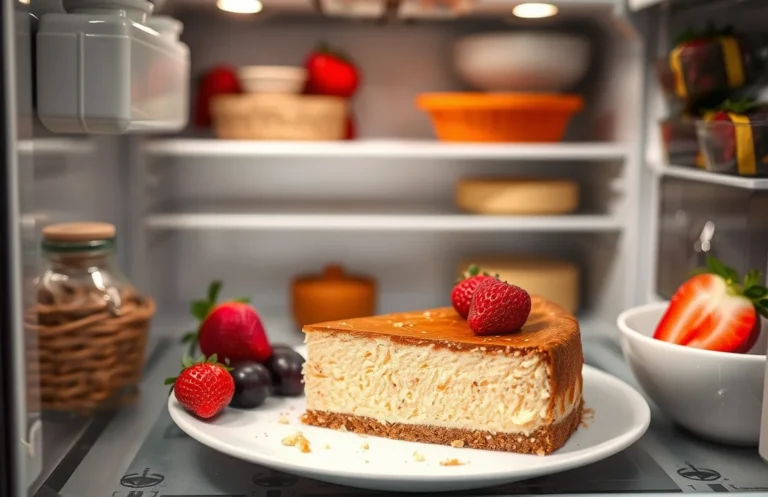
- Remove from the oven and let it cool in the pan for 1 hour. Then, refrigerate for at least 4 hours or overnight before serving. This helps the flavors to meld and the texture to firm up.
Egg-Free Cheesecake Steps
- Preheat the oven to 350°F (175°C). Prepare the crust as in the egg-based version, using the same measurements for graham cracker crumbs, butter, and sugar. Press firmly into a 9-inch springform pan.
- In a bowl, blend 2 cups of silken tofu, 1 cup almond milk, 1 cup granulated sugar, and 1 teaspoon vanilla extract using a food processor until completely smooth. This mixture will act as the binder in place of eggs.
- Pour the filling over the prepared crust; smooth the top with a spatula. Bake for 40-45 minutes or until the center is set and the edges are slightly puffed. The top should be lightly golden.
- Allow to cool at room temperature for 30 minutes, then refrigerate for at least 4 hours to set. The texture will be creamy and slightly denser than the egg-based version.
Pro Tips and Common Mistakes
This section shares essential tips for perfecting your cheesecake, especially regarding the use of eggs, and highlights common pitfalls to avoid. Understanding the role of eggs can significantly improve your cheesecake’s texture and flavor.
- Use room temperature eggs: Cold eggs can lead to a lumpy batter. Allow your eggs to sit at room temperature for about 30 minutes before using them to ensure a smooth, creamy texture.
- Add eggs gradually: Incorporate eggs one at a time into the batter. This allows each egg to blend fully, resulting in a uniform mixture that helps prevent cracks during baking.
- Watch your baking time: Overbaking can lead to a dry cheesecake. Bake at 325°F (163°C) for about 50-60 minutes. The center should be slightly jiggly when you remove it from the oven; it will firm up as it cools.
- Cool slowly: Rapid cooling can cause a cheesecake to crack. Once baked, turn off the oven and leave the cheesecake inside with the door ajar for about 1 hour, then refrigerate for at least 4 hours or overnight for the best flavor.
- Use a water bath: For a creamier texture, place your cheesecake pan in a larger pan filled with hot water while baking. This method helps maintain even heat distribution and moisture, reducing the chance of cracks.
Chef’s tip: If you’re making a no-bake cheesecake, substitute eggs with 1 cup of heavy cream whipped to stiff peaks for a similar texture.
By following these tips and avoiding common mistakes, you can create a rich, creamy cheesecake that impresses everyone at your table!
Variations and Substitutions
Cheesecake can be wonderfully versatile, allowing for variations that cater to different dietary needs and preferences. Whether you’re avoiding gluten or looking for a vegan alternative, there are options to enjoy this rich dessert without compromising on flavor or texture.
Gluten-Free Options
If you’re gluten-sensitive or have celiac disease, you can easily make a gluten-free cheesecake by substituting traditional graham crackers with gluten-free options. Here are some alternatives:
- 1 ½ cups gluten-free graham cracker crumbs
- 1 cup crushed almonds or pecans
- 1 cup gluten-free cookie crumbs (like chocolate sandwich cookies)
For the filling, ensure that your cream cheese and other dairy ingredients are gluten-free. The baking process remains the same, so bake at 325°F (160°C) for about 50-60 minutes until the edges are set and the center has a slight jiggle.
Vegan Alternatives
For those following a vegan diet, traditional cheesecake can be modified significantly while still delivering a delicious treat. A common base includes:
- 1 ½ cups soaked cashews (soak for at least 4 hours)
- ½ cup coconut cream
- ½ cup maple syrup or agave nectar
- 1 tablespoon lemon juice
Blend the soaked cashews with the coconut cream, sweetener, and lemon juice until smooth. Pour the mixture into a crust made from dates and nuts, and chill for at least 4 hours to set. This cheesecake will have a creamy texture and a delightful flavor.
Chef’s tip: If your vegan cheesecake is too thick, add a splash of non-dairy milk to achieve your desired consistency.
Serving Suggestions
When serving cheesecake, presentation and pairing can elevate the experience. From simple plating ideas to delightful drink pairings, these suggestions will enhance the flavors and aesthetics of your cheesecake, whether it includes eggs or not.
Plating Ideas
- Start by slicing the cheesecake into even pieces, about 1-2 inches thick. Use a sharp knife dipped in hot water for clean cuts, which helps maintain a smooth edge.
- Place each slice on a chilled plate. For a touch of elegance, consider a dollop of whipped cream on one side, and a drizzle of fruit coulis—like raspberry or strawberry—on the other.
- Garnish with fresh berries or mint leaves for color. A sprinkle of powdered sugar on top can add a lovely finishing touch, creating a beautiful contrast against the creamy cheesecake.
Drink Pairings
- For a classic pairing, serve cheesecake with a glass of dessert wine like Sauternes or a late-harvest Riesling. The sweetness complements the richness of the cheesecake beautifully.
- If you prefer something non-alcoholic, consider a refreshing iced tea with lemon or a berry-infused sparkling water. Both options balance the cheesecake’s texture without overwhelming it.
- For coffee lovers, a rich espresso or cappuccino pairs wonderfully, enhancing the flavors while providing a delightful contrast to the creamy dessert.
Chef’s tip: Serve your cheesecake chilled for the best texture and flavor experience. Allow it to sit at room temperature for about 15 minutes before serving for a softer bite!
Quick Summary
| Prep Time | 15 minutes |
|---|---|
| Cook Time | 60 minutes |
| Total Time | 1 hour 15 minutes |
| Servings | 8 |
- Use eggs for structure: Traditional cheesecakes rely on eggs for a creamy texture and stability.
- Room temperature ingredients: Ensure cream cheese and eggs are at room temperature for a smooth batter.
- Bake in a water bath: Prevents cracks and maintains moisture during baking.
- Cool gradually: Allow cheesecake to cool in the oven to prevent sudden temperature changes.
- Chill before serving: Refrigerate for at least 4 hours for best flavor and texture.
Frequently Asked Questions
Does cheesecake have eggs?
Yes, most traditional cheesecake recipes include eggs as a key ingredient to provide structure and creaminess. However, you can find eggless variations if you’re looking for alternatives.
Can I make this cheesecake ahead of time?
Absolutely! You can make cheesecake up to 2 days in advance; just cover it tightly with plastic wrap and store it in the refrigerator.
What can I substitute for eggs in cheesecake?
You can use 1/4 cup of unsweetened applesauce or a mixture of 1 tablespoon of ground flaxseed with 3 tablespoons of water as a substitute for each egg. These alternatives will help bind the ingredients without compromising the texture too much.
How do I know when my cheesecake is done?
Your cheesecake is done when the edges are set but the center still has a slight jiggle. It will continue to firm up as it cools, so don’t overbake!
Can I freeze cheesecake? How long does it last?
Yes, you can freeze cheesecake for up to 2 months; just wrap it well in plastic wrap and aluminum foil. Thaw it overnight in the refrigerator before serving for the best texture.

- Make Cheesecake Up to 3 Days Ahead: Tips for Best Flavor & Texture - March 4, 2026
- Easy No-Bake Cool Doen Cheesecake: Quick Recipe & Tips - March 4, 2026
- Decadent Dulce de Leche Cheesecake: Easy Step-by-Step Recipe - March 4, 2026