Does Cheesecake Need Eggs? Explore Recipes and Eggless Options!
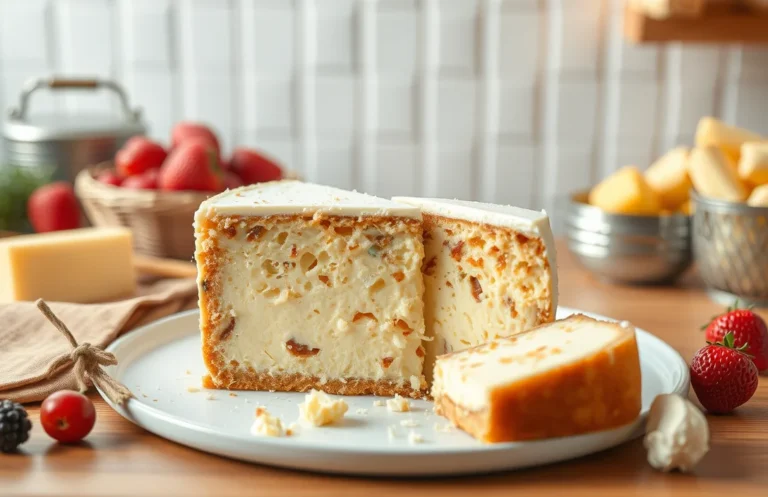
Cheesecake is that delightful dessert that can turn an ordinary evening into something special. Its creamy texture and rich flavor make it a crowd-pleaser, whether it’s for a birthday, holiday, or just because. Imagine slicing into a perfectly baked cheesecake and indulging in its velvety goodness — it’s pure comfort food!
Wondering if cheesecake has egg in it? You’re in the right place! This guide provides a definitive answer, explores traditional recipes, offers eggless options, and explains the vital role of eggs in achieving that luscious texture. Total time: 1 hour 30 minutes, Difficulty: Easy, Servings: 8.
| Prep Time | Cook Time | Total Time | Servings | Difficulty |
|---|---|---|---|---|
| 20 minutes | 50 minutes | 1 hour 30 minutes | 8 | Easy |
Cheesecake Origins
Cheesecake has a rich history that dates back to ancient Greece, where it was served to athletes during the first Olympic Games in 776 BC. Over the centuries, this delicious dessert has evolved into various forms across cultures, leading to the question: does cheesecake contain eggs?
Historical Background
In its earliest forms, cheesecake was made with simple ingredients like cheese, honey, and flour. The Romans brought their own twist, incorporating eggs to enhance the texture and richness. This practice laid the groundwork for modern cheesecake recipes.
- Ancient Greece: Utilized fresh cheese, honey, and flour.
- Roman Era: Introduced eggs for texture and richness.
- Medieval Europe: Increased use of cream and sugar, leading to the creamy cheesecakes we know today.
Cultural Significance
Cheesecake holds a special place in many cultures. In the U.S., it’s often associated with celebrations and holidays, while in other countries, it may be a staple for everyday desserts.
“Cheesecake is more than just a dessert; it’s a celebration on a plate.”
Eggs play a crucial role in traditional cheesecake recipes, providing structure and a creamy mouthfeel. However, many modern variations exist, including eggless options that maintain the rich texture and flavor. Understanding the history of cheesecake helps appreciate the diverse recipes available today.
Ingredients Required
This section details all the ingredients you’ll need for a traditional cheesecake recipe, including whether eggs are necessary. Understanding the role of each ingredient helps you achieve the perfect texture and flavor in your cheesecake.
| Item | Amount/Specification | Notes |
|---|---|---|
| Cream Cheese | 24 ounces (680g) | Softened to room temperature for easy mixing. |
| Sugar | 1 cup (200g) | Granulated sugar works best. |
| Sour Cream | 1 cup (240g) | Adds creaminess and a slight tang. |
| Eggs | 3 large eggs | Room temperature for better incorporation. Eggs provide structure and richness. |
| Vanilla Extract | 1 teaspoon (5ml) | Enhances flavor. |
| Graham Cracker Crust | 1 ½ cups (150g) crushed | Combine with ½ cup (100g) melted butter and ¼ cup (50g) sugar. |
- If you’re avoiding eggs, you can substitute with ¾ cup (180g) of unsweetened applesauce or 1/4 cup of silken tofu per egg.
- For a gluten-free option, use gluten-free graham crackers for the crust.
- Ensure your cream cheese is at room temperature to prevent lumps in your batter.
Necessary Kitchen Tools
To create a delicious cheesecake, especially one that includes eggs, you’ll need some essential kitchen tools to ensure the process goes smoothly. Having the right equipment not only makes preparation easier but also helps achieve the perfect texture and flavor in your cheesecake.
- Mixing Tools: A medium mixing bowl (at least 2 quarts) is vital for combining your cream cheese, sugar, and eggs. Use a hand mixer or a stand mixer fitted with a paddle attachment to blend your ingredients until smooth and creamy, which should take about 2-3 minutes. Ensure there are no lumps, as this affects the final texture.
- Baking Pan: A 9-inch springform pan is ideal for baking cheesecake. It allows for easy removal once the cheesecake is set. Make sure to wrap the bottom with aluminum foil to prevent any water from seeping in if you’re using a water bath method.
- Oven Settings: Preheat your oven to 325°F (160°C) before placing your cheesecake inside. This temperature is perfect for gently cooking the eggs without scrambling them, leading to a creamy texture. Bake for approximately 50-60 minutes or until the edges are set but the center still has a slight jiggle.
- Cooling Rack: After baking, place the cheesecake on a wire cooling rack for at least 1 hour. This step helps prevent cracks as it cools. If you want to avoid cracks, consider leaving the cheesecake in the oven with the door slightly ajar for an additional 30 minutes.
- Spatula: A rubber spatula is useful for gently folding in any additional ingredients, such as whipped cream or flavorings, ensuring a light and airy batter.
Step-by-Step Cooking
This section will guide you through the essential steps to prepare a traditional cheesecake that includes eggs, as well as provide options for eggless variations. Knowing how to properly mix and bake your cheesecake will ensure a creamy texture and rich flavor, while understanding the role of eggs can help you make informed substitutions if needed.
- Prepare the Crust: Preheat your oven to 350°F (175°C). In a medium bowl, combine 1 ½ cups (150g) crushed graham crackers, ½ cup (100g) granulated sugar, and ½ cup (115g) melted unsalted butter. Mix until the crumbs are evenly coated and resemble wet sand. Press the mixture firmly into the bottom of a 9-inch (23cm) springform pan, creating an even layer. Bake for 10 minutes until lightly golden, then remove and let cool while you prepare the filling.
- Mix the Filling: In a large mixing bowl, beat 24 oz (680g) of softened cream cheese using an electric mixer on medium speed until smooth and creamy, about 2-3 minutes. Add 1 cup (200g) granulated sugar, 1 teaspoon vanilla extract, and 3 large eggs, one at a time, mixing well after each addition. The mixture should be smooth and glossy without any lumps. If you prefer an eggless version, substitute the eggs with 1 cup (240ml) of silken tofu blended until creamy.
- Bake the Cheesecake: Pour the filling over the cooled crust, spreading it evenly. Place the springform pan in the center of the oven and bake for 50-60 minutes. The edges should be set while the center remains slightly jiggly. Once done, turn off the oven and crack the door, letting the cheesecake cool inside for 1 hour to prevent cracking. After cooling, refrigerate for at least 4 hours or overnight before serving.
Pro Tips for Success
Mastering the art of cheesecake requires attention to detail, especially when it comes to using eggs. Eggs contribute significantly to the texture and stability of your cheesecake, but there are techniques to prevent common issues like cracking and ensure a smooth finish. Here are some essential tips to keep in mind.
Avoiding Cracks
- Use room temperature ingredients: Cold eggs can cause your cheesecake to bake unevenly, leading to cracks. Allow your eggs to sit at room temperature for at least 30 minutes before using them in the batter.
- Do not overmix: Overmixing incorporates too much air into the batter, which can expand and create cracks during baking. Mix until just combined, and aim for a smooth, creamy texture.
- Water bath technique: Baking your cheesecake in a water bath helps regulate the temperature and moisture level, reducing the risk of cracks. Wrap your springform pan in aluminum foil and place it in a larger baking dish filled with hot water before putting it in the oven.
Cooling Techniques
- Gentle cooling: After baking, turn off the oven and crack the door open. Let your cheesecake cool in the oven for about an hour to prevent sudden temperature changes that can lead to cracks.
- Chill gradually: Once the cheesecake has cooled in the oven, transfer it to the fridge. Avoid placing it in a very cold fridge immediately; instead, let it sit at room temperature for about 30 minutes before chilling to prevent condensation.
- Cover adequately: To prevent the top from drying out and cracking, cover your cheesecake loosely with plastic wrap after it’s fully cooled, but before it goes into the fridge.
Cheesecake Variations
Cheesecake can be wonderfully versatile, and depending on whether you choose to include eggs, you can create a range of textures and flavors. Understanding these variations allows you to cater to dietary needs and personal preferences while still enjoying this beloved dessert.
Eggless Options
If you prefer to make a cheesecake without eggs, there are excellent alternatives that can still deliver a rich and creamy texture. Here’s how to achieve that:
- Use 1 cup of silken tofu blended until smooth as a substitute for eggs.
- Incorporate ½ cup of unsweetened applesauce for moisture.
- Try 1 cup of cashew cream (soaked and blended cashews) for a richer taste.
Chef’s tip: Make sure to blend your egg substitutes thoroughly to achieve a smooth consistency.
Flavor Variations
Adding different flavors to your cheesecake can elevate it to new heights. Here are some popular options:
- For a classic New York style, use 2 teaspoons of vanilla extract.
- Incorporate ½ cup of melted chocolate for a chocolate cheesecake.
- Add 1 tablespoon of lemon zest and 2 tablespoons of lemon juice for a refreshing citrus twist.
Gluten-Free Alternatives
If you’re looking for gluten-free options, replace traditional graham crackers with:
- 1 ½ cups of almond flour for a nutty crust.
- 1 ½ cups of gluten-free cookie crumbs for flavor.
| Variation | Main Ingredient | Substitution |
|---|---|---|
| Eggless | Silken Tofu | 1 cup = 3 eggs |
| Chocolate | Melted Chocolate | ½ cup |
| Gluten-Free | Almond Flour | 1 ½ cups |
By experimenting with these variations, you can create a cheesecake that fits your dietary needs while still being delicious!
Serving Suggestions
When it comes to serving cheesecake, presentation and pairing can elevate the experience significantly. Whether you opt for a traditional cheesecake with eggs or a rich eggless version, the right garnishes and beverages can enhance its creamy texture and flavor.
Garnishing Ideas
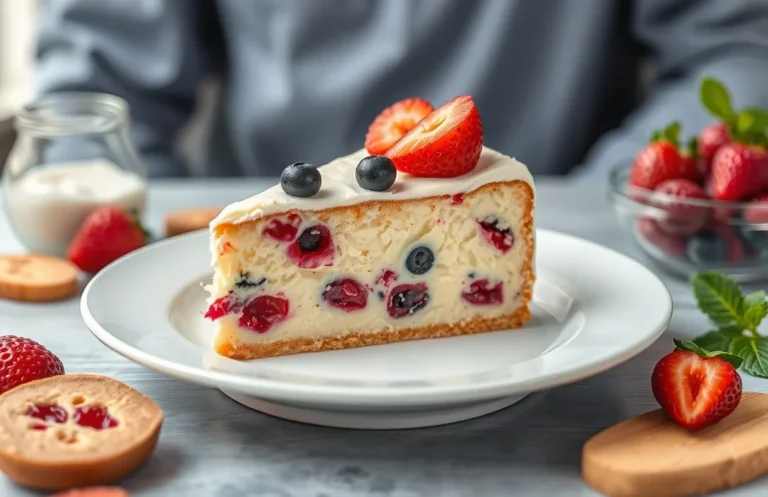
- Fresh Berries: Top your cheesecake with a handful of fresh strawberries, blueberries, or raspberries. Their tartness complements the richness of the cheesecake beautifully.
- Chocolate Drizzle: Melt ½ cup of semi-sweet chocolate chips with 1 tablespoon of coconut oil in the microwave, stirring every 30 seconds until smooth. Drizzle over the cheesecake for a decadent touch.
- Whipped Cream: Whip 1 cup of heavy cream with 2 tablespoons of powdered sugar until soft peaks form. A dollop on each slice adds a light and airy contrast.
Beverage Pairings
- Coffee: A cup of freshly brewed coffee, whether black or with cream, pairs perfectly with cheesecake. The bitterness of coffee balances the dessert’s sweetness.
- Sweet Dessert Wine: A glass of late-harvest Riesling or a Moscato can enhance the flavors of the cheesecake. The sweetness in these wines harmonizes with the creaminess of the dish.
- Herbal Tea: For a lighter option, consider serving your cheesecake with a warm cup of chamomile or mint tea. The herbal notes provide a refreshing contrast.
Experimenting with different garnishes and drinks can lead to delightful combinations that suit your taste. Remember, the way you serve your cheesecake can make it even more inviting!
Quick Summary
| Prep Time | Cook Time | Total Time | Servings |
|---|---|---|---|
| 15 minutes | 60 minutes | 1 hour 15 minutes | 8 servings |
- Check Ingredients: Classic cheesecake typically includes eggs for richness.
- Prepare Crust: Use crushed graham crackers mixed with melted butter.
- Mix Filling: Blend cream cheese, sugar, and eggs until smooth.
- Bake Carefully: Use a water bath at 325°F for even cooking.
- Cool Gradually: Let cheesecake cool in the oven to prevent cracks.
- Chill Before Serving: Refrigerate for at least 4 hours for best texture.
- Tip 1: Room temperature ingredients blend better.
- Tip 2: Don’t overmix; it can incorporate too much air.
- Tip 3: Use fresh eggs for optimal flavor and texture.
Frequently Asked Questions
Can I make this ahead of time? How to store and reheat?
You can absolutely make cheesecake ahead of time! Store it in the refrigerator for up to 5 days, and if you want to reheat it, do so gently in a low oven at 300°F (150°C) for about 10-15 minutes.
What can I substitute for eggs in cheesecake?
You can substitute eggs with 1/4 cup of unsweetened applesauce or 1/4 cup of silken tofu for each egg to achieve a similar texture. However, the flavor may slightly differ, so keep that in mind!
How do I know when it’s done?
Your cheesecake is done when the edges are set and the center has a slight jiggle, which usually takes about 55-65 minutes at 325°F (160°C). It will continue to set as it cools, so don’t overbake!
Can I freeze this? How long does it last?
Yes, you can freeze cheesecake for up to 2-3 months. Make sure to wrap it tightly in plastic wrap and then in aluminum foil to prevent freezer burn.
Why did my cheesecake turn out cracked?
Your cheesecake may have cracked due to baking at too high a temperature or overmixing the batter, which incorporates too much air. To prevent this, bake at a lower temperature and mix just until combined.

- 10 Best Cheese Knife With Holes For Smooth Slice 2026 - March 9, 2026
- Make Cheesecake Up to 3 Days Ahead: Tips for Best Flavor & Texture - March 4, 2026
- Easy No-Bake Cool Doen Cheesecake: Quick Recipe & Tips - March 4, 2026