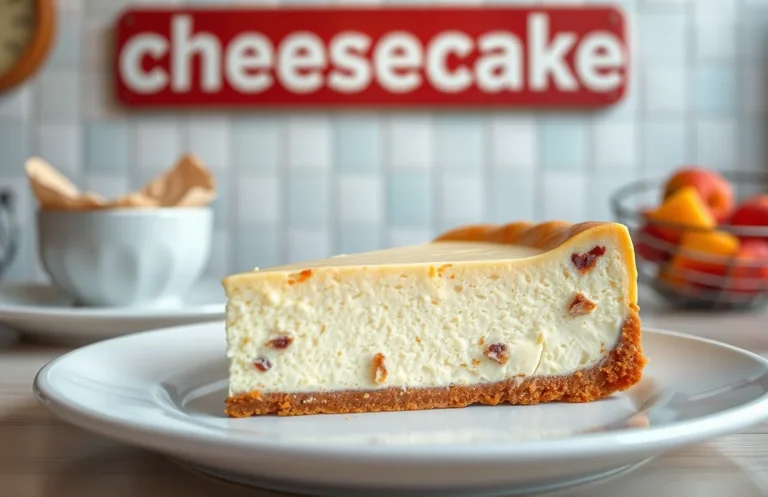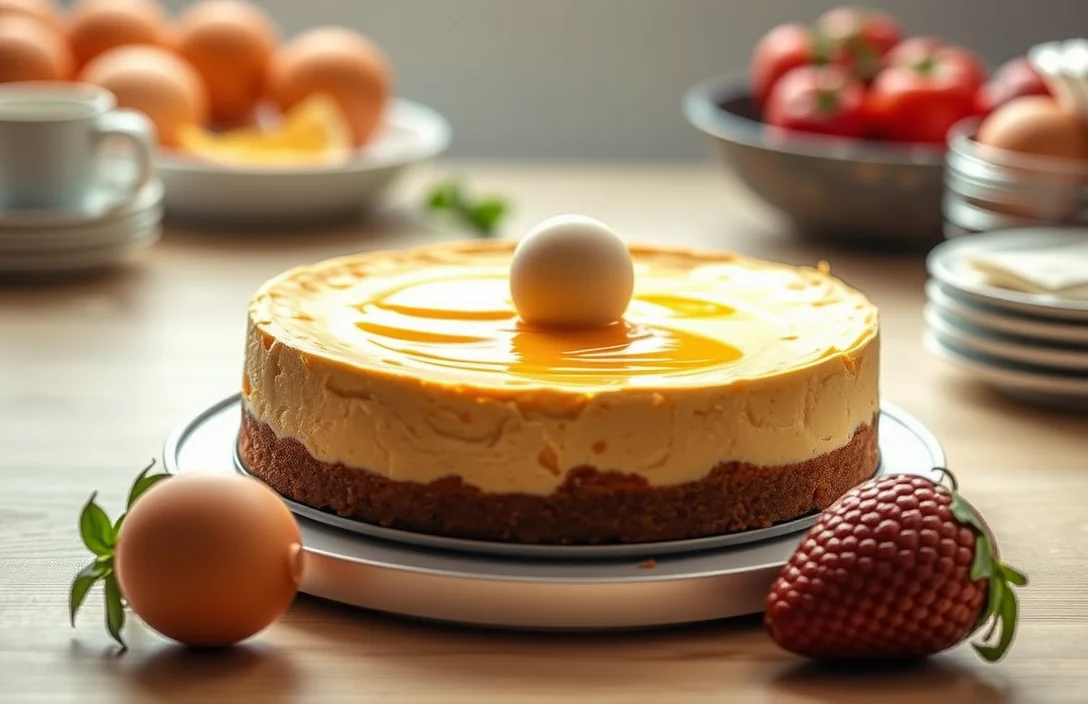
How Egg Counts Impact Cheesecake Rise: Tips for Perfect Texture
Cheesecake is one of those desserts that never fails to impress, whether it’s for a family gathering or a cozy night in. The creamy, velvety texture paired with a buttery crust is pure bliss, and the best part? You can customize it endlessly. Who can resist a slice of perfectly risen cheesecake?
Get ready to unlock the secrets behind how more eggs can influence the rise and texture of your cheesecake. This guide covers everything you need, including total time: 1 hour 30 minutes, difficulty: medium, and servings: 8.
| Prep Time | Cook Time | Total Time | Servings | Difficulty |
|---|---|---|---|---|
| 30 minutes | 1 hour | 1 hour 30 minutes | 8 | Medium |
Cheesecake Origin Story
The history of cheesecake is rich and varied, reflecting cultural influences from around the world. Understanding its origins helps us appreciate how the balance of ingredients, including eggs, can affect the final texture and rise of this beloved dessert.
- Ancient Roots: The earliest known cheesecake dates back to ancient Greece, where it was made with simple ingredients like cheese, flour, and honey. The Greeks believed it was a nourishing food, often served to athletes during the first Olympic Games.
- Roman Influence: The Romans adapted the Greek version, adding more flavors and textures. They introduced the idea of using eggs in the mixture, which contributed to a richer and creamier consistency, a foundation for modern cheesecakes.
- Cultural Variations: Throughout the centuries, cheesecake has evolved in different cultures, resulting in unique variations. For example, the German Käsekuchen uses quark cheese, while Italian cheesecake often incorporates ricotta. Each variation has its specific balance of ingredients, impacting the rise and texture.
- Modern Interpretations: Today, cheesecakes can be baked or unbaked, and the use of eggs varies. More eggs typically increase the rise, but if not managed properly, they can lead to deflation as the cheesecake cools. This highlights the delicate balance needed in cheesecake recipes.
Eggs in Cheesecake: Key Ingredients
Understanding the role of eggs in cheesecake is crucial for achieving that perfect rise and texture. The quantity and quality of eggs can significantly impact your cheesecake, influencing its structure and how it behaves during baking and cooling. Here’s what you need to know about selecting the right eggs and how their quantity affects your cheesecake’s outcome.
| Item | Amount/Specification | Notes |
|---|---|---|
| Large Eggs | 3 to 5 eggs | 3 eggs for a denser texture; 5 eggs for a lighter, airier cheesecake. |
| Egg Yolks | 2 yolks (optional) | Adding yolks can enrich flavor and creaminess. |
- Use fresh, high-quality eggs for the best flavor and texture.
- Room temperature eggs incorporate better into the batter, creating a smoother consistency.
- For a rich flavor, consider using organic or free-range eggs.
- Be cautious with adding too many eggs; more than 5 can lead to a cake that rises too high and then deflates.
When baking, the eggs contribute to the cheesecake’s structure and stability. As they cook, they coagulate, providing firmness. If you find your cheesecake deflating, it might be due to the number of eggs used or the baking temperature. A balanced approach with the right quantity is key!
Essential Kitchen Tools
To bake a perfect cheesecake, especially when experimenting with the number of eggs for rise and texture, having the right tools is essential. This section outlines the key equipment you’ll need to ensure your cheesecake turns out smooth, creamy, and beautifully risen.
| Item | Amount/Specification | Notes |
|---|---|---|
| Stand Mixer or Hand Mixer | 1 | A stand mixer is ideal for mixing cream cheese and incorporating air, which helps with rise. |
| Mixing Bowls | 2 (1 large, 1 medium) | Use a large bowl for the cream cheese mixture and a medium bowl for whisking eggs. |
| Baking Pan | 9-inch Springform Pan | Allows for easy removal of the cheesecake, especially important for delicate textures. |
| Measuring Cups and Spoons | 1 set | Precise measurements are vital for consistent results. |
| Spatula | 1 | Silicone spatula for folding in ingredients without deflating the mixture. |
- Tip: A hand mixer can also work, but a stand mixer is recommended for smoother blends.
- Tip: Ensure all ingredients are at room temperature for better emulsification.
- Warning: Do not overmix your batter after adding eggs, as this can incorporate too much air and lead to cracks.
Step-by-Step Baking Process
This section guides you through the essential steps of baking a cheesecake, focusing specifically on how the number of eggs affects its rise and texture. Understanding the baking process will help you achieve a beautiful, fluffy cheesecake that holds its shape.
- Preheat the Oven: Begin by preheating your oven to 325°F (160°C). This temperature is ideal for a cheesecake because it allows for even cooking without causing the eggs to over-set, which can lead to cracking. Preheating takes about 15-20 minutes, so ensure your oven reaches the correct temperature before placing the cheesecake inside.
- Mixing Ingredients: In a large mixing bowl, combine 2 cups (450g) of cream cheese, 1 cup (200g) of granulated sugar, and 1 teaspoon of vanilla extract. Using an electric mixer on medium speed, mix until smooth and creamy, which should take about 3-5 minutes. For a richer, denser cheesecake, add 3 large eggs one at a time, mixing well after each addition. You’ll know the mixture is ready when it’s thick and glossy, with no lumps.
- Baking Time: Pour the cheesecake batter into a greased springform pan and smooth the top with a spatula. Bake in the preheated oven for 45-50 minutes, or until the edges are set but the center still has a slight jiggle. Do not open the oven door during the first 20 minutes to prevent sudden temperature changes that can cause deflation. Once done, the cheesecake will look slightly puffed and golden around the edges.
Chef’s tip: Let the cheesecake cool in the oven with the door slightly ajar for about 1 hour to prevent cracks and maintain its height.
Pro Tips to Avoid Deflation
Keeping your cheesecake perfectly risen and avoiding deflation is crucial for that smooth, creamy texture we all love. Here are expert tips focusing on temperature control and cooling methods to help you achieve the best results every time.
Temperature Control
- Use room temperature ingredients: Make sure your cream cheese, eggs, and sour cream are at room temperature (about 70°F/21°C) before mixing. This helps them combine more smoothly, preventing lumps and ensuring a uniform rise.
- Preheat your oven properly: Always preheat your oven to 350°F (175°C) before placing your cheesecake inside. An adequately heated oven promotes even baking, which contributes to a stable rise.
- Check your oven temperature: Use an oven thermometer to ensure your oven is maintaining the correct temperature. An oven that’s too hot can cause the cheesecake to rise too quickly and then collapse.
Cooling Methods
- Cool gradually: After baking, turn the oven off and crack the door open, letting the cheesecake cool slowly for about 1 hour. Rapid cooling can lead to cracks and deflation.
- Remove from the water bath carefully: If using a water bath, carefully lift the cheesecake out without splashing water onto it. This prevents a sudden temperature drop that can cause the cheesecake to deflate.
- Chill in the refrigerator: Once cooled to room temperature, refrigerate the cheesecake for at least 4 hours, or preferably overnight. This helps it set properly, maintaining its height and texture.
Egg Variations and Substitutions
Understanding how different types of eggs and their quantities affect cheesecake can significantly influence both the rise and texture of your final product. Some variations, like using only egg whites or opting for vegan alternatives, can yield distinct results in consistency and flavor.
Egg White vs. Whole Egg
Whole eggs contribute to a richer flavor and denser texture, while egg whites can create a lighter, airier cheesecake. Here’s a quick comparison:
- Using 2 whole eggs (for a standard cheesecake) results in a creamy texture with a moderate rise.
- Substituting with 4 egg whites can create a fluffier cheesecake but may lack the richness of whole eggs.
- For a high-rise cheesecake, consider using 3 whole eggs. This can help achieve a more pronounced lift, though it may also lead to deflation if not baked correctly.
Vegan Options
If you’re looking for a vegan alternative, there are several substitutes that can mimic the binding and leavening properties of eggs:
- Flaxseed Meal: Mix 1 tablespoon of flaxseed meal with 2.5 tablespoons of water; let it sit for 5-10 minutes until it thickens. Use as a substitute for 1 egg.
- Silken Tofu: Blend ¼ cup of silken tofu until smooth to replace 1 egg. This adds creaminess while maintaining structure.
- Chia Seeds: Similar to flaxseed, mix 1 tablespoon of chia seeds with 2.5 tablespoons of water and let it sit until it gels.
Pro Tip: When using vegan substitutes, consider adding a bit of baking soda or vinegar to help with rising.
| Egg Type | Quantity | Effect on Cheesecake |
|---|---|---|
| Whole Eggs | 2-3 | Rich, creamy texture and moderate rise |
| Egg Whites | 4 | Fluffy texture but less rich |
| Flaxseed Meal | 1 tbsp + 2.5 tbsp water | Vegan alternative, adds binding without egg flavor |
Serving and Plating Ideas
Serving your cheesecake attractively is just as important as how it rises and sets. A well-plated cheesecake not only enhances the dining experience but also draws attention to its texture and flavor. Here are some garnishing ideas and beverage pairings that will complement your cheesecake beautifully.
Garnishes and Sauces
- Fresh Berries: Top your cheesecake with a mix of fresh raspberries, strawberries, and blueberries for vibrant color and tangy flavor.
- Chocolate Ganache: Drizzle warm chocolate ganache over the cheesecake for a rich, decadent touch. To make, heat ½ cup heavy cream until steaming, then pour over 1 cup chopped dark chocolate and stir until smooth.
- Citrus Zest: Grate some lemon or orange zest over the cheesecake right before serving to add a fresh aroma and hint of acidity.
- Caramel Sauce: A generous drizzle of homemade or store-bought caramel sauce adds sweetness and a lovely contrast to the creamy texture.
Pairing with Beverages
Choosing the right beverage can elevate the cheesecake experience. Here are some great options:
| Beverage | Pairing Note |
|---|---|
| Coffee | The bitterness of coffee balances the sweetness of the cheesecake perfectly. |
| Tea | Green or herbal teas provide a refreshing contrast to the rich texture. |
| Sweet Wine | A late harvest Riesling or Moscato enhances the dessert without overpowering it. |
Chef’s tip: Always serve cheesecake chilled for the best texture, and allow it to sit at room temperature for about 15-20 minutes before slicing for cleaner cuts.
Quick Recipe Summary
This section provides an overview of how the number of eggs in your cheesecake affects its rise and final texture. Understanding this relationship is crucial for achieving the perfect cheesecake consistency, whether you prefer it tall and fluffy or dense and creamy.
Essential Ingredients
- 2 cups cream cheese (450g), softened
- 1 cup granulated sugar (200g)
- 4 large eggs
- 1 teaspoon vanilla extract
- 1 cup sour cream (240g)
- 1 tablespoon all-purpose flour (10g) (optional for stability)
Baking Time and Temperature
For best results, bake your cheesecake at 325°F (163°C) for about 60-70 minutes. The cheesecake is done when the edges are set and the center has a slight jiggle. It will continue to firm up as it cools.
Chef’s tip: If using more than 4 eggs, expect a taller rise, but be cautious—overmixing can lead to cracking and a deflated texture.
| Number of Eggs | Expected Rise | Texture |
|---|---|---|
| 2 | Low | Dense and creamy |
| 3 | Medium | Balanced |
| 4 | High | Fluffy and airy |
| 5+ | Very High | Risk of deflation |
Keep an eye on your cheesecake during the last 15 minutes of baking. If it starts to rise excessively, you may need to gently lower the temperature to prevent cracks.
Quick Summary
| Prep Time | Cook Time | Total Time | Servings |
|---|---|---|---|
| 15 minutes | 60 minutes | 1 hour 15 minutes | 8 servings |
- Preheat oven: Set to 325°F (163°C) to ensure even baking.
- Beat eggs separately: Whisk eggs until frothy for better aeration.
- Add eggs gradually: Mix in eggs one at a time to maintain structure.
- Bake in water bath: Prevent cracking and promote even rising.
- Cool slowly: Turn off the oven and crack the door to avoid sudden temperature changes.
- Use room temperature ingredients: This helps achieve a smoother batter.
- Avoid over-mixing: This can lead to deflation after baking.
- Check for doneness: A slight jiggle in the center is ideal for a moist texture.
Frequently Asked Questions
Can I make this ahead of time? How to store and reheat?
You can make cheesecake up to 2 days ahead of time and store it in the refrigerator, covered with plastic wrap. Just let it sit at room temperature for about 30 minutes before serving for the best texture.
What can I substitute for cream cheese?
You can use mascarpone cheese as a substitute for cream cheese in cheesecake, but it will yield a slightly less tangy flavor. Aim for the same weight, using about 8 ounces of mascarpone for every 8 ounces of cream cheese.
How do I know when it’s done?
Your cheesecake is done when the edges are set but the center is still slightly jiggly, which usually takes about 50 to 60 minutes at 325°F (163°C). It will continue to firm up as it cools, so don’t overbake!
Can I freeze this? How long does it last?
You can freeze your cheesecake for up to 3 months if wrapped tightly in plastic wrap and then aluminum foil. Thaw it in the refrigerator overnight before serving for the best taste and texture.
Why did my cheesecake crack on top?
Your cheesecake may crack if it’s baked too quickly or at too high a temperature, so make sure to bake at 325°F (163°C) and avoid opening the oven door. If it happens, a dollop of whipped cream or fruit topping can make it look beautiful!

- Make Cheesecake Up to 3 Days Ahead: Tips for Best Flavor & Texture - March 4, 2026
- Easy No-Bake Cool Doen Cheesecake: Quick Recipe & Tips - March 4, 2026
- Decadent Dulce de Leche Cheesecake: Easy Step-by-Step Recipe - March 4, 2026