Key Ingredients for Perfect Cheesecake: Tips for Texture & Flavor
Cheesecake is one of those desserts that can turn any ordinary day into a special occasion. Creamy, rich, and utterly indulgent, it’s the perfect balance of sweet and tangy. Whether it’s a cozy weeknight treat or the star of your next gathering, this cheesecake will leave everyone asking for seconds.
In this guide, you’ll discover the key ingredients that make a classic cheesecake, along with their roles in achieving that perfect texture and flavor. Expect to spend about 20 minutes prepping and 60 minutes baking, yielding 8 servings of this delicious dessert.
| Prep Time | Cook Time | Total Time | Servings | Difficulty |
|---|---|---|---|---|
| 20 minutes | 60 minutes | 80 minutes | 8 | Medium |
History of Cheesecake
Cheesecake has a rich and varied history that reflects its cultural significance across different regions. Understanding its origins helps to appreciate the elements that make it a beloved dessert worldwide.
- Ancient Greece: The earliest known cheesecake dates back to ancient Greece, where it was served to athletes during the first Olympic Games in 776 B.C. Made from simple ingredients like cheese, honey, and flour, it showcased the basic elements that remain in modern recipes.
- Roman Influence: The Romans adapted the Greek recipe, adding their own twists such as eggs and the use of different cheeses. The word “cheesecake” itself originates from the Latin word “caseus,” meaning cheese, highlighting its foundational ingredient.
- Cultural Variations: Throughout the centuries, cheesecake recipes evolved in various cultures. For example, the Italian “ricotta cheesecake” relies on ricotta cheese, while the Japanese version is known for its airy, soufflé-like texture. Each variation emphasizes the versatility of key ingredients.
- Modern Adaptations: Today, cheesecakes can be found in countless forms, from classic New York-style to no-bake options. The inclusion of ingredients like sour cream or mascarpone enhances creaminess, while flavorings such as fruit or chocolate introduce exciting twists.
Each of these historical elements contributes to the understanding of cheesecake’s ingredients and textures, setting the foundation for the delightful recipes we enjoy today.
Essential Ingredients List
This section outlines the essential ingredients needed to create a delicious cheesecake. Understanding the role of each ingredient is key to achieving the perfect texture and flavor, so let’s break them down!
| Item | Amount/Specification | Notes |
|---|---|---|
| Cream Cheese | 24 ounces (680g) | Softened to room temperature for easy mixing. |
| Sugar | 1 cup (200g) | Granulated sugar for sweetness and texture. |
| Eggs | 3 large | Room temperature, helps to create a smooth filling. |
| Vanilla Extract | 1 teaspoon (5ml) | For added flavor; pure vanilla is best. |
| Crust Ingredients: | ||
| Graham Cracker Crumbs | 1 ½ cups (150g) | Can substitute with digestive biscuits. |
| Unsalted Butter | ½ cup (115g) | Melted, helps to bind the crust. |
| Sugar (for crust) | 2 tablespoons (25g) | To sweeten the crust. |
- For a gluten-free option, use gluten-free graham crackers or almond flour for the crust.
- Make sure the cream cheese is softened before mixing to avoid lumps in your cheesecake.
- For a richer flavor, consider using mascarpone cheese mixed with cream cheese.
- Store any leftovers in an airtight container in the refrigerator for up to 5 days.
Kitchen Equipment Needed
Having the right kitchen tools is essential for making a perfect cheesecake. Each tool plays a significant role in achieving the creamy texture and rich flavor that make cheesecake so delightful. Below is a list of necessary equipment along with specific tips for their use.
- Mixing Bowls: Use at least two mixing bowls, one for the crust and one for the filling. A large mixing bowl (at least 4-quart capacity) is ideal for combining the cream cheese, sugar, and other filling ingredients. Make sure the bowl is clean and dry to avoid any unwanted moisture in the cheesecake.
- Electric Mixer or Whisk: An electric mixer is highly recommended for effortlessly beating the cream cheese until smooth and creamy. If using a whisk, be prepared to whisk vigorously for about 3-5 minutes until there are no lumps, and the mixture is light and fluffy.
- Spatula: A silicone spatula is essential for folding in ingredients gently without deflating the mixture. Use it to scrape down the sides of the bowl to ensure all ingredients are well incorporated.
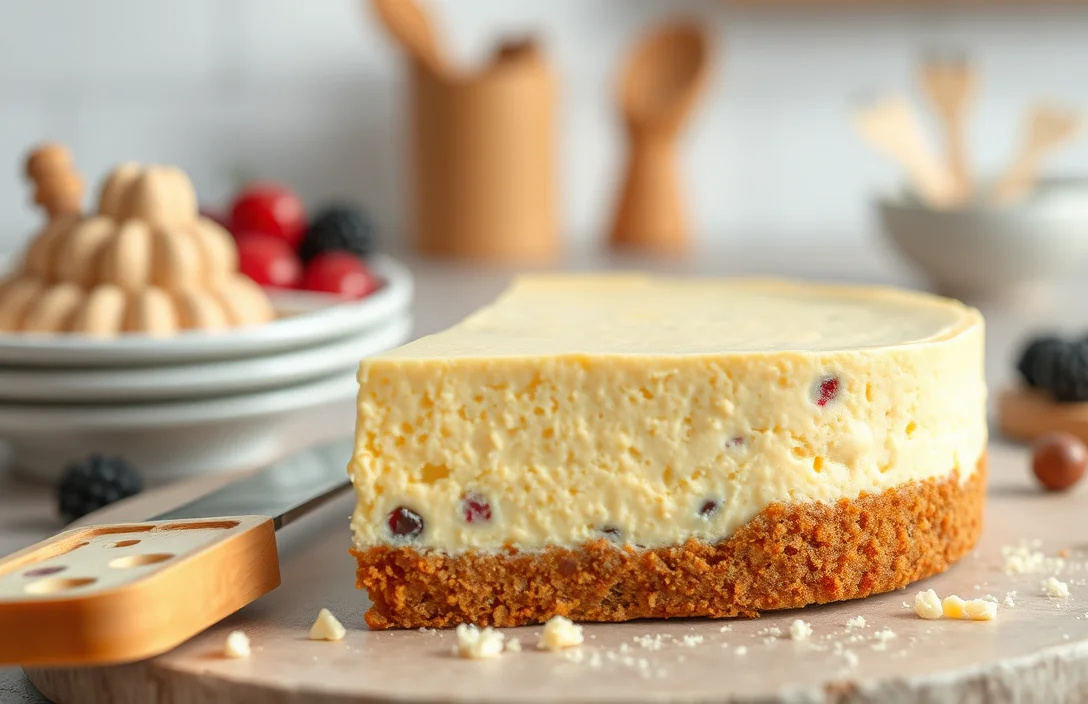
- Baking Pan: A 9-inch springform pan is ideal for baking cheesecake. The removable sides allow for easy removal once the cheesecake has cooled. Line the bottom with parchment paper for added ease during removal.
- Oven: Preheat your oven to 325°F (160°C). This temperature is crucial for evenly baking the cheesecake, ensuring it sets without cracking. Avoid opening the oven door during the first 30 minutes to maintain a stable temperature.
Chef’s tip: Always allow your ingredients to come to room temperature before mixing, especially the cream cheese, for a smoother filling.
Step-by-Step Cooking Instructions
This section will guide you through the essential steps to prepare a delicious cheesecake, focusing on the key elements that contribute to its rich flavor and creamy texture. Knowing how to properly prepare, mix, bake, and cool your cheesecake is crucial for achieving that perfect slice every time.
- Preparation: Begin by preheating your oven to 325°F (160°C). Gather your ingredients: 2 cups (200g) of graham cracker crumbs, ½ cup (100g) of unsalted butter (melted), 2 cups (480g) of cream cheese (softened), 1 cup (200g) of granulated sugar, 1 teaspoon of vanilla extract, and 4 large eggs. This combination creates a rich, creamy base.
- Mixing the Crust: In a bowl, combine the graham cracker crumbs and melted butter until the mixture resembles wet sand. Press this mixture firmly into the bottom of a 9-inch (23cm) springform pan. Bake the crust for 10 minutes until slightly golden, then remove it from the oven and let it cool while you prepare the filling.
- Mixing the Filling: In a large mixing bowl, beat the softened cream cheese with an electric mixer on medium speed until smooth and creamy, about 2-3 minutes. Gradually add the sugar and vanilla extract, mixing until fully combined. Then, add the eggs one at a time, mixing just until incorporated. Overmixing at this stage can lead to cracks in your cheesecake.
- Baking: Pour the cream cheese filling over the cooled crust and smooth the top with a spatula. Bake in the preheated oven for 55-60 minutes. The cheesecake should be set around the edges but slightly jiggly in the center. Do not open the oven door during the first 40 minutes to prevent collapsing.
- Cooling: Once baked, turn off the oven and crack the oven door open slightly. Allow the cheesecake to cool in the oven for 1 hour to prevent sudden temperature changes that cause cracking. Afterward, transfer it to the refrigerator and chill for at least 4 hours, preferably overnight, before slicing.
Pro Tips for Perfect Cheesecake
This section shares essential insights into the key elements that make up a cheesecake and offers expert advice to enhance both flavor and texture. Understanding these ingredients will help you avoid common pitfalls and achieve a delicious, creamy result every time.
Avoiding Cracks
Cracks in your cheesecake can be disappointing, but they are often preventable. Here are some tips:
- Room Temperature Ingredients: Ensure your cream cheese (16 oz or 450g) and eggs (3 large) are at room temperature before mixing. This helps achieve a smooth, lump-free batter.
- Don’t Overmix: Mix just until combined to avoid incorporating too much air, which can lead to cracks during baking.
- Water Bath Method: Bake your cheesecake in a water bath to regulate temperature and moisture. Wrap your springform pan in aluminum foil and place it in a larger pan filled with hot water.
Texture Tips
The texture of your cheesecake is key to enjoying this dessert fully. To get that perfect creaminess:
- Heavy Cream: Adding ½ cup (120ml) of heavy cream to your filling will enhance creaminess.
- Cooling Gradually: After baking, turn off the oven, crack the door, and let the cheesecake cool slowly for about 1 hour to prevent sudden temperature changes.
Flavor Depth
To elevate the flavor of your cheesecake, consider these additions:
- Vanilla Extract: Use 2 teaspoons of pure vanilla extract for a rich flavor.
- Fresh Zest: Incorporate the zest of one lemon or orange for a refreshing twist.
- Chocolate or Caramel Swirls: Fold in melted chocolate or caramel sauce before baking for a delightful surprise.
Chef’s tip: Let your cheesecake chill in the refrigerator for at least 4 hours, preferably overnight, for the best flavor and texture.
| Ingredient | Amount |
|---|---|
| Cream Cheese | 16 oz (450g) |
| Granulated Sugar | 1 cup (200g) |
| Heavy Cream | ½ cup (120ml) |
| Large Eggs | 3 |
Variations and Substitutions
Adapting your cheesecake recipe to suit dietary needs or personal tastes can elevate your dessert experience. Below, you’ll find alternatives for vegan and gluten-free options, as well as flavor variations that will keep your cheesecakes exciting and delicious.
| Item | Amount/Specification | Notes |
|---|---|---|
| Vegan Cream Cheese | 8 oz (226g) | Look for brands made from cashews or tofu for a creamy texture. |
| Coconut Cream | 1 cup (240ml) | Use refrigerated coconut cream for a rich, vegan alternative. |
| Gluten-Free Graham Cracker Crust | 1 ½ cups (150g) | Choose gluten-free graham crackers or ground nuts as a base. |
| Maple Syrup (for sweetening) | ½ cup (120ml) | Use as a substitute for sugar for a unique flavor. |
| Flavor Variations (e.g., chocolate, fruit) | 1/2 cup (120ml) puree or melted chocolate | Add to the filling for different flavors. |
- Common Mistake: If using vegan cream cheese, ensure it’s at room temperature for easy blending.
- For a gluten-free crust, blend nuts like almonds or pecans with dates for a delicious, no-bake option.
- Experiment with different extracts, such as almond or orange, to add depth to your cheesecake.
Serving and Plating Ideas
Presentation can elevate your cheesecake from a delightful dessert to a stunning centerpiece. By incorporating garnishes and sauces, you can enhance the flavors and visual appeal, making each slice irresistible.
Garnishes
- Fresh Berries: Top your cheesecake with a handful of mixed berries (such as strawberries, blueberries, and raspberries) for a vibrant color contrast and a refreshing tartness.
- Chocolate Shavings: Use a vegetable peeler to create shavings from a chocolate bar and sprinkle them over the top for an elegant touch.
- Mint Leaves: A few fresh mint leaves can add a pop of color and a hint of freshness that complements the creamy cheesecake.
Sauces
Drizzling sauces over your cheesecake not only enhances the flavor but also adds an artistic flair to your presentation.
- Berry Compote: Simmer 1 cup of mixed berries with 2 tablespoons of sugar and a splash of lemon juice for 10 minutes until thickened. Let cool before drizzling.
- Chocolate Sauce: Melt ½ cup of chocolate chips with 2 tablespoons of heavy cream in a microwave, stirring every 30 seconds until smooth.
- Caramel Sauce: Store-bought caramel sauce can be heated slightly for easier drizzling or made from scratch by melting 1 cup of sugar until golden and adding ½ cup of heavy cream carefully.
Pairing Suggestions
Pair your cheesecake with a dollop of whipped cream or a scoop of vanilla ice cream to balance the richness.
| Food Pairing | Flavor Profile |
|---|---|
| Coffee | Rich and robust, complements the creaminess |
| Red Wine | Fruity notes to enhance berry toppings |
| Tea | Light and refreshing, especially herbal varieties |
For the ultimate cheesecake experience, remember to serve it chilled and let it sit at room temperature for about 15 minutes before slicing. This allows the flavors to bloom and makes cutting easier!
Quick Summary
| Prep Time | 20 minutes |
|---|---|
| Cook Time | 60 minutes |
| Total Time | 1 hour 20 minutes |
| Servings | 8 servings |
- Gather ingredients: Cream cheese, sugar, eggs, vanilla, and a crust (graham cracker or cookie).
- Preheat oven: Set to 325°F (160°C) for even baking.
- Beat cream cheese: Whip until smooth before adding other ingredients to prevent lumps.
- Mix gently: Fold in eggs and sugar to maintain a light texture.
- Bake in a water bath: This prevents cracks and ensures even cooking.
- Cool properly: Let it cool in the oven with the door ajar to avoid sudden temperature changes.
- Tip 1: Use room temperature cream cheese for smooth mixing.
- Tip 2: Don’t overmix to keep the cheesecake from becoming dense.
- Tip 3: Chill for at least 4 hours before serving for the best flavor and texture.
Frequently Asked Questions
Can I make this cheesecake ahead of time? How to store and reheat?
You can absolutely make cheesecake up to 2 days in advance. Store it in the refrigerator, tightly covered, and serve it cold; there’s no need to reheat!
What can I substitute for cream cheese?
You can substitute cream cheese with mascarpone cheese or a blend of ricotta and sour cream for a lighter texture. Just keep in mind that the flavor may differ slightly from traditional cheesecake.
How do I know when my cheesecake is done?
Your cheesecake is done when the edges are set but the center still has a slight jiggle, usually after about 50-60 minutes at 325°F (163°C). It will continue to firm up as it cools.
Can I freeze cheesecake? How long does it last?
You can freeze cheesecake for up to 3 months wrapped tightly in plastic wrap and aluminum foil. Thaw it overnight in the refrigerator before serving for the best texture.
What if I don’t have a springform pan?
If you don’t have a springform pan, you can use a regular cake pan lined with parchment paper, but be sure to grease the sides well. Just remember, it may be a bit tricky to remove the cheesecake without the springform feature!

- 10 Best Cheese Knife With Holes For Smooth Slice 2026 - March 9, 2026
- Make Cheesecake Up to 3 Days Ahead: Tips for Best Flavor & Texture - March 4, 2026
- Easy No-Bake Cool Doen Cheesecake: Quick Recipe & Tips - March 4, 2026