Freezing Baked Cheesecake: Tips for Perfect Texture and Flavor
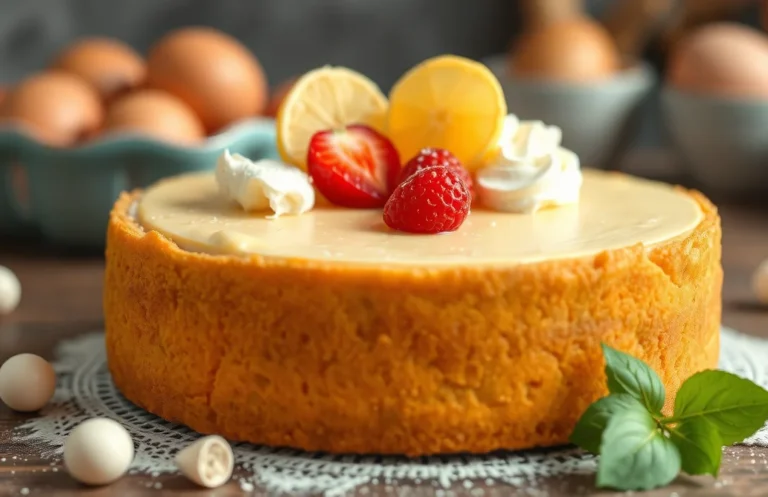
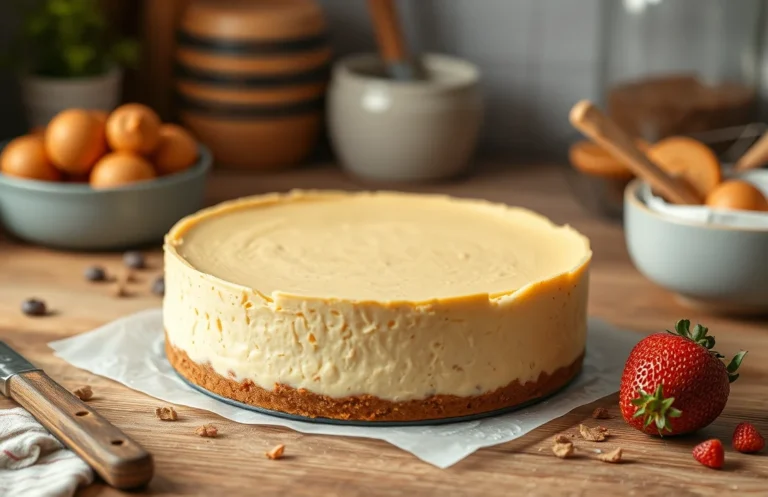
There’s something about a baked cheesecake that feels like a warm hug after a long day. Its creamy texture, combined with a buttery crust, makes it the ultimate dessert for any occasion, whether it’s a weeknight treat or a show-stopping finale for a dinner party. You’ll find yourself going back for seconds!
Key details: This recipe takes about 30 minutes to prep and 1 hour to bake, with a cooling time of 4 hours. It serves 8 people and has a medium difficulty level.
| Prep Time | Cook Time | Total Time | Servings | Difficulty |
|---|---|---|---|---|
| 30 minutes | 1 hour | 4 hours 30 minutes | 8 | Medium |
Baked Cheesecake Origins
Baked cheesecake has a rich history that spans across cultures, making it a beloved dessert around the world. Understanding its origins not only adds depth to your culinary knowledge but also enhances your appreciation for this creamy delight, especially when considering its freezing capabilities.
Cultural Background
The classic baked cheesecake is believed to have roots in ancient Greece, where it was served to athletes during the first Olympic Games. Over time, this simple dessert evolved, with variations emerging in different cultures:
- Greek Cheesecake: Made with ricotta or goat cheese, offering a tangy flavor.
- New York Cheesecake: Known for its dense and creamy texture, primarily made with cream cheese.
- Japanese Cheesecake: Fluffier and lighter, often incorporating meringue for a soufflé-like quality.
Special Occasions
Baked cheesecake is often the centerpiece of celebrations, such as birthdays, holidays, and family gatherings. Its versatility allows it to be dressed up with various toppings like fruit, chocolate, or caramel. Here are some special occasions where baked cheesecake shines:
- Weddings: A popular choice for dessert tables, often tiered and decorated extravagantly.
- Holidays: Perfect for festive gatherings, paired with seasonal fruits and spices.
- Anniversaries: A romantic dessert option, often personalized with flavors or decorations.
Chef’s tip: Freezing baked cheesecake can be a practical solution for preserving leftovers or preparing for future celebrations. Just ensure it’s wrapped properly to maintain its luscious texture!
Ingredients for Baked Cheesecake
This section outlines the essential ingredients needed for a baked cheesecake, which is crucial to know, especially if you’re considering freezing it. The right ingredients not only affect the texture and flavor but also how well your cheesecake holds up during freezing and thawing. Let’s break down the components you’ll need.
| Item | Amount/Specification | Notes |
|---|---|---|
| Cream Cheese | 16 oz (450g) | Softened, full-fat for best texture |
| Sugar | 1 cup (200g) | Granulated sugar is preferred |
| Eggs | 3 large | Room temperature for better mixing |
| Vanilla Extract | 1 teaspoon | Pure vanilla enhances flavor |
| Graham Cracker Crumbs | 1 ½ cups (150g) | For the crust; can substitute with gluten-free crumbs |
| Unsalted Butter | ½ cup (113g) | Melted for crust binding |
| Salt | ¼ teaspoon | Enhances overall flavor |
- Tip: Use full-fat cream cheese for a richer, creamier texture.
- Make sure all ingredients are at room temperature before mixing to prevent lumps.
- If you’re sensitive to gluten, opt for gluten-free graham cracker crumbs.
- Ensure that your cheesecake is completely cooled before attempting to freeze it to maintain texture.
Essential Kitchen Equipment
Before freezing your baked cheesecake, it’s crucial to gather the right kitchen equipment to ensure a smooth process. Each item plays an important role in achieving the best results, from mixing the batter to properly storing the cheesecake for freezing.
- Mixer: A stand mixer or hand mixer is essential for creating a creamy cheesecake batter. Use the mixer on medium speed to combine your cream cheese, sugar, and eggs until the mixture is smooth and free of lumps. This typically takes about 3-4 minutes.
- Springform Pan: Opt for a 9-inch springform pan for baking the cheesecake. This type of pan allows you to easily release the cheesecake after cooling. Be sure to grease the pan with 1 tablespoon of butter to prevent sticking and line the bottom with parchment paper for added security.
- Baking Tools: Prepare your baking tools, including a large mixing bowl, spatula, and measuring cups and spoons. You’ll need to measure out your ingredients precisely, like 2 cups of cream cheese and 1 cup of granulated sugar, to ensure the perfect texture and flavor. An offset spatula is helpful for smoothing the top of the cheesecake before baking.
Chef’s tip: Ensure all ingredients are at room temperature before mixing for a smooth batter, which prevents lumps.
Freezing Baked Cheesecake Steps
Freezing a baked cheesecake can be a great way to preserve its delicious flavor and creamy texture for later enjoyment. In this section, I’ll guide you through the essential steps for preparing your cheesecake for freezing and the best practices for thawing it without sacrificing quality.
- Preparation for Freezing: Once your cheesecake has completely cooled at room temperature, cover it tightly with plastic wrap, ensuring there are no air pockets that could lead to freezer burn. If you want extra protection, wrap it in aluminum foil as well. This will help maintain its flavor and texture. It’s best to freeze the cheesecake for up to three months for optimal taste.
- Labeling: Before placing your cheesecake in the freezer, label it with the date and type of cheesecake using a permanent marker on the plastic wrap or foil. This way, you’ll know exactly what you have and when to use it. Trust me, you don’t want to forget about a cheesecake hiding in the back of your freezer!
- Thawing Process: When you’re ready to enjoy your frozen cheesecake, remove it from the freezer and take off the plastic wrap and foil. Place the cheesecake in the refrigerator for about 6-8 hours or overnight to thaw slowly. This gentle thawing helps maintain the creamy texture and prevents it from becoming soggy.
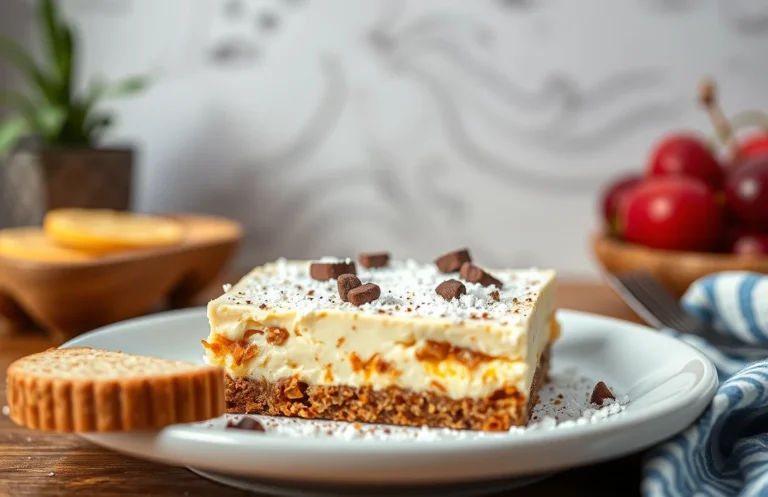
- Serving: After thawing, the cheesecake should feel smooth and firm to the touch. If you notice any condensation on the surface, gently blot it with a paper towel before serving. You can top it with fresh fruits, chocolate sauce, or whipped cream for an extra touch of deliciousness!
Pro Tips for Cheesecake Success
Freezing a baked cheesecake can be a great way to preserve your delicious dessert for future enjoyment. However, there are specific techniques and common pitfalls to be aware of to ensure your cheesecake remains smooth, creamy, and crack-free even after thawing. Here are some essential tips for achieving cheesecake perfection before and after freezing.
Avoiding Cracks
- Cool Gradually: After baking, allow your cheesecake to cool in the oven with the door slightly ajar for about 1 hour. This gradual temperature decrease helps to prevent cracks from forming.
- Don’t Overmix: When combining your ingredients, mix just until incorporated. Overmixing can introduce too much air, leading to cracks as the cheesecake bakes and cools.
- Add a Water Bath: Baking your cheesecake in a water bath (Bain-Marie) helps regulate temperature and moisture, reducing the chance of cracks. Wrap the bottom of your springform pan in aluminum foil and place it in a larger pan filled with hot water.
Storage Best Practices
- Wrap Properly: After cooling, wrap your cheesecake tightly in plastic wrap, followed by aluminum foil to prevent freezer burn. This will help maintain its texture and flavor.
- Label and Date: Always label your cheesecake with the date it was frozen. It’s best consumed within 2-3 months for optimal taste and texture.
- Thaw Gently: To thaw, place your cheesecake in the refrigerator for at least 8 hours or overnight. Avoid thawing at room temperature to prevent a soggy texture.
Cheesecake Variations
Understanding how to customize your cheesecake can enhance your baking experience, especially when considering freezing options. Here, we’ll discuss flavor additions and crust alternatives that not only elevate your cheesecake but also ensure it freezes well.
Flavor Additions
- For a classic vanilla cheesecake, incorporate 1 tablespoon of vanilla extract for a rich flavor.
- Add ½ cup of melted chocolate or 1 cup of fruit puree (like raspberry or mango) to create a chocolate or fruit-flavored cheesecake.
- Consider mixing in 1 teaspoon of almond extract or a pinch of cinnamon for a unique twist.
Chef’s tip: When adding flavors, ensure they are well mixed into the batter to avoid separation during freezing.
Crust Alternatives
- For a gluten-free option, substitute regular graham crackers with gluten-free graham crackers or crushed nuts.
- Use 1½ cups of crushed Oreo cookies mixed with ¼ cup of melted butter for a chocolatey crust.
- Consider a nut-based crust, using 1 cup of finely ground almonds combined with 2 tablespoons of coconut oil.
| Crust Type | Ingredients |
|---|---|
| Traditional Graham Cracker | 1½ cups crushed graham crackers, ¼ cup melted butter |
| Gluten-Free | 1½ cups gluten-free graham crackers, ¼ cup melted butter |
| Oreo Crust | 1½ cups crushed Oreos, ¼ cup melted butter |
After thawing, the cheesecake should maintain its flavor and texture, especially when made with these variations. Just remember to wrap it tightly in plastic wrap and aluminum foil before freezing to prevent freezer burn.
Serving Ideas and Pairings
Once you’ve successfully frozen and thawed your baked cheesecake, the next step is to elevate it with delightful toppings and pair it with the perfect beverages. These suggestions will enhance your dessert experience and complement the rich, creamy flavors of the cheesecake.
Topping Suggestions
- Fresh Berries: A mix of strawberries, blueberries, and raspberries adds a vibrant color and tartness that contrasts beautifully with the sweetness of the cheesecake. Simply wash and pat dry 1 cup of berries before arranging them on top.
- Chocolate Ganache: For a decadent twist, drizzle a warm chocolate ganache made with ½ cup heavy cream and 8 ounces of dark chocolate. Heat the cream until it simmers, remove from heat, and whisk in the chocolate until smooth.
- Caramel Sauce: A rich caramel sauce can provide a wonderful sweetness. You can make a simple sauce by melting 1 cup of sugar until it turns golden brown, then stirring in ½ cup of cream and a pinch of salt for balance.
- Whipped Cream: Light and fluffy whipped cream adds a delightful texture. Whip 1 cup of heavy cream with 2 tablespoons of powdered sugar until soft peaks form, then dollop generously on each slice.
Beverage Pairings
- Coffee: A cup of freshly brewed coffee, whether black or with cream, complements the cheesecake’s richness perfectly. The slight bitterness of coffee balances the sweetness.
- Fragrant Tea: Herbal teas, like chamomile or mint, offer a refreshing counterpoint to the creamy dessert. Serve them hot or iced for a delightful pairing.
- Sweet Dessert Wine: A glass of sweet dessert wine, such as a Sauternes or late harvest Riesling, can enhance the flavors in the cheesecake. Aim for a chilled serving to elevate the experience.
- Milkshake: For a fun twist, pair your cheesecake with a vanilla milkshake. Blend 2 scoops of vanilla ice cream with ½ cup of milk until smooth for a rich treat.
Quick Summary
| Prep Time | Cook Time | Total Time | Servings |
|---|---|---|---|
| 20 minutes | 60 minutes | 80 minutes | 8 servings |
- Cool Completely: Allow your cheesecake to cool for at least 2 hours before freezing.
- Wrap Properly: Use plastic wrap and aluminum foil to prevent freezer burn.
- Freeze Flat: Place the cheesecake in a flat position to maintain its shape.
- Thaw Gradually: Thaw overnight in the refrigerator for best texture.
- Use Fresh Ingredients: Use high-quality cream cheese for a richer flavor.
- Check for Cracks: Fill any cracks with whipped cream before serving after thawing.
Frequently Asked Questions
Can I make this ahead of time? How to store and reheat?
You can make a baked cheesecake up to 2 days in advance. Store it in the refrigerator, covered with plastic wrap, and reheat in the oven at 300°F for about 15 minutes if you prefer it warm.
What can I substitute for cream cheese?
You can substitute mascarpone cheese for a creamier texture, using the same amount (8 ounces) as the recipe calls for. Just keep in mind that the flavor will be slightly different and less tangy.
How do I know when it’s done?
Your cheesecake is done when the edges are set but the center still has a slight jiggle, which usually takes about 50-60 minutes at 325°F. It will firm up as it cools, so don’t overbake!
Can I freeze this? How long does it last?
You can definitely freeze a baked cheesecake for up to 3 months. Just wrap it tightly in plastic wrap and then in aluminum foil to prevent freezer burn.
What if I don’t have a springform pan?
If you don’t have a springform pan, you can use a regular round cake pan lined with parchment paper, but be sure to let it cool completely before trying to remove it. Just run a knife around the edge to help release it from the pan.

- Make Cheesecake Up to 3 Days Ahead: Tips for Best Flavor & Texture - March 4, 2026
- Easy No-Bake Cool Doen Cheesecake: Quick Recipe & Tips - March 4, 2026
- Decadent Dulce de Leche Cheesecake: Easy Step-by-Step Recipe - March 4, 2026