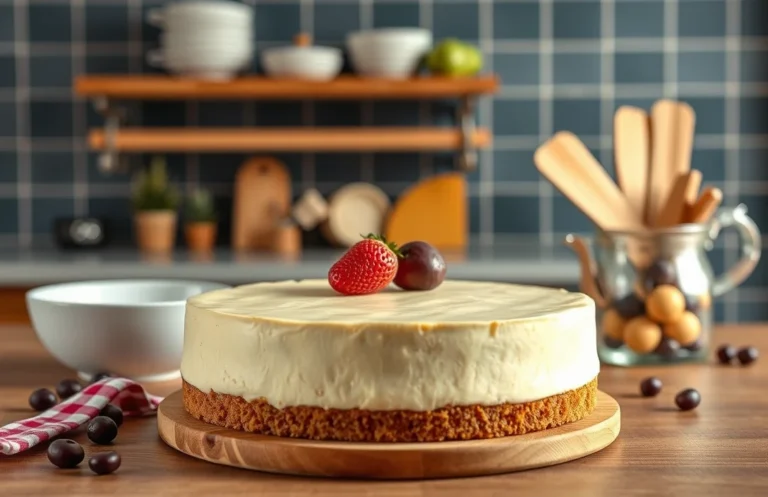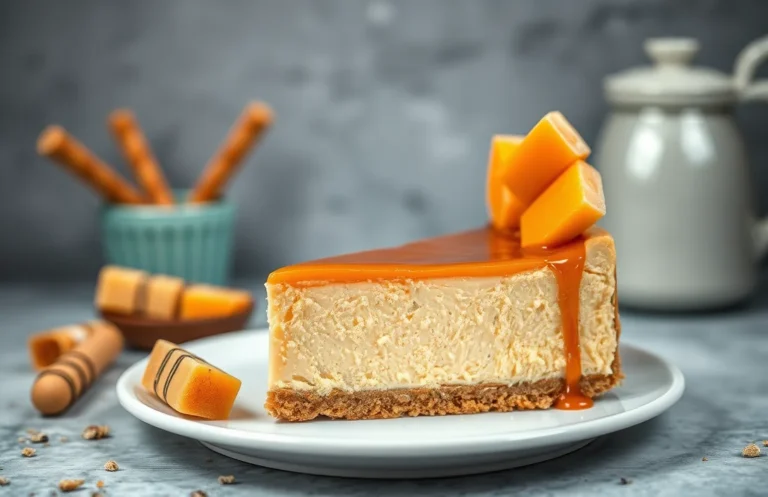
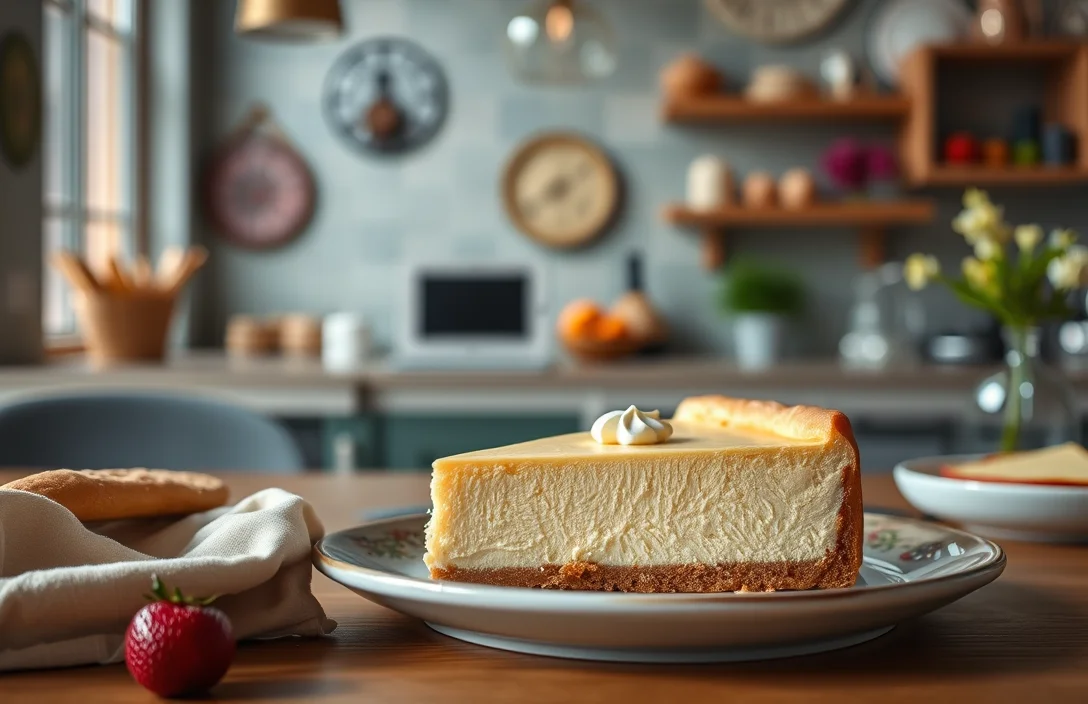
Gluten-Free Cheesecake: 5 Easy Recipes for Delicious Desserts
Cheesecake is that luscious dessert that brings smiles to our faces, whether it’s a special occasion or just a cozy night in. With its creamy filling and buttery crust, it’s no wonder we crave this delightful treat. But what if you or someone you love can’t enjoy gluten? Don’t fret! You can still savor a rich, gluten-free cheesecake that’s just as satisfying!
Get ready to whip up a delicious gluten-free cheesecake in just 15 minutes of prep time, with a baking duration of about 50 minutes. This recipe serves 8 and is easy enough for any home cook!
| Prep Time | Cook Time | Total Time | Servings | Difficulty |
|---|---|---|---|---|
| 15 minutes | 50 minutes | 1 hour 5 minutes | 8 | Easy |
Cheesecake’s Gluten-Free Possibility
Cheesecake has a rich history and is beloved by many, but for those who avoid gluten, the question of whether they can enjoy this creamy dessert is essential. The good news is that cheesecake can easily be adapted to fit a gluten-free diet without sacrificing flavor or texture.
History of Cheesecake
Cheesecake dates back to ancient Greece, where it was served to athletes during the first Olympic Games. Over the centuries, it has evolved into various forms, with regional adaptations across Europe and America. Understanding its origins helps appreciate the versatility of cheesecake, especially when considering gluten-free options.
Why Gluten Matters
Gluten, a protein found in wheat, barley, and rye, can cause serious health issues for individuals with celiac disease or gluten sensitivity. Therefore, it’s crucial to create desserts that cater to these dietary restrictions. By substituting traditional ingredients, gluten-free cheesecake can offer the same delightful experience.
Gluten-Free Cheesecake Appeal
The appeal of gluten-free cheesecake lies in its adaptability. Here are some alternatives and tips:
- Use almond flour or gluten-free graham crackers for the crust.
- Incorporate cornstarch or gluten-free flour in the filling to achieve a creamy texture.
- Experiment with different flavors, like lemon or chocolate, to keep it interesting.
Chef’s tip: Always check your ingredient labels for hidden gluten sources to ensure a safe dessert.
With a few simple changes, cheesecake can be a delightful treat for everyone, regardless of their dietary needs. Stay tuned for the next section, where we’ll dive into a gluten-free ingredients list!
Gluten-Free Ingredients List
For a delicious gluten-free cheesecake, it’s crucial to select the right ingredients. This section outlines the specific items you’ll need to create a smooth, creamy cheesecake that everyone can enjoy, whether they eat gluten or not. From the base to the filling, each ingredient plays a vital role in achieving the perfect texture and flavor.
| Item | Amount/Specification | Notes |
|---|---|---|
| Cream Cheese | 24 ounces (680g) | Softened, full-fat for creaminess |
| Sour Cream | 1 cup (240g) | Adds tanginess and moisture |
| Granulated Sugar | 1 cup (200g) | Can substitute with coconut sugar for a lower glycemic index |
| Gluten-Free Graham Cracker Crumbs | 1 ½ cups (150g) | Use gluten-free varieties or make your own |
| Unsalted Butter | ½ cup (115g) | Melted, for the crust |
| Eggs | 3 large | Room temperature to mix smoothly |
| Vanilla Extract | 1 teaspoon (5ml) | For flavor enhancement |
| Gluten-Free Flour Blend | 2 tablespoons (15g) | For thickening; can use almond or coconut flour |
- Tip: Ensure your cream cheese is at room temperature for easy mixing to avoid lumps.
- Common Mistake: Don’t overmix the batter after adding eggs, as it can lead to cracks during baking.
- For a fruity twist, consider adding a fruit puree, like raspberry or strawberry, to the filling.
Essential Kitchen Equipment
When making a gluten-free cheesecake, having the right kitchen equipment is key to achieving that creamy texture and rich flavor. This section will outline the essential tools you’ll need to ensure your cheesecake turns out perfectly every time.
- Mixing Bowls: You’ll need at least two mixing bowls: one for the crust and another for the cheesecake filling. Opt for glass or stainless steel bowls, as they won’t absorb odors. A medium-sized bowl (around 2-quart capacity) is perfect for mixing the crust ingredients together.
- Springform Pan: A 9-inch springform pan is ideal for baking gluten-free cheesecake. This type of pan allows for easy removal of the cheesecake without damaging the delicate edges. Make sure to grease the sides lightly with butter or non-stick spray to prevent sticking. You can line the bottom with parchment paper for an even easier release.
- Electric Mixer: An electric mixer, either handheld or stand, will save you time and ensure a smooth batter. For the cheesecake filling, beat the cream cheese until it’s creamy and free of lumps, which usually takes about 3-4 minutes on medium speed. Be sure to scrape down the sides of the bowl occasionally to incorporate all ingredients evenly.
Pro tip: If you don’t have a springform pan, you can use a standard cake pan; just line it with parchment paper for easier removal.
Step-by-Step Cheesecake Recipe
This section provides detailed instructions for making a gluten-free cheesecake, ensuring that those who avoid gluten can still enjoy this delicious dessert. Follow these steps carefully to achieve a creamy, rich cheesecake that’s perfect for any occasion.
- Preheat the Oven: Start by preheating your oven to 325°F (163°C). This temperature is ideal for baking cheesecake, ensuring it cooks evenly without cracking. Allow the oven to fully preheat for at least 15 minutes before placing your cheesecake inside.
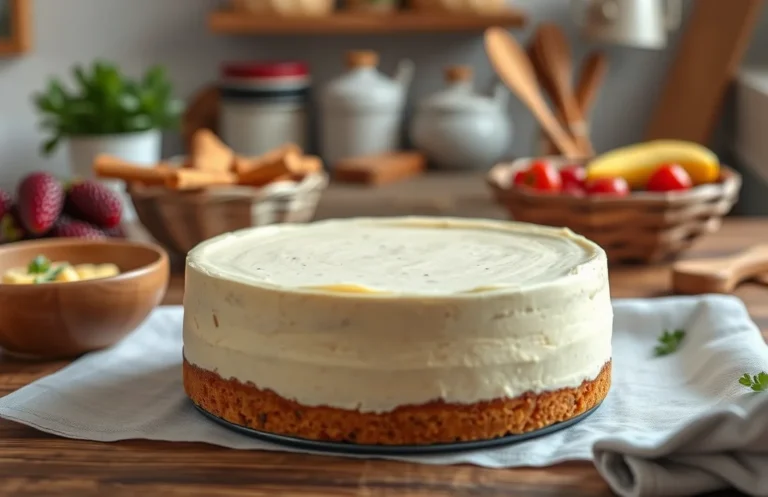
- Prepare the Crust: In a mixing bowl, combine 1½ cups gluten-free graham cracker crumbs with ¼ cup granulated sugar and ½ cup melted butter. Mix until the crumbs are evenly coated and resemble wet sand. Press this mixture firmly into the bottom of a 9-inch springform pan, making sure it’s compact and even. Bake for 10 minutes until slightly golden and fragrant, then remove from the oven and let it cool while preparing the filling.
- Mix the Filling: In a large mixing bowl, beat 24 ounces (680g) of softened cream cheese with an electric mixer until smooth and creamy, about 2-3 minutes. Gradually add 1 cup granulated sugar, 1 teaspoon vanilla extract, and 3 large eggs, mixing well after each addition. The mixture should be smooth and free of lumps. If you notice any lumps, beat it a little longer until it’s completely smooth.
- Baking Process: Pour the cheesecake filling over the cooled crust in the springform pan. Bake in the preheated oven for 55-65 minutes, or until the edges are set but the center is still slightly jiggly. This will firm up as it cools. Do not open the oven door during the first 30 minutes to prevent temperature fluctuations that can cause cracks.
- Cooling: Once baked, turn off the oven and crack the door open, allowing the cheesecake to cool gradually for 1 hour. This helps prevent cracking. Afterward, refrigerate for at least 4 hours, preferably overnight, to allow it to set completely.
| Ingredient | Amount |
|---|---|
| Gluten-free graham cracker crumbs | 1½ cups |
| Granulated sugar | 1¼ cups |
| Melted butter | ½ cup |
| Cream cheese | 24 ounces |
| Vanilla extract | 1 teaspoon |
| Large eggs | 3 |
Pro Tips for Perfect Cheesecake
Making a gluten-free cheesecake can be a delightful experience, but it requires careful attention to detail to achieve that creamy, crack-free perfection. Here are some essential tips to keep in mind while crafting your gluten-free cheesecake.
- Avoiding Cracks: To prevent cracks in your cheesecake, ensure all ingredients are at room temperature before mixing. This helps create a smooth batter. After baking, let the cheesecake cool gradually in the oven with the door slightly ajar for about an hour. This gentle cooling process reduces the temperature shock that often leads to cracks.
- Cooling Techniques: Once your cheesecake is out of the oven, allow it to cool on a wire rack for about 2-3 hours before transferring it to the refrigerator. Then chill for at least 4 hours or overnight. This extended cooling time helps the flavors meld and improves the texture.
- Ingredient Temperatures: Always start with room temperature ingredients, especially the cream cheese and eggs. This will ensure a lump-free batter. If you’re in a hurry, you can soften cream cheese in the microwave for 10-15 seconds, but watch closely to avoid melting it.
Chef’s tip: If you notice any cracks forming, don’t panic! A dollop of whipped cream or a fruit topping can easily cover imperfections.
Variations and Substitutions
Finding ways to adapt cheesecake recipes for those who avoid gluten can open up a world of delicious possibilities. Here are some flavorful variations and substitutions to ensure everyone can enjoy this creamy dessert without compromising on taste or texture.
Vegan Cheesecake
For a vegan twist on traditional cheesecake, you can replace dairy ingredients with plant-based alternatives. Here’s a simple vegan cheesecake recipe:
- 1 ½ cups raw cashews (soaked in water for 4 hours, then drained)
- ½ cup coconut cream
- ½ cup maple syrup
- 2 tablespoons lemon juice
- 1 teaspoon vanilla extract
- Blend the soaked cashews, coconut cream, maple syrup, lemon juice, and vanilla extract in a food processor until completely smooth and creamy.
- Pour the mixture into a prepared gluten-free crust and refrigerate for at least 4 hours to set.
Flavored Variations
You can easily customize the flavor of your cheesecake. Here are some ideas:
- Chocolate Cheesecake: Add ½ cup cocoa powder to the filling for a rich chocolate flavor.
- Berry Swirl: Fold in 1 cup of pureed strawberries or blueberries into the cheesecake filling before setting.
- Matcha Cheesecake: Mix in 2 tablespoons of matcha powder for a vibrant green tea flavor.
Alternative Sweeteners
If you’re looking for sugar alternatives, consider these options:
- Stevia: Use ½ cup of stevia for a low-calorie sweetener.
- Agave Nectar: Substitute honey with an equal amount of agave nectar for a vegan-friendly option.
Chef’s tip: Always taste the filling before pouring it into the crust to ensure the sweetness is to your liking!
Serving and Plating Ideas
Presenting a gluten-free cheesecake can elevate your dessert experience and make it visually appealing. Here are some suggestions on serving temperature, garnishes, and drink pairings to enhance the enjoyment of your cheesecake.
- Serving Temperature: Cheesecake is best enjoyed chilled. Allow your cheesecake to cool at room temperature for about 30 minutes after baking, then refrigerate for at least 4 hours, ideally overnight. This ensures a creamy texture and allows the flavors to meld beautifully.
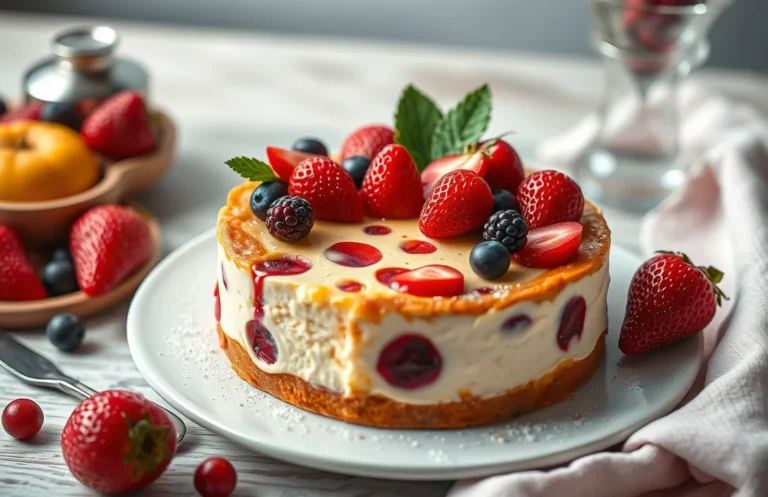
- Garnish Ideas: Top your cheesecake with fresh berries like strawberries, blueberries, or raspberries for a pop of color and flavor. For an added touch, drizzle with homemade raspberry sauce or a simple chocolate ganache made from ½ cup heavy cream and 8 ounces of dark chocolate, melted together until smooth. Consider sprinkling crushed gluten-free graham crackers or nuts around the edges for an additional crunch.
- Drink Pairings: Pair your cheesecake with a glass of dessert wine like Sauternes or a rich coffee such as an espresso. For a non-alcoholic option, serve with a refreshing herbal tea or a sparkling water infused with lemon or mint to cleanse the palate between bites.
Chef’s tip: Always serve cheesecake with a sharp knife dipped in hot water for clean slices. It keeps the presentation neat and professional!
Quick Summary
| Prep Time | Cook Time | Total Time | Servings |
|---|---|---|---|
| 20 minutes | 60 minutes | 1 hour 20 minutes | 8 servings |
- Choose the right crust: Use gluten-free graham crackers or almond flour.
- Preheat the oven: Set to 325°F (163°C) for even baking.
- Beat cream cheese well: Ensure it’s at room temperature for a smooth texture.
- Add eggs one at a time: Prevents overmixing and keeps the cheesecake light.
- Bake in a water bath: Helps maintain moisture and prevents cracking.
- Chill before serving: Refrigerate for at least 4 hours for best flavor.
- Tip: Use full-fat cream cheese for a rich, creamy taste.
- Tip: Sweeten with honey or maple syrup for a unique flavor twist.
Frequently Asked Questions
Can I make this cheesecake ahead of time? How do I store and reheat it?
You can definitely make gluten-free cheesecake ahead of time; in fact, it often tastes better after chilling overnight. Store it in the refrigerator, covered tightly, for up to 5 days, and there’s no need to reheat—just serve it cold!
What can I substitute for the gluten-free graham cracker crust?
If you can’t find gluten-free graham crackers, you can substitute them with finely crushed gluten-free cookies or almond flour mixed with melted butter. Just use a 1:1 ratio of cookie crumbs to butter for the crust.
How do I know when my gluten-free cheesecake is done?
Your cheesecake is done when the edges are set but the center still has a slight jiggle—about 45-50 minutes at 325°F (163°C). It will firm up as it cools, so don’t overbake!
Can I freeze this cheesecake? How long does it last?
You can freeze gluten-free cheesecake for up to 2 months; wrap it tightly in plastic wrap and then foil to prevent freezer burn. To enjoy, simply thaw it in the refrigerator overnight before serving.
What if I don’t have a springform pan?
If you don’t have a springform pan, you can use a regular round cake pan, just line it with parchment paper for easy removal. Be gentle when taking it out, as it might not hold its shape as well without the springform design.

- Decadent Peanut Butter No-Bake Cheesecake: Easy Recipe to Indulge - April 3, 2026
- Delicious Mango No-Bake Cheesecake: Step-by-Step Recipe - April 3, 2026
- Decadent Raspberry No-Bake Cheesecake: Easy Step-by-Step Recipe - April 3, 2026