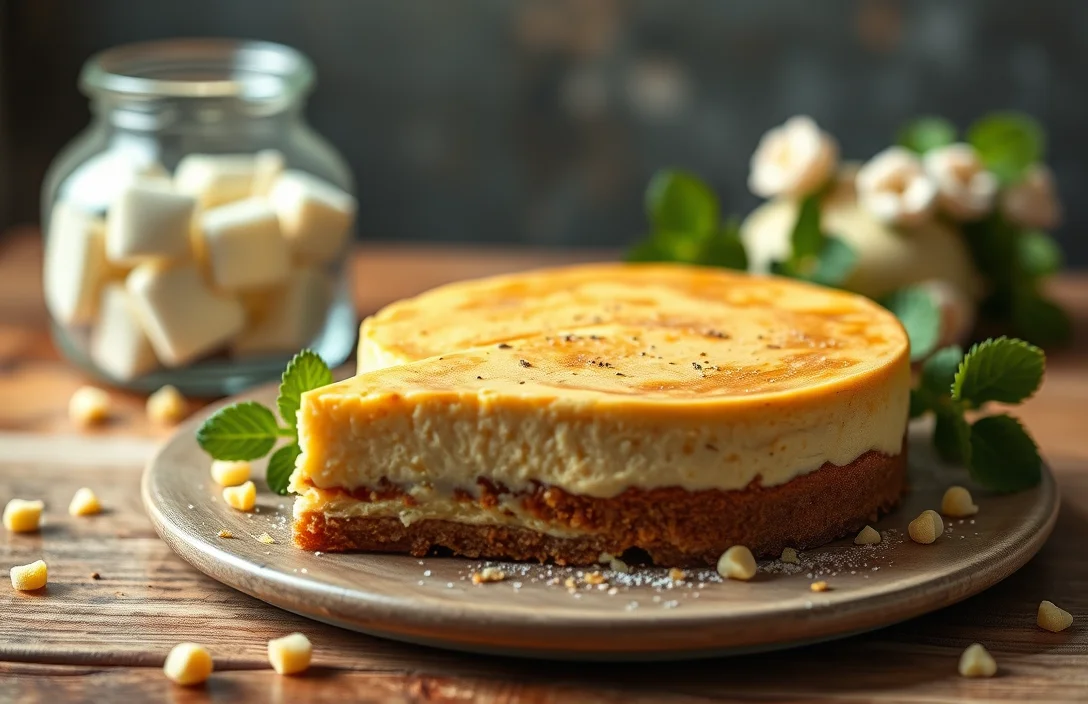
Does Cheesecake Contain Cheese? Full Details Explained
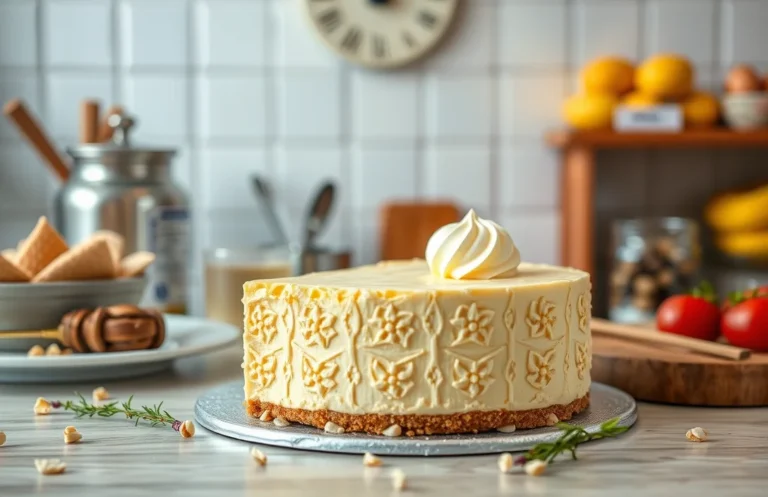
Concise answer: Yes — traditional cheesecakes contain cheese. The most common is cream cheese, but many authentic regional recipes use ricotta, quark, mascarpone, or other fresh cheeses. However, modern culinary innovation produced no‑bake versions and vegan alternatives that do not contain dairy cheese.
Why This Confusion?
On the surface the answer seems obvious because the word “cheesecake” contains “cheese.” Yet confusion arises because some desserts called “cheesecake” use little or no cheese, and because different cultures use different cheeses. People ask whether cheesecake contains cheese for dietary (lactose intolerance, vegan), religious, health or culinary reasons. This article covers all those angles so you can identify when a cheesecake contains cheese and when it does not.
What does “cheese” mean in cheesecake?
“Cheese” here refers to fresh, unripened or lightly cultured dairy products used as the primary structural element of the filling. Unlike aged cheeses (cheddar, parmesan), these are soft, high‑moisture cheeses with mild acidity. They provide protein, fat and texture that set (when combined with eggs or refrigeration) into the creamy filling we expect.
Common cheese types used in cheesecake
- Cream cheese — the modern, American standard. Smooth, tangy, and high in fat; ideal for dense, silky fillings.
- Ricotta — Italian fresh cheese, lighter and slightly grainy; classic in Sicilian and other Italian cheesecakes.
- Quark — popular in Germany, Austria and Eastern Europe; tangy and smooth when used fresh.
- Mascarpone — very rich and buttery; often blended with other cheeses for silkier mouthfeel.
- Cottage/farmer’s cheese — used in traditional Eastern European recipes; typically sieved or blended for smoothness.
The science of cheesecake — how cheese works in the filling?
Cheesecake is a semi‑solid emulsion of fat, protein, water and air. Key scientific principles:
- Protein network: Proteins from dairy (casein) and eggs coagulate during baking, forming a network that traps water and fat and creates structure.
- Fat: Fat from cheese and cream gives creaminess and mouthfeel. Higher fat = richer texture and slower set.
- Starches and crust: Crumb crusts (graham or digestives) provide a textural contrast and base; their fat content (butter) helps bind crumbs.
- Acid balance: Lactic acidity in fresh cheeses adds tang and balances sweetness. Lemon or sour cream can modify acidity to improve flavor and stability.
- Moisture control: Excess moisture (e.g., from ricotta) can yield a looser filling; techniques like draining or blending correct this.
When you bake a cheesecake, eggs coagulate at relatively low temperatures, and proteins tighten as they denature, turning fluid batter into a sliceable custard. Overheating or overbeating can break the emulsion or incorporate too much air, causing cracks or a spongey texture.
Detailed classic baked cheesecake recipe (New York style)
Yield: 8–10 servings. Time: active 40–60 minutes; bake + cool 6–12 hours total.
Ingredients
- Crust: 1 3/4 cups (175g) graham cracker or digestive crumbs, 6 tbsp (85g) unsalted butter, melted, 2 tbsp sugar (optional)
- Filling: 24 oz (680g) full‑fat cream cheese (3 × 8 oz packages), at room temperature; 1 1/4 cups (250g) granulated sugar; 1 cup (240g) full‑fat sour cream; 3 large eggs (room temp); 2 tbsp all‑purpose flour (optional, for stability); 2 tsp vanilla extract; 1 tsp lemon zest (optional)
- Topping (optional): 1 cup sour cream + 2 tbsp sugar + 1 tsp vanilla (for a tangy finish) or fresh fruit compote
Equipment
- 9‑inch (23 cm) springform pan
- Electric mixer (stand or hand)
- Large roasting pan (for water bath)
- Spatula, parchment paper, aluminum foil
Method — step by step with troubleshooting notes
- Preheat oven to 325°F (163°C). Wrap the outside of the springform pan with a double layer of heavy foil to prevent water bath leaks.
- Make crust: Combine crumbs, melted butter and sugar; press evenly into the bottom (and optionally 1/2″ up the sides) of the pan. Blind bake 8–10 minutes until set and fragrant; cool on rack.
- Beat cream cheese on medium speed until smooth and lump‑free (2–3 minutes). Scrape bowl.
- Add sugar gradually; beat until combined and creamy. Avoid whipping at high speed to prevent over aeration.
- Mix in sour cream, vanilla and lemon zest. Add eggs one at a time on low speed, mixing only until incorporated. Stir in flour if using (helps reduce cracking).
- Pour filling onto crust, smooth top. Place pan in larger roasting pan and add hot water to reach halfway up the side of the springform (bain‑marie).
- Bake 50–70 minutes. The center should jiggle slightly when shaken; edges will be set and may have a light color.
- Turn off oven, crack door and let cheesecake cool inside for 1 hour. Remove, cool fully on rack, then chill 4+ hours (overnight preferred).
- Add topping if desired and release from pan using a thin knife to loosen edges.
Common problems & fixes
- Cracks: Often due to overbaking or rapid cooling. Use a water bath, avoid overmixing (which adds air), and cool slowly.
- Lumpy batter: Room temperature cream cheese is essential. Beat at medium speed and scrape bowl frequently.
- Soggy crust: Blind bake crust longer or brush lightly with melted chocolate to seal (for a no‑soggy barrier).
- Undercooked center: Bake longer at a slightly lower temperature; check for slight wobble rather than raw batter.
No‑bake cheesecake expanded
No‑bake cheesecakes set without eggs or oven heat; they rely on refrigeration and stabilizers such as gelatin, agar agar, or whipped cream. Many are still cheese‑based (cream cheese blended with whipped cream), but some omit dairy cheese entirely.
Typical no‑bake cream‑cheese method
- Beat softened cream cheese with sugar until smooth. Fold in whipped cream (or stabilizer) and flavorings. Press crust and chill until set. Gelatin can be used to firm the filling.
No‑cheese no‑bake alternatives
- Cashew cheesecake: Soak raw cashews, blend with coconut cream, lemon juice and sweetener until silky; pour onto crust and chill or set with agar.
- Silken tofu cheesecake: Puree silken tofu with lemon and sugar; set with agar for vegan, lower fat option.
Vegan and dairy‑free cheesecake — techniques and ingredients
Vegan cheesecakes aim to mimic texture and tang without dairy. Approaches vary by desired richness:
- Nut‑based: Soaked cashews are the most common; they blend to a velvety texture and tolerate acids (lemon) and coconut cream.
- Soy‑based/Tofu: Silken tofu purees well for a lighter texture; often combined with coconut cream for richness.
- Commercial vegan cream cheeses: Use as a 1:1 substitute in many no‑bake recipes for convenience.
- Thickeners: Agar, cornstarch, arrowroot, or xanthan gum are used to firm the filling depending on whether it will be chilled or gently heated.
Regional and cultural variations
Cheesecake appears in many cuisines with distinct local characteristics:
- Italian (crostata di ricotta / cassata variants): Uses ricotta, often combined with citrus zest, candied fruit or chocolate; texture is lighter and grainier than cream‑cheese cakes.
- German/Austrian (Käsekuchen): Often uses quark and yields a lighter, less sweet cake sometimes baked in a yeast dough shell.
- Polish/Slavic (Sernik): Uses farmer’s cheese or twaróg and often includes raisins, almonds or crumb toppings.
- Japanese cotton cheesecake: A hybrid between chiffon cake and cheesecake using cream cheese plus a substantial meringue to make an airy, jiggle dessert.
- New York style: Dense, rich, high in fat and often baked with sour cream or a cream cheese topping for smoothness and sheen.
Nutrition and allergen details
Traditional cheesecake is high in calories, saturated fat and often sugar. Typical per‑slice values (1/12 of 9‑inch): 350–600 kcal depending on ingredients and serving size. Allergens include milk/dairy, eggs, and gluten from crumbs (unless substituted). Vegan or nut‑based cheesecakes remove milk but add nuts, which are allergens for others. For lower‑fat versions, use reduced‑fat cream cheese or silken tofu blends, but texture and flavor will differ.
Commercial production and labeling notes
In commercial bakeries, “cheesecake” generally implies a cheese component but local regulations vary. Packaged products list ingredients and should be checked by those avoiding dairy. Some manufacturers label “cheesecake‑style” or “cheesecake dessert” to indicate differences; always read ingredient and allergen statements if you have strict dietary needs.
Presentation, garnishes, and pairing
How you serve cheesecake affects perceived richness and balance.
- Fresh fruit: Berries, citrus segments, or poached stone fruit add acidity and freshness to cut through richness.
- Sauces: Fruit coulis, salted caramel, chocolate ganache or balsamic reductions work well.
- Textures: Toasted nuts, praline shards, or cookie crumbles add contrast.
- Beverage pairings: Sweet dessert wines (Moscato, late‑harvest Riesling), tawny port, espresso or dark roast coffee, and herbal teas such as mint or chamomile depending on sweetness and acidity.
Storage, freezing and reheating
- Refrigeration: Store covered for up to 4–5 days. Keep away from strong odors.
- Freezing: Best frozen without delicate toppings. Wrap in plastic and foil; freeze up to 2–3 months. Thaw overnight in fridge.
- Reheating: Cheesecake is best chilled. If warmed, do so briefly in a low oven (300°F / 150°C) for a minute or two — but warming may alter texture.
Advanced techniques for professionals and enthusiasts
- Stabilize with gelatin: A small amount of gelatin in no‑bake or lightly baked cheesecakes improves hold for plated desserts.
- Steam oven or water bath: Use either to create an ultra‑creamy, crack‑free texture.
- Eggless bakes: Use cornstarch or ricotta blends for lightly set bakes if avoiding eggs.
- Flavor infusions: Steep citrus zest in cream, fold in espresso or liquors (e.g., Amaretto) for subtle notes.
Labeling and consumer language — what’s “cheesecake” legally?
There is no single worldwide legal definition that requires cheese in every “cheesecake” product. Food laws differ by country: some require accurate ingredient lists and allergen declarations; others have protected naming for certain dairy products but not for multi‑ingredient desserts. For clarity, consumers should inspect ingredient lists and ask sellers directly.
FAQ
Q: Has chessecake got chesse in it? (revisited)
A: Traditional and most classic recipes contain cheese — often cream cheese, ricotta, quark or mascarpone. However, there are notable and common exceptions (no‑bake, vegan, and some marketed desserts). Always check the recipe or product label if you need a definitive yes/no for dietary reasons.
Q: Can I make a low‑fat cheesecake that still tastes good?
A: Yes, but expect texture changes. Lower‑fat cream cheeses or blends with Greek yogurt or silken tofu can reduce calories, and adding a bit of cornstarch can help stabilize structure. Chill thoroughly. The flavor will be less rich.
Q: Are Japanese cheesecakes “cheesecakes” if they feel like cake?
A: Yes — they still use cream cheese in most recipes. Their unique technique incorporates whipped egg whites to make an airy, soufflé‑like texture, bridging cake and cheesecake styles.
Q: How can I tell a vegan cheesecake from a dairy one at a bakery?
A: Ask or check labels. Vegan cheesecakes are commonly labeled “vegan” or “plant‑based.” If unsure, ask which ingredients are used (cashews, coconut, vegan cream cheese, etc.).
Q: Is ricotta‑based cheesecake healthier?
A: Ricotta cheesecakes are often lighter in texture and may be slightly lower in fat per volume compared to cream cheese versions, but sugar, crust and portion size determine final calorie content.

- 10 Best Cheese Knife With Holes For Smooth Slice 2026 - March 9, 2026
- Make Cheesecake Up to 3 Days Ahead: Tips for Best Flavor & Texture - March 4, 2026
- Easy No-Bake Cool Doen Cheesecake: Quick Recipe & Tips - March 4, 2026