Is Cheesecake Gluten-Free? Discover Safe Recipes and Tips
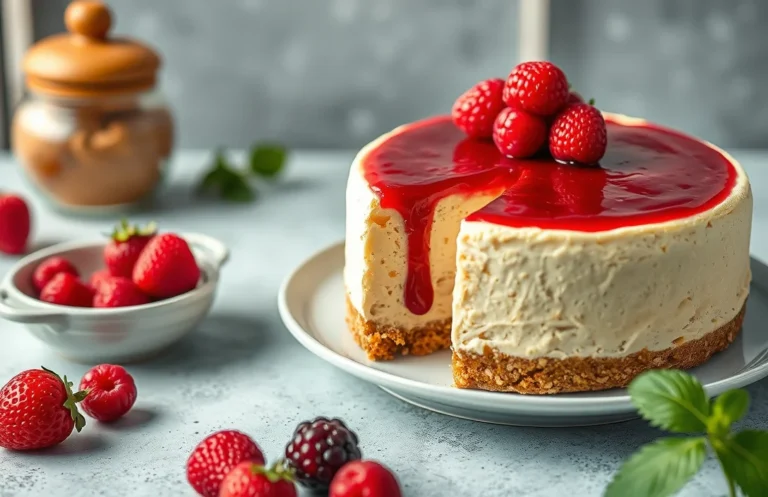
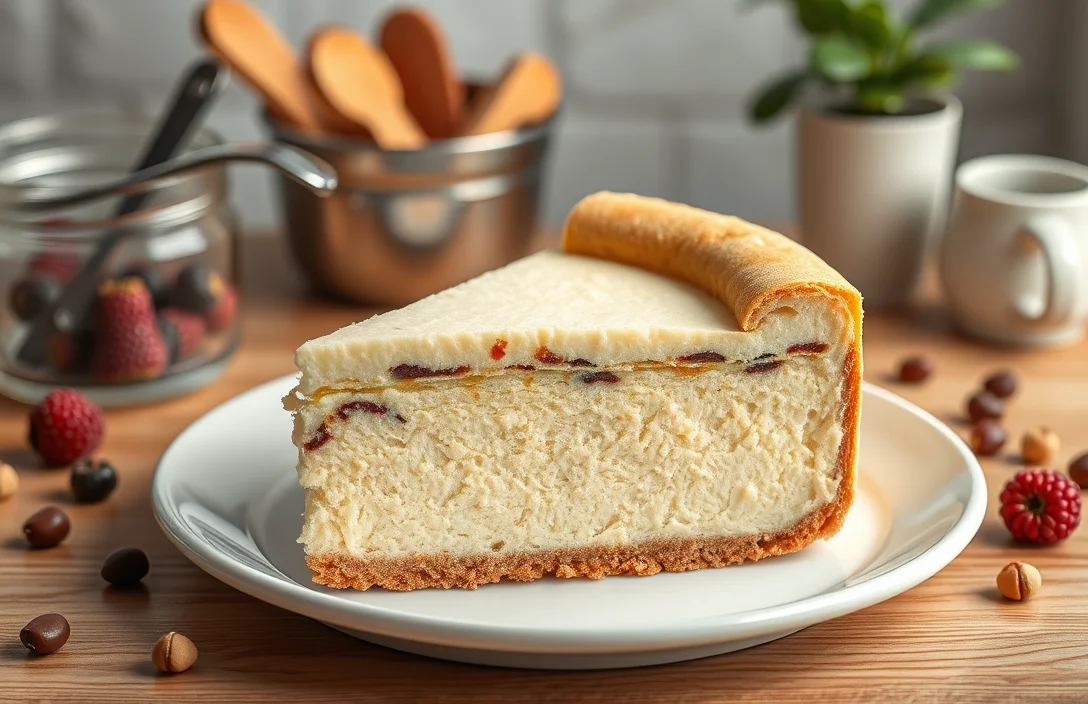
If you’ve ever tasted a rich, creamy cheesecake that melts in your mouth, you know it’s a dessert that brings everyone together. With its buttery crust and velvety filling, cheesecake is the ultimate comfort food that transforms any occasion into a celebration. Imagine the sweet aroma wafting through your kitchen as it bakes!
Wondering if cheesecake contains gluten? This guide covers traditional cheesecake ingredients, gluten-free alternatives, and detailed recipes to satisfy your cravings. You’ll find everything you need, from exact measurements to troubleshooting tips.
| Prep Time | Cook Time | Total Time | Servings | Difficulty |
|---|---|---|---|---|
| 20 minutes | 60 minutes | 80 minutes | 8 servings | Medium |
History of Cheesecake
Understanding the history of cheesecake helps us appreciate its evolution and culinary significance, especially when considering whether it contains gluten. This beloved dessert has ancient roots and has transformed over centuries, influencing various cultures and their approach to ingredients.
- Origins in Ancient Greece: Cheesecake’s history traces back to ancient Greece around 2000 B.C. where it was made with simple ingredients like cheese, honey, and flour. The Greeks served it to athletes during the Olympic Games, highlighting its status as a nourishing and energy-boosting food.
- Roman Adaptation: The Romans adopted the Greek cheesecake and began to experiment with different flavors and textures. They introduced the use of eggs and added more variety to the sweeteners, leading to a richer dessert that laid the groundwork for modern cheesecakes.
- Evolution Over Time: By the Middle Ages, cheesecake recipes spread throughout Europe, particularly in England and France, where local ingredients influenced the final product. The introduction of cream cheese in the 19th century, particularly in the United States, marked a significant shift, creating the creamy texture we associate with cheesecake today.
As cheesecake evolved, so did the ingredients used. Traditional recipes often included flour in the crust, which poses a gluten concern for those with gluten sensitivities. Today, many gluten-free alternatives exist, allowing everyone to enjoy this classic dessert without worry.
Traditional Cheesecake Ingredients
This section outlines the standard ingredients typically used in traditional cheesecake recipes, particularly focusing on those that may contain gluten. Understanding these ingredients is crucial for anyone with gluten sensitivities or dietary restrictions, as well as for those looking for gluten-free alternatives.
| Item | Amount/Specification | Notes |
|---|---|---|
| Graham cracker crumbs | 1 ½ cups (150g) | Commonly used for the crust; contains gluten. |
| Unsalted butter | ½ cup (113g) | Ensure no cross-contamination with gluten. |
| Granulated sugar | 1 cup (200g) | Typically gluten-free. |
| Cream cheese | 24 oz (680g) | Check labels for gluten-free assurance. |
| Sour cream | 1 cup (240ml) | Check labels for gluten-free assurance. |
| Vanilla extract | 1 tablespoon (15ml) | Generally gluten-free, but check brands. |
| Eggs | 4 large | Gluten-free. |
- Substitution for crust: Use gluten-free cookies or almond flour for a gluten-free crust.
- Common mistake: Don’t forget to check labels carefully, as some brands may introduce gluten during processing.
- Pro tip: If using gluten-free alternatives, ensure to adjust baking times as needed.
Kitchen Tools for Cheesecake
Having the right kitchen tools is essential for making a delicious cheesecake, especially if you’re considering gluten-free options. The right equipment not only simplifies the process but also ensures that your cheesecake comes out smooth and creamy, whether you’re using traditional ingredients or substitutes.
- Springform Pan: A 9-inch springform pan is crucial for cheesecake. It allows for easy removal of the dessert once it has set. Make sure the pan is properly greased to prevent sticking, especially if you’re using gluten-free crusts, which can be more delicate.
- Mixing Bowls: Use a large mixing bowl to combine your cream cheese and other ingredients. A glass or stainless steel bowl is preferred as they withstand mixing well and are easy to clean.
- Electric Mixer or Whisk: A hand mixer or stand mixer is ideal for beating cream cheese until smooth. If you don’t have an electric mixer, a sturdy whisk will do; just be prepared for a bit of a workout!
- Spatula: A silicone spatula is perfect for scraping down the sides of your mixing bowl and folding in ingredients gently. This ensures an even texture in your cheesecake.
- Measuring Cups and Spoons: Accurate measurements are key to success. Use a set of dry measuring cups for solids and liquid measuring cups for liquids to ensure precision.
- Oven Thermometer: Since cheesecake requires precise baking temperatures, an oven thermometer can help you avoid underbaking or overbaking. Aim for a temperature of 325°F (160°C) for the best results.
Chef’s tip: Always let your cheesecake cool completely before removing it from the springform pan to prevent cracks.
Step-by-Step Cheesecake Recipe
This section will guide you through the detailed steps of preparing a delicious cheesecake, focusing on the crust and filling. Understanding how to make these components will help you determine whether to use gluten-containing ingredients or opt for gluten-free alternatives.
Ingredients
- 1 ½ cups graham cracker crumbs (150g) or gluten-free cookie crumbs
- ½ cup unsalted butter, melted (115g)
- 2 cups cream cheese, softened (450g)
- 1 cup granulated sugar (200g)
- 3 large eggs
- 1 teaspoon vanilla extract
- ½ cup sour cream (120g)
Preparing the Crust
- Preheat your oven to 350°F (175°C). This temperature is crucial for a well-baked crust.
- In a medium bowl, combine the graham cracker crumbs and melted butter. Mix until the crumbs resemble wet sand. You want to ensure that all the crumbs are well coated with butter for a cohesive crust.
- Press the mixture firmly into the bottom of a 9-inch springform pan, making sure to create an even layer. Use the back of a measuring cup to help press it down tightly. Bake for 10 minutes until golden and fragrant.
Making the Filling
- In a large mixing bowl, beat the softened cream cheese with an electric mixer on medium speed until smooth and creamy, about 2-3 minutes. Scrape down the sides of the bowl to ensure all cream cheese is well mixed.
- Gradually add the granulated sugar while continuing to mix, allowing it to dissolve completely. The mixture should feel light and fluffy by the end of this step.
- Incorporate the eggs one at a time, mixing each until just combined. Overmixing can lead to cracks in your cheesecake, so be gentle here.
- Add the vanilla extract and sour cream, mixing just until smooth. The filling should be creamy and glossy, with no lumps remaining.
Baking Instructions
- Pour the cheesecake filling over the cooled crust in the springform pan. Use a spatula to spread it evenly.
- Bake in the preheated oven for 50-60 minutes. The edges should be set, but the center will still be slightly jiggly. This is normal, as it will firm up as it cools.
- After baking, turn off the oven and crack the door open, allowing the cheesecake to cool gradually for 1 hour. This helps prevent cracks from forming.
- Once cooled, refrigerate the cheesecake for at least 4 hours, preferably overnight, to allow it to set completely before serving.
Pro Tips for Perfect Cheesecake
When making cheesecake, avoiding cracks and achieving that velvety creaminess are essential for a successful dessert. These tips will help you perfect your cheesecake while keeping gluten concerns in mind, ensuring that your creation is both delicious and suitable for those avoiding gluten.
- Preventing Cracks: To minimize cracks, bake your cheesecake in a water bath. Wrap the outside of your springform pan with aluminum foil to prevent water from seeping in. Place the pan in a larger baking dish filled with hot water, and bake at 325°F (160°C) for 50-60 minutes. The cheesecake should be set around the edges but slightly wobbly in the center.
- Cooling Gradually: After baking, turn off the oven and let the cheesecake cool inside with the door slightly ajar. This gradual cooling process helps prevent sudden temperature changes that can lead to cracks. Allow it to cool for about 1 hour before transferring it to the refrigerator.
- Achieving Creaminess: For a smooth and creamy texture, ensure all your ingredients are at room temperature, especially the cream cheese. Beat the cream cheese until smooth before adding sugar and eggs to prevent lumps. Mix on low speed to avoid incorporating too much air, which can cause cracks.
- Choosing Gluten-Free Ingredients: Traditional cheesecakes use graham cracker crusts, which contain gluten. To make a gluten-free version, substitute with crushed gluten-free cookies or almond flour mixed with melted butter. Use 1 ½ cups of gluten-free cookie crumbs combined with ½ cup of unsalted butter for a perfect crust.
- Monitoring Baking Time: Keep an eye on the baking time. Overbaking can lead to a dry texture. The cheesecake should be lightly browned on top and just set in the middle when you remove it from the oven.
Gluten-Free Cheesecake Alternatives
If you’re looking to enjoy cheesecake without gluten, there are plenty of delicious alternatives for crusts and fillings that will satisfy your cravings. This section will guide you through some reliable gluten-free options that don’t skimp on flavor or texture, ensuring you can enjoy cheesecake worry-free.
Gluten-Free Crust Options
Traditional cheesecake crusts are typically made with graham crackers, which contain gluten. Here are some gluten-free alternatives that work beautifully:
- Almond Flour Crust: Mix 1 ½ cups of almond flour with ¼ cup of melted butter and 2 tablespoons of honey. Press into the bottom of your pan and bake at 350°F (175°C) for 10-12 minutes until golden.
- Coconut Flour Crust: Combine 1 cup of coconut flour, ½ cup of melted coconut oil, and ¼ cup of maple syrup. Bake at 350°F (175°C) for 8-10 minutes until lightly browned.
- Oat Flour Crust: Use 1 ½ cups of oat flour, ½ cup of melted butter, and 2 tablespoons of sugar. Bake at 350°F (175°C) for 12-15 minutes until set.
Substituting Ingredients
When making the filling, most cheesecake recipes are naturally gluten-free since they primarily consist of cream cheese, sugar, and eggs. However, here are some substitutions to consider:
- For a lighter texture: Substitute 1 cup of cream cheese with ¾ cup of Greek yogurt.
- For a dairy-free option: Use 1 cup of cashew cream in place of cream cheese.
Chef’s tip: Always ensure your ingredients are labeled gluten-free, especially when using processed items like vanilla extract or baking powder. This will help avoid any cross-contamination.
| Ingredient | Amount |
|---|---|
| Almond Flour | 1 ½ cups |
| Coconut Oil | ½ cup |
| Cream Cheese | 1 cup |
By using these gluten-free alternatives, you can create a delightful cheesecake that everyone can enjoy, regardless of dietary restrictions!
Serving and Pairing Suggestions
When enjoying cheesecake, the way you serve it and what you pair it with can truly elevate the experience, especially for those mindful of gluten. Whether you opt for a traditional cheesecake or a gluten-free version, thoughtful presentation and beverage choices can make all the difference.
Plating Tips
- Serve cheesecake slices chilled at a temperature of around 40°F (4°C) for the best texture and flavor.
- Garnish with fresh fruits like berries or a drizzle of chocolate sauce for a pop of color and added taste.
- Consider using a dusting of powdered sugar or a dollop of whipped cream to enhance the visual appeal.
Beverage Pairings
| Beverage | Pairing Notes |
|---|---|
| Coffee | The rich flavor complements the creaminess of cheesecake beautifully. |
| Tea (Earl Grey or Green) | Offers a refreshing contrast to the sweetness of cheesecake. |
| Sweet Dessert Wine | Enhances the dessert experience with fruity notes that match well. |
Chef’s tip: Always serve cheesecake with a side of fresh fruit or a fruit compote to balance the richness.
Remember to keep gluten-free options in mind when selecting your accompaniments. For example, choose gluten-free cookies or graham crackers for crusts or toppings if you’re making a gluten-free cheesecake. Enjoy your delicious creation with family and friends, and savor every bite!
Quick Summary
| Prep Time | 15 minutes |
|---|---|
| Cook Time | 60 minutes |
| Total Time | 1 hour 15 minutes |
| Servings | 8 |
- Use gluten-free crust: Opt for almond flour or gluten-free cookies.
- Preheat oven: Set to 325°F (163°C) for even baking.
- Mix ingredients well: Ensure cream cheese is softened to avoid lumps.
- Bake in a water bath: This prevents cracks and keeps cheesecake moist.
- Chill properly: Refrigerate for at least 4 hours before serving.
- Key Tip: Always check labels on ingredients to confirm gluten-free status.
- Key Tip: Allow cheesecake to cool in the oven with the door ajar to prevent cracking.
Frequently Asked Questions
Can I make this cheesecake ahead of time? How to store and reheat?
You can absolutely make cheesecake ahead of time; in fact, it often tastes better after chilling. Store it in the refrigerator, covered tightly, for up to 5 days, and reheat individual slices in the microwave for 10-15 seconds if desired.
What can I substitute for the graham cracker crust?
If you’re looking for a gluten-free option, you can substitute the graham crackers with gluten-free cookies or even crushed almonds mixed with butter. For a low-carb alternative, try using ground nuts or coconut flour to create a crust.
How do I know when my cheesecake is done?
Your cheesecake is done when the edges are set but the center still has a slight jiggle, which usually takes about 55-65 minutes at 325°F (163°C). It will continue to firm up as it cools, so don’t overbake!
Can I freeze this cheesecake? How long does it last?
Yes, you can freeze cheesecake for up to 2-3 months. Wrap it tightly in plastic wrap and then aluminum foil to prevent freezer burn, and thaw it in the fridge overnight before serving.
Why did my cheesecake turn out cracked?
Cracks often happen due to overbaking or sudden temperature changes; make sure to bake at a low temperature and avoid opening the oven door frequently. Using a water bath can also help regulate the heat and keep the surface smooth.

- 10 Best Cheese Knife With Holes For Smooth Slice 2026 - March 9, 2026
- Make Cheesecake Up to 3 Days Ahead: Tips for Best Flavor & Texture - March 4, 2026
- Easy No-Bake Cool Doen Cheesecake: Quick Recipe & Tips - March 4, 2026