Perfect Cheesecake: 5 Surefire Signs It’s Done Baking
Cheesecake is one of those desserts that can turn an ordinary day into something special. Its creamy texture and rich flavor are like a warm hug for your taste buds. Whether it’s for a birthday, holiday, or just because, knowing how to bake a perfect cheesecake is a skill that will impress anyone who takes a bite.
Let’s get to the heart of the matter: you’ll learn how to determine when your cheesecake is done with visual cues, texture tests, and precise temperature guidelines. This reliable guide will help you avoid cracks and ensure perfection every time.
| Prep Time | Cook Time | Total Time | Servings | Difficulty |
|---|---|---|---|---|
| 15 minutes | 1 hour | 1 hour 15 minutes | 8 servings | Medium |
Cheesecake Origins and Significance
Cheesecake has a rich history that spans various cultures, each adding unique flavors and traditions to this beloved dessert. Understanding its origins and significance helps us appreciate the delicate balance of texture and flavor, which is crucial in knowing when your cheesecake is perfectly done.
Origin Stories
The history of cheesecake dates back to ancient Greece, where it was served to athletes during the first Olympic Games. The Romans later adopted the recipe, incorporating their own variations. As cheesecake traveled across Europe, it evolved into many forms, from the creamy New York style to the light Italian ricotta version.
Cultural Variations
- New York Style: Dense and rich, made with cream cheese, sugar, and eggs.
- Italian Ricotta: Lighter, often flavored with citrus zest or vanilla.
- Japanese Cotton Cheesecake: Fluffy and airy, incorporating meringue for a unique texture.
When to Serve
Cheesecake is a versatile dessert, perfect for celebrations or casual gatherings. Its significance extends beyond taste; in many cultures, cheesecake represents prosperity and joy, making it a staple for special occasions.
Chef’s tip: If your cheesecake has a slight jiggle in the center when you take it out of the oven, it’s likely perfectly done as it will continue to set while cooling.
Recognizing the cultural significance of cheesecake enriches the cooking experience, reminding us of the care and tradition behind this classic dessert. Understanding when your cheesecake is done is not just about the baking process; it’s about honoring the craft that has been passed down through generations.
Ingredients for Perfect Cheesecake
Understanding the ingredients that contribute to a perfect cheesecake is essential for achieving the right texture and flavor. Each component plays a critical role, and using the right measurements ensures that your cheesecake bakes evenly and sets properly. Let’s break down the essential ingredients you’ll need.
| Item | Amount/Specification | Notes |
|---|---|---|
| Cream Cheese | 24 ounces (680g) | Softened to room temperature for easy blending |
| Sugar | 1 cup (200g) | Granulated sugar works best for sweetness |
| Sour Cream | 1 cup (240ml) | Adds creaminess and tang; can substitute with Greek yogurt |
| Vanilla Extract | 1 teaspoon (5ml) | Use pure vanilla for the best flavor |
| Eggs | 3 large | Room temperature for even mixing |
| Graham Cracker Crumbs | 1 ½ cups (150g) | For the crust; can use gluten-free crumbs for allergies |
| Unsalted Butter | ½ cup (115g) | Melted for binding the crust |
- Tip: Always ensure cream cheese is softened; this helps avoid lumps in your batter.
- Tip: If your cheesecake cracks, try reducing the oven temperature by 25°F (about 15°C) next time.
- Tip: A water bath can help prevent cracks and ensure even baking.
Essential Kitchen Tools
Having the right tools in your kitchen is crucial for making a perfect cheesecake and determining when it’s done. Each tool serves a specific purpose that contributes to the final product, ensuring your cheesecake comes out just right.
- Baking Pan: A 9-inch (23 cm) springform pan is ideal for baking cheesecakes. The removable sides allow you to release the cheesecake easily without damaging its shape. Make sure to line the bottom with parchment paper for added protection against sticking.
- Stand Mixer or Hand Mixer: A stand mixer is highly recommended for mixing the cream cheese and sugar until smooth and creamy. If using a hand mixer, mix on medium speed for about 2-3 minutes. Ensure there are no lumps, and the mixture is light and fluffy, which contributes to a creamy texture.
- Cooling Rack: Once your cheesecake is done baking, let it cool in the pan for about 10 minutes before transferring it to a cooling rack. This step is essential to prevent condensation from ruining the top of your cheesecake. It should cool to room temperature before chilling in the refrigerator, which helps firm up the texture.
Chef’s tip: Always check your cheesecake for a slight jiggle in the center; this indicates it’s done but will firm up as it cools.
Cooking Instructions for Cheesecake
Knowing when your cheesecake is perfectly baked is essential to achieving that rich, creamy texture that everyone loves. This section will guide you through the baking process, highlighting the key indicators of doneness, including timing, temperature, and visual cues.
- Preheat the Oven: Start by preheating your oven to 325°F (160°C). Allow at least 15 minutes for the oven to reach the desired temperature before placing your cheesecake inside. This step ensures even baking, which is crucial for a smooth texture.
- Prepare the Crust: While the oven preheats, prepare your crust. Combine 1 ½ cups (150g) of crushed graham crackers with ½ cup (100g) of granulated sugar and ½ cup (115g) of melted butter. Mix until crumbly, then press the mixture firmly into the bottom of a 9-inch (23cm) springform pan. Bake for 10 minutes until golden and fragrant, then allow it to cool slightly.
- Mix the Filling: In a large bowl, beat 4 (8 oz or 226g each) packages of softened cream cheese with 1 cup (200g) of granulated sugar until smooth and creamy. Add 1 teaspoon of vanilla extract and 4 large eggs, one at a time, ensuring each is fully incorporated before adding the next. The mixture should be silky and free of lumps.
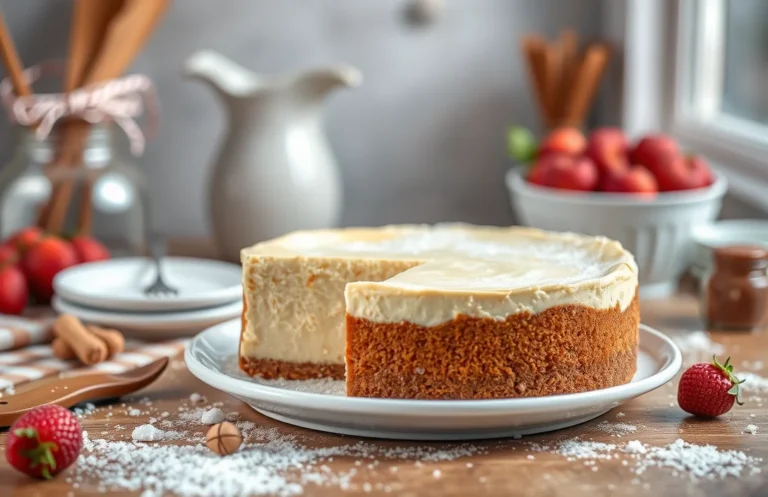
- Bake the Cheesecake: Pour the filling over the cooled crust and smooth the top with a spatula. Bake in the preheated oven for 55-65 minutes. The edges should look set, while the center will slightly jiggle when you gently shake the pan. This slight jiggle is normal and indicates that the cheesecake will firm up as it cools.
- Check for Doneness: Use an instant-read thermometer to check the internal temperature, which should be around 150°F (65°C) when done. Remove the cheesecake from the oven and allow it to cool in the pan for at least 1 hour before refrigerating for at least 4 hours or overnight. This cooling period helps develop the flavors and texture.
Chef’s tip: If the cheesecake cracks on the surface, it may have been overbaked. To prevent this, avoid opening the oven door frequently.
Visual and Texture Cues
Understanding the visual and textural indicators of cheesecake doneness is crucial for achieving that perfect, creamy slice. These cues will help you determine if your cheesecake is ready to come out of the oven or if it needs a bit more time.
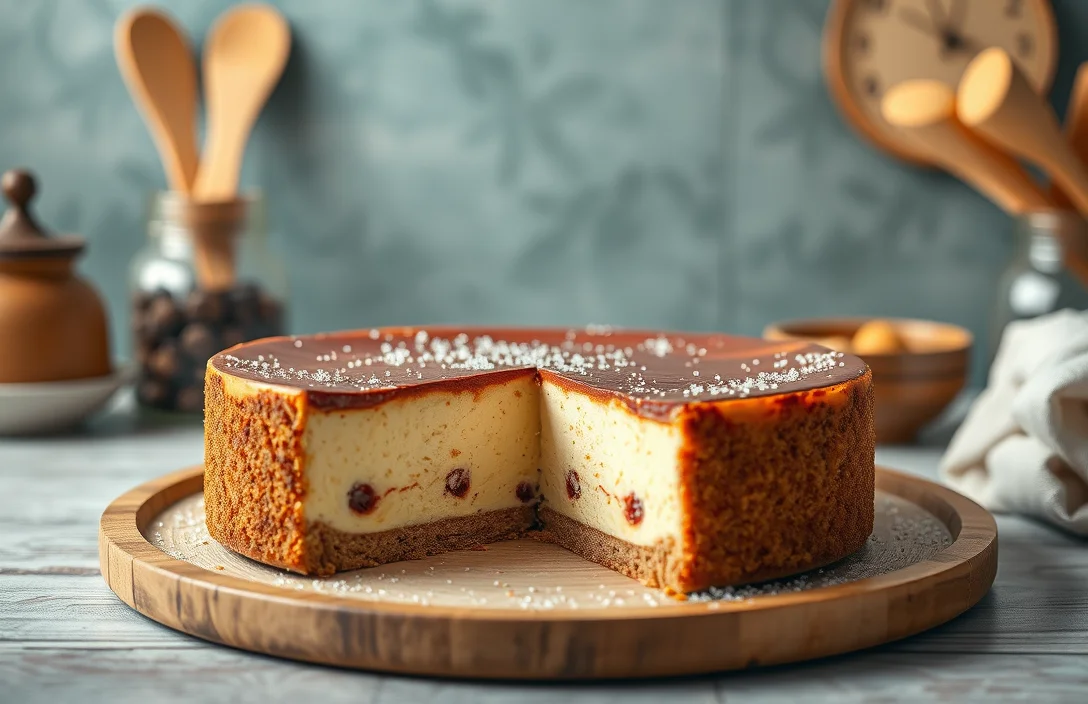
- Jiggle Test: Gently shake the cheesecake in the oven. The center should have a slight jiggle, resembling a quivering gelatin. If it wobbles too much or appears liquidy, it’s not done yet. Aim for a firm outer edge with a soft, slightly jiggly center.
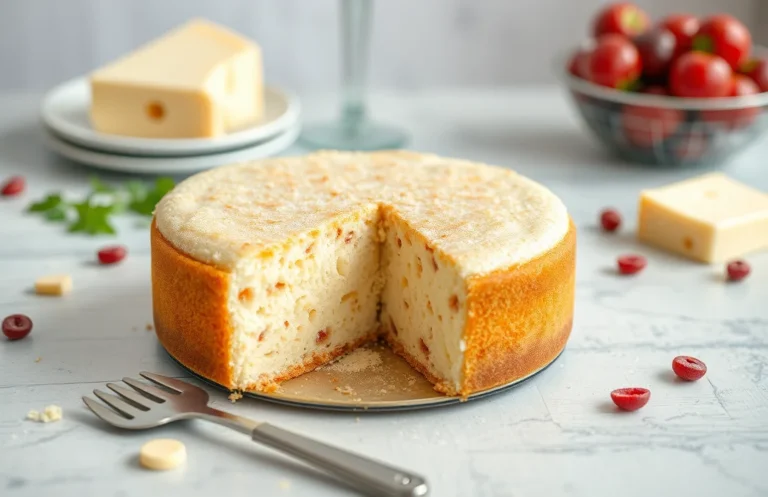
- Edges Appearance: Observe the edges of the cheesecake. They should look set and slightly puffed, while the center remains soft. If the edges start to crack or pull away from the sides of the pan, your cheesecake may be overbaking. Ideally, the edges should retain a smooth, even appearance.
- Crust Color: Check the color of the crust. If you’ve used a graham cracker crust, it should be golden brown but not burnt. A well-cooked cheesecake will have a crust that is firm and holds its shape without being overly dry. If it’s still pale, give it a few extra minutes, but keep a close eye to prevent burning.
Chef’s tip: Always let the cheesecake cool completely in the pan before transferring it to the fridge. This will help prevent cracks from forming on the surface.
Temperature Guidelines for Doneness
Knowing the internal temperature of your cheesecake is crucial for achieving that perfect creamy texture. A thermometer is your best friend here, as visual cues alone might not be enough to ensure doneness.
- Using a Thermometer: Invest in an instant-read thermometer to get accurate readings. Insert the thermometer into the center of the cheesecake, avoiding the crust. The ideal internal temperature should be between 150°F (65°C) and 160°F (71°C). This range ensures your cheesecake is set but still creamy.
- Ideal Temperature Range: If your cheesecake reaches 150°F (65°C) and has a slight jiggle in the center when you gently shake the pan, it’s likely done. If it’s closer to 160°F (71°C), it might be a bit firmer but still delicious. Remember, the cheesecake will continue to cook slightly after you remove it from the oven, so don’t worry if it seems a touch undercooked at first.
- Common Mistakes: A common error is overbaking the cheesecake, which can lead to a dry texture. Always check the temperature a few minutes before the recommended baking time is up to prevent this. If you find that your cheesecake has reached 170°F (77°C) or higher, it may be too firm once cooled.
Troubleshooting Cheesecake Issues
Understanding how to troubleshoot common cheesecake issues is essential for achieving the perfect texture and flavor. Whether your cheesecake is undercooked, overcooked, or cracked, knowing how to identify the signs and remedy them can save your dessert from disaster.
Undercooked Cheesecake
Symptom: The center of the cheesecake appears too jiggly and wet, and it may have a shiny surface.
Cause: The cheesecake hasn’t been baked long enough or the oven temperature was too low.
Fix: If your cheesecake is undercooked, return it to the oven at 325°F (163°C) for an additional 10-15 minutes. Check for doneness by gently shaking the pan; the edges should be set while the center has a slight jiggle. Always use an instant-read thermometer; the internal temperature should reach 150°F (65°C) for a creamy result.
Overcooked Cheesecake
Symptom: The cheesecake has a dry texture with cracks on the surface.
Cause: The cheesecake was baked too long or at too high a temperature.
Fix: If overcooked, the best remedy is to ensure you monitor the time closely next time. For current issues, you can try to hide cracks by topping with fresh fruit or a sour cream layer. Remember, a perfectly baked cheesecake should be firm yet slightly soft in the center.
Preventing Cracks
Symptom: Visible cracks form on the surface of the cheesecake.
Cause: Rapid temperature changes during baking or overmixing the batter can lead to cracks.
Fix: To prevent cracks, always bake your cheesecake in a water bath. Wrap the springform pan in aluminum foil, and place it in a larger pan filled with hot water. Additionally, mix the batter on low speed just until combined to avoid incorporating too much air. Allow the cheesecake to cool gradually in the oven with the door slightly ajar for about an hour after baking.
Serving and Pairing Suggestions
Serving your cheesecake correctly can elevate both its presentation and flavor. By considering plating tips, flavor pairings, and garnishing ideas, you can enhance the overall experience of your cheesecake, making it not just a dessert, but a delightful treat.
Plating Tips
- Use a clean, sharp knife to slice the cheesecake, ensuring each piece has a smooth edge.
- Place the slice on a dessert plate, slightly off-center for an elegant look.
- Drizzle with a complementary sauce, such as chocolate or raspberry coulis, to add color and flavor contrast.
Flavor Pairings
Cheesecake pairs wonderfully with various flavors that can enhance its creamy texture:
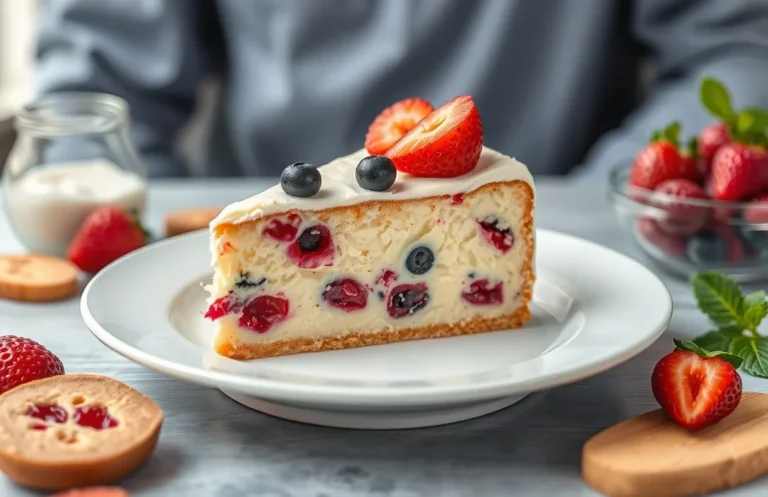
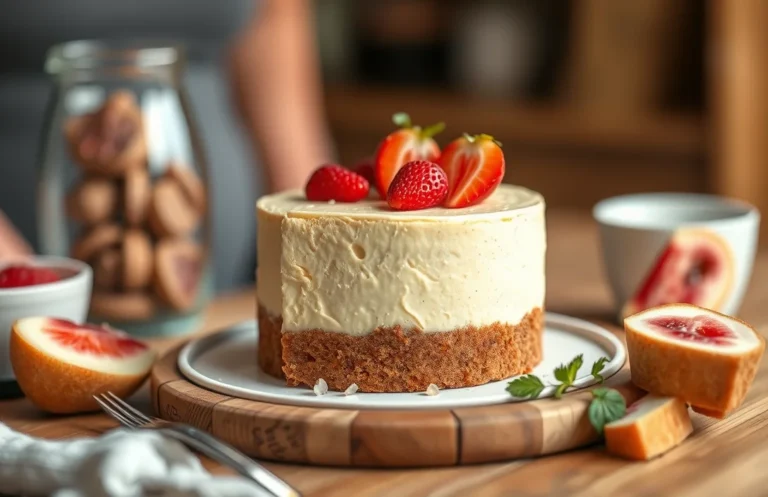
- Fruits: Fresh berries, sliced bananas, or citrus segments can add a refreshing balance.
- Nuts: Chopped walnuts or pecans provide a crunchy texture that contrasts beautifully with the smooth cheesecake.
- Chocolate: A sprinkle of cocoa powder or a few chocolate shavings can enrich the flavor.
Garnishing Ideas
Garnishing your cheesecake can make it visually appealing while adding extra flavor. Consider the following options:
Chef’s tip: For a touch of elegance, top your cheesecake with a dollop of whipped cream and a sprig of mint.
- Powdered sugar dusting for a sweet finish.
- Caramel sauce drizzled over the top for a rich sweetness.
- Edible flowers for a pop of color and a gourmet touch.
| Pairing | Flavor Profile |
|---|---|
| Fresh Berries | Tart and Sweet |
| Chocolate Shavings | Rich and Decadent |
| Caramel Sauce | Sweet and Buttery |
Quick Summary
| Prep Time | 20 minutes |
|---|---|
| Cook Time | 60 minutes |
| Total Time | 1 hour 20 minutes |
| Servings | 8 |
- Check the edges: They should be set while the center remains slightly jiggly.
- Use a toothpick: Insert it 2 inches from the edge; it should come out clean.
- Monitor the temperature: Ideal internal temperature is 150°F (65°C).
- Cool gradually: Turn off the oven and crack the door for 1 hour to avoid cracks.
- Chill before serving: Refrigerate for at least 4 hours to enhance flavor and texture.
- Tip: Use room temperature ingredients for a smoother batter.
- Tip: Avoid overmixing to prevent air bubbles that can cause cracks.
Frequently Asked Questions
Can I make this ahead of time? How to store and reheat?
You can absolutely make cheesecake ahead of time! Store it in the refrigerator, tightly covered, for up to 5 days; to reheat, let it sit at room temperature for about 30 minutes before serving.
What can I substitute for cream cheese?
If you need a substitute for cream cheese, you can use mascarpone cheese or a mix of ricotta and sour cream for a similar texture and flavor.
How do I know when it’s done?
Your cheesecake is done when the edges are set and the center is slightly jiggly but not liquid; it will firm up as it cools, usually after about 60-70 minutes at 325°F (163°C).
Can I freeze this? How long does it last?
You can freeze cheesecake for up to 3 months if wrapped tightly in plastic wrap and aluminum foil. Just remember to thaw it in the refrigerator overnight before serving.
Why did my cheesecake crack?
Your cheesecake may have cracked due to overmixing or baking at too high a temperature; try mixing just until smooth and bake it at 325°F (163°C) for the best results next time.

- Make Cheesecake Up to 3 Days Ahead: Tips for Best Flavor & Texture - March 4, 2026
- Easy No-Bake Cool Doen Cheesecake: Quick Recipe & Tips - March 4, 2026
- Decadent Dulce de Leche Cheesecake: Easy Step-by-Step Recipe - March 4, 2026