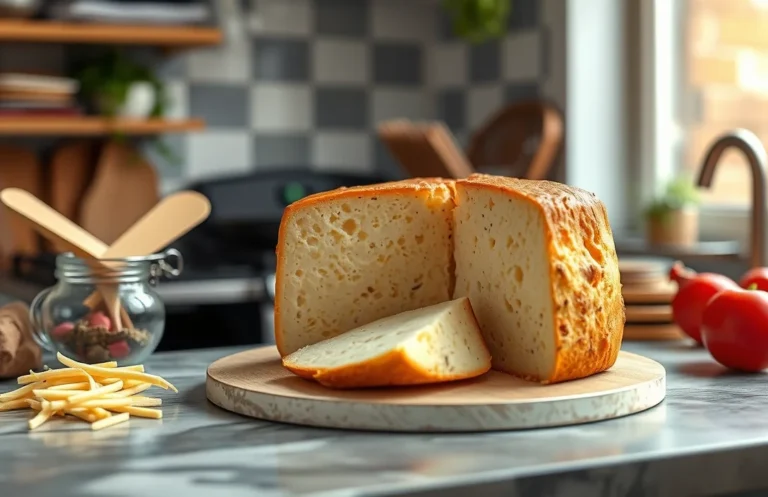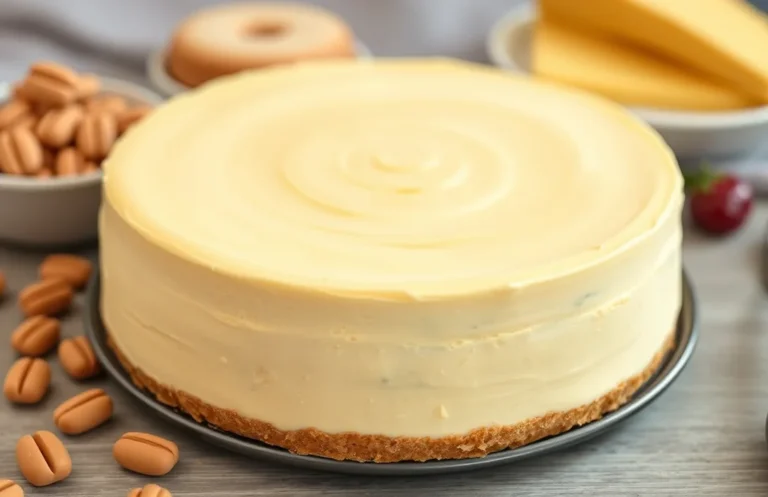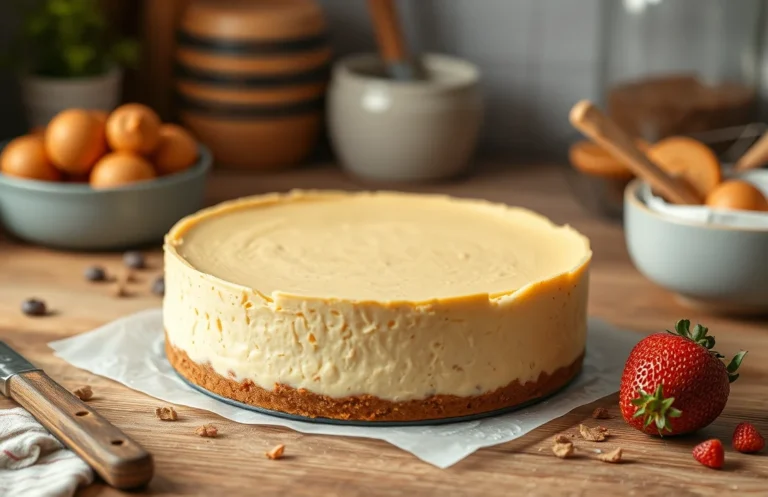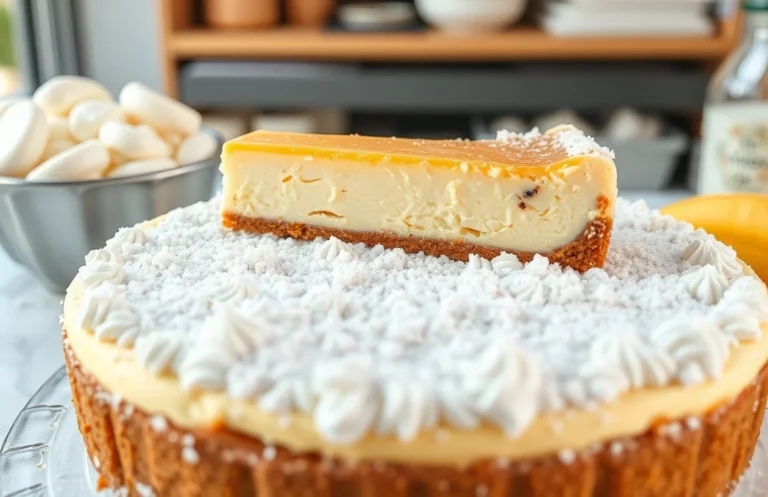
Perfectly Fluffy Japanese Cheesecake: Step-by-Step Recipe
If you’re craving something light, fluffy, and melt-in-your-mouth delicious, Japanese cheesecake is the answer. With its unique soufflé-like texture and subtle sweetness, this dessert is perfect for impressing guests or simply indulging yourself after a long day. Just one slice, and you’ll be hooked!
This recipe offers a total time of 1 hour and 15 minutes, with a difficulty level of medium, yielding 8 servings of heavenly cheesecake that’s sure to please everyone.
| Prep Time | Cook Time | Total Time | Servings | Difficulty |
|---|---|---|---|---|
| 30 minutes | 45 minutes | 1 hour 15 minutes | 8 | Medium |
Origin of Japanese Cheesecake
Japanese cheesecake is a delightful blend of cultures, drawing inspiration from both Western cheesecakes and traditional Japanese textures. This airy dessert has gained immense popularity due to its unique characteristics, such as its light and fluffy texture, which sets it apart from the denser varieties found in the West.
Cultural Significance
Originating in Japan in the 1980s, this cheesecake quickly became a beloved staple in Japanese cafes and bakeries. Its popularity is attributed to several factors:
- Combines the richness of cream cheese with the lightness of a soufflé.
- Often enjoyed as a dessert during special occasions or family gatherings.
- Served alongside tea or coffee, making it a perfect companion for socializing.
When to Serve
Japanese cheesecake is versatile and can be enjoyed at various times:
- As a delightful treat for afternoon tea.
- At birthday parties or celebrations, where its elegant presentation impresses guests.
- During festive seasons, adding a touch of sweetness to holiday gatherings.
Chef’s tip: Serve chilled for the best texture; the flavors meld beautifully when allowed to rest in the refrigerator for a few hours.
This charming dessert’s ability to adapt to different occasions makes it a favorite among many, and understanding its origins enhances the experience of making and enjoying it.
Ingredients for Cheesecake
This section provides a complete list of ingredients you’ll need to create a light and fluffy Japanese cheesecake. Each ingredient plays a crucial role in achieving that perfect texture and flavor, so it’s important to measure carefully and understand their purpose in the recipe.
| Item | Amount/Specification | Notes |
|---|---|---|
| Cream Cheese | 8 ounces (225g) | Softened to room temperature |
| Granulated Sugar | ½ cup (100g) | Divided into two portions |
| Eggs | 4 large | Separated into yolks and whites |
| All-Purpose Flour | 2 tablespoons (15g) | Sifted to avoid lumps |
| Lemon Juice | 1 tablespoon (15ml) | Freshly squeezed for better flavor |
| Unsalted Butter | 2 tablespoons (30g) | Melted, for greasing the pan |
- For a lighter flavor, you can use cream cheese with lower fat content, but be aware it may affect texture.
- Make sure your cream cheese is at room temperature to ensure a smooth batter; cold cream cheese can lead to lumps.
- Use fresh lemon juice for the best taste; bottled lemon juice can taste artificial.
- Keep your egg whites at room temperature for easier whipping.
Essential Kitchen Equipment
To create the perfect Japanese cheesecake, having the right kitchen equipment is essential. Each tool will help you achieve the unique texture and flavor that defines this delightful dessert. Here’s what you need to gather before you start mixing and baking.
- Mixing Bowls: You will need at least two mixing bowls: one large bowl for combining the cream cheese, sugar, and eggs, and a smaller bowl for the egg whites. Opt for glass or stainless steel bowls, as these materials help maintain temperature while mixing.
- Electric Mixer: A hand or stand mixer is crucial for beating the egg whites to stiff peaks, which gives the cheesecake its airy texture. If using a hand mixer, make sure it has multiple speed settings to control the mixing process effectively.
- Baking Pan: A round 9-inch (23 cm) cake pan is ideal for baking your cheesecake. To achieve a gentle steam effect, use a pan that is at least 2 inches deep. This will help the cheesecake rise properly and prevent cracking during baking.
- Parchment Paper: Line the bottom and sides of your baking pan with parchment paper. This ensures that the cheesecake releases easily after baking. Cut the parchment to fit snugly, and consider crumpling it beforehand to make it more pliable.
Having these tools ready will streamline your cooking process and enhance your chances of creating a light and fluffy Japanese cheesecake. Happy baking!
Step-by-Step Instructions
This section provides detailed, numbered steps to prepare the batter, bake, and cool your Japanese cheesecake. Following these instructions closely will help you achieve that fluffy, melt-in-your-mouth texture that makes this dessert so special.
- Prepare the Batter: Preheat your oven to 320°F (160°C). In a medium bowl, whisk together ½ cup (60g) all-purpose flour, 1 tablespoon cornstarch, and ¼ teaspoon salt until well combined. This ensures an even distribution of the dry ingredients, avoiding lumps in your batter.
- In a separate large bowl, combine 8 ounces (227g) cream cheese, ¼ cup (50g) granulated sugar, and 2 tablespoons unsalted butter. Using a hand mixer, beat these ingredients together until the mixture is smooth and creamy, about 2-3 minutes. Scrape down the sides of the bowl as needed to incorporate everything fully.
- Incorporate the Eggs: Add 3 large eggs one at a time to the cream cheese mixture, mixing well after each addition. Once all eggs are added, mix for an additional minute until the batter is light and fluffy. The mixture should look glossy and have a slightly airy texture.
- Gently fold in the flour mixture using a spatula or wooden spoon. Be careful not to over-mix; you want to maintain the airiness of the batter. It should be smooth and slightly thick but without any visible flour streaks.
- Baking Process: Prepare a 9-inch (23cm) round cake pan by lining the bottom with parchment paper and greasing the sides. Pour the batter into the prepared pan. Place the cake pan into a larger baking dish filled with hot water, creating a water bath. Bake for 60-70 minutes, rotating halfway through. The cheesecake should rise and become golden on top, while the center remains slightly jiggly.
- Cooling Steps: After baking, turn off the oven and crack the oven door open, allowing the cheesecake to cool gradually for about 30 minutes. This helps prevent cracking. Remove the cake from the oven and water bath, then cool to room temperature before refrigerating for at least 4 hours, or overnight for best results. The cheesecake should have a soft, silky texture and a slight bounce when gently pressed.
Pro Tips and Common Mistakes
Mastering Japanese cheesecake requires attention to detail, especially when it comes to avoiding cracks and perfecting your mixing techniques. These tips will help you achieve that coveted fluffy texture and prevent common pitfalls that can ruin your dessert.
Avoiding Cracks
- Use a water bath: Placing your cheesecake pan in a larger pan filled with hot water during baking helps regulate the temperature, preventing the cheesecake from cracking. Ensure the water reaches halfway up the sides of the cake pan.
- Bake at a low temperature: Keep your oven temperature at 320°F (160°C) to ensure gentle cooking. A sudden temperature change can lead to cracks.
- Cool gradually: After baking, turn off the oven and leave the cheesecake inside with the door ajar for about 30 minutes. This gradual cooling helps prevent cracks caused by a rapid temperature drop.
Proper Mixing Techniques
- Whisk the egg whites correctly: Beat the egg whites until stiff peaks form, which typically takes about 5-7 minutes. This step is crucial for achieving a light and airy texture.
- Fold gently: When incorporating the whipped egg whites into the cream cheese mixture, use a spatula to fold gently. This technique preserves the airiness that’s essential for a fluffy cheesecake.
- Mix until just combined: Avoid over-mixing your batter. Stop mixing as soon as you no longer see streaks of egg whites or flour; this helps maintain the cheesecake’s delicate structure.
Flavor Variations
Japanese cheesecake is a versatile dessert that can be easily adapted to suit various tastes and dietary preferences. Below, you’ll find some delicious variations that will add a unique twist to the classic recipe!
Matcha Cheesecake
Add a touch of earthy flavor with matcha green tea powder. This variation not only enhances the taste but also gives your cheesecake a lovely green hue.
- Replace 1 tablespoon of all-purpose flour with 1 tablespoon of matcha powder.
- Mix the matcha powder with the flour before folding it into the cream cheese mixture to prevent clumping.
Chocolate Variation
For chocolate lovers, incorporating cocoa powder or melted chocolate can bring a rich, decadent taste to your cheesecake.
- If using cocoa powder, add 2 tablespoons of unsweetened cocoa powder to the flour mixture.
- For a more intense flavor, melt 3 ounces (85g) of dark chocolate and fold it into the cream cheese mixture after it has cooled slightly.
Gluten-Free Options
If you need a gluten-free version, simply substitute the all-purpose flour with a gluten-free flour blend. This will give the cheesecake a similar texture without compromising taste.
- Use ½ cup gluten-free all-purpose flour (60g) in place of regular flour.
- Always check the ingredients of your baking powder to ensure it’s gluten-free.
Chef’s tip: For any variation, ensure all ingredients are at room temperature for better mixing and a smoother texture.
| Variation | Main Ingredient | Adjustment |
|---|---|---|
| Matcha Cheesecake | Matcha powder | 1 tablespoon in place of flour |
| Chocolate Cheesecake | Dark chocolate or cocoa powder | 2 tablespoons cocoa or 3 oz melted chocolate |
| Gluten-Free | Gluten-free flour blend | ½ cup instead of all-purpose flour |
Serving and Plating Ideas
Once you’ve mastered the art of making Japanese cheesecake, it’s time to think about how to serve and present this delightful dessert. Proper plating not only enhances the visual appeal but also elevates the overall dining experience. Here are some creative ideas to make your cheesecake truly shine.
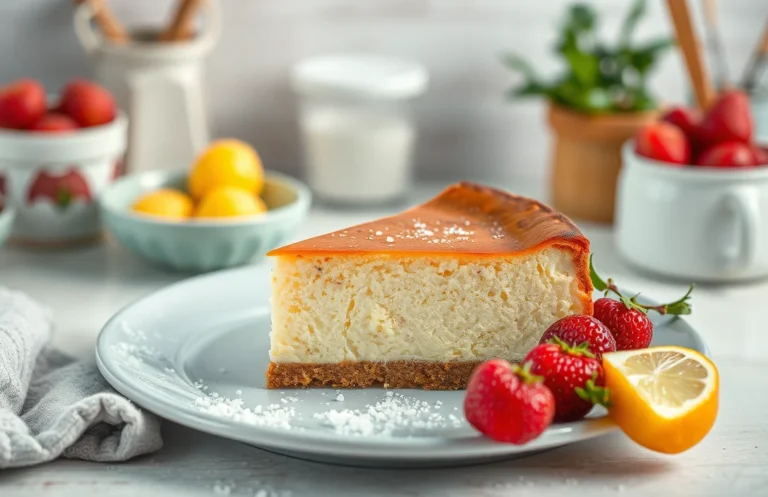
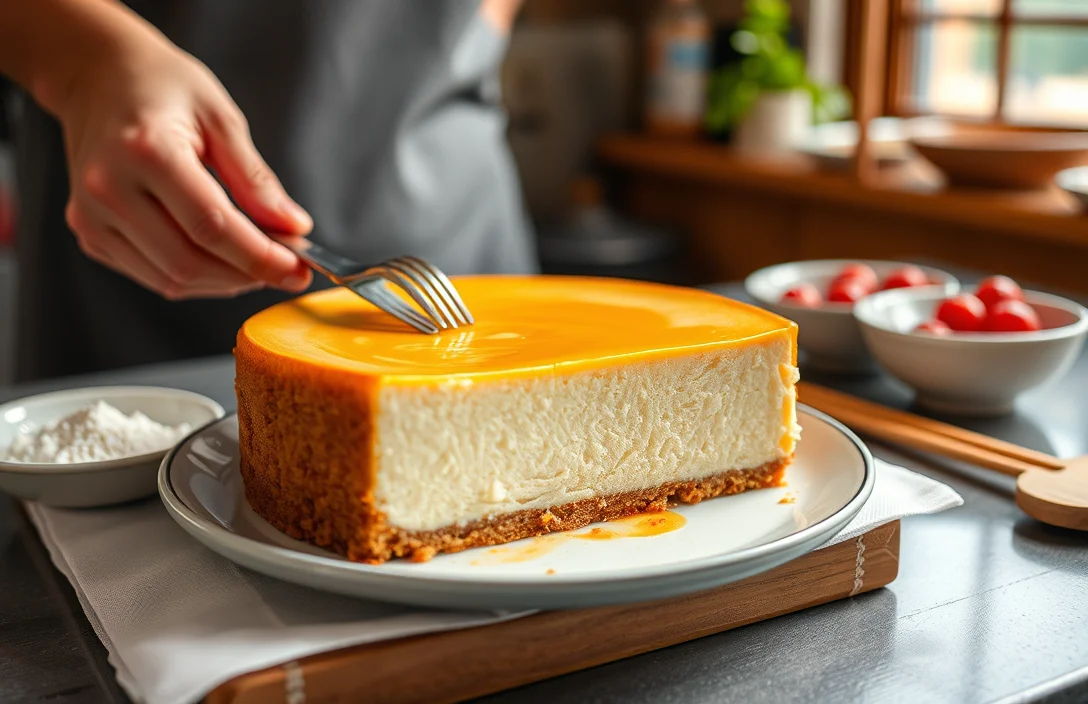
- Simple Presentation: Slice the cheesecake into wedges using a sharp knife warmed under hot water for clean cuts. Place each slice on a white dessert plate to highlight the light, fluffy texture and creamy color. A dusting of powdered sugar over the top adds a touch of elegance.
- Garnishes: Fresh fruit complements the cheesecake beautifully. Consider serving with a handful of mixed berries—strawberries, blueberries, and raspberries—arranged artfully around the slice. You could also add a sprig of mint for a pop of color and freshness.
- Drizzle Sauce: Create a simple fruit coulis by blending 1 cup of fresh or frozen berries with 2 tablespoons of sugar and a splash of lemon juice. Strain it to remove seeds and drizzle over the cheesecake for a vibrant finish. This adds a tangy contrast to the sweet cheesecake.
- Beverage Pairings: To complement your cheesecake, serve it with a cup of green tea or a light floral tea, such as jasmine. For a more decadent option, a glass of sweet dessert wine, like Moscato, pairs beautifully with the cheesecake’s texture and flavor.
Quick Summary
| Prep Time | Cook Time | Total Time | Servings |
|---|---|---|---|
| 20 minutes | 60 minutes | 80 minutes | 8 |
- Separate eggs: Use 4 large eggs, separating yolks from whites.
- Prepare batter: Mix cream cheese, sugar, and milk until smooth.
- Whip egg whites: Beat until stiff peaks form for fluffy texture.
- Fold gently: Combine egg whites with batter without deflating.
- Bake in a water bath: Ensures even cooking and prevents cracking.
- Tip: Use room temperature ingredients for easier mixing.
- Tip: Cool slowly in the oven to maintain fluffiness.
Frequently Asked Questions
Can I make this ahead of time? How to store and reheat?
You can make Japanese cheesecake ahead of time and store it in the refrigerator for up to 3 days. To reheat, place it in a preheated oven at 300°F (150°C) for about 10 minutes to refresh its texture.
What can I substitute for cream cheese?
If you’re looking for a substitute, you can use mascarpone cheese for a similar creamy texture and flavor. Alternatively, ricotta cheese blended until smooth can also work, though it may alter the flavor slightly.
How do I know when it’s done?
Your Japanese cheesecake is done when it has a golden-brown top and a gentle jiggle in the center. A toothpick inserted should come out clean or with a few moist crumbs, but not wet batter.
Can I freeze this? How long does it last?
Yes, you can freeze Japanese cheesecake for up to 1 month. Wrap it tightly in plastic wrap and aluminum foil to prevent freezer burn, then thaw in the refrigerator before serving.
Why did my cheesecake turn out dense?
Your cheesecake may have turned out dense if you overmixed the batter or underbaked it, causing it to lose its airy texture. Make sure to fold in the egg whites gently and check for doneness as described in the recipe.

- 10 Best Cheese Knife With Holes For Smooth Slice 2026 - March 9, 2026
- Make Cheesecake Up to 3 Days Ahead: Tips for Best Flavor & Texture - March 4, 2026
- Easy No-Bake Cool Doen Cheesecake: Quick Recipe & Tips - March 4, 2026