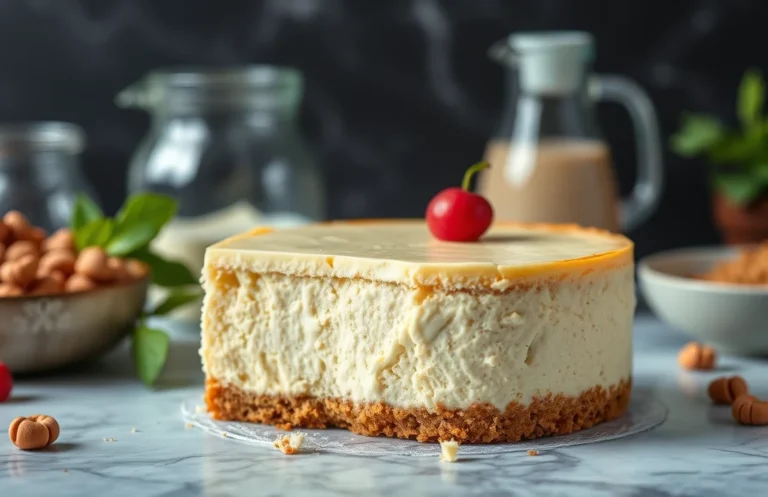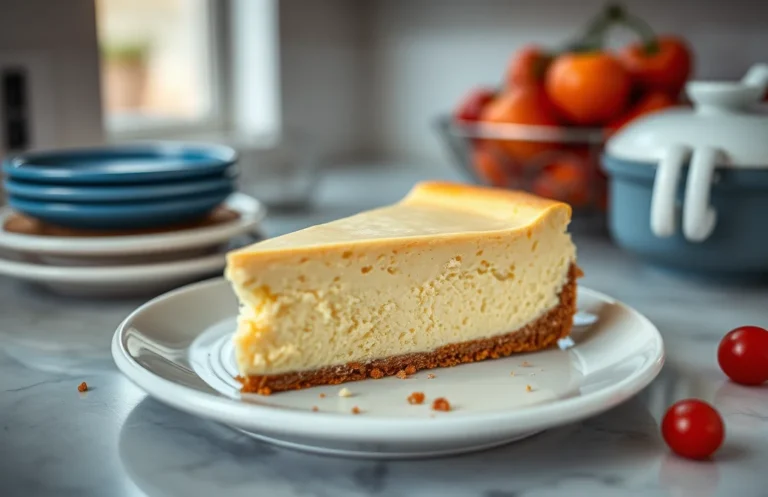
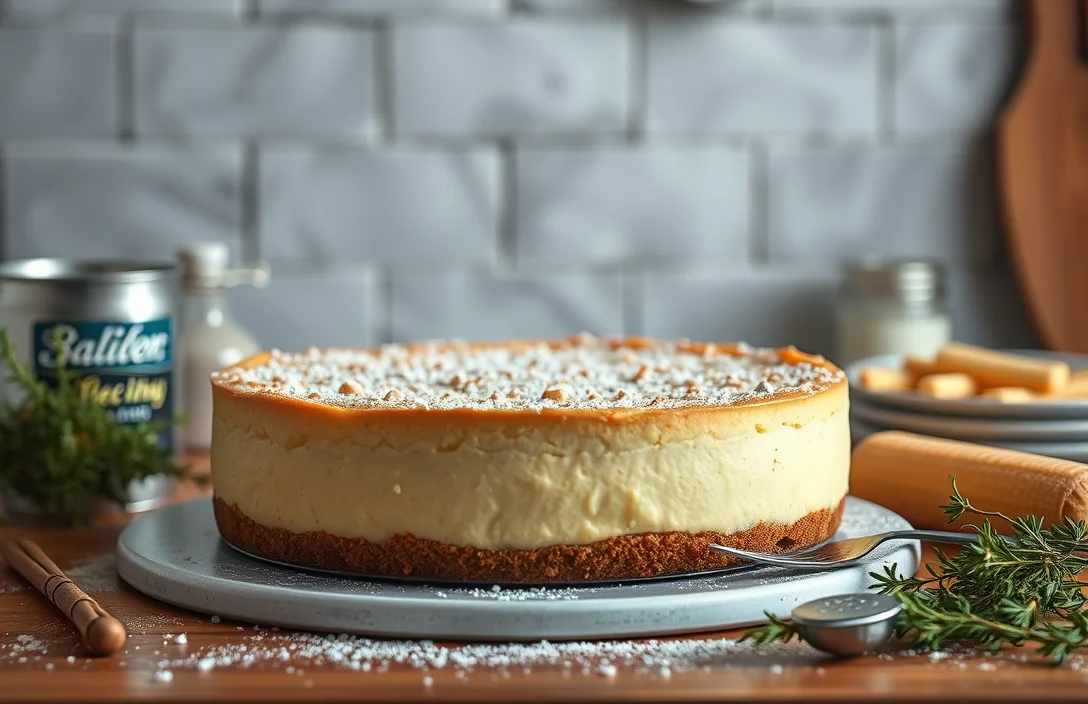
How Far in Advance Can You Make Baked Cheesecake? Tips Inside!
Baked cheesecake is the kind of dessert that transforms any occasion into something special. Its creamy texture and rich flavor can make even a simple weeknight feel like a celebration. Topped with fresh fruits or a drizzle of chocolate, it’s hard to resist going back for that second slice!
Wondering how far in advance you can make a baked cheesecake? You’ll find all the essential details right here, including the best storage methods to maintain its freshness, serving suggestions, and tips for avoiding common pitfalls. Total time is about 6 hours, with a moderate difficulty level, yielding 10 servings.
| Prep Time | Cook Time | Total Time | Servings | Difficulty |
|---|---|---|---|---|
| 30 minutes | 1 hour | 6 hours | 10 | Moderate |
Baked Cheesecake History
Baked cheesecake has a rich history that reflects its cultural roots and the various interpretations it has undergone over the centuries. Understanding its origins helps us appreciate why making it in advance is not just practical but also a delicious tradition.
- Ancient Roots: The concept of cheesecake dates back to ancient Greece, where it was made with simple ingredients like cheese and honey. It was served to athletes during the first Olympic Games in 776 B.C., establishing its significance in celebrations and gatherings.
- Roman Influence: The Romans brought cheesecake to the rest of Europe, adapting it with their own local ingredients. They introduced the idea of baking the cheesecake, which added a delightful texture and depth of flavor that we recognize today.
- American Variants: In the United States, particularly in New York, a cream cheese-based version emerged in the late 19th century. This rich and creamy style is now the most popular variant, often enjoyed at special occasions and holidays.
- Cultural Significance: Cheesecake is more than just a dessert; it represents a gathering of family and friends, often made in advance to ensure that the flavors meld beautifully. This practice allows home cooks to spend more time with loved ones during celebrations.
Knowing the history of baked cheesecake not only enhances your appreciation for this classic dessert but also informs you on how far in advance you can prepare it without compromising its quality.
Ingredients for Baked Cheesecake
In this section, we’ll break down the essential ingredients needed for a delicious baked cheesecake, including cheese selection and crust ingredients. Understanding the right components is crucial for making a cheesecake that not only tastes great but also holds up well when prepared in advance.
| Item | Amount/Specification | Notes |
|---|---|---|
| Cream Cheese | 24 oz (680g) | Use full-fat for best texture |
| Sour Cream | 1 cup (240g) | Adds creaminess and tang |
| Granulated Sugar | 1 cup (200g) | Adjust to taste; can use less for a less sweet cheesecake |
| Vanilla Extract | 2 teaspoons | Use pure vanilla for better flavor |
| Eggs | 4 large | Room temperature for easier mixing |
| Graham Cracker Crumbs | 1 ½ cups (150g) | Can substitute with gluten-free crackers |
| Unsalted Butter | ½ cup (115g) | Melted, for crust |
- For a lighter cheesecake, consider using Neufchâtel cheese instead of cream cheese.
- Ensure all ingredients are at room temperature for a smooth batter.
- If using low-fat options, be aware that the texture may be less creamy.
- Store leftovers in an airtight container to maintain freshness for up to a week in the refrigerator.
Essential Kitchen Equipment
To create a delicious baked cheesecake, having the right tools is crucial for achieving the best results. This section outlines the essential bakeware and mixing tools you’ll need to prepare, bake, and store your cheesecake effectively.
| Item | Amount/Specification | Notes |
|---|---|---|
| Springform Pan | 9-inch (23 cm) | Allows easy removal of the cheesecake without damaging it. |
| Mixing Bowl | Large | For combining the cream cheese and other ingredients. |
| Electric Mixer | Hand or Stand | Ensures a smooth texture; avoid lumps in the batter. |
| Rubber Spatula | 1 | For folding in ingredients and scraping down the sides of the bowl. |
| Measuring Cups | Set | For precise ingredient measurements. |
| Measuring Spoons | Set | For accurate small measurements. |
| Aluminum Foil | 1 roll | To wrap the pan for a water bath, if desired. |
| Cooling Rack | 1 | To cool the cheesecake evenly after baking. |
- Tip: A springform pan is essential for cheesecakes, as it allows for easy removal and presentation.
- Common Mistake: Make sure to thoroughly grease the pan to prevent sticking.
- Ensure your cream cheese is at room temperature for easier mixing.
Baking Instructions Timeline
This section outlines the detailed steps for preparing and baking a baked cheesecake, including how far in advance you can make it and tips for storage to maintain its quality. Proper timing and techniques are essential to ensure your cheesecake is delicious and fresh when served.
- Preparation Time: Begin by gathering your ingredients, which include 2 cups (500g) cream cheese, 1 cup (200g) granulated sugar, 3 large eggs, 1 teaspoon vanilla extract, and 1 cup (240ml) sour cream. Preheat your oven to 325°F (160°C). This preparation step takes about 15 minutes.
- Mixing the Filling: In a large mixing bowl, use an electric mixer to beat the cream cheese until smooth and creamy, about 2-3 minutes. Slowly add the sugar and continue mixing until fully incorporated, ensuring there are no lumps. Then, add the eggs one at a time, mixing on low speed, and finish with the vanilla extract and sour cream. This step should take about 5-7 minutes.
- Baking the Cheesecake: Pour the cheesecake filling into a prepared 9-inch (23cm) springform pan lined with parchment paper. Bake in the preheated oven for 55-65 minutes until the edges are set, and the center is slightly jiggly. The cheesecake will firm up as it cools, so don’t overbake it. Check for doneness by gently shaking the pan; the center should still have a slight wobble.
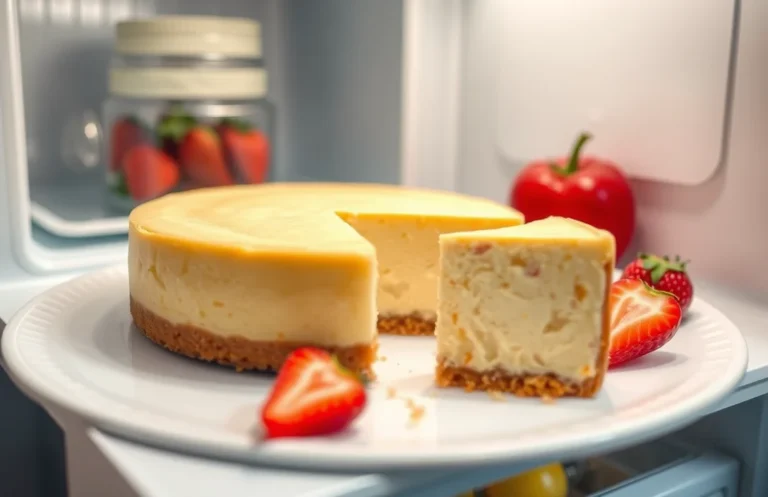
- Cooling and Storing: Once baked, turn off the oven and leave the cheesecake inside with the door ajar for 1 hour to cool gradually. Remove from the oven, let it cool completely at room temperature, and then refrigerate for at least 4 hours, preferably overnight. A baked cheesecake can be made up to 3 days in advance and stored in an airtight container in the refrigerator.
Chef’s tip: For a perfectly smooth texture, ensure all your ingredients are at room temperature before mixing.
Expert Tips for Perfect Cheesecake
Understanding how to properly prepare and store your baked cheesecake can significantly enhance its flavor and texture. Here are some expert tips to help you avoid common pitfalls and ensure that your cheesecake remains delicious and visually appealing, even when made in advance.
Avoiding Cracks
- Use room temperature ingredients: Ensure that your cream cheese, eggs, and sour cream are at room temperature before mixing. This helps to create a smooth batter and reduces the risk of cracks.
- Mix gently: When incorporating the eggs, mix on low speed until just combined. Overmixing can incorporate too much air, leading to cracks during baking.
- Bake in a water bath: This technique helps to regulate the temperature and provides moisture, preventing the cheesecake from drying out and cracking. Wrap your springform pan in aluminum foil and place it in a larger pan filled with about 1 inch of hot water.
Cooling Tips
- Cool gradually: After baking, turn off the oven and crack the door open, allowing the cheesecake to cool slowly for about 1 hour. This helps to minimize sudden temperature changes, which can lead to cracks.
- Chill before serving: Once cooled to room temperature, refrigerate your cheesecake for at least 4 hours, or overnight for optimal flavor and texture. This allows it to set properly and enhances its creaminess.
- Wrap tightly for storage: If you’re making your cheesecake in advance, cover it tightly with plastic wrap or foil before refrigerating. This prevents it from absorbing any unpleasant odors and maintains its freshness for up to 5 days.
Cheesecake Variations and Substitutions
Exploring variations and substitutions in cheesecake recipes allows you to cater to different tastes and dietary needs while also considering how far in advance you can prepare your baked cheesecake. Making adjustments can affect storage and freshness, so let’s dive into some popular options.
Gluten-Free Options
If you’re looking to make a gluten-free baked cheesecake, you can easily swap out the traditional graham cracker crust for a gluten-free alternative. Here’s how:
- Crust: Use 1 ½ cups gluten-free graham cracker crumbs or almond flour mixed with ¼ cup melted butter.
- Setting Time: Allow the gluten-free crust to set in the fridge for at least 30 minutes before adding the filling.
Chef’s tip: Always check the labels on your ingredients to ensure they are gluten-free!
Flavored Cheesecakes
Adding flavors to your cheesecake can enhance its appeal. Here are a few ideas:
- Chocolate Cheesecake: Fold in ½ cup melted dark chocolate into the cream cheese mixture.
- Fruit Variations: Puree 1 cup of your favorite fruit (like strawberries or blueberries) and mix it into the batter for a fruity twist.
Regardless of the variations, remember to store your cheesecake properly to maintain its quality:
- Wrap the cooled cheesecake in plastic wrap and refrigerate for up to 5 days.
- For longer storage, freeze the cheesecake for up to 3 months. Thaw in the refrigerator overnight before serving.
These variations not only offer delicious alternatives but also help you plan ahead, ensuring your cheesecake is fresh and ready to impress your guests!
Serving and Plating Recommendations
Presenting your baked cheesecake beautifully can elevate the dessert experience, making it even more enjoyable for your guests. Here are some garnishing ideas and pairing suggestions to enhance both the visual appeal and flavor profile of your cheesecake.
Garnishing Ideas
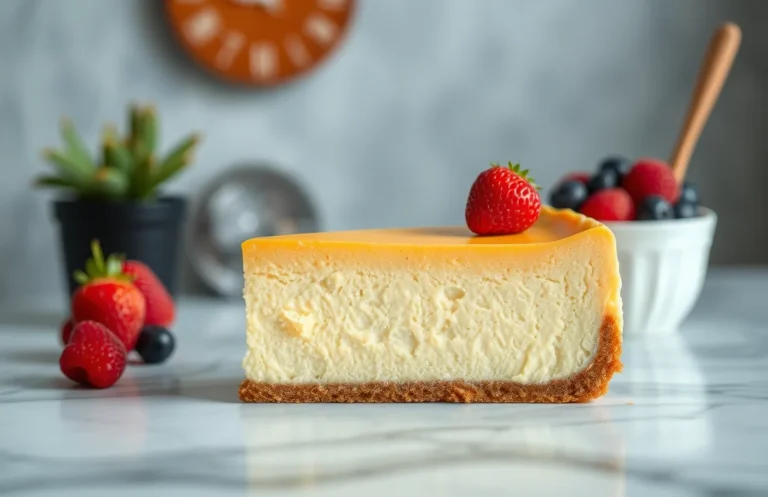
- Top your cheesecake with a layer of fresh fruit. Sliced strawberries, blueberries, or kiwi not only add color but also a refreshing contrast to the creamy texture. Aim for about 1 cup of mixed fruit for a vibrant topping.
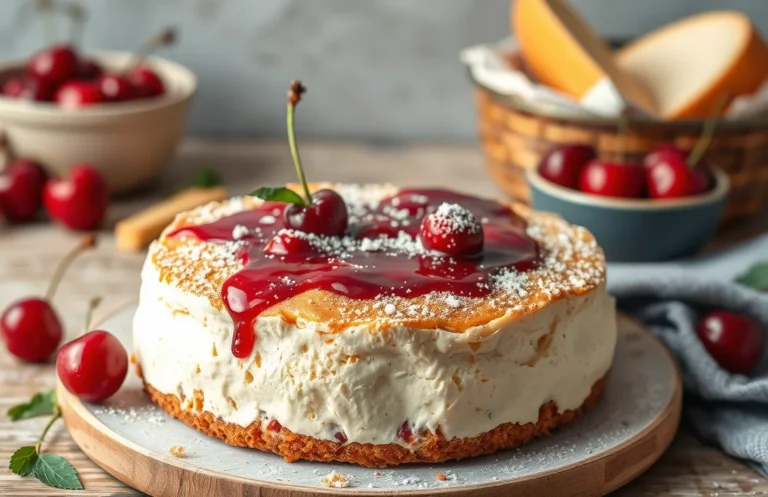
- Drizzle a homemade fruit coulis over the cheesecake. To make this, blend 1 cup of your favorite berry with 2 tablespoons of sugar and a splash of lemon juice until smooth. Strain through a fine-mesh sieve for a silky finish.
- Add a dollop of whipped cream for an extra layer of richness. Whip 1 cup of heavy cream with 2 tablespoons of powdered sugar until soft peaks form. This adds a light and airy contrast to the dense cheesecake.
Pairing Suggestions
- Serve your cheesecake with a side of coffee or espresso. The bitterness of the coffee complements the sweetness of the cheesecake beautifully.
- Consider a sweet dessert wine, such as a Riesling or Moscato, to accompany your cheesecake. A chilled glass brings out the flavors in both the wine and dessert.
- For a refreshing twist, pair it with a scoop of sorbet. Lemon or raspberry sorbet can contrast the richness of the cheesecake while adding a cool element to the plate.
Remember, a well-presented cheesecake not only tastes great but also looks inviting, making it a centerpiece for any gathering. Enjoy your delicious creation!
Quick Summary
| Prep Time | 30 minutes |
|---|---|
| Cook Time | 60 minutes |
| Total Time | 90 minutes + cooling |
| Servings | 8-10 |
- Chill Time: Refrigerate for at least 4 hours or overnight for best flavor.
- Make Ahead: Cheesecake can be made up to 3 days in advance.
- Cooling: Allow cheesecake to cool in the oven after baking to prevent cracking.
- Crust Preparation: Pre-bake the crust for 10 minutes for added texture.
- Storage: Cover tightly with plastic wrap to prevent drying out.
- Tip: Use room temperature ingredients for a smoother batter.
- Tip: Avoid overmixing to prevent air bubbles that lead to cracks.
Frequently Asked Questions
Can I make this ahead of time? How to store and reheat?
You can make a baked cheesecake up to 2-3 days in advance. Store it in the refrigerator, tightly wrapped in plastic wrap, and serve it chilled; there’s no need to reheat.
What can I substitute for cream cheese?
If you’re looking for a substitute, you can use mascarpone cheese or Greek yogurt for a similar texture, though the flavor may vary slightly.
How do I know when it’s done?
Your baked cheesecake is done when the edges are set but the center still has a slight jiggle; it will continue to firm up as it cools. The top should also have a lightly golden hue.
Can I freeze this? How long does it last?
Yes, you can freeze a baked cheesecake for up to 2-3 months. Make sure to wrap it tightly in plastic wrap and then in aluminum foil to prevent freezer burn.
What if I don’t have a springform pan?
If you don’t have a springform pan, you can use a regular round cake pan, but be sure to line the bottom with parchment paper for easy removal after baking.

- Make Cheesecake Up to 3 Days Ahead: Tips for Best Flavor & Texture - March 4, 2026
- Easy No-Bake Cool Doen Cheesecake: Quick Recipe & Tips - March 4, 2026
- Decadent Dulce de Leche Cheesecake: Easy Step-by-Step Recipe - March 4, 2026