Cheesecake Shelf Life: How Long Can You Keep Your Desserts Fresh?
Cheesecake is one of those desserts that brings joy and comfort to any gathering or quiet evening at home. Its creamy texture, rich flavor, and endless topping options make it a crowd-pleaser that leaves everyone wanting more. Trust me, there’s nothing quite like a slice of homemade cheesecake to brighten your day!
Want to know how long your treasured cheesecakes can last? You’ll find detailed storage tips, signs of spoilage, and information on freezing methods, all to ensure you enjoy every bite. Total time is 15 minutes prep, 60 minutes cook, and serves 8, with a medium difficulty level.
| Prep Time | Cook Time | Total Time | Servings | Difficulty |
|---|---|---|---|---|
| 15 minutes | 60 minutes | 75 minutes | 8 | Medium |
Cheesecake Origins and Specialties
Understanding the origins and specialties of cheesecake not only enriches your appreciation of this delightful dessert but also informs how long it can last when stored properly. This section will cover the history of cheesecake and the various types that exist, providing context for their shelf life and storage needs.
History of Cheesecake
Cheesecake has a rich history that dates back to ancient Greece, where it was served to athletes during the first Olympic Games in 776 B.C. The Romans later adopted this recipe, adding their own twists, which contributed to its popularity across Europe. Over the centuries, cheesecake has evolved, resulting in many regional variations.
Types of Cheesecake
Different types of cheesecake have unique ingredients and textures, which can affect their shelf life. Here are some popular varieties:
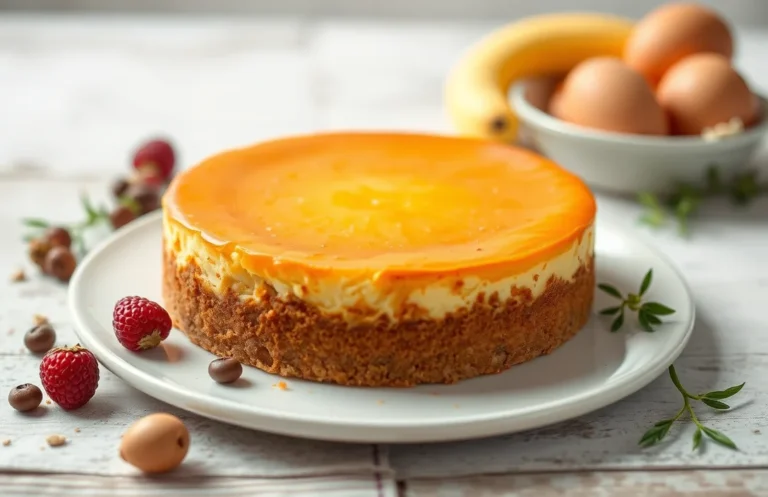
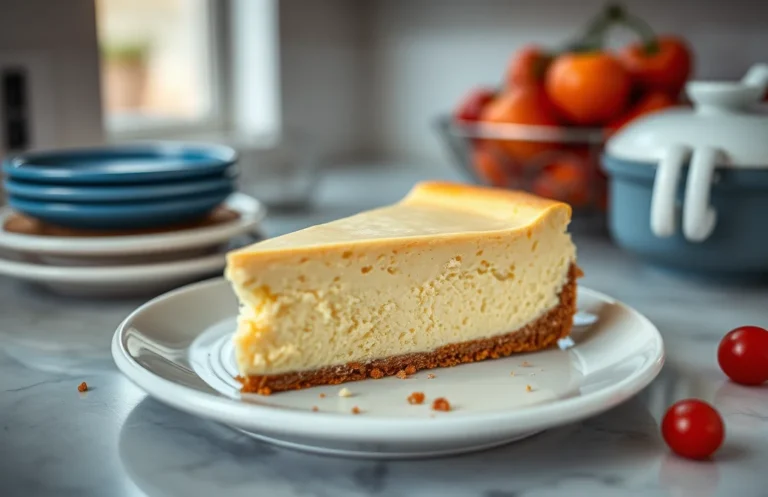
- Baked Cheesecake: Typically denser and creamier, made with cream cheese, eggs, and sugar. It can last 5-7 days in the fridge.
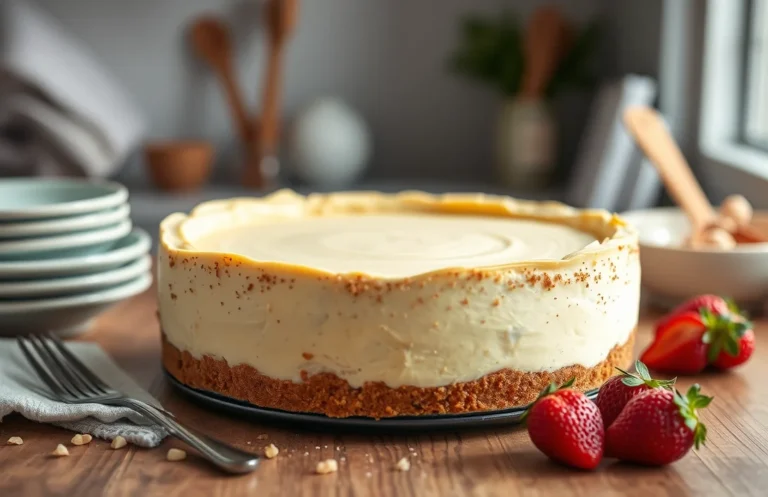
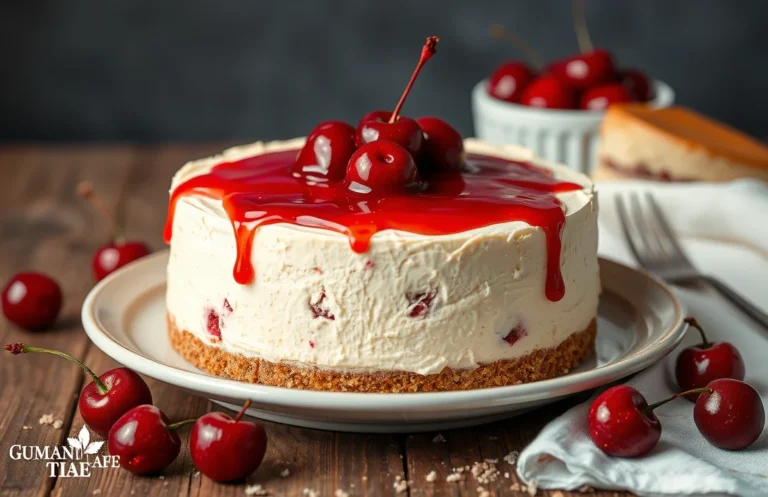
- No-Bake Cheesecake: Made with cream cheese and whipped cream, resulting in a lighter texture. Generally lasts 3-5 days in the fridge.
- Japanese Cotton Cheesecake: Light and fluffy due to whipped egg whites, this cheesecake can last about 3-4 days in the fridge.
Chef’s tip: Always allow cheesecakes to cool completely before storing to prevent condensation, which can lead to spoilage.
Each type of cheesecake has its own distinct flavor profile and texture, which can influence how they should be stored to maintain freshness. Understanding these differences is crucial for any home cook looking to enjoy their cheesecake at its best.
Shelf Life in the Fridge
Understanding how long cheesecakes can last in the fridge is essential for keeping your delicious dessert safe and enjoyable. Proper storage can significantly extend the life of your cheesecake, but it varies between baked and no-bake varieties. Here’s a detailed breakdown of how long each type can last and tips for ensuring freshness.
-
Baked Cheesecake Duration
A baked cheesecake can last for about 5 to 7 days in the refrigerator when stored properly. Make sure to cover it tightly with plastic wrap or aluminum foil to prevent it from absorbing any unwanted odors from the fridge. When you take it out, it should feel firm to the touch, and the surface should look smooth without any cracks.
-
No-Bake Cheesecake Duration
No-bake cheesecakes generally have a slightly shorter shelf life, lasting about 3 to 5 days in the fridge. Similar to baked cheesecakes, they should be covered well to maintain their creamy texture and prevent drying out. When you check it, the filling should be firm but not overly hard, and the crust should remain intact.
-
Signs of Spoilage
Always check for signs of spoilage before consuming cheesecake. If you notice any off smells, discoloration, or mold, it’s best to discard it. The texture might also become grainy or overly dry, indicating it has gone bad.
Freezing Cheesecakes
Freezing cheesecakes is a great way to preserve their deliciousness for later enjoyment. Proper freezing techniques can extend the life of your cheesecake significantly, allowing it to last for up to three months in the freezer without losing its flavor or texture.
- Prepare the Cheesecake for Freezing: Once your cheesecake has cooled completely at room temperature, wrap it tightly in plastic wrap. Make sure the wrap is snug against the surface to prevent freezer burn. For extra protection, wrap the cheesecake in aluminum foil or place it in an airtight container.
- Label and Date: Use a permanent marker to label the wrap or container with the date it was frozen and the type of cheesecake. This will help you keep track of how long it has been in the freezer. Remember, a well-stored cheesecake can last up to three months, so it’s good to know when it was frozen.
- Freezing the Cheesecake: Place the wrapped cheesecake in the freezer on a flat surface. Avoid placing any heavy items on top, as this could affect its shape. Ideally, the cheesecake should be frozen at 0°F (-18°C) or lower to maintain quality.
- Thawing Instructions: When you’re ready to serve the cheesecake, transfer it to the refrigerator for about 6-8 hours or overnight to thaw slowly. This method helps retain its creamy texture. If you’re short on time, you can thaw it at room temperature for about 1-2 hours, but keep an eye on it to prevent it from getting too warm.
Chef’s tip: For a perfectly smooth texture, avoid refreezing a cheesecake after it’s been thawed.
Signs of Spoilage
Understanding the signs of spoilage in cheesecakes is crucial to ensure food safety and quality. Knowing what to look for can help you avoid consuming a cheesecake that has gone bad, which can lead to foodborne illnesses. Here are some key indicators to help you identify spoilage.
Visual Cues
- Discoloration: Fresh cheesecake should have a consistent color. If you notice any dark spots, yellowing, or mold growth, it’s time to toss it.
- Water Separation: If you see any liquid pooling on the surface, particularly with no-bake cheesecakes, this can indicate spoilage.
- Cracks: While some surface cracks can be normal in baked cheesecakes, extensive cracking may suggest that it has dried out or gone bad.
Smell and Texture
- Off Odors: A sour or unusual smell is a clear sign that your cheesecake has spoiled. Fresh cheesecake should have a pleasant, creamy aroma.
- Texture Changes: If the cheesecake feels overly dry or has developed a gritty texture, it may no longer be safe to eat. Fresh cheesecake should be smooth and creamy.
Chef’s tip: Always give your cheesecake a quick sniff before serving. If it smells off, don’t risk it—throw it out!
Proper Storage Methods
Storing your cheesecake correctly is essential for maintaining its flavor and texture, ultimately affecting how long it lasts. Proper wrapping and using the right containers can help prevent spoilage and keep your cheesecake delicious for days to come.
- Wrap and Seal: Allow your cheesecake to cool completely at room temperature for about 1 hour. Once cooled, wrap it tightly in plastic wrap, ensuring no air can seep in. You can also use aluminum foil as an additional layer for extra protection against freezer burn if you plan to freeze it.
- Storage Containers: For short-term storage in the refrigerator (up to 5 days), place the wrapped cheesecake in a sturdy, airtight container. If you’re freezing the cheesecake, use a freezer-safe container or a heavy-duty resealable plastic bag. Make sure to label it with the date so you know how long it has been stored.
- Refrigeration: Store your cheesecake in the coldest part of the refrigerator, typically the back, at a temperature of 34°F to 40°F (1°C to 4°C). This will help maintain its freshness and prevent any unwanted temperature fluctuations that could lead to spoilage.
- Freezing: If you want to store your cheesecake for a longer period, you can freeze it for up to 2 months. To thaw, move it to the refrigerator for 6-8 hours before serving. Avoid thawing at room temperature to prevent texture changes.
Reheating and Serving Tips
Knowing how to properly reheat and serve your cheesecake can enhance its flavor and texture, especially after storage. Whether you have a baked cheesecake or a no-bake version, following these tips will ensure a delightful experience.
- Best Serving Temperature: Cheesecakes are best served chilled, around 40°F (4°C). If you’ve frozen your cheesecake, move it to the refrigerator for 6-8 hours to thaw before serving. This allows the texture to smooth out while retaining its creamy consistency.
- Presentation Ideas: To elevate the visual appeal of your cheesecake, consider adding fresh fruit like strawberries or blueberries on top. A drizzle of chocolate or caramel sauce can also enhance the flavor and make it look irresistible. Use a sharp knife to slice the cheesecake for clean edges and serve each slice on a dessert plate.
- Reheating Tips: If you prefer your cheesecake slightly warmer, you can gently warm individual slices in the microwave. Use a microwave-safe plate, cover it with a damp paper towel, and heat for 15-20 seconds. Be cautious and check the temperature to avoid overheating, which can cause the cheesecake to become rubbery.
- Reviving Leftovers: After storage, if your cheesecake looks a bit dull, a light dusting of powdered sugar or a dollop of whipped cream can refresh its appearance. For added flavor, sprinkle some crushed nuts or a pinch of cinnamon over the top before serving.
Common Mistakes to Avoid
Understanding how to properly store your cheesecake is crucial for maximizing its shelf life. Common mistakes in cooling and packaging can lead to spoilage, impacting the taste and texture of your dessert. Here are some pitfalls to avoid:
Improper Cooling
Cooling your cheesecake correctly is essential to prevent cracking and ensure a smooth texture. If you remove it from the oven too soon, it can sink in the middle. Here’s what to keep in mind:
- Allow your cheesecake to cool in the oven with the door ajar for about 1 hour. This gradual cooling helps prevent cracks.
- Afterward, transfer it to room temperature for no more than 2 hours. Leaving it out too long can encourage bacterial growth.
Incorrect Packaging
How you package your cheesecake can significantly impact its longevity. Here’s how to do it right:
- Wrap your cheesecake tightly in plastic wrap, ensuring there are no gaps. This helps prevent moisture loss and freezer burn.
- If storing in the fridge, place it in an airtight container. Cheesecake can absorb odors from other foods, which affects its flavor.
Chef’s tip: If you plan to freeze your cheesecake, consider cutting it into slices before wrapping. This allows for easy thawing of individual pieces.
| Storage Method | Refrigerator | Freezer |
|---|---|---|
| Baked Cheesecake | Up to 5 days | Up to 3 months |
| No-Bake Cheesecake | Up to 3 days | Up to 2 months |
Quick Summary
| Prep Time | Cook Time | Total Time | Servings |
|---|---|---|---|
| 20 minutes | 60 minutes | 4 hours (chill time included) | 8 servings |
- Storage Duration: Refrigerated cheesecake lasts 5-7 days.
- Freezing Tip: Freeze for up to 3 months in an airtight container.
- Chill Time: Always chill for at least 4 hours before serving.
- Cover Properly: Use plastic wrap to prevent drying out.
- Check for Freshness: Look for changes in texture or smell before consuming.
Frequently Asked Questions
Can I make this ahead of time? How to store and reheat?
You can definitely make cheesecakes ahead of time; they last up to 5-7 days in the refrigerator. Store them in an airtight container, and if you need to reheat, do so gently in the oven at 200°F (93°C) for about 10-15 minutes.
What can I substitute for cream cheese?
If you need a substitute, you can use mascarpone cheese or a combination of ricotta and sour cream to achieve a similar texture and flavor.
How do I know when it’s done?
Your cheesecake is done when the edges are set but the center still has a slight jiggle, usually around 50-60 minutes at 325°F (163°C). It will continue to firm up as it cools, so don’t overbake!
Can I freeze this? How long does it last?
Yes, you can freeze cheesecakes; they last up to 3 months in the freezer. Wrap them tightly in plastic wrap and then aluminum foil to prevent freezer burn.
Why did my cheesecake turn out cracked?
Your cheesecake may have cracked due to overbaking or a sudden temperature change. To prevent this, bake it in a water bath and avoid opening the oven door while it’s baking.

- Make Cheesecake Up to 3 Days Ahead: Tips for Best Flavor & Texture - March 4, 2026
- Easy No-Bake Cool Doen Cheesecake: Quick Recipe & Tips - March 4, 2026
- Decadent Dulce de Leche Cheesecake: Easy Step-by-Step Recipe - March 4, 2026