How Long to Freeze Cheesecake: Tips for Perfect Texture and Flavor
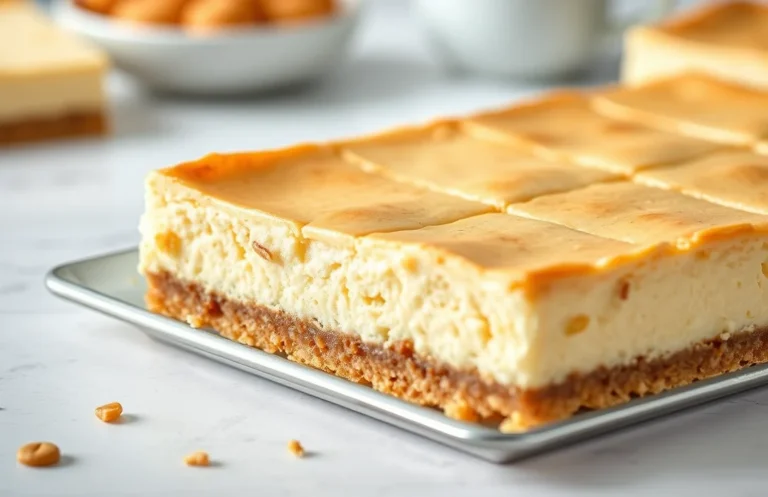
Cheesecake is that heavenly dessert that can turn any occasion into a celebration. Creamy, rich, and oh-so-decadent, it’s the kind of treat that makes you feel pampered with every bite. Whether it’s a family gathering or a cozy night in, a slice of cheesecake is pure comfort food that everyone loves.
Wondering how long you can freeze cheesecake? You’re in the right place! Different types of cheesecakes can be frozen for up to 3 months, and I’ll guide you through preparation, storage methods, and thawing techniques to keep that delicious flavor intact.
| Prep Time | Cook Time | Total Time | Servings | Difficulty |
|---|---|---|---|---|
| 30 minutes | 1 hour | 1 hour 30 minutes | 8 slices | Medium |
Cheesecake Origins and Features
Understanding the origins and unique features of cheesecake can enhance your appreciation for this beloved dessert and inform how best to preserve it. Cheesecake has roots that stretch back thousands of years, and its cultural significance varies across different regions, influencing how we enjoy it today.
Cultural Significance
Cheesecake is not just a dessert; it’s a symbol of celebration in many cultures. Here are a few highlights:
- Ancient Greece: The earliest known cheesecake recipe was recorded by the Greeks, who served it to athletes during the Olympic Games.
- Roman Influence: The Romans adapted the Greek cheesecake, enhancing it with their own flavors and techniques, which spread throughout Europe.
- American Variations: The New York-style cheesecake, rich and dense with cream cheese, became iconic in the United States, showcasing local ingredients and preferences.
Types of Cheesecakes
Cheesecakes come in various styles, each with distinct textures and flavors that can affect freezing times and methods:
| Type | Texture | Freezing Notes |
|---|---|---|
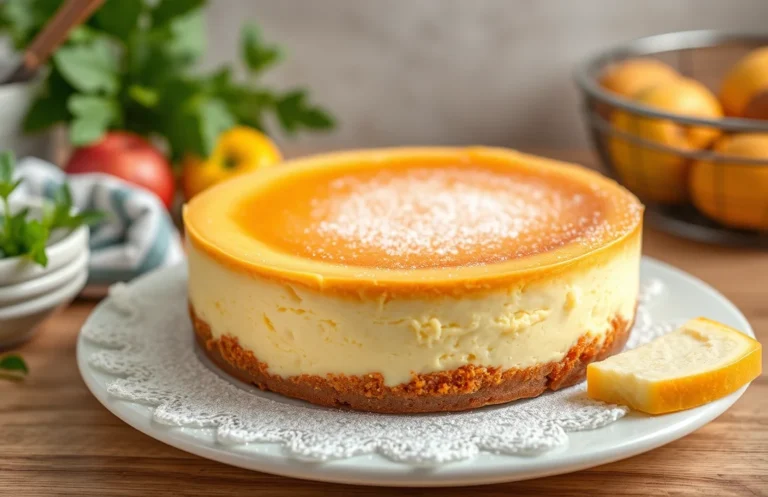
| New York Style | Dense and creamy | Freezes well, maintain flavor after thawing |
| Ricotta Cheesecake | Light and fluffy | May become grainy after freezing |
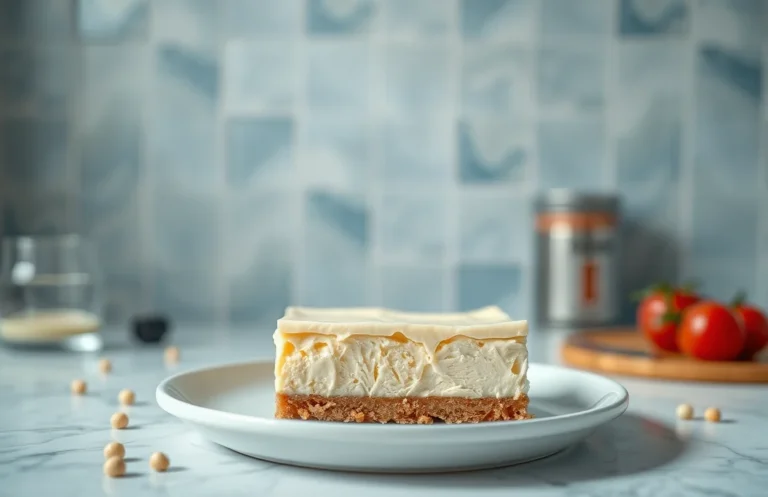
| No-Bake Cheesecake | Smooth and creamy | Freezes well, but may lose some texture |
Chef’s tip: Always allow cheesecake to cool completely before freezing to prevent condensation and ice crystals from forming.
Freezing Duration for Cheesecakes
Understanding how long different types of cheesecakes can be frozen is crucial for preserving their deliciousness. Each variety has its own ideal freezing duration to maintain texture and flavor, so let’s break down the specifics for classic, no-bake, and fruit-topped cheesecakes.
Classic Cheesecake
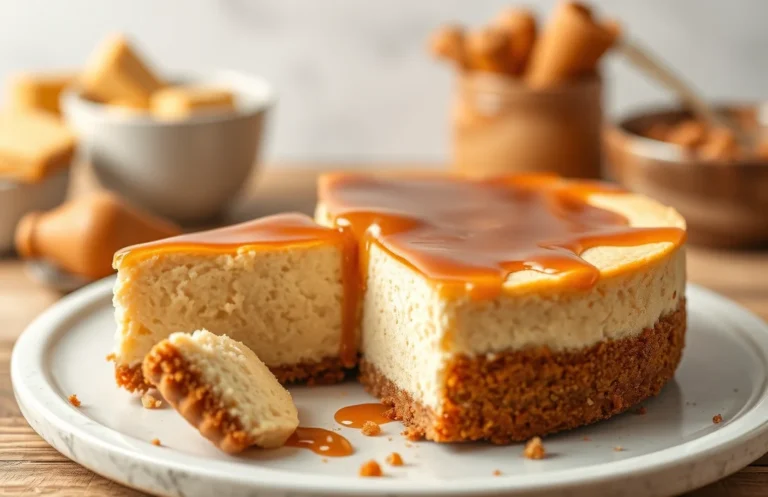
Classic cheesecakes, typically baked, can be frozen for up to 3 months. When properly wrapped, they maintain their creamy texture and rich flavor. Here’s how to ensure your classic cheesecake stays delightful:
- Wrap it tightly in plastic wrap, followed by aluminum foil.
- Label with the date to keep track of freezing time.
No-Bake Cheesecake
No-bake cheesecakes are a bit more forgiving and can be frozen for up to 2 months. However, they may slightly lose their silky texture upon thawing. To freeze:
- Seal in an airtight container or wrap in plastic wrap.
- Consider slicing before freezing for easier serving later.
Fruit-Topped Cheesecake
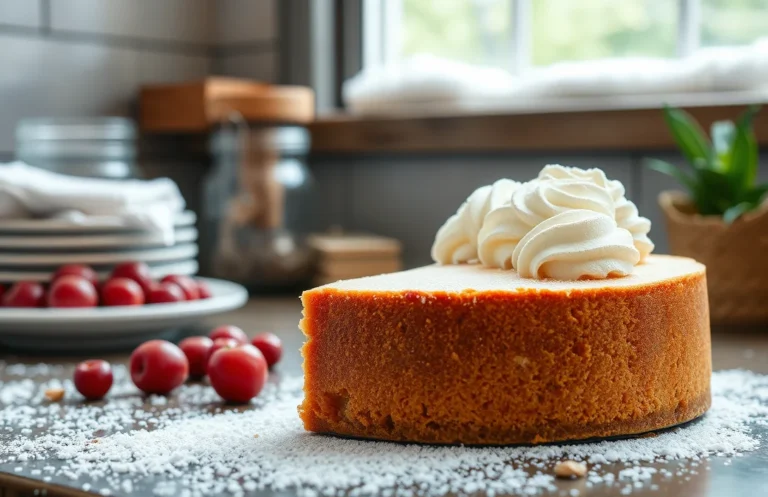
Fruit-topped cheesecakes can be frozen for about 1 month. The texture of the fruit may not hold up as well, so it’s best to freeze the cheesecake plain and add fresh toppings after thawing. Follow these tips:
- Leave off any fresh fruit or whipped cream before freezing.
- Wrap in plastic wrap and foil to prevent freezer burn.
Chef’s tip: Always thaw your cheesecake in the refrigerator overnight for the best texture and flavor recovery.
Preparing Cheesecakes for Freezing
Preparing your cheesecake properly for freezing is essential to maintain its creamy texture and delicious flavor. This section will guide you through the important steps of cooling your cheesecake completely and cutting it into portions for easier storage.
- Cool the Cheesecake: After baking your cheesecake, allow it to cool in the pan on a wire rack for about 1 hour. This helps to prevent condensation from forming, which can lead to a soggy texture. Once it has reached room temperature, refrigerate the cheesecake for at least 4 hours or overnight to ensure it’s fully set and chilled.
- Cut into Portions: Once the cheesecake is completely cool, use a sharp knife to slice it into individual portions. For best results, dip the knife in hot water and wipe it clean between cuts to create smooth edges. Each slice should be about 2-3 inches wide for easy handling and thawing later on.
Chef’s tip: If you’re freezing a cheesecake with a crust, consider cutting it into portions while it’s still in the pan for easier handling.
Best Storage Methods
Properly wrapping and storing your cheesecake is essential for maintaining its flavor and texture during freezing. The right methods can extend the life of your cheesecake while preventing freezer burn and unwanted odors from affecting your delicious dessert.
Using Plastic Wrap
Plastic wrap is an effective way to protect your cheesecake from air exposure, which can lead to freezer burn. To wrap your cheesecake properly:
- Allow the cheesecake to cool completely to room temperature.
- Slice the cheesecake if you plan to serve individual pieces later; this makes thawing easier.
- Wrap the cheesecake tightly in plastic wrap, ensuring that no part is exposed to air.
- For added protection, wrap it in a second layer of plastic wrap or aluminum foil.
Choosing Airtight Containers
If you prefer to store your cheesecake in a container, choose one that is airtight. Here’s how to do it:
- Place the cooled cheesecake in a container that fits snugly.
- Make sure to seal the lid tightly to keep out air.
- Label the container with the date so you can keep track of its freezing time.
Chef’s tip: If you’re storing a cheesecake with a crust, consider placing a layer of parchment paper between the cheesecake and the container to prevent sticking.
| Storage Method | Duration |
|---|---|
| Plastic Wrap | Up to 3 months |
| Airtight Container | Up to 3 months |
By following these storage methods, you can ensure your cheesecake remains delicious and ready to enjoy long after it’s made!
Thawing Cheesecakes Safely
Properly thawing your frozen cheesecake is crucial to maintain its creamy texture and flavor. There are two main methods to safely thaw your cheesecake: the refrigerator method and the quick thaw method. Each has its advantages, depending on how much time you have before serving.
- Refrigerator Method: Transfer your frozen cheesecake from the freezer to the refrigerator. Allow it to thaw slowly for approximately 6-8 hours or overnight. This method helps retain the cheesecake’s texture and flavor, ensuring it remains creamy and delicious. By the end of this period, the cheesecake should feel firm but not frozen, and the surface will appear smooth.
- Quick Thaw Method: If you’re short on time, you can thaw your cheesecake more quickly. Remove the cheesecake from the freezer and take it out of the pan. Place it on a microwave-safe plate and cover it loosely with plastic wrap. Microwave on the defrost setting for 1-2 minutes, checking every 30 seconds to prevent overheating. The cheesecake should feel soft to the touch, but avoid melting any part of it.
Chef’s tip: Always let your cheesecake sit at room temperature for about 15-30 minutes after thawing, as this enhances its flavor and texture when served.
Texture and Flavor Changes
Understanding the texture and flavor changes that occur after freezing and thawing a cheesecake is essential for maintaining its quality. Freezing can impact the creamy texture and taste, but with the right techniques, you can minimize these effects.
Creamy Texture Retention
Cheesecakes are known for their smooth, creamy texture, which can be at risk when frozen. Here are some tips to ensure your cheesecake retains its delightful consistency:
- Wrap the cheesecake tightly in plastic wrap, then place it in an airtight container. This helps prevent freezer burn.
- Freeze the cheesecake for up to 2-3 months for optimal texture. Beyond this period, ice crystals may form, leading to a grainy mouthfeel.
- When thawing, do so slowly in the refrigerator for at least 6-8 hours, or overnight. This gradual process helps maintain the creamy texture.
Flavor Preservation Tips
While cheesecakes are rich in flavor, freezing can slightly dull these tastes. Keep your cheesecake flavorful by following these suggestions:
- Consider adding a teaspoon of vanilla extract or a splash of lemon juice before freezing; these can enhance the flavors.
- Avoid mixing in fresh fruit or toppings before freezing, as they may lose their flavor. Instead, add fresh toppings after thawing.
Chef’s tip: To revive flavors, serve your thawed cheesecake with a drizzle of fruit sauce or a dollop of whipped cream.
| Cheesecake Type | Freezing Duration |
|---|---|
| Classic New York Style | 2-3 months |
| Fruit-flavored Cheesecake | 1-2 months |
| No-Bake Cheesecake | 1-2 months |
Common Cheesecake Freezing Mistakes
Freezing cheesecake can be a fantastic way to preserve leftovers or make ahead for a special occasion. However, there are common mistakes that can lead to less-than-ideal results. By avoiding these pitfalls, you can ensure your cheesecake remains delicious and maintains its texture when frozen and thawed.
Cooling Improperly
One of the biggest mistakes is not allowing your cheesecake to cool completely before freezing. If you place a warm cheesecake directly into the freezer, it can create condensation and lead to a soggy texture.
- Allow the cheesecake to cool at room temperature for at least 1 hour.
- Chill in the refrigerator for an additional 2-3 hours before freezing.
Using Non-Airtight Containers
Another common error is using containers that aren’t airtight. Exposure to air can result in freezer burn, which drastically affects the flavor and texture of your cheesecake.
Chef’s tip: Use heavy-duty plastic wrap followed by aluminum foil for extra protection against freezer burn.
For best results, follow these storage tips:
- Wrap your cheesecake tightly in plastic wrap.
- Place it in an airtight container or a freezer-safe bag.
Quick Reference Table
| Mistake | Solution |
|---|---|
| Not cooling properly | Cool for 1 hour at room temperature, then chill in the fridge for 2-3 hours. |
| Using non-airtight containers | Wrap tightly with plastic wrap and use an airtight container. |
Quick Summary
| Prep Time | 20 minutes |
|---|---|
| Cook Time | 60 minutes |
| Total Time | 1 hour 20 minutes |
| Servings | 8 |
- Freezing Duration: Cheesecake can be frozen for up to 3 months.
- Cooling Time: Allow cheesecake to cool completely before freezing.
- Wrap Properly: Use plastic wrap and aluminum foil to prevent freezer burn.
- Thawing Method: Thaw in the refrigerator overnight for best texture.
- Serving Fresh: Enjoy within 1-2 days after thawing for optimal taste.
- Key Tip: Avoid adding toppings before freezing; add them post-thawing.
- Key Tip: Use a springform pan for easy removal after freezing.
Frequently Asked Questions
Can I make this ahead of time? How to store and reheat?
You can make cheesecake up to 2 days in advance and store it in the refrigerator, tightly wrapped in plastic wrap. For reheating, let it come to room temperature for about 30 minutes before serving.
What can I substitute for cream cheese?
You can substitute cream cheese with an equal amount of mascarpone cheese for a richer flavor or use ricotta cheese blended until smooth for a lighter option. Just keep in mind that the texture may vary slightly.
How do I know when it’s done?
Your cheesecake is done when the edges are set but the center still has a slight jiggle, which usually takes about 50-60 minutes at 325°F (163°C). It will firm up as it cools, so don’t worry if it looks a bit wobbly!
Can I freeze this? How long does it last?
You can freeze cheesecake for up to 2-3 months by wrapping it tightly in plastic wrap and then aluminum foil. Just be sure to thaw it in the refrigerator overnight before serving for the best texture.
What if I don’t have a springform pan?
If you don’t have a springform pan, you can use a regular round cake pan lined with parchment paper for easy removal. Just be cautious when taking it out, as it won’t have the same easy-release feature.

- Decadent Peanut Butter No-Bake Cheesecake: Easy Recipe to Indulge - April 3, 2026
- Delicious Mango No-Bake Cheesecake: Step-by-Step Recipe - April 3, 2026
- Decadent Raspberry No-Bake Cheesecake: Easy Step-by-Step Recipe - April 3, 2026