Perfect Cheesecake Baking Times: Tips for Every Oven & Size
Cheesecake is that creamy, dreamy dessert that can turn any occasion into a celebration. Whether it’s a family gathering or a cozy weeknight treat, nothing beats the satisfaction of slicing into a perfectly baked cheesecake. The smooth texture and rich flavor will have everyone coming back for seconds!
Get ready to master your cheesecake with this reliable guide, featuring exact cooking times for different styles, doneness tests, and tips for common baking issues. Total time is about 1 hour 30 minutes, with a difficulty of medium, yielding 8 servings.
| Prep Time | Cook Time | Total Time | Servings | Difficulty |
|---|---|---|---|---|
| 30 minutes | 60 minutes | 1 hour 30 minutes | 8 | Medium |
Cheesecake Origins
Cheesecake has a rich history that dates back to ancient Greece, where it was served to athletes during the first Olympic Games in 776 B.C. Its unique combination of creamy texture and sweet flavor has made it a beloved dessert across cultures, evolving into countless variations. Understanding its origins helps appreciate the nuances in cooking times and methods that can elevate your cheesecake experience.
- Originated in ancient Greece, where cheese was mixed with honey and flour.
- Romans adopted the recipe, adding eggs for a richer texture.
- Modern versions emerged in the 19th century, particularly in the United States, with cream cheese becoming a staple ingredient.
Cheesecake is special for its creamy filling, which can be adapted with various flavors and toppings. The cooking time for cheesecakes can vary significantly, depending on the type and size:
| Type of Cheesecake | Cooking Time | Temperature |
|---|---|---|
| Baked Cheesecake | 50-60 minutes | 325°F (163°C) |
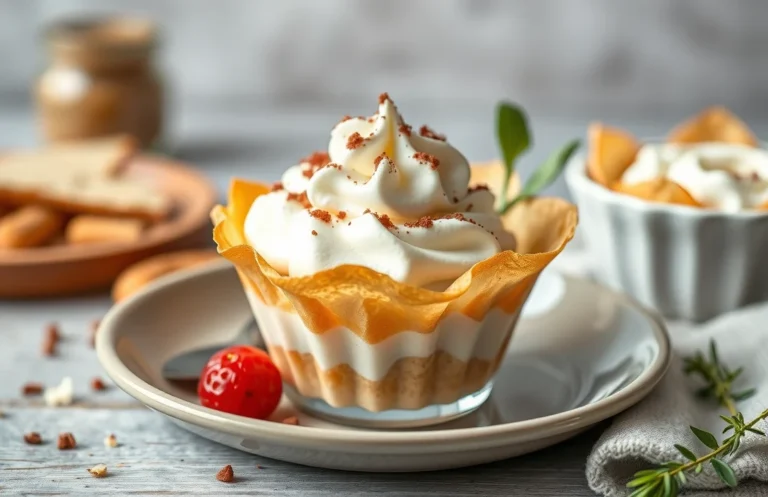
| No-Bake Cheesecake | Chill for 4-6 hours | N/A |
| Mini Cheesecakes | 25-30 minutes | 325°F (163°C) |
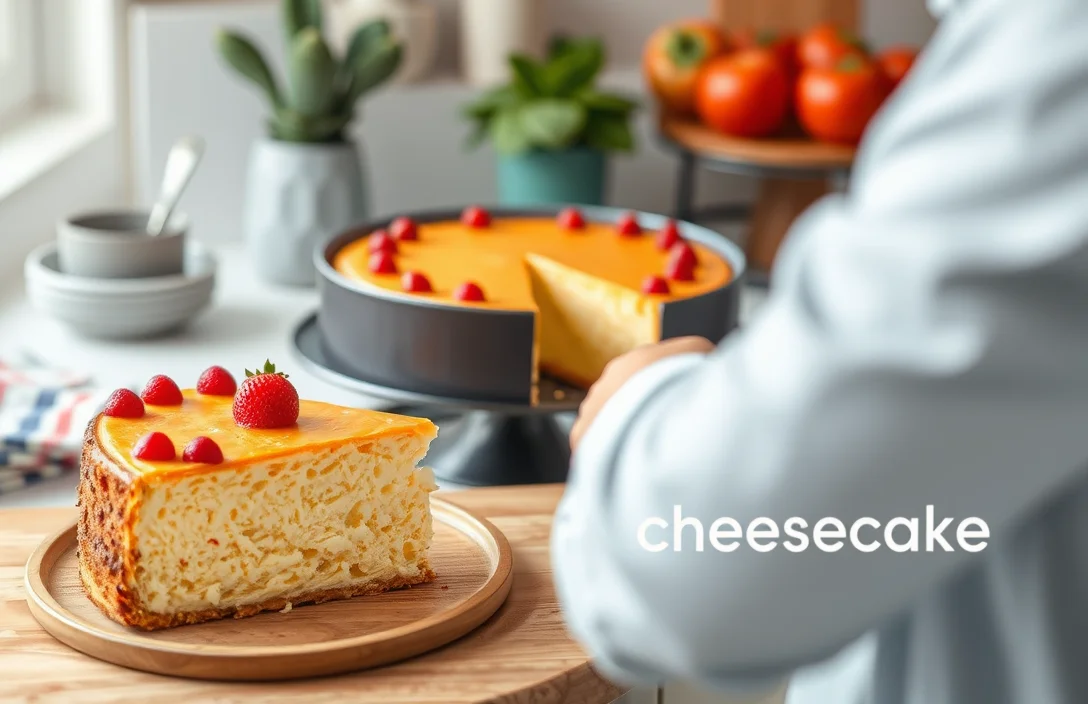
Pro tip: Always check for doneness by gently jiggling the pan; the center should be slightly wobbly but not liquid.
Keep in mind that oven types can affect baking times, so it’s wise to start checking for doneness a few minutes earlier than the suggested time. This way, you can ensure your cheesecake is perfectly set, creamy, and ready to impress!
Ingredients and Measurements
For a perfectly baked cheesecake, it’s essential to have the right ingredients measured accurately. The ingredients not only contribute to the flavor and texture but also play a crucial role in determining the baking time. Here’s a comprehensive list of what you’ll need, along with some important notes to keep in mind.
| Item | Amount/Specification | Notes |
|---|---|---|
| Graham cracker crumbs | 1 ½ cups (150g) | For the crust |
| Granulated sugar | ½ cup (100g) | For both crust and filling |
| Unsalted butter | 6 tablespoons (85g) | Melted, for the crust |
| Cream cheese | 2 (8-ounce) packages (450g total) | Softened, for the filling |
| Sour cream | 1 cup (240ml) | Adds creaminess |
| Vanilla extract | 1 teaspoon | For flavor |
| Eggs | 3 large | Room temperature, for filling |
| All-purpose flour | 2 tablespoons (15g) | Helps stabilize the filling |
- Room Temperature Ingredients: Ensure cream cheese and eggs are at room temperature for a smooth batter.
- Ingredient Substitutions: Use gluten-free graham cracker crumbs for a gluten-free version.
- Common Mistake: Avoid overmixing the batter, as it can lead to cracking during baking.
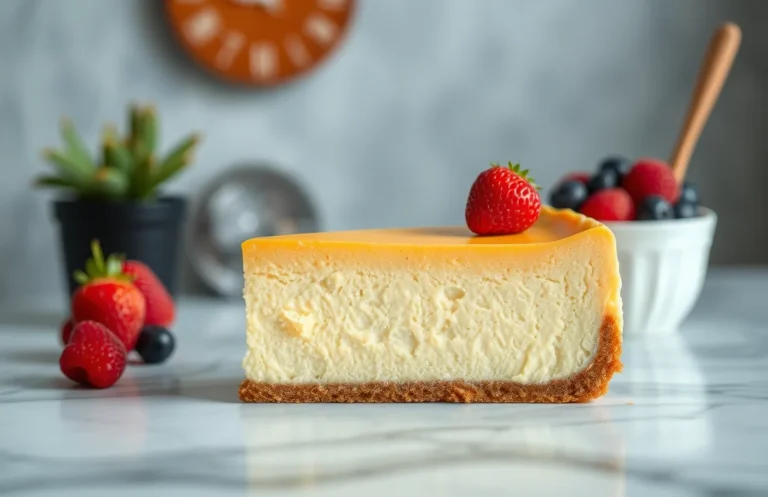
- Doneness Tip: The cheesecake should be set around the edges but slightly jiggly in the center when done.
Essential Equipment and Prep
Knowing the right equipment and prep steps is crucial for achieving the perfect cheesecake. This section outlines the essential tools you’ll need, along with specific preparation tasks that will set you up for success in cooking times and doneness.
- Gather Your Equipment: You’ll need a 9-inch springform pan for traditional cheesecakes, a mixing bowl, a hand mixer or stand mixer, and a rubber spatula. If you’re making a water bath cheesecake, have a larger roasting pan ready to hold the springform pan.
- Preheat Your Oven: Set your oven to 325°F (163°C). Preheating ensures even cooking, which is essential for achieving the right texture. Allow at least 20-30 minutes for the oven to reach the desired temperature before placing your cheesecake inside.
- Prepare Your Pan: Grease the sides of the springform pan with 1 tablespoon of unsalted butter to prevent sticking. You can also line the bottom with parchment paper for easier removal. This step is crucial for a clean presentation.
- Soften Your Cream Cheese: Remove 24 ounces of cream cheese from the refrigerator at least 30 minutes before mixing. Softened cream cheese integrates better with other ingredients, preventing lumps and ensuring a smooth batter.
- Measure Your Ingredients: For a standard cheesecake, gather 1 cup (200g) granulated sugar, 1 teaspoon vanilla extract, 3 large eggs, and any additional flavorings. Accurate measurements are key to maintaining the balance of flavors.
- Prepare a Water Bath (Optional): If you want a creamier texture, wrap the bottom of the springform pan in aluminum foil and place it in a larger pan filled with hot water. This helps regulate the baking temperature and prevents cracks.
Cooking Instructions by Type
This section provides precise cooking times and techniques for different types of cheesecake, ensuring you achieve that perfect texture and flavor every time. Knowing how long to cook each type will help you avoid common pitfalls and ensure your cheesecake is a hit at any gathering.
-
Baked Cheesecake
Preheat your oven to 325°F (160°C). Prepare your cheesecake batter as per your recipe, then pour it into a greased 9-inch (23 cm) springform pan. Bake for 50-60 minutes, or until the edges are set, and the center has a slight jiggle. The cheesecake should be lightly golden and smell deliciously creamy.
-
No-Bake Cheesecake
For a no-bake cheesecake, after preparing your filling, pour it into a prepared crust (graham cracker or cookie crust works well) and smooth the top with a spatula. Refrigerate for at least 4 hours, preferably overnight, until set. The filling should feel firm to the touch and have a silky texture when cut into slices.
-
Mini Cheesecakes
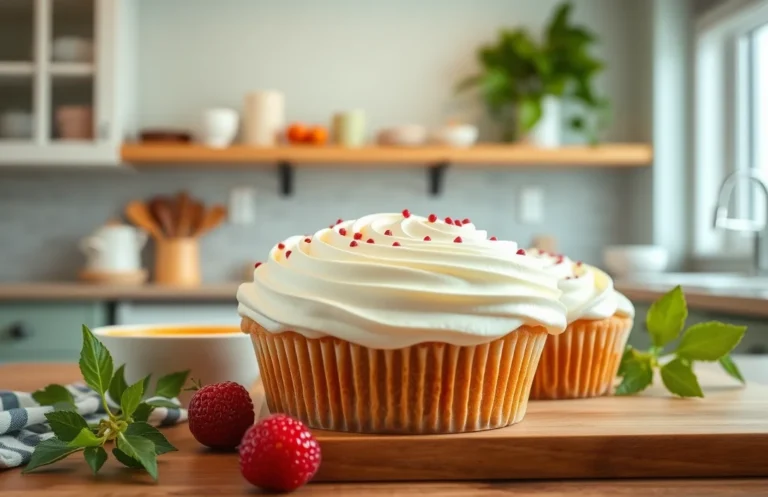
If you’re making mini cheesecakes using a muffin tin, preheat your oven to 325°F (160°C). Use cupcake liners for easy removal and fill each liner with the batter, about 2/3 full. Bake for 18-22 minutes, until the centers are just set and slightly puffed. They should cool to room temperature before chilling in the fridge for at least 2 hours.
Tips for Perfect Cheesecake
Getting the cooking time just right for your cheesecake is crucial to achieving that perfect creamy texture without cracks or a dry finish. In this section, I’ll share precise baking times and tips to help you determine doneness based on the type and size of your cheesecake.
- Standard cheesecake (9-inch pan): Bake at 325°F (163°C) for 55-70 minutes. The edges should be set, while the center will still have a slight jiggle. This indicates it’s perfectly cooked, as it will continue to firm up while cooling.
- Mini cheesecakes (in muffin tins): Bake at 325°F (163°C) for 20-25 minutes. Look for a slight puffing and a firm edge, with a soft center. Remove them when they still have a slight wobble.
- Water bath method: If you’re using a water bath, extend the baking time by about 10-15 minutes. The moisture helps prevent cracking and ensures even cooking, so check for doneness using the jiggle test mentioned above.
- Oven temperature variations: Every oven varies, so keep an eye on your cheesecake. If your oven runs hot, it may cook faster, leading to an overbaked dessert. Consider using an oven thermometer to calibrate your temperature accurately.
- Cooling time: After baking, let the cheesecake cool in the oven with the door ajar for about an hour. This gradual cooling helps prevent cracks as it transitions from hot to room temperature.
Variations and Substitutions
This section covers how variations in cheesecake recipes can impact cooking times and methods, as well as substitutions that cater to dietary needs. Understanding these factors is crucial for achieving the perfect cheesecake every time, regardless of your ingredients or preferences.
Cooking Times for Different Cheesecake Variations
The cooking time for cheesecake can vary significantly based on the type and size. Here’s a quick reference:
| Cheesecake Type | Size | Cooking Time |
|---|---|---|
| Classic Cheesecake | 9-inch springform | 50-60 minutes at 325°F (163°C) |
| Mini Cheesecakes | In muffin tin | 20-25 minutes at 325°F (163°C) |
| No-Bake Cheesecake | 9-inch springform | Chill for 4-6 hours (not baked) |
| Vegan Cheesecake | 9-inch springform | 45-55 minutes at 350°F (175°C) |
Ingredient Substitutions
Here are some common ingredient substitutions along with their impact on cooking times:
- Gluten-Free Crust: Use almond flour instead of graham crackers. Baking time remains the same.
- Dairy-Free Cream Cheese: Substitute with cashew cream or tofu. Cooking time may be slightly reduced.
- Sweeteners: Replace sugar with agave syrup or honey, but be mindful that liquid sweeteners may require adjustments in baking time and texture.
Chef’s tip: Always check for doneness by gently shaking the cheesecake; it should be set around the edges but have a slight jiggle in the center.
By understanding these variations and substitutions, you can adjust your cooking times accordingly and still create a delicious cheesecake tailored to your needs.
Serving and Pairing Suggestions
After the perfect bake time for your cheesecake, serving and pairing become essential to enhance the overall experience. Whether you enjoy it plain or with toppings, there are delightful ways to present your cheesecake that will impress your guests and elevate the flavors.
- Chilled Serving: Always serve your cheesecake chilled for the best texture and flavor. Once it has cooled to room temperature, refrigerate it for at least 4 hours, but ideally overnight, to allow the flavors to meld and the texture to firm up.
- Garnishes: Top your cheesecake with a dollop of freshly whipped cream or a light dusting of powdered sugar for an elegant touch. Fresh berries, such as raspberries or blueberries, not only add color but also a refreshing contrast to the rich cheesecake.
- Fruit Compotes: Drizzle a homemade fruit compote, made with 1 cup of mixed berries, 2 tablespoons of sugar, and a splash of lemon juice simmered until thickened, over each slice. This adds a sweet-tart flavor that balances the richness of the cheesecake.
- Beverage Pairings: Serve your cheesecake with a glass of dessert wine, such as late harvest Riesling, or a robust coffee, which complements the creaminess beautifully. If you prefer non-alcoholic options, consider pairing with a rich hot chocolate.
- Presentation: For a stunning presentation, slice the cheesecake with a hot knife (run under hot water and dried), which helps create clean edges. Plate individual slices with a sprig of mint or a thin slice of citrus for a pop of color.
Quick Summary
| Prep Time | Cook Time | Total Time | Servings |
|---|---|---|---|
| 20 minutes | 50-60 minutes | 1 hour 20 minutes | 8 servings |
- Preheat your oven to 325°F (163°C) before starting the batter.
- Prepare the crust by mixing 1 ½ cups of graham cracker crumbs with ½ cup of melted butter.
- Beat cream cheese until smooth, adding 1 cup of sugar slowly to avoid lumps.
- Bake in a water bath to prevent cracking, placing the cheesecake in a pan with hot water.
- Cool gradually for at least 4 hours in the refrigerator for best texture.
- Tip: Use room temperature ingredients for a smoother batter.
- Tip: Avoid opening the oven door while baking to maintain even heat.
- Tip: Let it rest overnight for enhanced flavor and creaminess.
Frequently Asked Questions
Can I make this ahead of time? How to store and reheat?
You can absolutely make cheesecake ahead of time; in fact, it’s often better after chilling for at least 4 to 6 hours. Store it in the refrigerator, wrapped tightly in plastic wrap, and reheat individual slices in the microwave for 10-15 seconds if desired.
What can I substitute for cream cheese?
If you need a substitute for cream cheese, you can use mascarpone cheese or a mixture of Greek yogurt and sour cream in a 1:1 ratio for a similar texture and flavor.
How do I know when it’s done?
Your cheesecake is done when the edges are set but the center still has a slight jiggle to it, which usually takes about 50-60 minutes at 325°F. It will also firm up as it cools, so don’t overbake!
Can I freeze this? How long does it last?
You can definitely freeze cheesecake for up to 3 months. Make sure to wrap it tightly in plastic wrap and then in aluminum foil to prevent freezer burn.
What if I don’t have a springform pan?
If you don’t have a springform pan, you can use a regular cake pan lined with parchment paper, but be sure to let it cool completely before attempting to remove it. Just be cautious while serving, as it may not hold its shape as well.

- 10 Best Cheese Knife With Holes For Smooth Slice 2026 - March 9, 2026
- Make Cheesecake Up to 3 Days Ahead: Tips for Best Flavor & Texture - March 4, 2026
- Easy No-Bake Cool Doen Cheesecake: Quick Recipe & Tips - March 4, 2026