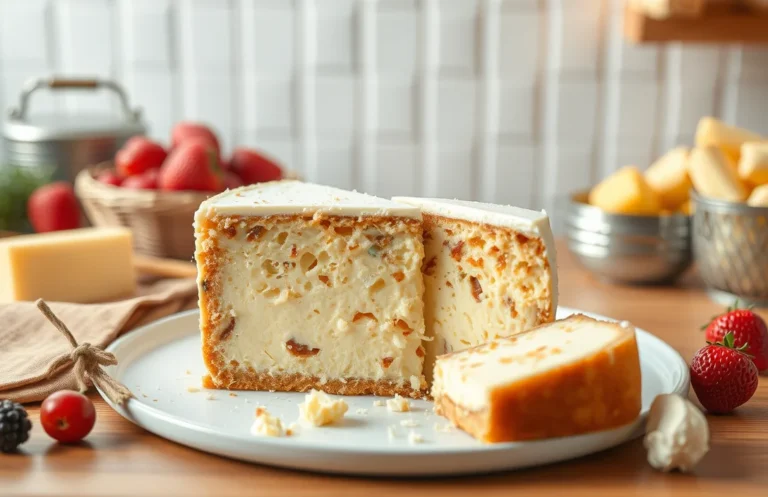
Is Cheese in Cheesecake? Discover the Best Cheese Types for Flavor
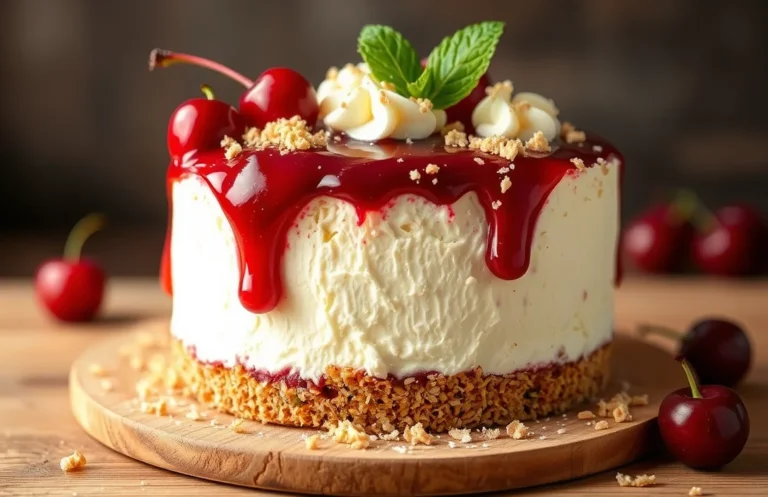
Cheesecake is a creamy, dreamy delight that has a special place in my heart. Whether it’s a birthday celebration, a holiday feast, or just a cozy weeknight treat, there’s something about that rich, velvety texture that makes every bite feel like a warm hug. Trust me, you’ll want to savor every forkful!
Wondering if there’s actually cheese in cheesecake? The answer is a resounding yes! This recipe features cream cheese for that smooth consistency, along with sugar and a buttery crust. You’ll have a delicious dessert ready in just 1 hour and 15 minutes, perfect for 8 servings and easy enough for beginners.
| Prep Time | Cook Time | Total Time | Servings | Difficulty |
|---|---|---|---|---|
| 15 minutes | 1 hour | 1 hour 15 minutes | 8 | Easy |
Cheesecake Origins
Understanding the origins of cheesecake not only enriches our appreciation for this beloved dessert but also clarifies its main ingredient: cheese. The history of cheesecake is woven into various cultures, showcasing its significance across different cuisines and occasions.
- Cultural significance: Cheesecake has roots tracing back to ancient Greece, where it was served to athletes during the first Olympic Games. Its creamy texture and rich flavors have made it a staple in many cultures, evolving through the centuries into the varieties we enjoy today.
- When to serve cheesecake: Cheesecake is often a celebratory dessert, perfect for special occasions such as birthdays, weddings, and holidays. Its versatility allows it to be enjoyed year-round, whether served chilled on a summer day or warmed with a drizzle of sauce in the colder months.
- Types of cheesecake: The classic New York-style cheesecake is known for its dense and creamy texture, largely due to the use of cream cheese. Other variations include ricotta cheesecake, popular in Italian cuisine, which offers a lighter, fluffier consistency.
Cheese in Cheesecake
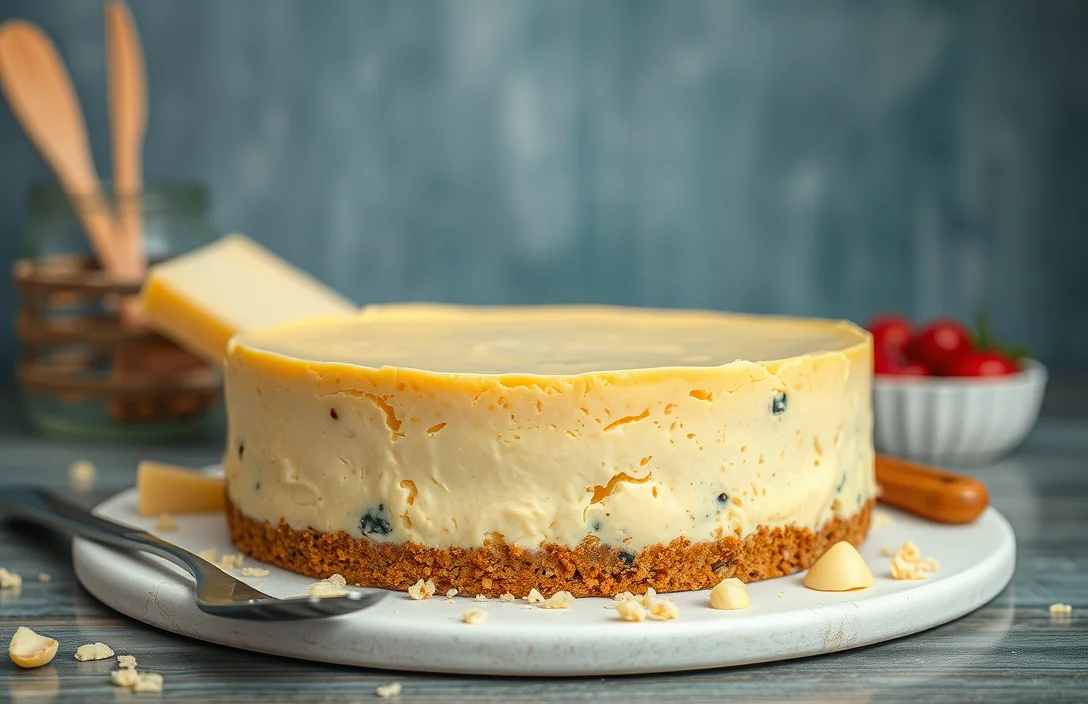
Cheese is the star ingredient in any cheesecake, providing its signature creamy texture and rich flavor. Understanding the different types of cheese commonly used can help you choose the right one for your cheesecake, elevating your dessert to new heights.
Cream Cheese
Cream cheese is the most traditional and widely used cheese in cheesecake recipes. Its smooth and creamy texture makes it easy to blend, resulting in a rich and decadent filling. Typically, you’ll want to use:
- 32 ounces (900g) of full-fat cream cheese, softened
The cream cheese should be at room temperature for easy mixing. If it’s too cold, it will result in lumps that won’t blend out.
Ricotta
Ricotta cheese offers a lighter texture and slightly grainy feel compared to cream cheese. It’s perfect for a less dense cheesecake. When using ricotta, consider the following:
- 15 ounces (425g) of whole milk ricotta cheese, drained
Be sure to drain any excess liquid to avoid a watery filling. The ricotta should be smooth and creamy before mixing with other ingredients.
Mascarpone
Mascarpone adds an indulgent richness with a velvety texture. It can be used on its own or combined with other cheeses for a more complex flavor. Use:
- 8 ounces (225g) of mascarpone cheese
Mascarpone should also be at room temperature. It can be folded gently into the batter to maintain its lightness.
Chef’s tip: If you’re looking for a lighter cheesecake, consider blending ricotta with cream cheese for a balanced texture.
| Type of Cheese | Amount | Texture |
|---|---|---|
| Cream Cheese | 32 oz (900g) | Smooth and creamy |
| Ricotta | 15 oz (425g) | Light and slightly grainy |
| Mascarpone | 8 oz (225g) | Velvety and rich |
Ingredients List
This section outlines the essential ingredients needed to make a classic cheesecake, emphasizing the types of cheese used in the filling. Understanding the role of each ingredient, especially the cheeses, is crucial for achieving that creamy texture and rich flavor characteristic of a delicious cheesecake.
| Item | Amount/Specification | Notes |
|---|---|---|
| Cream cheese | 24 ounces (680g) | Softened, full-fat for best texture |
| Sour cream | 1 cup (240g) | Adds tanginess and creaminess |
| Sugar | 1 cup (200g) | Granulated sugar for sweetness |
| Vanilla extract | 1 tablespoon (15ml) | Pure vanilla for flavor depth |
| Eggs | 3 large | Room temperature for better mixing |
| Graham cracker crumbs | 1 ½ cups (150g) | For the crust |
| Butter | ½ cup (115g) | Melted, for binding crust |
- Substitution Tip: For a lighter cheesecake, you can use low-fat cream cheese or Greek yogurt instead of sour cream.
- Common Mistake: Ensure cream cheese is at room temperature to avoid lumps.
- For a flavored cheesecake, consider adding lemon zest or chocolate to the filling.
Necessary Kitchen Equipment
Making a delicious cheesecake requires some essential kitchen tools to ensure a smooth process and a perfect end result. From mixing the creamy cheese filling to baking and serving, having the right equipment on hand will make all the difference in your cheesecake experience.
| Item | Amount/Specification | Notes |
|---|---|---|
| Mixing Bowl | 1 large | For combining the cheese and other filling ingredients. |
| Electric Mixer | 1 | A hand mixer or stand mixer works best for achieving a smooth texture. |
| Spatula | 1 | For folding in ingredients and scraping the bowl. |
| Springform Pan | 9-inch | Ideal for baking cheesecakes as it allows for easy removal. |
| Baking Sheet | 1 | To place under the springform pan in the oven to catch drips. |
| Parchment Paper | 1 round | Optional, but helps prevent sticking on the bottom of the pan. |
| Cooling Rack | 1 | For cooling the cheesecake after baking. |
| Knife or Offset Spatula | 1 | For slicing and serving the cheesecake. |
- Tip: Ensure your cream cheese is at room temperature for easier mixing and a smoother filling.
- Tip: If you don’t have a springform pan, you can use a regular cake pan but be cautious when removing the cheesecake.
- Tip: A water bath can help prevent cracks; consider using a larger pan filled with water when baking your cheesecake.
Step-by-Step Instructions
This section covers the detailed process of preparing a cheesecake, focusing on the crust, mixing the filling, and the baking process. Understanding these steps is crucial for achieving a perfectly textured and flavorful cheesecake that highlights the role of cheese.
Preparing the Crust
- Preheat your oven to 325°F (163°C). This temperature is ideal for baking a cheesecake, ensuring a slow and even cook.
- In a mixing bowl, combine 1 ½ cups (150g) of graham cracker crumbs, ¼ cup (50g) of granulated sugar, and ½ cup (115g) of melted unsalted butter. Mix until the crumbs resemble wet sand.
- Press the mixture firmly into the bottom of a 9-inch (23cm) springform pan, making sure it’s even and compact. Bake for 10 minutes until lightly golden and fragrant. Remove from the oven and let it cool.
Mixing the Filling
- In a large mixing bowl, beat 16 ounces (450g) of cream cheese (softened) with an electric mixer on medium speed until smooth and creamy, about 2-3 minutes. Scrape down the sides of the bowl to ensure even mixing.
- Add 1 cup (200g) of granulated sugar and 1 teaspoon of vanilla extract to the cream cheese. Mix on low speed until fully incorporated, about 1 minute. The mixture should be smooth with no lumps.
- In a separate bowl, whisk together 3 large eggs until just combined. Gradually add the eggs to the cream cheese mixture, mixing on low speed until just combined. Avoid overmixing, as this can incorporate too much air into the batter, leading to cracks during baking.
Baking Process
- Pour the cheesecake filling into the cooled crust, smoothing the top with a spatula. Tap the pan gently on the counter to release any trapped air bubbles.
- Bake in the preheated oven for 50-60 minutes. The edges should be set, while the center will still have a slight jiggle. This indicates it is not overcooked.
- Turn off the oven and crack the oven door open, allowing the cheesecake to cool slowly for about 1 hour. This helps prevent cracking. Afterward, refrigerate for at least 4 hours or overnight before serving.
Pro Chef Tips
This section will guide you through some critical advice for ensuring your cheesecake turns out perfectly smooth and creamy, with no cracks. Understanding the role of cheese and how to avoid common pitfalls can elevate your cheesecake game significantly.
Avoiding Cracks
Cracks in a cheesecake can be frustrating, but there are several strategies to prevent them:
- Use room temperature ingredients: Cold cream cheese can lead to lumps and uneven mixing. Allow your cream cheese to sit out for at least 30 minutes before using it.
- Mix gently: Over-mixing introduces air bubbles that expand during baking and can cause cracks. Mix your batter just until smooth.
- Bake in a water bath: This method helps regulate temperature and humidity, reducing the chances of cracking. Wrap your springform pan in aluminum foil and place it in a larger pan filled with hot water while baking.
Achieving the Right Texture
The texture of your cheesecake is crucial for a delightful experience. Here are some tips:
- Choose the right cheese: Cream cheese is the traditional choice, but mascarpone or ricotta can add creaminess. For a lighter texture, consider a blend of 2 cups (450g) cream cheese with 1 cup (240g) mascarpone.
- Don’t skip the sour cream: Adding ½ cup (120g) sour cream can enhance creaminess and provide a nice tang.
- Cool gradually: After baking, turn off the oven and leave the cheesecake inside for an hour. This helps prevent sudden temperature changes that can lead to cracks.
Chef’s tip: Always run a knife around the edges of the cheesecake after baking to help release it from the pan, preventing cracks as it cools.
| Ingredient | Amount |
|---|---|
| Cream Cheese | 2 cups (450g) |
| Mascarpone | 1 cup (240g) |
| Sour Cream | ½ cup (120g) |
Variations and Substitutions
In this section, we’ll explore how to adapt cheesecake recipes to fit various dietary needs and flavor preferences. Whether you’re gluten-free or looking for a vegan alternative, there are plenty of options to enjoy this delightful dessert without compromising on taste.
Gluten-Free Options
If you’re avoiding gluten, you can easily make a gluten-free cheesecake crust. Here’s how:
- Use 1 ½ cups gluten-free graham cracker crumbs (about 150g) instead of regular crumbs.
- Mix the crumbs with 5 tablespoons melted butter until combined.
- Press firmly into a 9-inch (23cm) springform pan and bake at 350°F (175°C) for 10 minutes until slightly golden.
Ensure all other ingredients, like the filling, are also gluten-free by checking labels.
Vegan Alternatives
For a vegan cheesecake that still captures the creamy texture, try this substitute:
- Use 2 cups raw cashews (soaked for 4 hours) blended until smooth as your base.
- Add 1 cup coconut cream for richness and ½ cup maple syrup for sweetness.
- For flavor, mix in the juice of 1 lemon and 1 teaspoon vanilla extract.
Blend everything until silky smooth, then pour into your prepared crust and chill for at least 4 hours before serving.
Chef’s tip: Be sure to soak the cashews thoroughly for the best texture in your vegan cheesecake.
| Ingredient | Regular | Gluten-Free | Vegan |
|---|---|---|---|
| Crust | 1 ½ cups graham cracker crumbs | 1 ½ cups gluten-free graham cracker crumbs | 1 ½ cups almond flour or oats |
| Filling | 16 oz cream cheese | 16 oz cream cheese (gluten-free) | 2 cups soaked cashews + 1 cup coconut cream |
Serving Suggestions
Presenting your cheesecake beautifully can elevate the dessert experience, making it not just delicious but visually stunning as well. Here are some tips on how to plate your cheesecake and what beverages pair well with its creamy richness.
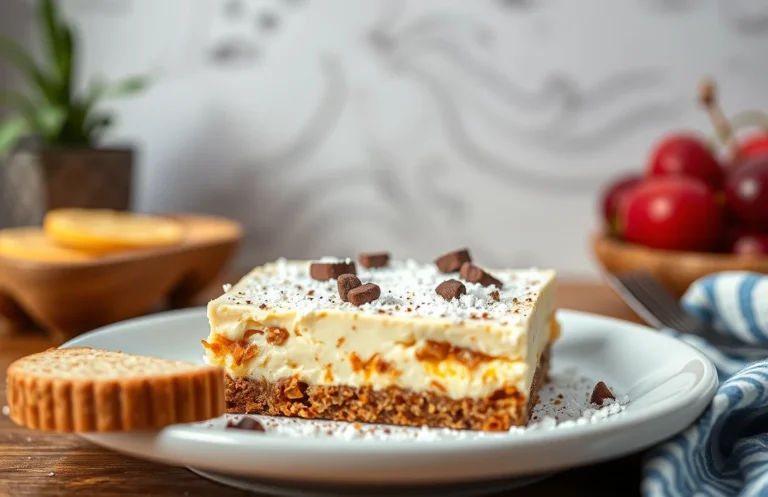
- Plating the Cheesecake: Start by using a sharp knife to slice your cheesecake into even pieces, about 1.5 inches wide. Wipe the knife with a damp cloth between cuts for clean edges. Place a slice on a dessert plate, and for an elegant touch, consider adding a dollop of freshly whipped cream or a drizzle of chocolate sauce.
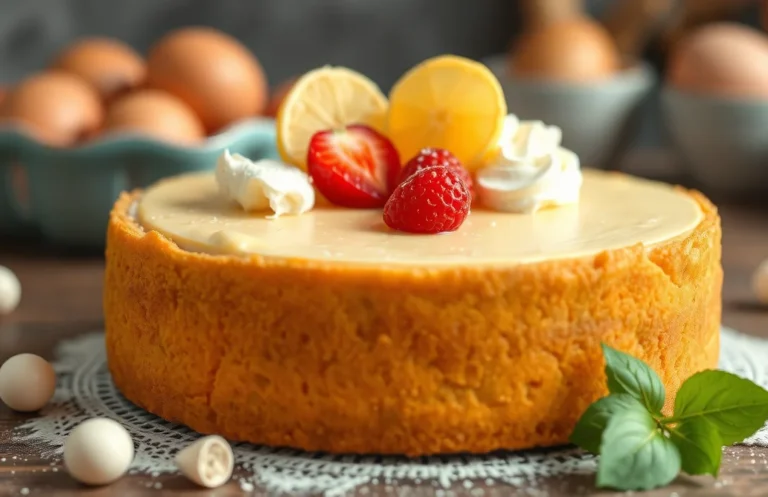
- Garnishing: Fresh fruit complements cheesecake beautifully. Use berries like raspberries, strawberries, or blueberries for a splash of color and tartness. Arrange a few on the side of the slice and sprinkle a dusting of powdered sugar over the top for a refined finish.
- Serving Temperature: Cheesecake is best served chilled. Allow it to sit at room temperature for about 10-15 minutes before serving to enhance its creamy texture and flavor. The center should feel slightly firm yet creamy when you cut into it.
Pairing Beverages
- Coffee: A cup of freshly brewed coffee pairs wonderfully with cheesecake. The bitterness of the coffee balances the sweetness of the dessert. Try serving espresso for a stronger flavor or a light roast for a milder pairing.
- Wine: A sweet dessert wine, such as a late-harvest Riesling or a Moscato, complements the creamy texture. Pour a small glass, allowing the flavors to enhance the cheesecake experience.
- Tea: For a lighter option, serve your cheesecake with a cup of herbal tea, like chamomile or peppermint. The soothing flavors can provide a delightful contrast to the richness of the cheesecake.
Chef’s tip: Always taste your cheesecake before serving to ensure it has the right balance of sweetness and tanginess!
Quick Summary
| Prep Time | 20 minutes |
|---|---|
| Cook Time | 60 minutes |
| Total Time | 1 hour 20 minutes |
| Servings | 8 |
- Use cream cheese: It’s essential for that rich, creamy texture.
- Pre-bake the crust: Bake at 350°F for 10 minutes for best results.
- Cool gradually: Let the cheesecake cool in the oven to prevent cracks.
- Chill overnight: This firms up the cheesecake and enhances flavor.
- Check doneness: The center should be slightly jiggly when done.
- Room temperature ingredients: Ensures a smooth batter without lumps.
- Don’t overmix: Overmixing can lead to a dense texture.
Frequently Asked Questions
Can I make this ahead of time? How to store and reheat?
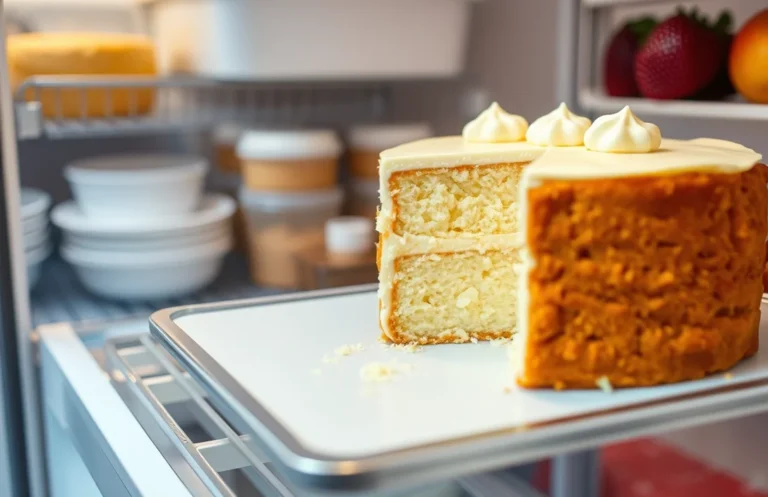
You can absolutely make cheesecake ahead of time; in fact, it tastes better when chilled overnight. Store it covered in the refrigerator for up to 5 days, and avoid reheating as it’s best served cold.
What can I substitute for cream cheese?
You can substitute cream cheese with mascarpone or ricotta cheese for a lighter texture, but keep in mind it will change the flavor slightly. If using ricotta, blend it until smooth to mimic the creaminess of cream cheese.
How do I know when it’s done?
Your cheesecake is done when the edges are set but the center still has a slight jiggle, which usually takes about 50-60 minutes at 325°F (163°C). It will continue to firm up as it cools, so don’t overbake!
Can I freeze this? How long does it last?
You can freeze cheesecake for up to 3 months; just ensure it’s wrapped tightly in plastic wrap and then in aluminum foil. Thaw it in the refrigerator overnight before serving for the best texture.
Why did my cheesecake turn out cracked?
Cracks can occur if your cheesecake was baked at too high of a temperature or if it was overbaked, so stick to the recommended temperature and timing. To prevent cracks, you can also bake it in a water bath, which helps regulate the heat.

- Make Cheesecake Up to 3 Days Ahead: Tips for Best Flavor & Texture - March 4, 2026
- Easy No-Bake Cool Doen Cheesecake: Quick Recipe & Tips - March 4, 2026
- Decadent Dulce de Leche Cheesecake: Easy Step-by-Step Recipe - March 4, 2026