Is Cheesecake Gluten-Free? Find Out & Try 3 Easy Recipes!
Cheesecake is the ultimate indulgence, blending creamy richness with a perfect sweetness that makes it a favorite for any occasion. Whether it’s a casual weeknight dessert or the star of a special celebration, a slice of cheesecake can always satisfy that sweet tooth and bring smiles to the table.
This guide reveals whether traditional cheesecake contains gluten and offers delicious gluten-free alternatives. You’ll find 3 tested recipes with clear, step-by-step instructions, precise measurements, and tips to ensure your cheesecake turns out perfectly every time.
| Prep Time | Cook Time | Total Time | Servings | Difficulty |
|---|---|---|---|---|
| 20 minutes | 60 minutes | 1 hour 20 minutes | 8 servings | Medium |
Cheesecake Origins
Cheesecake has a rich history that spans cultures and centuries, making it a beloved dessert worldwide. Understanding its origins helps us appreciate the variations that exist today, particularly regarding gluten content.
- Ancient Roots: The earliest known cheesecake dates back to ancient Greece, where it was served to athletes during the first Olympic games in 776 B.C. This version was simple, made with cheese and honey, and did not contain any gluten.
- Cultural Variations: Different cultures have put their own spin on cheesecake. For example, Italian cheesecake often incorporates ricotta cheese, while Japanese cheesecake is light and fluffy, resembling a souffle. Each variation can have different ingredients that may or may not include gluten.
- Celebratory Dessert: Cheesecake is often served during special occasions such as weddings, birthdays, and holidays. Its creamy texture and rich flavor make it a favorite choice for celebrating life’s milestones, often leading to discussions about dietary restrictions, including gluten intolerance.
- Modern Adaptations: In recent years, gluten-free diets have become more popular, prompting many bakers to create gluten-free versions of traditional cheesecake. This can include using almond flour, coconut flour, or gluten-free graham crackers for the crust.
Recognizing the historical significance and cultural variations of cheesecake provides a backdrop for understanding its ingredients, particularly in relation to gluten. As we move forward, let’s examine how traditional recipes measure up in terms of gluten content.
Gluten in Traditional Cheesecake
Understanding whether traditional cheesecake contains gluten is essential for those with gluten sensitivities or celiac disease. In this section, we’ll break down the common ingredients in cheesecake and identify potential gluten sources.
- Crust Ingredients: Traditional cheesecakes often feature a crust made from graham cracker crumbs, which typically contain gluten. A standard recipe may include:
- 1 ½ cups graham cracker crumbs (150g)
- ½ cup unsalted butter, melted (115g)
- ¼ cup granulated sugar (50g)
- Filling Ingredients: The main filling of a cheesecake consists of:
- 24 ounces cream cheese, softened (680g)
- 1 cup granulated sugar (200g)
- 3 large eggs
- 1 teaspoon vanilla extract
Gluten Sources
In traditional cheesecake, gluten is primarily found in the crust. Here’s a quick breakdown of where gluten may be present:
| Ingredient | Gluten Content |
|---|---|
| Graham Crackers | Contains Gluten |
| Butter | Gluten-Free |
| Sugar | Gluten-Free |
| Cream Cheese | Gluten-Free |
| Vanilla Extract | Gluten-Free |
For those sensitive to gluten, it’s crucial to consider the crust when enjoying traditional cheesecake. If you’re making it at home, you can easily modify the crust to be gluten-free.
Gluten-Free Crust Alternatives
If you’re looking to enjoy cheesecake without gluten, there are delightful alternatives for the crust that maintain that wonderful texture and flavor. Here, we’ll explore nut-based and oat-based crusts, both of which are simple to make and deliciously satisfying.
Nut-Based Crusts
Nut-based crusts are a popular gluten-free option, offering a rich flavor and satisfying crunch. Here’s a basic recipe:
- 1 ½ cups almond flour (150g)
- ¼ cup melted coconut oil (60ml)
- 2 tablespoons honey or maple syrup (30ml)
- Pinch of salt
- Preheat your oven to 350°F (175°C).
- In a mixing bowl, combine almond flour and salt. Pour in melted coconut oil and honey, then mix until a dough forms. The mixture should be slightly sticky but manageable.
- Press the mixture into the bottom of a 9-inch (23cm) springform pan, ensuring it’s evenly distributed and compact.
- Bake for 10-12 minutes until golden brown and fragrant. Let cool before adding the cheesecake filling.
Chef’s tip: For added flavor, try mixing in a teaspoon of cinnamon or vanilla extract.
Oat-Based Crusts
If you prefer a heartier texture, an oat-based crust can be a great choice. This option is also easy to prepare:
- 1 ½ cups gluten-free rolled oats (135g)
- ¼ cup coconut oil, melted (60ml)
- 2 tablespoons brown sugar (30g)
- Pinch of salt
- Preheat your oven to 350°F (175°C).
- Combine rolled oats, brown sugar, and salt in a bowl. Stir in melted coconut oil until the mixture is crumbly.
- Press the oat mixture into a 9-inch (23cm) springform pan. It should be firm and compact.
- Bake for 10-15 minutes until lightly browned and fragrant. Allow it to cool completely before filling.
Pro tip: If the mixture feels too dry, add a tablespoon of water until it holds together better.
Both options provide a delicious foundation for your gluten-free cheesecake, allowing you to enjoy every creamy bite without worry!
Classic Gluten-Free Cheesecake Recipe
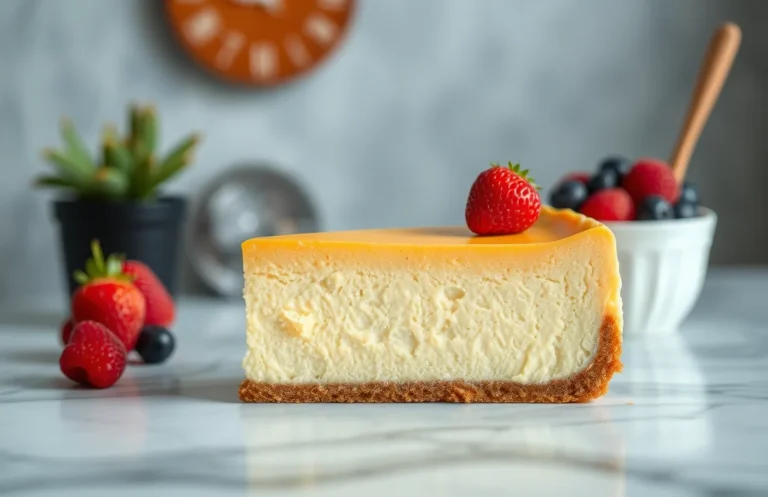
If you’re wondering whether cheesecake contains gluten, the answer can depend on the crust. Traditional cheesecake often uses graham crackers, which do contain gluten. However, this gluten-free cheesecake recipe allows you to enjoy this creamy dessert without worry, using a delicious gluten-free crust alternative!
Ingredients
- 1 ½ cups gluten-free graham cracker crumbs (150g)
- ½ cup unsalted butter, melted (115g)
- 2 cups cream cheese, softened (450g)
- 1 cup granulated sugar (200g)
- 1 teaspoon vanilla extract
- 3 large eggs
- 1 cup sour cream (240g)
- 1 tablespoon lemon juice
Cooking Instructions
- Preheat your oven to 325°F (160°C). This temperature ensures that the cheesecake cooks evenly without cracking. The smell of vanilla and butter will fill your kitchen as you prepare.
- In a mixing bowl, combine the gluten-free graham cracker crumbs and melted butter until well blended. The mixture should feel like damp sand and hold together when pressed. Press this mixture firmly into the bottom of a 9-inch springform pan to create an even layer.
- Using a stand mixer or hand mixer, beat the softened cream cheese until it’s smooth and creamy, about 2-3 minutes. Scrape down the sides to ensure no lumps remain. You want a texture that is fluffy and light, with no visible lumps.
- Add the granulated sugar and vanilla extract to the cream cheese, mixing until well combined. The mixture should be shiny and smooth. Then, incorporate the eggs one at a time, mixing on low speed until just combined to avoid over-mixing.
- Fold in the sour cream and lemon juice gently, using a spatula. The filling should be smooth and thick. Pour this filling over the crust in your springform pan, smoothing the top with a spatula.
- Bake the cheesecake for 45-50 minutes. It’s done when the edges are set but the center still has a slight jiggle. Remove from the oven and let it cool completely in the pan; this helps prevent cracks from forming.
- Once cooled, refrigerate the cheesecake for at least 4 hours, preferably overnight. This chilling time allows the flavors to meld beautifully, creating a creamy texture.
Chef’s tip: If you notice cracks forming during baking, don’t worry! A dollop of sour cream on top can cover it up nicely.
Chocolate Gluten-Free Cheesecake
If you’re wondering whether cheesecake contains gluten, the answer often lies in the crust. Traditional cheesecake recipes frequently call for graham crackers, which are made from wheat flour. However, this rich and creamy gluten-free cheesecake recipe proves that you can indulge without worrying about gluten. Let’s dive into the ingredients and cooking instructions to create a luscious Chocolate Gluten-Free Cheesecake.
Ingredients
- Crust:
- 1 ½ cups gluten-free chocolate cookie crumbs (about 200g)
- 5 tablespoons unsalted butter, melted
- 2 tablespoons granulated sugar
- Filling:
- 24 oz (680g) cream cheese, softened
- 1 cup granulated sugar (200g)
- ½ cup unsweetened cocoa powder (50g)
- 3 large eggs
- 1 teaspoon vanilla extract
- ½ cup sour cream (120g)
- ½ cup heavy cream (120ml)
Cooking Instructions
- Preheat your oven to 350°F (175°C). Greasing the sides of a 9-inch springform pan with butter helps prevent sticking.
- In a medium bowl, combine the gluten-free chocolate cookie crumbs, melted butter, and sugar. Mix until well combined and the mixture resembles wet sand. Press firmly into the bottom of the springform pan to create an even layer. Bake for 10 minutes, then let it cool.
- In a large mixing bowl, beat the softened cream cheese until smooth and creamy, about 2-3 minutes. Scrape down the sides of the bowl to ensure even mixing. The mixture should look fluffy and pale.
- Gradually add in the granulated sugar and cocoa powder, mixing until fully incorporated. Add the eggs one at a time, mixing just until combined after each addition. Over-mixing can cause cracks, so be gentle.
- Fold in the vanilla extract, sour cream, and heavy cream. The batter should be silky and glossy. Pour the filling over the cooled crust.
- Bake for 50-60 minutes, or until the edges are set but the center is slightly jiggly. The top should not be browned. Do not open the oven door during the first 30 minutes to maintain even cooking.
- Once baked, turn off the oven and crack the door open, allowing the cheesecake to cool slowly inside for 1 hour. This helps prevent cracks.
- Chill the cheesecake in the refrigerator for at least 4 hours, preferably overnight. Before serving, garnish with chocolate shavings or whipped cream if desired.
Chef’s tip: For a richer chocolate flavor, consider adding 1 oz of melted dark chocolate to the filling before pouring it into the crust.
Fruit-Infused Gluten-Free Cheesecake
Fruit-infused gluten-free cheesecake offers a delightful twist on the classic dessert while ensuring it remains safe for those avoiding gluten. This variation not only enhances the flavor profile with fresh fruits but also keeps the texture creamy and rich. Let’s dive into the ingredients and cooking instructions that will guide you through making this delicious treat.
Ingredients
- 1 ½ cups gluten-free graham cracker crumbs (about 150g)
- ½ cup unsalted butter, melted (113g)
- 2 cups cream cheese, softened (450g)
- 1 cup granulated sugar (200g)
- 3 large eggs
- 1 teaspoon vanilla extract
- ½ cup sour cream (120g)
- 1 cup mixed berries (strawberries, blueberries, raspberries), pureed
Cooking Instructions
- Preheat your oven to 325°F (160°C). This temperature ensures a slow, even bake that helps your cheesecake set perfectly.
- In a medium bowl, combine the gluten-free graham cracker crumbs and melted butter. Mix until the crumbs resemble wet sand. Press this mixture firmly into the bottom of a 9-inch (23cm) springform pan to form the crust.
- In a large mixing bowl, beat the softened cream cheese with an electric mixer until smooth and creamy, about 2-3 minutes. You should not see any lumps at this stage; it should look velvety.
- Add in the granulated sugar and mix until fully incorporated, about 1 minute. Scrape down the sides of the bowl as needed.
- Next, add the eggs one at a time, mixing on low speed after each addition until just combined. The mixture should be smooth and slightly thick.
- Fold in the vanilla extract, sour cream, and pureed berries gently with a spatula until evenly mixed. Be careful not to overmix. Your batter should have a light pink hue with berry flecks.
- Pour the cheesecake filling over the prepared crust in the springform pan. Spread it evenly using a spatula.
- Bake in the preheated oven for 45-50 minutes. The edges should be set, and the center may still be slightly jiggly. It will firm up as it cools.
- Once baked, turn off the oven and crack the door open, allowing the cheesecake to cool slowly for about 1 hour. This helps prevent cracking.
- Refrigerate for at least 4 hours, preferably overnight. Your cheesecake should feel firm to the touch and have a creamy texture when sliced.
Chef’s tip: If your cheesecake cracks during baking, don’t worry! A dollop of whipped cream on top can hide any imperfections.
Tips for Perfect Gluten-Free Cheesecake
Creating a gluten-free cheesecake can be a delightful experience, but there are a few common pitfalls to avoid to ensure your dessert has the perfect texture and flavor. Here are some essential baking tips to help you achieve cheesecake perfection without gluten.
Avoiding Common Pitfalls
- Incorrect Crust Choice: Many traditional crusts use flour. For gluten-free options, use crushed gluten-free cookies or almond flour mixed with melted butter.
- Overmixing the Batter: This can lead to a dense texture. Mix just until combined for a light and fluffy cheesecake.
- Baking Too High: Keep your oven temperature at 325°F (163°C) for a gentle bake that prevents cracking.
Baking Tips for Success
- Prepare Your Pan: Use a 9-inch springform pan. Grease it lightly and line the bottom with parchment paper for easy removal.
- Water Bath Method: Place the springform pan in a larger pan filled with hot water to create moisture in the oven, which helps prevent cracks. Bake for 50-60 minutes until the center is set but slightly jiggly.
- Cooling Gradually: Turn off the oven and crack the door open to let the cheesecake cool slowly for about 1 hour. This helps prevent sudden temperature changes that cause cracks.
Chef’s tip: For a creamier texture, let your cream cheese sit at room temperature for at least 30 minutes before mixing.
| Ingredient | Amount |
|---|---|
| Gluten-free graham crackers | 1 ½ cups (150g) |
| Butter, melted | ½ cup (115g) |
| Cream cheese | 24 oz (680g) |
| Sugar | 1 cup (200g) |
| Sour cream | ½ cup (120ml) |
Serving and Pairing Suggestions
Serving a gluten-free cheesecake can be a delightful experience, especially when paired with flavors that enhance its creamy texture and richness. Choosing the right presentation and drink can elevate your dessert, making it not only a treat but also a memorable occasion.
- Plating Ideas: Start by slicing your gluten-free cheesecake into even pieces, about 1 inch thick. Use a hot knife to ensure clean cuts, wiping the blade between each slice. For an elegant touch, place each slice on a chilled dessert plate and drizzle with a fruit sauce, like raspberry or blueberry, for a splash of color and tartness.
- Garnishing: Add a dollop of freshly whipped cream on top, made with 1 cup heavy cream whipped until soft peaks form, and sweetened with 2 tablespoons powdered sugar. You can also sprinkle some gluten-free crushed graham crackers or nuts around the plate for added texture and visual appeal.
- Drink Pairings: Pair your cheesecake with a glass of dessert wine, such as a late harvest Riesling or a sweet Moscato, which complement the sweetness of the cheesecake. For a non-alcoholic option, serve with a rich coffee or espresso, which balances the creamy flavors beautifully.
- Serving Temperature: Gluten-free cheesecake is best served slightly chilled, around 45°F (7°C). This temperature allows the flavors to shine without being overly cold, enhancing the overall tasting experience.
Chef’s tip: Always let your cheesecake sit at room temperature for about 30 minutes before serving to enhance the flavors and creaminess.
Quick Summary
| Prep Time | 20 minutes |
|---|---|
| Cook Time | 60 minutes |
| Total Time | 1 hour 20 minutes |
| Servings | 8 |
- Check ingredients: Use gluten-free graham crackers or almond flour for crust.
- Mix thoroughly: Ensure cream cheese is softened for a smooth batter.
- Bake in water bath: Prevents cracks and keeps cheesecake moist.
- Cool gradually: Let it cool in the oven to avoid sudden temperature changes.
- Chill before serving: Refrigerate for at least 4 hours for best texture.
- Tip: Always use room temperature ingredients for a creamy result.
- Tip: Avoid overmixing to prevent incorporating too much air into the batter.
Frequently Asked Questions
Can I make this ahead of time? How to store and reheat?
You can absolutely make cheesecake ahead of time; it actually tastes better after chilling in the fridge for at least 4 hours or overnight. Store it covered in the refrigerator for up to 5 days, but avoid reheating as it’s best served chilled.
What can I substitute for graham crackers in the crust?
You can use gluten-free cookies or crushed nuts mixed with melted butter as a substitute for graham crackers in the crust. Just make sure to check that your alternative is gluten-free if you’re avoiding gluten.
How do I know when my cheesecake is done?
Your cheesecake is done when the edges are set but the center still has a slight jiggle; it will firm up as it cools. The internal temperature should reach about 150°F (65°C) for a perfect texture.
Can I freeze this? How long does it last?
You can freeze cheesecake for up to 3 months if wrapped tightly in plastic wrap and then aluminum foil. Thaw it in the refrigerator overnight before serving for the best texture.
What if I don’t have a springform pan?
If you don’t have a springform pan, you can use a regular round cake pan lined with parchment paper for easy removal. Just be sure to cool the cheesecake completely before attempting to take it out, as it may be more delicate.

- Make Cheesecake Up to 3 Days Ahead: Tips for Best Flavor & Texture - March 4, 2026
- Easy No-Bake Cool Doen Cheesecake: Quick Recipe & Tips - March 4, 2026
- Decadent Dulce de Leche Cheesecake: Easy Step-by-Step Recipe - March 4, 2026