Is Cheesecake Safe During Pregnancy? Tips, Risks & Recipes Inside
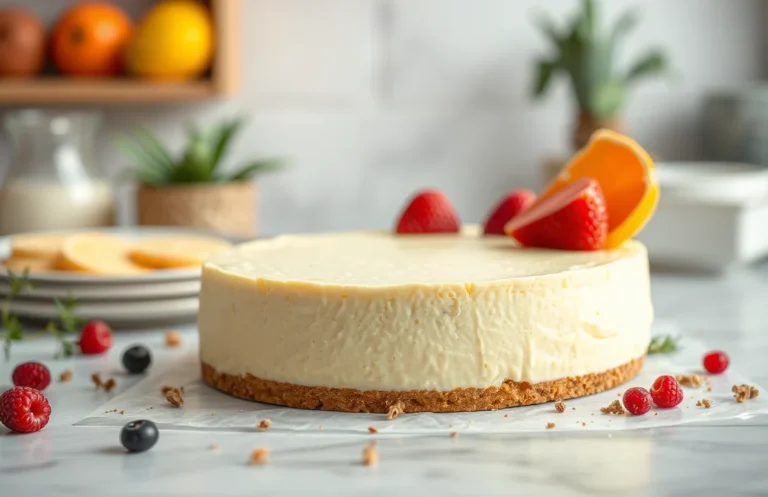
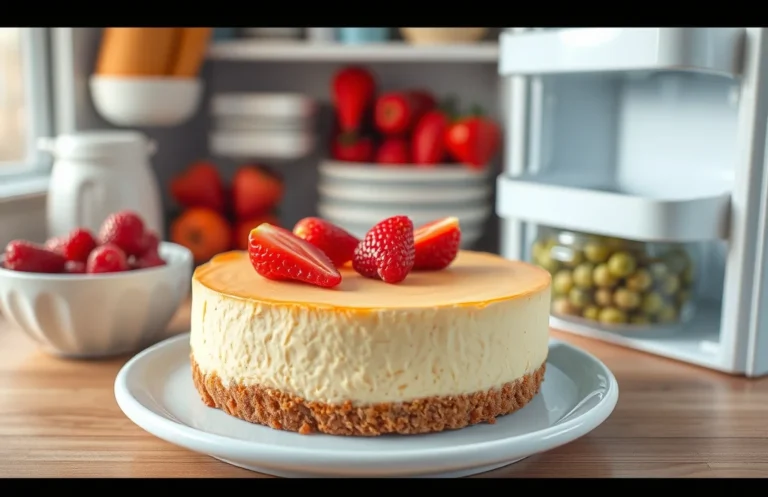
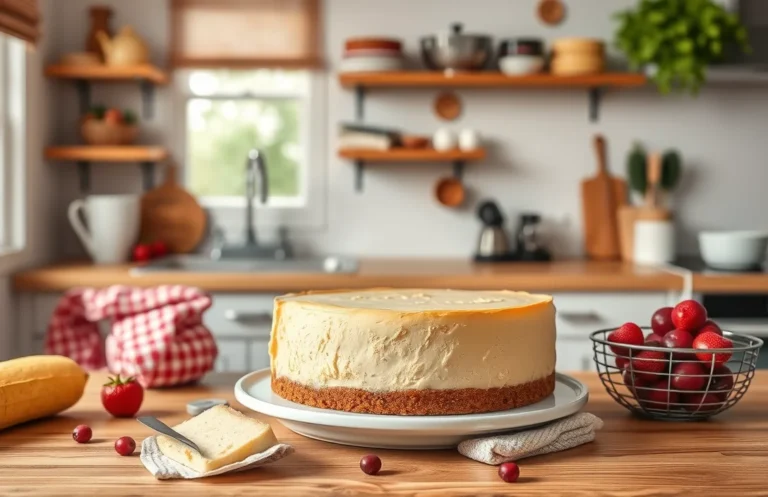
Cheesecake is that dreamy dessert that turns any meal into a celebration. Its creamy texture and sweet, rich flavor make it a favorite for gatherings and cozy nights in. With a crumbly crust and velvety filling, it’s hard to resist a slice, especially when topped with fresh berries or chocolate drizzle!
You’re about to learn whether cheesecake is safe during pregnancy. I’ll provide ingredient guidelines to avoid, alternative recipes that are safe to enjoy, and clear cooking instructions to follow. This cheesecake recipe is simple and reliable, perfect for a home cook.
| Prep Time | Cook Time | Total Time | Servings | Difficulty |
|---|---|---|---|---|
| 20 minutes | 60 minutes | 1 hour 20 minutes | 8 servings | Easy |
Cheesecake Origins and Significance
Cheesecake has a rich history that spans various cultures, making it a beloved dessert worldwide. Understanding its origins and cultural significance can provide insight into why this creamy delight holds a special place in celebrations and everyday life alike.
Cultural Variations
Cheesecake is not just one single recipe; it has evolved into many forms, each reflecting cultural nuances. Here are some notable variations:
- New York Style: Dense and creamy, made with cream cheese and often served plain or with fruit toppings.
- Italian Ricotta Cheesecake: Lighter, made with ricotta cheese, which lends a grainier texture and a distinct flavor.
- Japanese Cotton Cheesecake: Fluffy and airy, this version is often baked in a water bath for a moist texture.
Occasions for Serving
Cheesecake is a popular choice for various occasions, including:
- Birthdays: A classic birthday treat that can be customized with different flavors and decorations.
- Holidays: Often enjoyed during festive seasons, such as Christmas and Easter, reflecting family traditions.
- Weddings: Increasingly popular as a wedding cake alternative, offering a unique twist to dessert tables.
Pro tip: When serving cheesecake at gatherings, consider offering a variety of toppings like fresh fruits, chocolate shavings, or sauces to cater to different tastes.
As we consider cheesecake during pregnancy, it’s essential to be mindful of its ingredients and potential risks. The comforting nature of cheesecake, combined with its cultural importance, makes it a treat many expectant mothers may crave, leading us to explore its safety in the next section.
Ingredients to Avoid During Pregnancy
When considering cheesecake during pregnancy, it’s crucial to be aware of certain ingredients that can pose health risks. This section outlines key ingredients commonly found in traditional cheesecakes that should be avoided for safety reasons, ensuring you make informed choices.
| Item | Amount/Specification | Notes |
|---|---|---|
| Raw Eggs | Any | Raw or undercooked eggs can harbor Salmonella, which is harmful during pregnancy. |
| Certain Cheeses | Soft cheeses (e.g., Brie, Camembert) | Soft cheeses may be unpasteurized and can contain Listeria bacteria. |
| Alcohol | Any | Alcohol should be avoided, as it can harm fetal development. |
- Choose pasteurized dairy products: Always opt for cheeses and creams that are pasteurized to reduce risks.
- Avoid homemade recipes: Homemade cheesecakes may use raw eggs or unpasteurized ingredients; stick to commercial products that specify safety.
- Consult with your healthcare provider: If unsure about specific ingredients, it’s best to consult your doctor or a nutritionist.
Safe Cheesecake Ingredients List
When it comes to enjoying cheesecake during pregnancy, selecting the right ingredients is crucial for both safety and flavor. Below, you’ll find a complete list of safe ingredients that will help you create a delicious pregnancy-friendly cheesecake, ensuring you avoid any risks associated with raw eggs or unpasteurized products.
| Item | Amount/Specification | Notes |
|---|---|---|
| Cream Cheese | 16 ounces (450g) | Use pasteurized cream cheese to ensure safety. |
| Sugar | 1 cup (200g) | Granulated sugar works best for sweetness. |
| Vanilla Extract | 1 teaspoon (5ml) | Choose pure vanilla extract for the best flavor. |
| Eggs | 3 large | Use pasteurized eggs to avoid foodborne illness. |
| Crust Ingredients | 1 ½ cups graham cracker crumbs (150g) | Use pre-packaged or homemade crumbs. |
| Butter | ½ cup (115g) | Melted, unsalted butter for the crust. |
- Substitution Tip: For a gluten-free crust, use almond flour or gluten-free graham crackers.
- Flavor Boost: Add lemon zest for a fresh twist on your cheesecake!
- Common Mistake: Don’t overmix the cream cheese; it should be smooth but not whipped.
Essential Kitchen Equipment
Making cheesecake requires specific tools to ensure both safety and delicious results, especially during pregnancy. Using the right equipment helps you create a creamy, well-baked cheesecake while avoiding any potential risks associated with ingredients. Here’s a list of essential kitchen equipment that will make your cheesecake-making experience smooth and enjoyable.
| Item | Amount/Specification | Notes |
|---|---|---|
| Mixing Bowls | 2 large, stainless steel or glass | Non-reactive bowls prevent any chemical reactions with acidic ingredients. |
| Springform Pan | 9-inch (23 cm) | Allows easy removal of the cheesecake without damaging it. |
| Oven Thermometer | 1 | Ensures your oven is at the right temperature for baking. |
- Tip: Choose a high-quality springform pan to avoid leaking batter.
- Tip: Use glass or ceramic mixing bowls for better heat retention and mixing consistency.
- Tip: Always check your oven temperature with an oven thermometer as oven dials can be inaccurate.
Step-by-Step Cheesecake Instructions
This section provides detailed steps to prepare a delicious and safe cheesecake that is suitable for pregnant individuals. Following these precise instructions will ensure your cheesecake turns out perfectly while adhering to safety guidelines regarding ingredients.
- Preparing the Crust: Preheat your oven to 350°F (175°C). In a medium bowl, combine 1 ½ cups (150g) graham cracker crumbs with ½ cup (100g) granulated sugar and ½ cup (115g) unsalted butter, melted. Mix until the crumbs are well-coated and resemble wet sand. Press the mixture firmly into the bottom of a 9-inch (23cm) springform pan, creating an even layer. Bake for 8-10 minutes until golden brown and fragrant, then let it cool completely.
- Mixing the Filling: In a large mixing bowl, beat 24 ounces (680g) of cream cheese at room temperature with an electric mixer until smooth, about 2-3 minutes. Gradually add 1 cup (200g) granulated sugar and mix until fully incorporated. Scrape down the sides of the bowl, then add 3 large eggs, one at a time, mixing well after each addition. Finally, add 1 teaspoon vanilla extract and ½ cup (120ml) sour cream, mixing until smooth and creamy, with no lumps remaining.
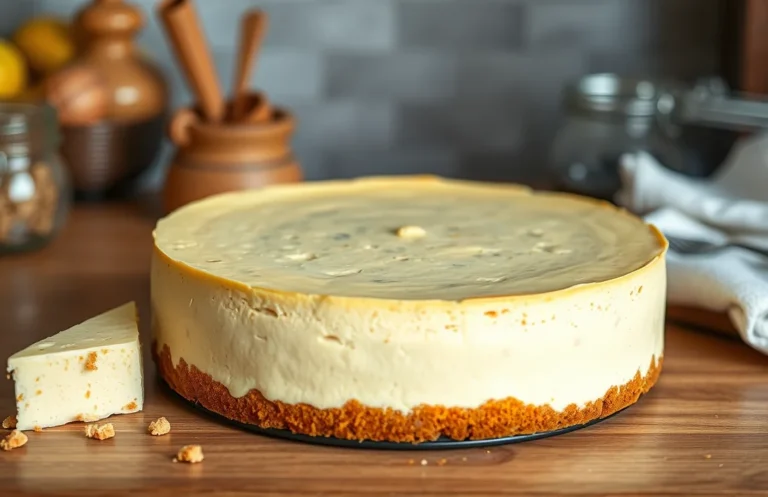
- Baking Process: Pour the filling onto the cooled crust, spreading it evenly with a spatula. Place the springform pan in the preheated oven and bake for 50-60 minutes. The cheesecake is done when the edges are set, and the center has a slight jiggle. Do not open the oven door during the first 40 minutes to prevent cracks. After baking, turn off the oven and let the cheesecake sit inside for 1 hour to cool gradually. This helps prevent cracking. Once cooled, refrigerate for at least 4 hours, preferably overnight, to set completely.
Pro Tips for Perfect Cheesecake
Creating the perfect cheesecake requires careful attention to detail, especially when considering the safety of ingredients during pregnancy. Avoiding common pitfalls can ensure a creamy texture and mitigate risks associated with certain ingredients.
Preventing Cracks
- Use Room Temperature Ingredients: Allow cream cheese, eggs, and sour cream to come to room temperature before mixing. This helps create a smooth batter and reduces the chance of cracking during baking.
- Don’t Overmix: Mix the batter until just combined to avoid incorporating too much air. Overmixing can lead to cracks as the cheesecake cools.
- Water Bath Method: Consider baking your cheesecake in a water bath. Wrap the springform pan in aluminum foil and place it in a larger pan filled with hot water. This gentle heat helps prevent cracks and allows for even cooking.
Cooling Tips
- Cool Gradually: After baking, turn off the oven and crack the door open. Let the cheesecake cool in the oven for about 1 hour. This gradual cooling process helps prevent temperature shock, which can cause cracks.
- Chill Before Serving: Once cooled to room temperature, refrigerate the cheesecake for at least 4 hours, preferably overnight. This allows the flavors to meld and the texture to set properly.
- Cover Properly: When chilling, cover the cheesecake loosely with plastic wrap to prevent moisture buildup. Moisture can lead to a soggy crust and affect the overall texture.
Cheesecake Variations for Pregnant Women
When it comes to enjoying cheesecake during pregnancy, there are delicious alternatives that cater to various dietary needs while ensuring safety. Here, we’ll explore gluten-free options and vegan cheesecake recipes that are both satisfying and safe for pregnant women.
Gluten-Free Options
For those with gluten sensitivities or celiac disease, gluten-free cheesecake can be easily made by substituting traditional crust ingredients. Try using gluten-free graham crackers or almond flour.
- 1 ½ cups gluten-free graham cracker crumbs (150g)
- ½ cup unsalted butter, melted (115g)
- 2 tablespoons sugar (25g)
Combine the crumbs, melted butter, and sugar in a bowl. Press the mixture firmly into the bottom of a 9-inch springform pan. Bake at 350°F (175°C) for 10 minutes until golden and fragrant. Let it cool completely before adding the filling.
Vegan Cheesecake
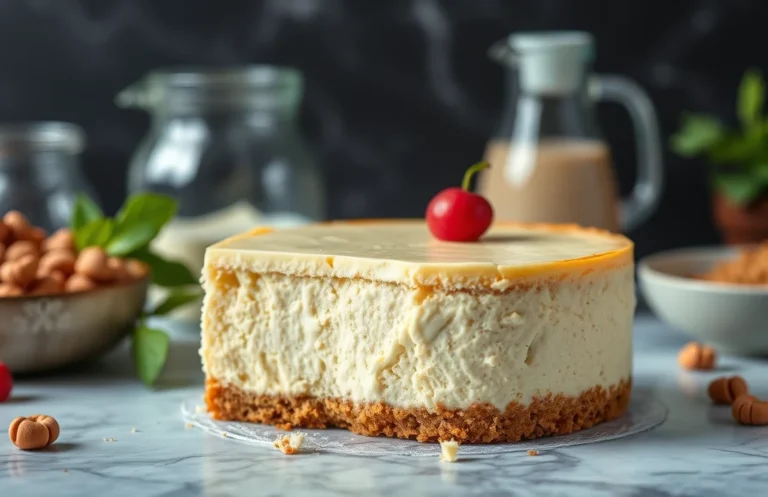
If you prefer a dairy-free option, vegan cheesecake is a fantastic choice. Instead of cream cheese, use soaked cashews for a creamy texture without the dairy.
- 2 cups raw cashews, soaked for at least 4 hours
- ½ cup coconut milk (120ml)
- ½ cup maple syrup (120ml)
- 2 tablespoons lemon juice (30ml)
- 1 teaspoon vanilla extract
Drain and rinse the soaked cashews, then blend them with coconut milk, maple syrup, lemon juice, and vanilla extract until smooth and creamy. Pour the mixture over your prepared crust and smooth the top. Refrigerate for at least 4 hours to set.
Chef’s tip: Always taste the filling before pouring it into the crust; you can adjust sweetness or acidity as needed!
These variations not only provide safe options during pregnancy but also ensure you enjoy the delightful flavors of cheesecake without compromise.
Serving and Pairing Suggestions
When it comes to enjoying cheesecake during pregnancy, the way you serve it can elevate the experience while keeping it safe and delicious. Here are some delightful garnishes and beverage pairings that complement your cheesecake perfectly.
Fruit Toppings
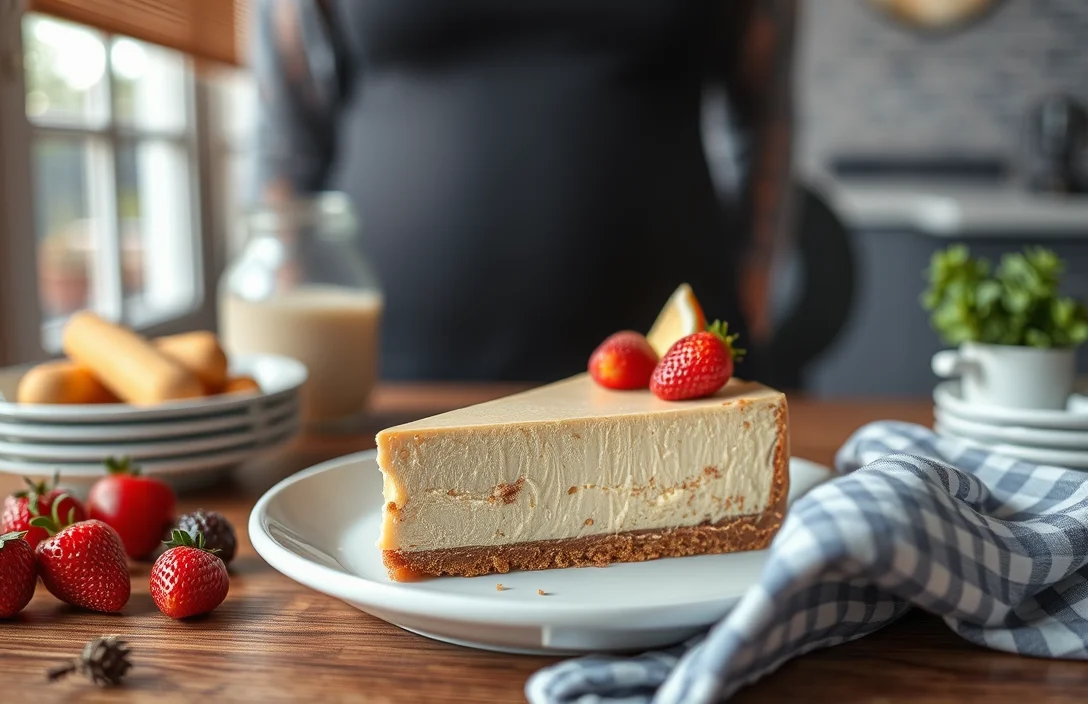
Adding fresh fruit not only enhances the flavor but also boosts the nutritional value of your cheesecake. Opt for pasteurized fruit toppings to ensure safety during pregnancy. Here are some excellent choices:
- 1 cup fresh strawberries, hulled and sliced
- 1 cup blueberries
- 1 cup raspberries
- 1 cup chopped mango
To prepare the fruit topping, simply wash the fruit thoroughly and slice it if needed. Arrange it beautifully on top of the cheesecake just before serving. The vibrant colors will make your dessert visually appealing!
Beverage Pairings
Pairing your cheesecake with the right beverage can enhance its flavors. Here are a few safe and delicious options:
- Herbal Tea: Chamomile or peppermint tea served warm can provide a soothing complement to your cheesecake.
- Sparkling Water: A refreshing bubbly drink adds a nice contrast to the creamy texture of the cheesecake.
- Non-Alcoholic Wine: Many brands offer non-alcoholic versions that can mimic the taste of wine without the alcohol content.
Chef’s tip: Serve your cheesecake chilled for the best texture and flavor. It should have a creamy consistency and firm structure without being overly soft.
| Beverage | Flavor Profile |
|---|---|
| Herbal Tea | Warm, calming, mildly sweet |
| Sparkling Water | Refreshing, crisp, slightly tart |
| Non-Alcoholic Wine | Fruity, rich, complex |
By incorporating these serving suggestions, you can enjoy your cheesecake safely and deliciously during pregnancy, making every bite a comforting experience.
Quick Summary
| Prep Time | Cook Time | Total Time | Servings |
|---|---|---|---|
| 20 minutes | 1 hour | 1 hour 20 minutes | 8 servings |
- Use pasteurized ingredients: Ensure cream cheese and eggs are pasteurized to avoid foodborne illness.
- Check the crust: Bake the graham cracker crust for 10 minutes at 350°F for extra stability.
- Cool properly: Let the cheesecake cool in the oven with the door ajar to prevent cracking.
- Chill before serving: Refrigerate for at least 4 hours or overnight for best texture.
- Limit portions: Enjoy in moderation; cheesecake is rich and high in calories.
Frequently Asked Questions
Can I make cheesecake ahead of time during pregnancy?
Yes, you can make cheesecake ahead of time and it will stay fresh in the fridge for up to 5 days. Just cover it tightly with plastic wrap or store it in an airtight container.
What can I substitute for cream cheese in cheesecake?
You can substitute cream cheese with mascarpone cheese for a similar texture and flavor. If you’re looking for a lower-fat option, use Greek yogurt, but it may alter the taste slightly.
How do I know when the cheesecake is done baking?
Your cheesecake is done when the edges are set and the center has a slight jiggle, which usually takes about 50-60 minutes at 325°F (163°C). It will firm up as it cools, so don’t worry if it looks a bit soft in the middle.
Can I freeze cheesecake while pregnant? How long does it last?
Yes, you can freeze cheesecake for up to 3 months, but make sure to wrap it well in plastic wrap and then aluminum foil to prevent freezer burn. Thaw it overnight in the refrigerator before serving.
What if I don’t have a springform pan for my cheesecake?
If you don’t have a springform pan, you can use a regular round cake pan lined with parchment paper to help with removal. Just make sure to let it cool completely before trying to take it out.

- Make Cheesecake Up to 3 Days Ahead: Tips for Best Flavor & Texture - March 4, 2026
- Easy No-Bake Cool Doen Cheesecake: Quick Recipe & Tips - March 4, 2026
- Decadent Dulce de Leche Cheesecake: Easy Step-by-Step Recipe - March 4, 2026