Is Cheesecake Safe for Pregnant Women? Tips & Recipes Inside
Cheesecake is one of those irresistible desserts that can turn an ordinary day into a special occasion. Creamy, rich, and perfectly sweet, it’s a classic favorite that brings joy to any gathering or cozy night in. Picture a slice with a buttery graham cracker crust, melting in your mouth — can you taste it?
Wondering if you can indulge during pregnancy? You’re in luck! This guide covers whether cheesecake is safe for pregnant women, highlighting key risks and nutritional considerations. Plus, I’ll share 2-3 tested recipes that use only safe ingredients.
| Prep Time | Cook Time | Total Time | Servings | Difficulty |
|---|---|---|---|---|
| 20 minutes | 60 minutes | 80 minutes | 8 | Medium |
Cheesecake Origins and Significance
Cheesecake has a rich history that reflects its cultural significance across various celebrations and traditions. Understanding its origins and the variations it has inspired can provide valuable context for those wondering about its safety for pregnant women.
Historical Background
Cheesecake’s roots can be traced back to ancient Greece, where it was made with simple ingredients: cheese, flour, and honey. It was consumed by athletes during the first Olympic Games in 776 B.C. Over centuries, it evolved through different regions, leading to diverse recipes.
- Ancient Greece: The earliest known cheesecake recipe.
- Roman Influence: Romans modified the recipe by adding eggs and baking it, creating a denser texture.
- Modern Variations: The New York-style cheesecake, made with cream cheese, emerged in the 19th century and is now a global favorite.
Cultural Variations
Cheesecake takes on many forms around the world, making it a dessert beloved in various cultures:
- Japanese Cheesecake: Light and fluffy, often soufflé-like in texture.
- Italian Ricotta Cheesecake: Made with ricotta cheese, offering a grainier texture and unique flavor.
- German Käsekuchen: A custard-like cheesecake made with quark, often lighter than the American variety.
Chef’s tip: Each region’s cheesecake reflects local ingredients and baking traditions, making it a true cultural delight.
Ingredients for Safe Cheesecake
When preparing cheesecake for pregnant women, it’s essential to choose safe ingredients that are pasteurized and free from harmful bacteria. This section lists the key ingredients and their specific amounts to ensure a delicious and safe cheesecake.
| Item | Amount/Specification | Notes |
|---|---|---|
| Cream Cheese | 16 ounces (450g), full-fat | Choose pasteurized cream cheese for safety. |
| Sugar | ¾ cup (150g) | Granulated sugar works best. |
| Graham Cracker Crust | 1 ½ cups (150g) crushed graham crackers | Ensure they are made with safe, pasteurized ingredients. |
| Butter | ½ cup (115g), unsalted | Melted for the crust. |
| Eggs | 3 large, pasteurized | Vital for texture; use pasteurized eggs to avoid risk. |
| Vanilla Extract | 1 teaspoon | Ensure it’s alcohol-free if preferred. |
| Lemon Juice | 2 tablespoons, fresh | Adds flavor; ensure it’s pasteurized if not fresh. |
- Tip: Always check labels to confirm pasteurization.
- Avoid unpasteurized dairy products or ingredients.
- If allergies are a concern, consider using gluten-free graham crackers.
Essential Kitchen Equipment
Before you dive into making a cheesecake, it’s essential to gather the right tools that will ensure your recipe turns out perfect. Having the correct equipment not only makes the process smoother but also helps avoid common pitfalls, especially when aiming for a safe cheesecake suitable for pregnant women.
- Mixing Tools: You’ll need a large mixing bowl and a hand mixer or stand mixer. A hand mixer is more portable, but a stand mixer can save time and effort. Aim to mix your cream cheese until it’s smooth and free of lumps, which should take about 2-3 minutes on medium speed.
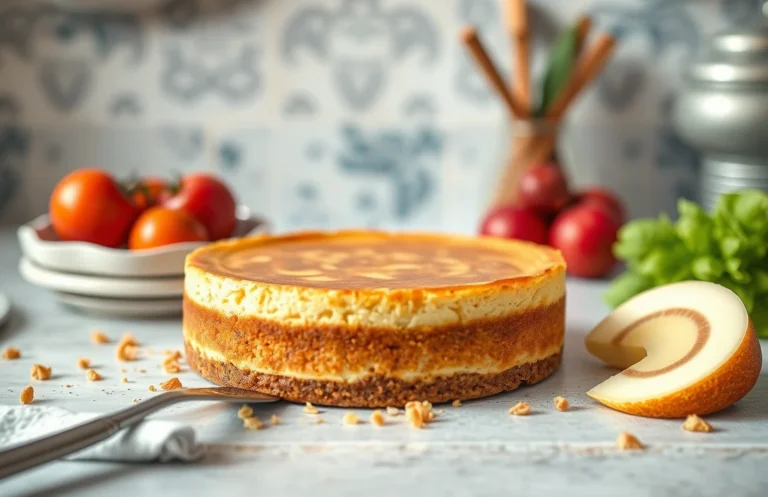
- Baking Dish: Choose a 9-inch (23 cm) springform pan for easy removal of your cheesecake. This type of pan allows you to release the sides without damaging the cake. Be sure to grease the bottom and sides lightly with butter or non-stick spray to prevent sticking.
- Cooling Rack: A cooling rack is necessary for allowing your cheesecake to cool evenly after baking. Set it on a stable surface and place the cheesecake on it after it comes out of the oven. Let it cool for at least 1 hour before refrigerating; this helps prevent cracks in the surface of your cheesecake.
Step-by-Step Cheesecake Recipe
This section provides clear, detailed instructions on how to prepare and bake a safe cheesecake for pregnant women, ensuring it’s free from harmful ingredients. Following these steps will help you create a delicious, creamy cheesecake while considering nutritional safety.
Preparation Steps
- Begin by preheating your oven to 325°F (160°C). This temperature allows the cheesecake to bake evenly without cracking. Prepare a 9-inch springform pan by greasing it lightly with butter or cooking spray.
- In a mixing bowl, combine 1 ½ cups (150g) of graham cracker crumbs, ⅓ cup (40g) of granulated sugar, and ½ cup (115g) of melted butter. Stir until the mixture resembles wet sand. Press this crust mixture firmly into the bottom of the prepared pan to create an even base.
- For the filling, beat together 24 ounces (680g) of softened cream cheese and 1 cup (200g) of granulated sugar until smooth and creamy, about 2-3 minutes. You want it to be fluffy with no lumps, which ensures a creamy texture in the final product.
- Add 3 large eggs, one at a time, mixing on low speed just until incorporated. Over-mixing can introduce air, leading to cracks in your cheesecake. Then add 1 teaspoon of vanilla extract and ½ cup (120ml) of sour cream for extra richness.
Baking Instructions
- Pour the cheesecake filling over the prepared crust in the springform pan. Smooth the top with a spatula to create an even surface. Tap the pan gently on the counter to remove any air bubbles.
- Bake the cheesecake in the preheated oven for 55-60 minutes. The edges should look set while the center remains slightly jiggly. Do not open the oven door during the first 30 minutes to prevent sinking.
Cooling Process
- Once baked, turn off the oven and crack the oven door open, letting the cheesecake cool slowly for about 1 hour. This gradual cooling will help prevent cracks.
- Afterward, remove the cheesecake from the oven and refrigerate it for at least 4 hours, preferably overnight. This chilling time allows the flavors to meld and the texture to firm up.
Always remember, for pregnant women, ensure all ingredients are pasteurized and safe to consume. You can substitute cream cheese with a non-dairy alternative if needed. Enjoy your cheesecake with peace of mind!
Pro Tips for Perfect Cheesecake
Creating a cheesecake that’s both delicious and safe for pregnant women involves a few important tricks. This section focuses on avoiding common pitfalls, achieving the right texture, and balancing flavors to ensure your cheesecake is both satisfying and safe to enjoy.
Avoiding Cracks
Cracks in your cheesecake can happen for various reasons, and preventing them is key to a beautiful presentation.
- Temperature Matters: Bake your cheesecake at a low temperature of 325°F (160°C). High temperatures can cause the cheesecake to rise too quickly and crack.
- Water Bath: Use a water bath by placing your cheesecake pan inside a larger pan filled with hot water. This helps maintain even cooking and moisture.
- Don’t Overmix: Mix your filling gently until just combined. Overmixing can incorporate too much air, which leads to cracks.
Texture Tips
The texture of your cheesecake should be creamy and smooth. Here’s how to achieve that:
- Use room temperature ingredients: Ensure your cream cheese, eggs, and sour cream are at room temperature before mixing; this helps create a lump-free batter.
- Blend until smooth: Whisk the filling thoroughly until it is completely smooth and velvety, about 3-4 minutes.
Flavor Balancing
A well-balanced cheesecake enhances the overall flavor profile. Consider these tips:
- Sweetness: Aim for about ¾ cup granulated sugar (150g) for a 9-inch cheesecake. Adjust based on personal preference.
- Acidity: Incorporating 1 tablespoon of lemon juice can brighten the flavors without overpowering the cheesecake.
Chef’s tip: If adding flavors like chocolate or fruit, adjust the sugar accordingly to maintain balance.
Cheesecake Variations and Substitutions
When considering cheesecake for pregnant women, it’s essential to explore variations and substitutions that cater to dietary needs. This ensures not only safety but also enjoyment, accommodating different preferences and restrictions.
Gluten-Free Options
For those needing gluten-free cheesecake, you can easily substitute traditional crust ingredients. Here’s a simple gluten-free crust recipe:
- 1 ½ cups gluten-free graham cracker crumbs (150g)
- ½ cup unsalted butter, melted (115g)
- 2 tablespoons sugar (25g)
Mix all ingredients until crumbly, then press firmly into a 9-inch springform pan. Bake at 350°F (175°C) for 8-10 minutes, until lightly golden. This crust will provide a delicious foundation for your cheesecake without gluten.
Vegan Alternatives
If you’re looking for a vegan cheesecake option, consider using cashews as a base. Soak 1 ½ cups raw cashews (225g) for at least 4 hours, then drain and blend with:
- ½ cup coconut cream (120ml)
- ⅓ cup maple syrup (100ml)
- 2 tablespoons lemon juice (30ml)
Blend until smooth and creamy, then pour into your prepared crust. Chill in the refrigerator for at least 4 hours before serving. This will give you a rich and satisfying dessert that’s dairy-free and safe for pregnant women.
Flavor Variations
To enhance your cheesecake, consider these flavor variations:
- Chocolate: Add ½ cup melted dark chocolate (90g) to the filling.
- Fruit: Swirl in 1 cup berry puree (240ml) before baking for a fruity twist.
- Caramel: Drizzle ½ cup caramel sauce (120ml) over the top before serving.
Chef’s tip: Always taste your filling before baking. Adjust sweetness or acidity as needed to suit your preference.
| Ingredient | Amount |
|---|---|
| Gluten-Free Crust | 1 ½ cups crumbs, ½ cup butter, 2 tbsp sugar |
| Vegan Filling | 1 ½ cups cashews, ½ cup coconut cream, ⅓ cup maple syrup, 2 tbsp lemon juice |
Serving and Plating Suggestions
Presenting cheesecake in an appealing way enhances the overall dining experience, especially for pregnant women who may be more sensitive to flavors and textures. Here are some suggestions for garnishes, beverage pairings, and ideal serving temperatures to make your cheesecake shine.
- Garnishes: Top your cheesecake with a fresh fruit compote made from 1 cup of mixed berries, simmered with 2 tablespoons of sugar until thickened. You can also drizzle a homemade chocolate sauce made from ½ cup of semi-sweet chocolate chips melted with 2 tablespoons of heavy cream for a decadent touch. A sprinkle of finely grated lemon zest can add brightness and freshness.
- Pairing Beverages: Serve your cheesecake with a refreshing herbal tea, like chamomile or peppermint, which can aid digestion. For a non-caffeinated option, consider a sparkling water with a splash of fresh lemon juice. If you prefer something warmer, a warm milk with a hint of vanilla can complement the creamy richness of the cheesecake beautifully.
- Serving Temperature: Cheesecake is best served chilled, so refrigerate it for at least 4 hours before serving. Aim for a temperature of around 40°F (4°C) for optimal flavor and texture. Serve slices directly from the fridge, but allow them to sit out for about 10 minutes before serving to soften slightly, making them easier to cut and enhancing the flavors.
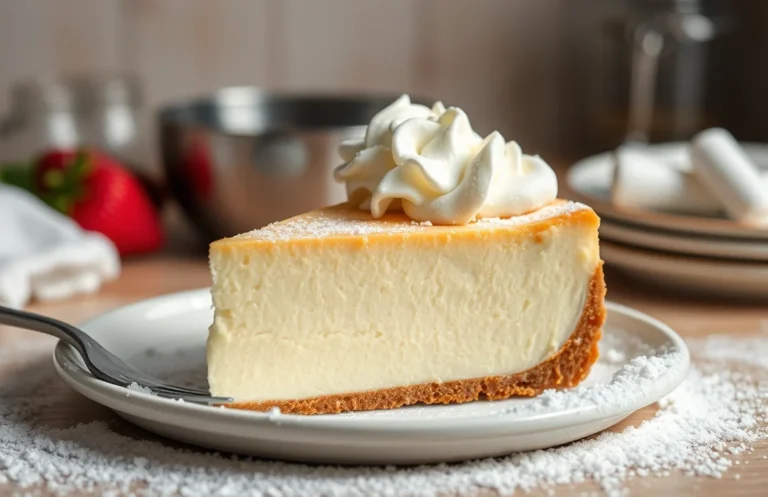
Chef’s tip: Use a hot knife to slice your cheesecake for clean edges—run a knife under hot water, wipe it dry, and then slice!
Quick Summary
| Prep Time | 20 minutes |
|---|---|
| Cook Time | 60 minutes |
| Total Time | 1 hour 20 minutes |
| Servings | 8 |
- Use pasteurized cream cheese: This is safe for pregnant women.
- Ensure eggs are fully cooked: Bake at 325°F for 60 minutes.
- Cool gradually: Prevents cracks by leaving in the oven after baking.
- Chill before serving: Refrigerate for at least 4 hours for best texture.
- Opt for a graham cracker crust: Simple and safe option.
Frequently Asked Questions
Can pregnant women have cheesecake?
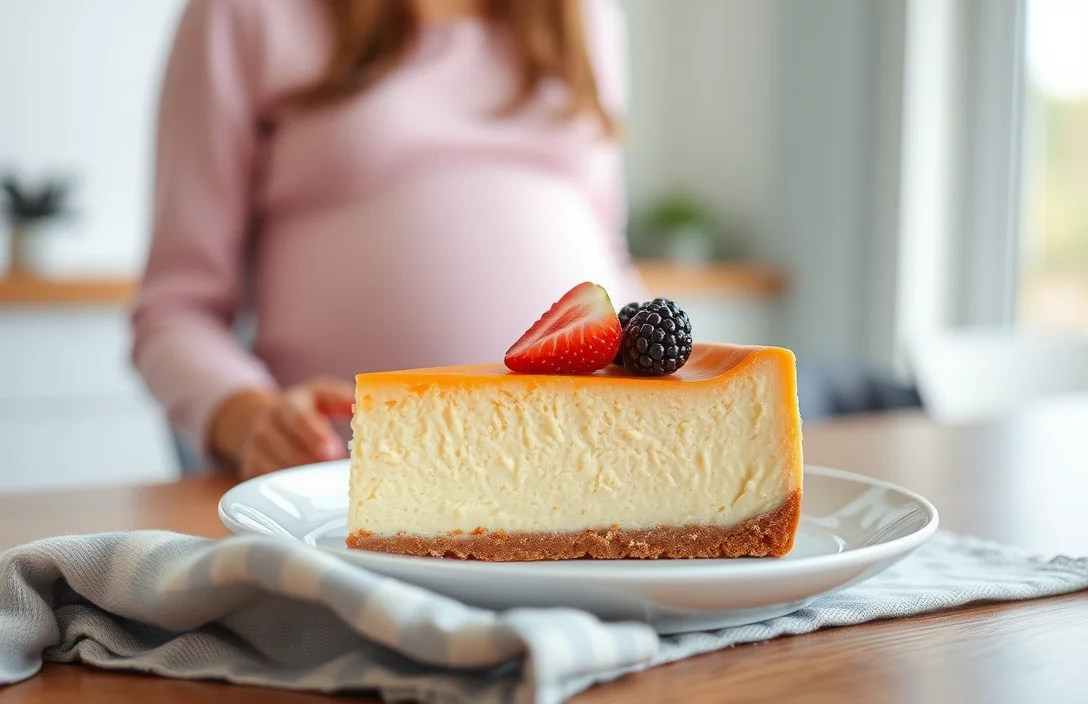
Yes, pregnant women can have cheesecake, but it’s important to ensure it is made with pasteurized cream cheese to avoid any risk of listeria.
Can I make this ahead of time? How to store and reheat?
You can make cheesecake up to 3 days ahead of time and store it covered in the refrigerator. Reheat it gently in the oven at a low temperature if you prefer it warm, but it’s delicious served cold as well.
What can I substitute for the cream cheese?
If you’re looking for a substitute, you can use ricotta cheese or mascarpone cheese, but the texture and flavor will be slightly different. Make sure whichever option you choose is also pasteurized.
Can I freeze this? How long does it last?
You can freeze cheesecake for up to 2 months, but wrap it tightly in plastic wrap and then aluminum foil to prevent freezer burn. Just remember to thaw it in the refrigerator overnight before serving.
What if I don’t have a springform pan?
If you don’t have a springform pan, you can use a regular pie dish, just be sure to line it with parchment paper for easier removal after baking. The baking time might vary slightly, so keep an eye on it!

- Decadent Peanut Butter No-Bake Cheesecake: Easy Recipe to Indulge - April 3, 2026
- Delicious Mango No-Bake Cheesecake: Step-by-Step Recipe - April 3, 2026
- Decadent Raspberry No-Bake Cheesecake: Easy Step-by-Step Recipe - April 3, 2026