Italian Cheesecake Origins: Discover Authentic Recipes & History
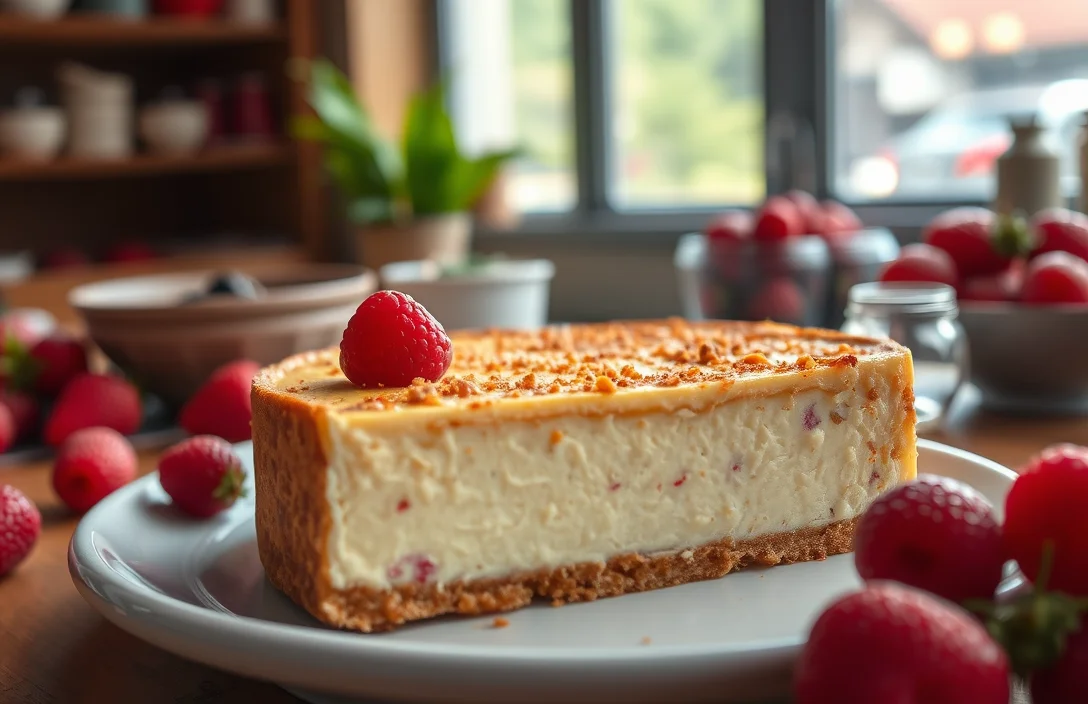
If you’ve ever indulged in the silky, creamy delight of cheesecake, you know it’s more than just dessert; it’s a celebration on a plate! Italian cheesecake, particularly the ricotta version, offers a lightness and richness that makes it the perfect finish to any meal. Each slice is a little slice of heaven that’s simply irresistible.
Get ready for an authentic Italian cheesecake experience with this recipe featuring total time: 1 hour, difficulty level: easy, and servings: 8. You’ll love how the creamy ricotta pairs with a buttery crust, all coming together in a beautifully golden dessert that’s sure to impress.
| Prep Time | 20 minutes |
|---|---|
| Cook Time | 40 minutes |
| Total Time | 1 hour |
| Servings | 8 |
| Difficulty | Easy |
Cheesecake Origins in Italy
Understanding the roots of cheesecake reveals a delicious history that intertwines with Italian culinary traditions. This section explores the historical background and cultural significance of cheesecake in Italy, shedding light on whether it truly originated from this beautiful country.
- Historical Background: Cheesecake’s origins can be traced back to ancient Greece, where it was made with simple ingredients like cheese and honey. However, it was the Romans who adapted this dish, bringing it to Italy and incorporating local ingredients. The Italian version began to take shape in the Middle Ages, where ricotta cheese became a staple component, giving it the creamy texture we associate with Italian cheesecake today.
- Cultural Significance: In Italy, cheesecake is not just a dessert; it is a part of family gatherings and celebrations. Often enjoyed during holidays or special occasions, the Italian cheesecake symbolizes hospitality and tradition. Each region boasts its own variation, with unique flavors and ingredients that reflect local tastes and customs, further embedding it into the cultural fabric of Italian life.
Ingredients for Italian Cheesecake
Creating an authentic Italian cheesecake requires specific ingredients that highlight its rich flavors and textures. The primary ingredient is ricotta cheese, which gives the cheesecake its unique creaminess and lightness. Here’s a detailed list of what you’ll need to make this delightful dessert.
| Item | Amount/Specification | Notes |
|---|---|---|
| Ricotta cheese | 2 cups (500g) | Use whole milk ricotta for creaminess. |
| Granulated sugar | ¾ cup (150g) | Adjust to taste if you prefer a sweeter cheesecake. |
| Eggs | 3 large | Room temperature for better incorporation. |
| Vanilla extract | 1 teaspoon | Pure vanilla extract enhances flavor. |
| Lemon zest | 1 tablespoon | Adds a refreshing brightness. |
| Graham cracker crumbs | 1 ½ cups (150g) | For the crust, use finely crushed crumbs. |
| Unsalted butter | ½ cup (115g) | Melted, to bind the crust. |
| Salt | ¼ teaspoon | Balances sweetness. |
- For a gluten-free option, substitute graham cracker crumbs with almond flour.
- Make sure the ricotta is well-drained to avoid a watery filling; you can place it in a cheesecloth for 30 minutes.
- Use organic eggs for the best flavor and quality.
Essential Kitchen Equipment
To create a delightful Italian cheesecake, having the right kitchen tools can make all the difference. This section outlines the essential equipment needed for preparation and baking, ensuring that your cheesecake turns out perfectly every time.
- 9-inch Springform Pan: This is essential for baking cheesecake, as it allows for easy removal without damaging the delicate dessert. Make sure it’s well-greased with butter or cooking spray to prevent sticking.
- Mixing Bowls: You’ll need a large mixing bowl for combining the cream cheese and other ingredients. Opt for a sturdy glass or stainless steel bowl that can withstand mixing at various speeds.
- Electric Mixer: A hand or stand mixer is ideal for achieving a smooth and creamy filling. Beat the cream cheese on medium speed until it’s completely smooth to avoid lumps.
- Rubber Spatula: This handy tool is perfect for folding in ingredients and scraping down the sides of your mixing bowl. Use it to gently incorporate whipped cream or egg whites into the batter.
- Measuring Cups and Spoons: Accurate measurements are crucial for the perfect cheesecake. Ensure you have a set for both dry and liquid ingredients, including a kitchen scale for precise weight if needed.
- Oven Thermometer: Ovens can often be inaccurate, so using a thermometer will help ensure you bake your cheesecake at the correct temperature of 325°F (163°C).
- Cooling Rack: Once baked, your cheesecake needs to cool slowly. A cooling rack allows for even airflow around the cake, helping to prevent cracks.
Chef’s tip: Always preheat your oven before placing the cheesecake inside to ensure even baking.
Step-by-Step Baking Instructions
This section will guide you through the precise steps to create an authentic Italian cheesecake, focusing on mixing the ingredients and the baking process. Following these instructions will ensure your cheesecake turns out creamy and delicious, with that classic Italian flavor profile.
Mixing Ingredients
- Preheat your oven to 350°F (175°C). This is essential for achieving a properly baked cheesecake. While the oven warms up, prepare your crust.
- In a medium bowl, combine 1 ½ cups (150g) of crushed graham crackers with ¼ cup (50g) of granulated sugar and ½ cup (115g) of melted unsalted butter. Mix until the crumbs are evenly coated and resemble wet sand.
- Press the mixture evenly into the bottom of a 9-inch (23cm) springform pan, creating a firm layer. Use the back of a measuring cup to pack it tightly. Bake the crust for 10 minutes, then let it cool while you prepare the filling.
Baking Process
- In a large mixing bowl, beat 24 ounces (680g) of cream cheese at room temperature until smooth and creamy, about 2-3 minutes. Scrape down the sides of the bowl frequently to ensure even mixing.
- Add 1 cup (200g) of granulated sugar and 1 teaspoon of vanilla extract to the cream cheese, and beat until fully combined. The mixture should be fluffy and light, with no lumps remaining.
- In a separate bowl, whisk together 3 large eggs until just blended. Gradually add the eggs to the cream cheese mixture, mixing on low speed until just combined. Avoid overmixing to prevent cracks in your cheesecake.
- Pour the filling over the cooled crust and spread it evenly. Bake for 50-60 minutes, or until the edges are set and the center has a slight jiggle. Do not open the oven door during the first 30 minutes to maintain a consistent temperature.
- Once baked, turn off the oven and leave the cheesecake inside for an additional hour to prevent it from cracking as it cools. After an hour, remove it from the oven and let it cool completely at room temperature.
Pro Tips and Common Mistakes
This section focuses on avoiding common pitfalls when making Italian cheesecake and achieving the perfect texture. By following these tips, you can create a smooth, creamy cheesecake without cracks and ensure it captures the authentic flavors of Italy.
- Avoiding Cracks: To prevent cracks on the surface of your cheesecake, make sure to bake it in a water bath. Wrap the bottom of your springform pan with aluminum foil to prevent water from seeping in, and place it in a larger pan filled with hot water. Bake at 325°F (160°C) for about 60-70 minutes, or until the edges are set but the center still jiggles slightly. Let it cool gradually in the oven with the door slightly ajar to avoid temperature shocks.
- Texture Tips: For a velvety texture, use room temperature ingredients. Make sure your cream cheese (about 16 oz or 450g) and eggs are at room temperature to blend smoothly. After mixing, avoid overbeating the batter; just combine until smooth to prevent incorporating too much air, which can lead to cracks while baking. The finished batter should be thick but pourable, resembling a thick pancake batter.
- Cooling Properly: Once baked, allow your cheesecake to cool to room temperature before refrigerating. Rapid cooling can cause cracks. After it reaches room temperature, cover it loosely with plastic wrap and refrigerate for at least 4 hours, or overnight. This helps set the filling and enhances the flavors.
- Ingredient Quality: Use high-quality ingredients for the best flavor. Opt for full-fat cream cheese and fresh ricotta (about 1 cup or 250g), as these will give your cheesecake its rich, creamy texture. Avoid low-fat alternatives, as they can compromise the taste and texture.
Variations and Substitutions
This section covers delicious variations of traditional Italian cheesecake, as well as substitutions that cater to specific dietary needs, so everyone can enjoy this classic dessert. Whether you’re gluten-free or vegan, there are options to satisfy your cravings without compromising on flavor or texture.
Gluten-Free Options
If you’re looking to enjoy a gluten-free Italian cheesecake, simply replace the traditional graham cracker crust with a gluten-free alternative. Here’s a quick gluten-free crust recipe:
- 1 ½ cups gluten-free cookie crumbs (about 120g)
- ⅓ cup granulated sugar (65g)
- ½ cup unsalted butter, melted (113g)
Mix these ingredients until combined, press into a 9-inch springform pan, and bake at 350°F (175°C) for 10 minutes until slightly golden. Let it cool before adding the filling.
Vegan Alternatives
For those following a vegan diet, you can create a delicious cheesecake using plant-based ingredients. Here’s a simple recipe for a vegan cheesecake filling:
- 1 ½ cups raw cashews, soaked for 4-6 hours (225g)
- ⅓ cup coconut cream (80g)
- ½ cup maple syrup (120ml)
- 1 tablespoon vanilla extract
Blend all ingredients in a food processor until smooth and creamy. Pour over your prepared crust (gluten-free or regular) and chill for at least 4 hours until set.
Chef’s tip: Ensure your cashews are soaked well for a creamy texture, and taste the filling before pouring it into the crust to adjust sweetness if needed.
| Dietary Need | Substitution |
|---|---|
| Gluten-Free | Use gluten-free cookie crumbs for the crust. |
| Vegan | Replace cream cheese with blended soaked cashews and coconut cream. |
Serving and Plating Ideas
Serving Italian cheesecake is just as important as making it, as presentation enhances the overall experience. Here are some creative garnishing ideas and pairing suggestions that will elevate your cheesecake from simple to spectacular.
Garnishing Ideas
- Top your cheesecake with a fresh fruit compote made from 1 cup of mixed berries, such as strawberries, blueberries, and raspberries. Simmer them with 2 tablespoons of sugar until they break down and become syrupy, about 5-7 minutes.
- For a classic look, dust the top of the cheesecake with powdered sugar using a fine sieve just before serving. This adds an elegant touch and a hint of sweetness.
- Add a dollop of whipped cream on each slice before serving. To make whipped cream, beat 1 cup of heavy cream with 2 tablespoons of sugar until soft peaks form, which should take about 3-5 minutes.
Pairing Suggestions
- Serve your cheesecake alongside a strong espresso or a rich cup of Italian coffee. The bitterness of the coffee perfectly complements the creamy sweetness of the cheesecake.
- A glass of dessert wine, like Vin Santo or Moscato, pairs beautifully with cheesecake. Their fruity notes enhance the flavors of the dessert.
- Consider offering a side of chocolate or caramel sauce for drizzling. A simple sauce can be made by melting ½ cup of chocolate chips with 2 tablespoons of cream over low heat until smooth.
Quick Summary
| Prep Time | 20 minutes |
|---|---|
| Cook Time | 60 minutes |
| Total Time | 1 hour 20 minutes |
| Servings | 8 |
- Choose the right cheese: Use creamy ricotta for authentic Italian texture.
- Preheat your oven: Set to 325°F (160°C) for even cooking.
- Chill before serving: Refrigerate for at least 4 hours to set properly.
- Watch the water bath: Ensure the pan is tightly sealed to avoid water seepage.
- Top with fresh fruits: Enhance flavor and presentation with seasonal fruits.
Frequently Asked Questions
Can I make this ahead of time? How to store and reheat?
You can make cheesecake up to 2 days ahead of time and store it in the refrigerator, covered tightly with plastic wrap. Just serve it chilled straight from the fridge for the best texture and flavor.
What can I substitute for the cream cheese?
If you’re looking for a substitute, you can use mascarpone cheese for a richer flavor, or Greek yogurt for a lighter option. Just keep in mind that the texture may vary slightly depending on what you choose.
How do I know when it’s done?
Your cheesecake is done when the edges are set, but the center still has a slight jiggle — it will firm up as it cools. Typically, it should bake at 325°F (160°C) for about 50-60 minutes.
Can I freeze this? How long does it last?
Yes, you can freeze cheesecake for up to 2 months, but make sure to wrap it tightly in plastic wrap and aluminum foil. Thaw it overnight in the refrigerator before serving for the best results.
Why did my cheesecake turn out cracked?
Your cheesecake may crack due to sudden temperature changes, so avoid opening the oven door frequently while baking. To prevent this, bake it in a water bath and ensure your cream cheese is at room temperature before mixing.

- 10 Best Cheese Knife With Holes For Smooth Slice 2026 - March 9, 2026
- Make Cheesecake Up to 3 Days Ahead: Tips for Best Flavor & Texture - March 4, 2026
- Easy No-Bake Cool Doen Cheesecake: Quick Recipe & Tips - March 4, 2026