Is There Gluten in Cheesecake? Gluten-Free Tips and Recipes Inside
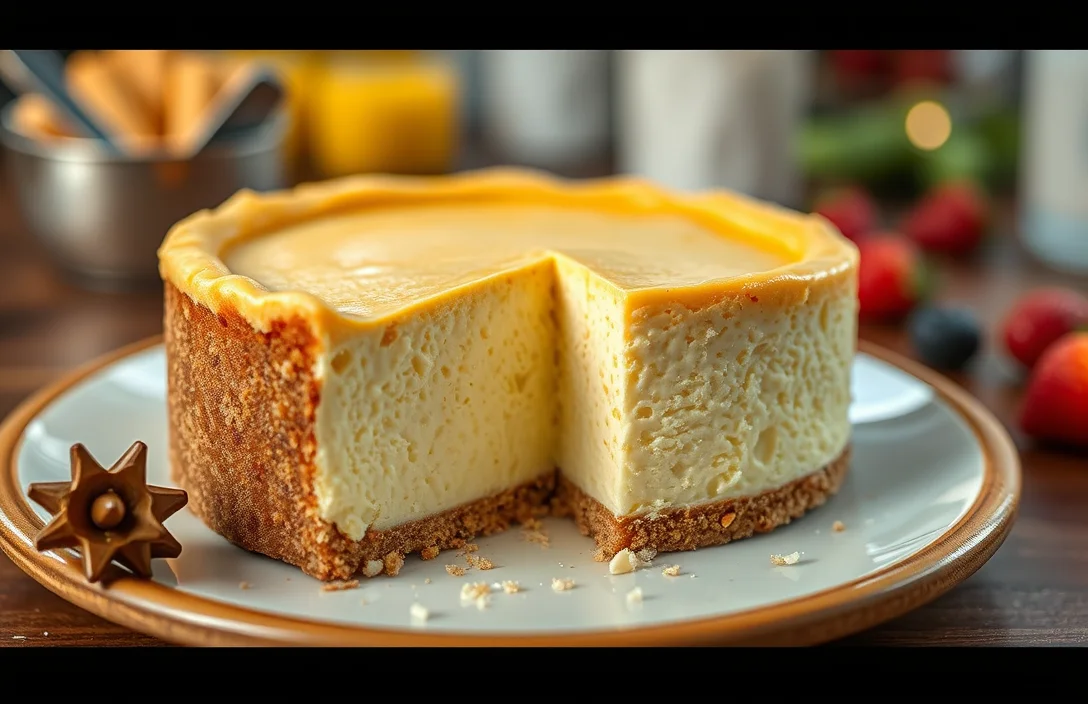
Cheesecake is pure indulgence—creamy, rich, and utterly satisfying. Whether it’s a special occasion or a cozy weeknight treat, there’s nothing quite like a slice of homemade cheesecake to make your taste buds sing. With a buttery crust and velvety filling, it’s hard to resist going back for seconds!
Wondering about gluten? Traditional cheesecake can contain gluten, but don’t worry! You’ll find 3 tested gluten-free cheesecake recipes here, complete with exact measurements, cooking times, and temperatures. Each recipe is designed for 4-6 servings and is easy to follow.
| Prep Time | Cook Time | Total Time | Servings | Difficulty |
|---|---|---|---|---|
| 20 minutes | 60 minutes | 80 minutes | 4-6 | Easy |
Cheesecake History
Understanding the history of cheesecake provides context for its ingredients and variations across cultures, particularly regarding gluten content. Cheesecake has evolved significantly, reflecting local traditions and ingredient availability over centuries.
- Origin of Cheesecake: The earliest known cheesecake dates back to ancient Greece, where it was served to athletes during the first Olympic Games in 776 B.C. Made primarily from simple ingredients like cheese, honey, and flour, this early version laid the groundwork for future iterations.
- Cultural Variations: Different cultures have adapted cheesecake to their preferences, leading to a variety of textures and flavors. For instance, the Italian ricotta cheesecake is lighter, while New York-style cheesecake is rich and dense, often made with cream cheese. Each variation may use gluten-containing ingredients, particularly in crusts, which can be a concern for those avoiding gluten.
- Modern Adaptations: As dietary needs have evolved, so have cheesecake recipes. Many contemporary cheesecakes use gluten-free options for crusts, such as almond flour or crushed gluten-free cookies, making them accessible to those with gluten sensitivities.
As we look into the specifics of cheesecake ingredients in the next section, it’s essential to consider how these historical variations influence modern recipes, especially concerning gluten content.
Ingredients for Cheesecake
Understanding the ingredients in traditional cheesecake is crucial for determining its gluten content. Cheesecake typically consists of a few key components, and knowing what those are will help you make informed choices, especially if you’re looking for gluten-free alternatives.
| Item | Amount/Specification | Notes |
|---|---|---|
| Graham cracker crumbs | 1 ½ cups (150g) | Contains gluten unless using gluten-free crackers. |
| Granulated sugar | ¾ cup (150g) | Gluten-free. |
| Unsalted butter | ½ cup (115g) | Gluten-free. |
| Cream cheese | 24 oz (680g) | Gluten-free. |
| Sour cream | 1 cup (240ml) | Gluten-free. |
| Large eggs | 3 | Gluten-free. |
| Vanilla extract | 1 teaspoon | Check for gluten-free brands. |
- For a gluten-free crust, substitute graham crackers with gluten-free alternatives like almond flour or gluten-free cookies.
- Make sure to check all labels, especially for processed ingredients like vanilla extract, to avoid hidden gluten.
- Common mistakes include using regular graham crackers instead of gluten-free options, which can lead to gluten contamination.
Gluten-Free Ingredient Substitutes
For those who are gluten-sensitive or simply choose to avoid gluten, finding suitable substitutes for traditional cheesecake ingredients is crucial. This section outlines gluten-free options for the crust and cream cheese, ensuring your cheesecake is both delicious and safe for all to enjoy.
Gluten-Free Crust Options
| Item | Amount/Specification | Notes |
|---|---|---|
| Almond Flour | 1 ½ cups (150g) | Provides a nutty flavor, great for a rich crust. |
| Gluten-Free Graham Cracker Crumbs | 1 ½ cups (150g) | Look for brands that specify gluten-free. |
| Oats (certified gluten-free) | 1 cup (90g), ground | Blend oats in a food processor to make flour-like consistency. |
Cream Cheese Alternatives
| Item | Amount/Specification | Notes |
|---|---|---|
| Mascarpone Cheese | 16 ounces (450g) | Richer and creamier, adds a unique flavor to cheesecake. |
| Cottage Cheese (blended) | 16 ounces (450g) | For a lower-fat option, blend until smooth before using. |
| Tofu (silken) | 16 ounces (450g) | Great dairy-free option; blend until creamy for best texture. |
- When using almond flour, you may need to adjust the liquid ingredients to maintain the right texture.
- For the crust, ensure that your gluten-free graham cracker crumbs are from a reliable source to avoid cross-contamination.
- If substituting cream cheese, taste as you go to adjust sweetness and flavor to your liking.
Recipe: Classic Gluten-Free Cheesecake
Cheesecake is a delightful dessert, but many home cooks wonder if traditional recipes contain gluten. The good news is that with the right ingredients and techniques, you can create a luscious gluten-free cheesecake that everyone will love. Here’s how to make a classic gluten-free cheesecake from scratch that’s rich and creamy!
Ingredients
- 1 ½ cups gluten-free graham cracker crumbs (about 150g)
- ½ cup unsalted butter, melted (113g)
- 1 cup granulated sugar (200g)
- 4 packages cream cheese, softened (8 oz each, 900g total)
- 4 large eggs
- 1 teaspoon vanilla extract
- 1 tablespoon lemon juice
Cooking Instructions
- Preheat your oven to 325°F (160°C). This temperature is key for a smooth and creamy texture.
- Prepare the crust by mixing the gluten-free graham cracker crumbs with melted butter in a medium bowl. The mixture should feel like wet sand. Press the mixture firmly into the bottom of a 9-inch springform pan to form an even layer.
- Bake the crust in the preheated oven for 10 minutes. You want it to set slightly and start to turn golden. Remove from the oven and let it cool while you prepare the filling.
- Make the filling by beating the softened cream cheese and granulated sugar in a large mixing bowl until smooth and creamy, about 2-3 minutes. Scrape down the sides to ensure everything is well mixed.
- Add the eggs one at a time, mixing on low speed after each addition until just combined. Overmixing can lead to cracks, so stop as soon as you see no visible egg streaks.
- Incorporate the vanilla extract and lemon juice, mixing until combined. The filling should be glossy and smooth.
- Pour the filling over the cooled crust, smoothing the top with a spatula. This ensures an even bake.
- Bake for 50-60 minutes, or until the edges are set and the center is slightly wobbly. It will firm up as it cools, so don’t worry if it looks a bit underdone.
- Cool the cheesecake in the oven with the door slightly ajar for about 1 hour to prevent cracking. Then refrigerate for at least 4 hours or overnight for the best flavor and texture.
Chef’s tip: For a smoother texture, ensure all your ingredients are at room temperature before mixing.
Recipe: Chocolate Gluten-Free Cheesecake
This recipe will guide you through creating a rich and creamy chocolate gluten-free cheesecake, perfect for satisfying your sweet tooth without any gluten worries. With precise measurements and step-by-step instructions, you’ll be able to whip up this delightful dessert with confidence.
Ingredients
- 1 ½ cups gluten-free chocolate cookie crumbs (about 150g)
- ½ cup unsalted butter, melted (115g)
- 3 (8-ounce) packages cream cheese, softened (680g total)
- 1 cup granulated sugar (200g)
- 1 teaspoon vanilla extract
- 3 large eggs
- 1 cup sour cream (240g)
- ½ cup unsweetened cocoa powder (50g)
- ½ cup semi-sweet chocolate chips, melted (90g)
Cooking Instructions
- Preheat your oven to 325°F (160°C). This temperature helps to cook the cheesecake evenly while preventing cracks on the surface.
- In a medium bowl, combine gluten-free chocolate cookie crumbs and melted butter. Mix until the crumbs are fully coated and resemble wet sand. Press this mixture firmly into the bottom of a 9-inch springform pan to form the crust.
- In a large mixing bowl, beat the softened cream cheese and granulated sugar with an electric mixer on medium speed until smooth, about 2-3 minutes. Scrape down the sides of the bowl to ensure everything is well mixed.
- Add the vanilla extract, eggs, and sour cream to the cream cheese mixture. Beat on low speed until just combined, being careful not to overmix. Overmixing can incorporate too much air, leading to cracks.
- Fold in the unsweetened cocoa powder and melted chocolate chips until fully incorporated. The mixture should be smooth and glossy. Pour this filling over your crust in the springform pan.
- Bake the cheesecake for 55-60 minutes. It should be set around the edges but slightly jiggly in the center. This will firm up as it cools.
- Turn off the oven and crack the oven door open, allowing the cheesecake to cool slowly for about 1 hour. This step helps prevent cracks from forming.
- After the cheesecake has cooled, refrigerate it for at least 4 hours, preferably overnight, to allow it to set completely. It should feel firm but slightly springy to the touch when ready to serve.
Chef’s tip: Always allow your cream cheese to reach room temperature for a smoother filling.
Pro Tips for Gluten-Free Cheesecake
Making a gluten-free cheesecake can be a delightful experience, but it does require some specific considerations to ensure that your dessert is both delicious and safe for those with gluten sensitivities. Here’s how to avoid common pitfalls and achieve the best texture for your gluten-free cheesecake.
Avoiding Cross-Contamination
- Use separate utensils and equipment: Always use a clean mixing bowl, measuring cups, and spatulas that haven’t been exposed to gluten. This is crucial in preventing any trace of gluten from entering your cheesecake.
- Choose certified gluten-free ingredients: Make sure your cream cheese, sour cream, and any flavorings or toppings are labeled gluten-free. This minimizes the risk of hidden gluten in processed foods.
- Check your crust carefully: If you’re making a crust, opt for gluten-free graham crackers or almond flour. Homemade crusts give you more control and reduce the risk of cross-contamination.
Texture Tips
- Incorporate cornstarch or gluten-free flour: To help your cheesecake achieve the right consistency, add 2 tablespoons of cornstarch or a gluten-free flour blend to the cream cheese mixture. This helps stabilize the cake and improve texture.
- Don’t overmix: When combining the ingredients, mix just until smooth. Overmixing can introduce too much air, resulting in cracks during baking. Aim for a creamy texture that looks slightly thick when you stop mixing.
- Cool gradually: Once your cheesecake is baked, turn off the oven and leave the door ajar for about 30 minutes. This gradual cooling helps prevent cracks and ensures a smooth, velvety finish.
Serving and Plating Ideas
Presenting your gluten-free cheesecake beautifully not only enhances its appeal but also makes the dessert feel extra special. Pairing it with the right accompaniments can elevate the dining experience and impress your guests.
Presentation Tips
- Choose a decorative serving plate or cake stand. A simple white plate can make the cheesecake pop, especially if you’ve topped it with fresh berries or a vibrant coulis. Consider a cake stand to add height and elegance.
- When slicing your cheesecake, use a warm knife for clean cuts. Dip a sharp knife in hot water, wipe it dry, and slice through the cheesecake. This will help maintain a smooth edge and a beautiful presentation.
- Top your cheesecake with fresh fruits, chocolate shavings, or a drizzle of caramel sauce just before serving. For a fresh twist, add a sprinkle of mint leaves for color and aroma. This not only adds flavor but also enhances visual appeal.
Drink Pairings
- A rich, creamy cheesecake pairs wonderfully with a fruity dessert wine, such as a late-harvest Riesling. The sweetness of the wine complements the cheesecake’s flavor without overwhelming it.
- For a non-alcoholic option, serve with a refreshing fruit-infused sparkling water. A splash of lemon or raspberry can add a delightful zing that balances the richness of the cheesecake.
- If you prefer coffee, opt for a smooth cappuccino or a latte. The warmth and creaminess of the drink will enhance the cheesecake experience, making it a cozy after-dinner treat.
Quick Summary
| Prep Time | Cook Time | Total Time | Servings |
|---|---|---|---|
| 15 minutes | 60 minutes | 1 hour 15 minutes | 8 |
- Check ingredients: Use gluten-free graham crackers or crust alternatives.
- Preheat oven: Set to 325°F (163°C) for even baking.
- Mix ingredients: Blend cream cheese until smooth before adding eggs.
- Bake in a water bath: Prevents cracking and ensures even texture.
- Cool gradually: Let it cool in the oven to avoid sudden temperature changes.
- Tip 1: Room temperature ingredients ensure a creamier texture.
- Tip 2: Don’t overmix after adding eggs to maintain fluffiness.
Frequently Asked Questions
Can I make this cheesecake ahead of time? How to store and reheat?
You can definitely make cheesecake ahead of time; it actually tastes better after chilling for at least 4 hours or overnight. Store it in the refrigerator, tightly covered, for up to 5 days without losing quality.
What can I substitute for cream cheese?
If you’re looking for a substitute, you can use mascarpone cheese or a vegan cream cheese alternative in equal measurements. Just keep in mind that the flavor and texture might vary slightly.
How do I know when the cheesecake is done?
Your cheesecake is done when the edges are set but the center still has a slight jiggle, which usually takes about 50-60 minutes at 325°F (160°C). A toothpick inserted should come out clean or with a few moist crumbs.
Can I freeze this cheesecake? How long does it last?
You can freeze cheesecake for up to 3 months if wrapped tightly in plastic wrap and aluminum foil. Just thaw it in the refrigerator overnight before serving for the best texture.
What if I don’t have a springform pan?
If you don’t have a springform pan, you can use a regular cake pan lined with parchment paper, but you’ll need to be careful when removing it. Just make sure to let it cool completely before attempting to lift it out!

- 10 Best Cheese Knife With Holes For Smooth Slice 2026 - March 9, 2026
- Make Cheesecake Up to 3 Days Ahead: Tips for Best Flavor & Texture - March 4, 2026
- Easy No-Bake Cool Doen Cheesecake: Quick Recipe & Tips - March 4, 2026