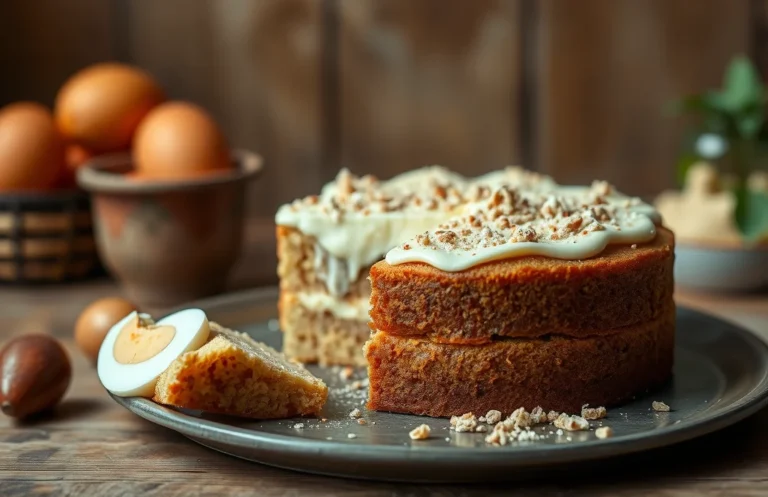

Lemon Bundt Cake Recipe: Moist & Flavorful in Under 1 Hour
If you love a cake that’s perfectly moist, bursting with citrus flavor, and looks stunning on any dessert table, this lemon bundt cake is for you. The bright lemon zest and juice create a delightful balance of sweetness and tartness that will have everyone coming back for seconds. You’ll want to savor every bite!
This recipe features simple ingredients and clear instructions, making it easy to follow. With a total time of 1 hour, this cake serves 10-12 people and is of moderate difficulty — perfect for both novice bakers and seasoned pros.
| Prep Time | Cook Time | Total Time | Servings | Difficulty |
|---|---|---|---|---|
| 20 minutes | 40 minutes | 1 hour | 10-12 | Moderate |
Lemon Bundt Cake Story
Lemon Bundt cake has a delightful history that intertwines simplicity and elegance, making it a staple for both casual gatherings and sophisticated celebrations. Its bright, zesty flavor and moist texture make it a beloved choice for many occasions.
- Origin of Bundt Cakes: Bundt cakes trace their roots back to the traditional European cake known as Gugelhupf. The unique shape, created by the Bundt pan, not only provides a beautiful presentation but also ensures even baking and a lovely crust. These cakes gained popularity in the United States in the 1950s, particularly after the introduction of the Nordic Ware Bundt pan.
- Why Lemon Flavor? Lemon is a universally loved flavor that adds brightness and freshness to any dessert. The acidity of lemon balances the sweetness of the cake, creating a perfect harmony that tantalizes the palate. This flavor is especially refreshing during warmer months, making it a favorite for summer gatherings.
- Occasions to Serve: Lemon Bundt cake is incredibly versatile. It’s perfect for birthdays, brunches, or afternoon tea. Its elegant appearance also makes it suitable for more formal events like weddings or anniversaries. Whether served plain or drizzled with a glaze, it’s sure to impress guests of all ages.
Ingredients List
This section provides a comprehensive list of all the ingredients you’ll need to create a delicious lemon bundt cake. Having the right ingredients in precise measurements is essential for achieving that perfect balance of flavor and texture, so let’s get started!
| Item | Amount/Specification | Notes |
|---|---|---|
| All-purpose flour | 2 ½ cups (315g) | Sifted before measuring |
| Baking powder | 1 tablespoon | Ensure it’s fresh for best rise |
| Baking soda | ½ teaspoon | Helps with leavening |
| Salt | ½ teaspoon | Enhances flavor |
| Unsalted butter | 1 cup (226g) | Softened to room temperature |
| Granulated sugar | 2 cups (400g) | For sweetness |
| Large eggs | 4 | At room temperature |
| Fresh lemon juice | ⅓ cup (80ml) | About 2-3 lemons |
| Lemon zest | 2 tablespoons | Use a microplane for fine zest |
| Vanilla extract | 1 teaspoon | Pure for best flavor |
| Powdered sugar (for glaze, optional) | 1 cup (120g) | Add lemon juice to thin |
- Ingredient substitutions: For a dairy-free version, try using coconut oil in place of butter and almond or oat milk instead of eggs.
- Tip: Make sure to measure flour accurately — spoon it into your measuring cup and level it off with a knife to avoid a dense cake.
- Common mistake: Don’t skip the sifting step, as it aerates the flour and helps to create a lighter cake.
Kitchen Equipment Needed
Before you dive into making your delicious lemon bundt cake, it’s essential to gather the right kitchen tools. Having the proper equipment on hand not only streamlines your baking process but also ensures that your cake turns out perfectly every time. Here’s a list of the necessary kitchen equipment you’ll need.
- Bundt Pan: A 10-12 cup bundt pan is crucial for shaping your cake. Make sure it’s well-greased with butter and dusted with flour to prevent sticking. Alternatively, you can use a non-stick cooking spray that contains flour for ease.
- Mixing Bowls: You will need at least two mixing bowls — one large (for the batter) and one medium (for the lemon glaze). Opt for glass or stainless steel bowls, as they are sturdy and easy to clean. Ensure they are dry before you start mixing to achieve the best results.
- Measuring Tools: Accurate measurements are key in baking. Use a set of dry measuring cups for flour and sugar, and liquid measuring cups for the lemon juice and oil. A kitchen scale can also be helpful for precise measurements, especially for the flour, which should be about ½ cup (60g) per serving.
- Whisk and Spatula: A whisk is perfect for blending your dry ingredients and beating eggs, while a rubber spatula is great for folding in delicate ingredients and scraping down the sides of your bowls to ensure everything is well combined.
- Cooling Rack: After baking, transfer your bundt cake onto a cooling rack to prevent it from becoming soggy. This allows air to circulate around the cake, ensuring an even cooling process.
Step-by-Step Instructions
This section provides you with detailed cooking instructions for making a delightful lemon bundt cake. Following these steps carefully will ensure that your cake is moist, flavorful, and beautifully presented. Let’s get started!
- Preheat the Oven: Begin by preheating your oven to 350°F (175°C). This ensures that your cake bakes evenly and rises properly. Allow the oven to reach temperature before placing the cake inside, which should take about 10-15 minutes.
- Mix Dry Ingredients: In a medium bowl, whisk together 2 cups (240g) all-purpose flour, 1 teaspoon baking powder, ½ teaspoon baking soda, and ½ teaspoon salt until well combined. The mixture should feel light and airy and free of any lumps. Set this bowl aside as you prepare the wet ingredients.
- Combine Wet Ingredients: In a large mixing bowl, beat together 1 cup (200g) granulated sugar and ½ cup (115g) unsalted butter, softened, with an electric mixer on medium speed until creamy and pale, about 3-4 minutes. Then, add 3 large eggs, one at a time, mixing well after each addition. Mix in ½ cup (120ml) buttermilk, ¼ cup (60ml) fresh lemon juice, and the zest of 2 lemons until fully combined. The batter should be smooth and slightly thick.
- Bake the Cake: Gradually add the dry ingredients to the wet mixture, folding gently with a spatula until just combined; do not overmix. Pour the batter into a greased bundt pan, smoothing the top with a spatula. Bake in the preheated oven for 50-60 minutes, or until a toothpick inserted into the center comes out clean. The cake should be golden brown and spring back when lightly pressed.
- Cool and Glaze: Once baked, remove the cake from the oven and let it cool in the pan for about 10-15 minutes. Then, carefully invert it onto a wire rack to cool completely. For the glaze, mix 1 cup (120g) powdered sugar with 2-3 tablespoons of lemon juice until smooth. Drizzle over the cooled bundt cake. The glaze should be glossy and slightly runny, adding a delicious citrus finish!
Pro Tips and Mistakes
This section shares essential tips and common pitfalls to avoid while baking your lemon bundt cake. Understanding these can make all the difference between a moist, flavorful cake and one that falls flat.
Proper Mixing Techniques
Mixing is crucial in baking, especially for a bundt cake. Here are some tips to ensure you’re mixing properly:
- Start with room temperature ingredients: Make sure your butter, eggs, and yogurt are at room temperature. This helps create a smooth batter that traps air, leading to a lighter cake.
- Cream butter and sugar well: Beat 1 cup (226g) of softened unsalted butter with 2 cups (400g) of granulated sugar for about 4-5 minutes until it’s pale and fluffy. This aeration is key to a good rise.
- Don’t overmix: Once you add the flour, mix until just combined. Overmixing can lead to a tough cake due to gluten development.
Cooling Tips
Proper cooling is essential to prevent your cake from sticking and maintain its texture:
- Let it cool in the pan: After baking at 350°F (175°C) for 50-60 minutes, let the cake cool in the bundt pan for about 15-20 minutes. This allows it to set and makes it easier to remove.
- Invert gently: When turning it out, tap the pan lightly on the counter. If it doesn’t release, run a thin knife around the edges.
Avoiding Dry Cake
A dry lemon bundt cake can be a disappointing result. To keep it moist:
- Measure flour accurately: Use the spoon-and-level method for 2 cups (240g) of all-purpose flour to avoid adding too much.
- Check doneness carefully: Insert a toothpick into the center; it should come out with a few moist crumbs, not clean.
Chef’s tip: For extra moisture, consider adding ½ cup (120ml) of buttermilk or yogurt to the batter.
Variations and Substitutions
This section offers some fantastic ideas for modifying the classic lemon bundt cake recipe to suit various dietary preferences or to introduce exciting new flavors. Whether you need gluten-free options, vegan modifications, or simply want to elevate the cake with additional flavors, you’ve got choices!
Gluten-Free Options
If you’re looking to make this lemon bundt cake gluten-free, you can substitute the all-purpose flour with a gluten-free blend. Here’s a simple approach:
- Replace 2 cups all-purpose flour (240g) with 2 cups gluten-free all-purpose flour blend (240g).
- Make sure the blend contains xanthan gum, or add 1 teaspoon xanthan gum to the mix if it doesn’t.
The cake should still rise beautifully and have a moist texture. Keep an eye on the bake time, as gluten-free cakes can sometimes take a few extra minutes.
Vegan Modifications
To create a vegan version of this delightful cake, you can replace the eggs and dairy as follows:
- Substitute 3 large eggs with 1 cup unsweetened applesauce or 3 flax eggs (3 tablespoons ground flaxseed mixed with 9 tablespoons water, let sit for 5 minutes).
- Use ½ cup coconut oil or ½ cup unsweetened almond milk in place of butter.
Vegan lemon bundt cake should have a light, fluffy texture, and the flavor will still shine through beautifully.
Flavor Additions
For an extra twist, consider these delightful additions:
- Fold in 1 cup poppy seeds for a classic lemon-poppy seed cake.
- Add the zest of 1 orange alongside the lemon for a citrus medley.
- Incorporate ½ cup blueberries or ½ cup shredded coconut for added texture and flavor.
Chef’s tip: Always taste your batter before baking — it should be bright and tangy!
Serving Suggestions
Serving your lemon bundt cake in an appealing way can enhance the overall experience. Here are some creative ideas for pairing and presenting this delightful dessert, ensuring it stands out on any table.
Best Pairings
- Fresh Berries: Serve your cake with a side of mixed fresh berries such as strawberries, raspberries, and blueberries. The tartness of the berries complements the zesty lemon flavor beautifully.
- Citrus Syrup: Drizzle a simple citrus syrup made from equal parts water and sugar boiled with lemon juice over the cake. This adds extra moisture and a burst of citrus flavor.
- Whipped Cream: A dollop of freshly whipped cream (1 cup heavy cream, whipped with 2 tablespoons sugar) can add a rich, creamy contrast to the light and zesty cake.
- Iced Tea or Lemonade: Pair a slice of cake with a refreshing glass of iced tea or homemade lemonade for a delightful afternoon treat.
Plating Ideas
- Dust with Powdered Sugar: Lightly dust the cooled cake with powdered sugar for a simple yet elegant finish. It adds a touch of sweetness and a beautiful contrast against the lemony color.
- Cake Stand: Present your bundt cake on a decorative cake stand to elevate its appearance. This makes it a stunning centerpiece for your dessert table.
- Slice Presentation: Cut the cake into even slices, showing off its lovely texture. Place each slice on a dessert plate and garnish with a sprig of mint for a pop of color.
Serving Temperature
Serve the lemon bundt cake at room temperature for the best flavor and texture. If you have leftovers, store them in an airtight container at room temperature for up to 3 days. You can also warm individual slices in the microwave for about 10-15 seconds if you prefer a slightly warm cake.
Quick Summary
| Prep Time | 20 minutes |
|---|---|
| Cook Time | 50 minutes |
| Total Time | 1 hour 10 minutes |
| Servings | 10 |
- Preheat oven to 350°F (175°C) to ensure even baking.
- Grease bundt pan thoroughly to prevent sticking.
- Mix dry ingredients separately before combining with wet for a smooth batter.
- Incorporate lemon zest for a bright flavor; don’t skip this step!
- Bake for 50 minutes or until a toothpick comes out clean.
- Cool before glazing to prevent the icing from melting into the cake.
- Tip: Use fresh lemon juice for the best flavor.
- Tip: Let the cake rest overnight for enhanced flavor.
Frequently Asked Questions
Can I make this ahead of time? How to store and reheat?
You can definitely make the lemon bundt cake ahead of time; it stays fresh for up to 3 days at room temperature when wrapped tightly. To reheat, warm individual slices in the microwave for about 10-15 seconds.
What can I substitute for buttermilk?
If you don’t have buttermilk on hand, you can use 1 cup of milk mixed with 1 tablespoon of lemon juice or vinegar and let it sit for 5-10 minutes. This will mimic the acidity and tanginess that buttermilk provides.
How do I know when it’s done?
Your lemon bundt cake is done when a toothpick inserted into the center comes out clean or with just a few moist crumbs, which usually takes about 50-60 minutes at 350°F (175°C). The cake should also spring back when gently pressed.
Can I freeze this? How long does it last?
You can freeze the lemon bundt cake for up to 3 months if wrapped tightly in plastic wrap and foil. Just make sure to let it cool completely before freezing to avoid ice crystals.
Why did my cake turn out dry?
If your lemon bundt cake turned out dry, it might be due to overbaking; ensure you check it at the 50-minute mark and take it out as soon as the toothpick is clean. Also, measuring flour too tightly can lead to using too much, so spoon and level it for accuracy.

- Make Cheesecake Up to 3 Days Ahead: Tips for Best Flavor & Texture - March 4, 2026
- Easy No-Bake Cool Doen Cheesecake: Quick Recipe & Tips - March 4, 2026
- Decadent Dulce de Leche Cheesecake: Easy Step-by-Step Recipe - March 4, 2026