Delicious Lemon Cake: Step-by-Step Recipe for Preppy Kitchen Style
There’s something magical about a homemade lemon cake that brightens up any occasion. Its zesty flavor and moist crumb make it perfect for everything from casual weeknight dinners to elegant gatherings. Once you take a bite, the burst of citrus will have you craving another slice — trust me!
This lemon cake recipe is simple yet impressive, with a total time of 1 hour, easy difficulty level, and yields 8 servings. You’ll find precise measurements and step-by-step instructions to ensure your cake turns out perfectly every time.
| Prep Time | 20 minutes |
|---|---|
| Cook Time | 40 minutes |
| Total Time | 1 hour |
| Servings | 8 |
| Difficulty | Easy |
Origin of Lemon Cake
Lemon cake has a rich history, often associated with celebrations and gatherings. Its bright, zesty flavor and elegant presentation make it a perfect fit for preppy kitchen aesthetics, embodying a sense of sophistication and charm.
- Cultural Significance: Lemon cake has been enjoyed in various cultures for centuries, symbolizing freshness and vitality. Traditionally, it was often served at special occasions, from birthdays to weddings, highlighting its status as a beloved dessert.
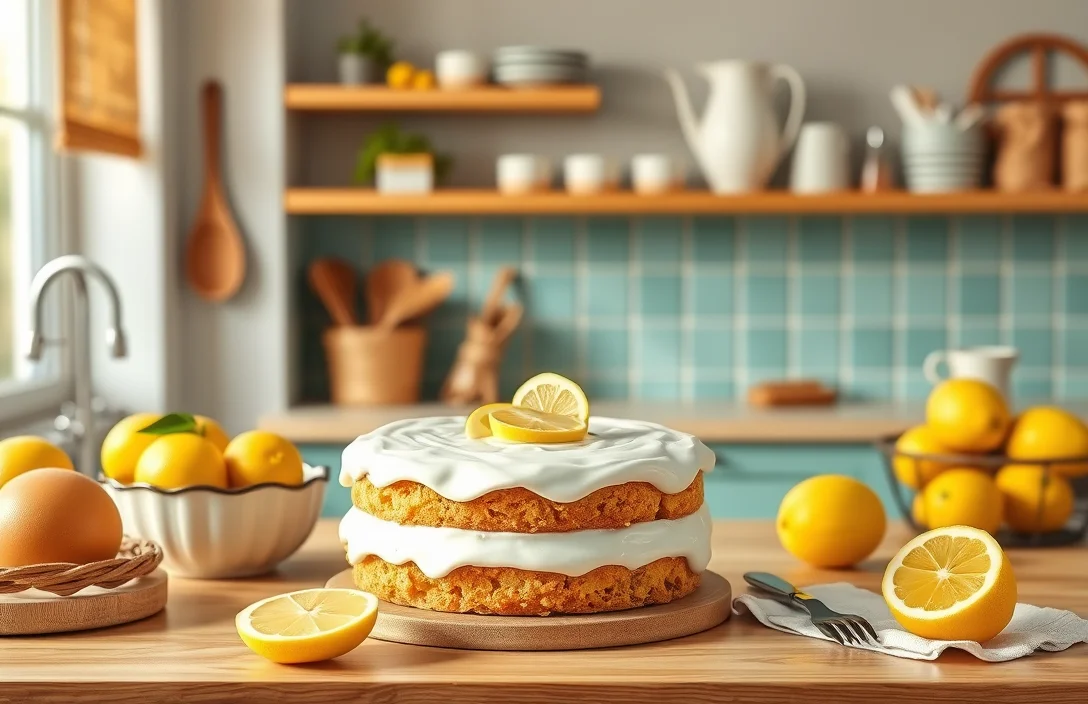
- Preppy Kitchen Style: The preppy kitchen aesthetic embraces a classic, polished look with pastel colors and vintage dinnerware. Lemon cake fits seamlessly into this style, bringing a touch of elegance and a pop of color to any gathering, whether displayed on a cake stand or served on fine china.
- Historical Roots: The origins of lemon cake can be traced back to ancient times when lemons were prized for their flavor and medicinal properties. Over the years, recipes evolved, incorporating various techniques and ingredients, leading to the delightful lemon cakes we enjoy today.
Ingredients for Lemon Cake
To create a delicious lemon cake that embodies the essence of a preppy kitchen, it’s crucial to gather the right ingredients. This section breaks down the necessary dry and wet components, ensuring you have everything you need for a perfectly balanced flavor and texture.
| Item | Amount/Specification | Notes |
|---|---|---|
| All-purpose flour | 2 cups (240g) | Sifted for lighter texture |
| Granulated sugar | 1 ½ cups (300g) | Adjust sweetness to taste |
| Baking powder | 1 tablespoon (15g) | Double check for freshness |
| Salt | ½ teaspoon (3g) | Enhances flavor |
| Unsalted butter | ¾ cup (170g) | Softened for easy mixing |
| Lemon zest | 2 tablespoons | Use fresh lemons for best flavor |
| Lemon juice | ⅓ cup (80ml) | Freshly squeezed preferred |
| Eggs | 3 large | Room temperature for better emulsion |
| Vanilla extract | 1 teaspoon | Optional for added depth |
- Tip: If you’re gluten-free, substitute with a gluten-free flour blend, but check the measurements as they might vary.
- Tip: Ensure your butter is at room temperature to create a creamy batter.
- Tip: For a more intense lemon flavor, consider adding a tablespoon of lemon extract.
Necessary Kitchen Equipment
Before you dive into making your delicious lemon cake, it’s essential to gather the right tools. Having the appropriate kitchen equipment not only makes the process smoother but also ensures that your cake turns out perfectly every time.
- Mixing Bowls: You’ll need at least two medium mixing bowls—one for the wet ingredients and another for the dry. Opt for glass or stainless steel as they are easy to clean and won’t absorb odors.
- Electric Mixer: A stand mixer or hand mixer is ideal for combining the ingredients. Whipping the butter and sugar until light and fluffy is crucial for achieving a tender cake texture.
- Measuring Cups and Spoons: Accurate measurements are key in baking. Use a set of dry measuring cups for the flour and sugar, and liquid measuring cups for milk and oil. A set of measuring spoons will help you with small amounts of baking powder and vanilla.
- Rubber Spatula: A good rubber spatula is perfect for folding in dry ingredients and scraping down the sides of your mixing bowls to ensure everything is well combined.
- 9-inch Round Cake Pans: You’ll need two for baking the cake layers. Make sure to grease and flour them well to prevent sticking. Alternatively, you can line the bottoms with parchment paper for added insurance.
- Cooling Rack: Once baked, your lemon cakes will need to cool completely on a wire rack before frosting. This helps prevent sogginess and ensures even cooling.
- Oven Thermometer: Since oven temperatures can vary, using an oven thermometer can help you verify that your oven is at the correct 350°F (175°C) for optimal baking.
Step-by-Step Baking Instructions
This section provides a detailed guide for mixing the batter and baking your lemon cake, ensuring you achieve a light and fluffy texture with a zesty flavor. Each step is designed to help you understand what to look for at each stage, so your cake turns out perfectly every time.
- Prep the Oven and Pans: Preheat your oven to 350°F (175°C). Grease and flour two 9-inch round cake pans to prevent sticking. You can also line the bottoms with parchment paper for extra security.
- Mix the Dry Ingredients: In a medium bowl, whisk together 2 cups all-purpose flour (240g), 1 ½ teaspoons baking powder, and ½ teaspoon salt. This ensures even distribution of the leavening agent for a uniform rise.
- Combine Wet Ingredients: In a large mixing bowl, beat ¾ cup unsalted butter (170g) at room temperature until creamy. Gradually add 1 ½ cups granulated sugar (300g) and continue to beat for 3-4 minutes until the mixture is light and fluffy.
- Add Eggs and Flavor: Add 3 large eggs, one at a time, beating well after each addition. Incorporate 1 tablespoon lemon zest and ½ cup fresh lemon juice (120ml). The batter should smell wonderfully citrusy and look smooth.
- Combine Mixtures: Gradually add the dry ingredients to the wet mixture, alternating with ½ cup buttermilk (120ml). Start with the flour mixture, mixing until just combined. The batter should be thick yet pourable, with no visible flour streaks.
- Pour and Bake: Divide the batter evenly between the prepared pans. Bake in the preheated oven for 25-30 minutes, or until a toothpick inserted in the center comes out clean. The cakes should be golden and spring back when lightly pressed.
- Cool the Cakes: Allow the cakes to cool in the pans for 10 minutes before transferring them to a wire rack. Let them cool completely before frosting. This prevents the frosting from melting and maintains the cake’s structure.
Pro Tips for Perfect Cake
To ensure your lemon cake turns out moist and flavorful, it’s essential to pay attention to specific techniques and ingredients. Here are some expert tips to help you avoid common pitfalls and elevate your baking game.
Achieving Moisture
- Use room temperature ingredients: Bring your eggs, butter, and milk to room temperature before mixing. This helps them combine more easily and creates a smoother batter, resulting in a more uniform texture.
- Don’t overmix: Mix the batter just until the dry ingredients are incorporated. Overmixing can lead to a dense cake rather than a light and airy one. Aim for a batter that’s slightly lumpy.
- Add sour cream or yogurt: Incorporate ½ cup of sour cream or full-fat yogurt into your batter. This adds moisture and richness, ensuring a tender crumb that melts in your mouth.
Flavor Enhancement
- Use fresh lemon juice and zest: For the brightest flavor, use the zest of 2 large lemons and ⅓ cup of freshly squeezed lemon juice. Bottled lemon juice lacks the vibrant taste of fresh, which is key in a lemon cake.
- Incorporate a lemon syrup: After baking, brush the warm cake with a simple lemon syrup made from ¼ cup sugar dissolved in ¼ cup lemon juice. This adds a delightful zing and keeps the cake moist.
- Don’t skip the vanilla: Adding 1 teaspoon of pure vanilla extract enhances the overall flavor profile, balancing the tartness of the lemon and making the cake more aromatic.
Variations and Substitutions
This section explores how you can adapt the lemon cake recipe to meet various dietary needs and preferences, without compromising on flavor or texture. Whether you’re gluten-free or vegan, these substitutions can help you enjoy a delicious lemon cake that fits your lifestyle.
Gluten-Free Options
For a gluten-free lemon cake, you can substitute the all-purpose flour with a gluten-free flour blend. Here’s how to do it:
- Use 1 ½ cups gluten-free all-purpose flour (180g) with xanthan gum included in the blend. If your blend doesn’t contain xanthan gum, add ½ teaspoon.
- Ensure all other ingredients are gluten-free, particularly baking powder and vanilla extract.
Gluten-free cakes can sometimes be denser, so consider adding an extra egg or ¼ cup of applesauce to maintain moisture and lightness.
Vegan Alternatives
If you’re looking for a vegan lemon cake, you can easily replace the eggs and dairy. Follow these suggestions:
- Substitute 1 egg with ¼ cup unsweetened applesauce or 1 tablespoon ground flaxseed mixed with 2.5 tablespoons water (let it sit for 5 minutes to thicken).
- For dairy, use ½ cup unsweetened almond milk or any plant-based milk of your choice in place of milk, and replace butter with ½ cup coconut oil or vegan butter.
Chef’s tip: For added flavor, incorporate the zest of one lemon into the batter, regardless of the dietary version you choose.
| Ingredient | Regular | Gluten-Free | Vegan |
|---|---|---|---|
| All-Purpose Flour | 1 ½ cups (180g) | 1 ½ cups gluten-free blend | 1 ½ cups (180g) |
| Eggs | 3 large | 3 large (or substitute) | 0 (substitute with applesauce or flaxseed) |
| Milk | ½ cup | ½ cup (gluten-free) | ½ cup (plant-based) |
Serving and Plating Ideas
Serving a lemon cake can be as delightful as baking it! The right presentation and complementary beverages can elevate your cake experience, making it not only a treat for the taste buds but also a feast for the eyes. Here are some creative ideas for garnishing and pairing drinks with your lemon cake.
Garnishing Tips
- Start by slicing the lemon cake into even pieces. Aim for about 1-inch thick slices to showcase the fluffy texture and moist interior. A serrated knife works best for clean cuts.
- For a classic touch, dust the top of the cake with powdered sugar. Use a fine mesh sieve to achieve an even coating, which adds a beautiful contrast to the yellow cake.
- Add fresh lemon zest on top for an extra pop of color and flavor. Use a microplane to finely grate the zest from a lemon, sprinkling it lightly over the powdered sugar for a vibrant finish.
- Consider garnishing with fresh berries, such as raspberries or blueberries, which pair wonderfully with lemon and add a burst of color. Arrange them artfully around the cake slices on the serving plate.
Beverage Pairings
- A refreshing glass of iced tea makes a fantastic pairing. Brew black or green tea and chill it; serve with a slice of lemon for an extra zing.
- For something sparkling, try a lemon-flavored soda or sparkling water with a splash of lime. This will enhance the citrus notes of the cake without overpowering it.
- If you prefer something stronger, a lemon drop martini is a fun cocktail option. Mix vodka, lemon juice, and a touch of simple syrup, and serve in a chilled glass with a sugared rim.
Quick Recipe Summary
This section provides a quick reference for the essential steps and ingredients needed to create a delightful lemon cake that embodies a preppy kitchen aesthetic. It’s designed to help you gather everything you need and understand the process at a glance.
Key Steps
- Preheat your oven to 350°F (175°C) and grease two 9-inch round cake pans.
- In a mixing bowl, whisk together 2 cups (250g) all-purpose flour, 1 ½ teaspoons baking powder, and ½ teaspoon salt.
- In another bowl, cream together 1 cup (200g) granulated sugar and ½ cup (115g) unsalted butter until light and fluffy, about 3-4 minutes.
- Incorporate 3 large eggs, one at a time, followed by the zest of 2 lemons and 1 teaspoon vanilla extract.
- Gradually add the flour mixture, alternating with ½ cup (120ml) buttermilk, mixing until just combined.
- Pour the batter evenly into the prepared pans and bake for 25-30 minutes, or until a toothpick inserted in the center comes out clean.
- Allow the cakes to cool in the pans for 10 minutes before transferring them to wire racks to cool completely.
Essential Ingredients
| Ingredient | Amount |
|---|---|
| All-purpose flour | 2 cups (250g) |
| Granulated sugar | 1 cup (200g) |
| Unsalted butter | ½ cup (115g) |
| Large eggs | 3 |
| Buttermilk | ½ cup (120ml) |
| Lemon zest | Zest of 2 lemons |
Chef’s tip: Use fresh lemons for zest and juice to achieve the best flavor. If you’re dairy-free, substitute buttermilk with almond milk mixed with 1 teaspoon of vinegar.
Quick Summary
| Prep Time | 20 minutes |
|---|---|
| Cook Time | 30 minutes |
| Total Time | 50 minutes |
| Servings | 8 slices |
- Preheat oven: Set to 350°F (175°C) before mixing ingredients.
- Mix dry ingredients: Combine 2 cups of flour, 1 ½ tsp baking powder, and ½ tsp salt.
- Prepare batter: Cream 1 cup unsalted butter with 2 cups sugar until fluffy.
- Add eggs: Incorporate 4 large eggs one at a time, then mix in zest and juice of 2 lemons.
- Bake: Pour batter into a greased 9-inch round pan and bake for 30 minutes.
- Cool completely: Let cake cool in the pan for 10 minutes, then transfer to a wire rack.
- Tip: Use fresh lemons for the best flavor.
- Tip: Don’t overmix the batter to keep the cake light and fluffy.
- Tip: Always check for doneness with a toothpick inserted in the center.
Frequently Asked Questions
Can I make this lemon cake ahead of time? How to store and reheat?
You can make the lemon cake up to 2 days in advance. Store it in an airtight container at room temperature, and if you need to reheat, warm it in a 300°F (150°C) oven for about 10 minutes.
What can I substitute for lemon juice?
If you don’t have lemon juice, you can use an equal amount of lime juice or white vinegar for a similar tangy flavor.
How do I know when the lemon cake is done?
The lemon cake is done when a toothpick inserted in the center comes out clean, typically after 25-30 minutes in a preheated oven at 350°F (175°C).
Can I freeze this lemon cake? How long does it last?
Yes, you can freeze the lemon cake for up to 3 months. Wrap it tightly in plastic wrap and then in aluminum foil to prevent freezer burn.
What if I don’t have a bundt pan?
If you don’t have a bundt pan, you can use a 9×13 inch baking dish instead; just adjust the baking time to about 30-35 minutes.

- 10 Best Cheese Knife With Holes For Smooth Slice 2026 - March 9, 2026
- Make Cheesecake Up to 3 Days Ahead: Tips for Best Flavor & Texture - March 4, 2026
- Easy No-Bake Cool Doen Cheesecake: Quick Recipe & Tips - March 4, 2026