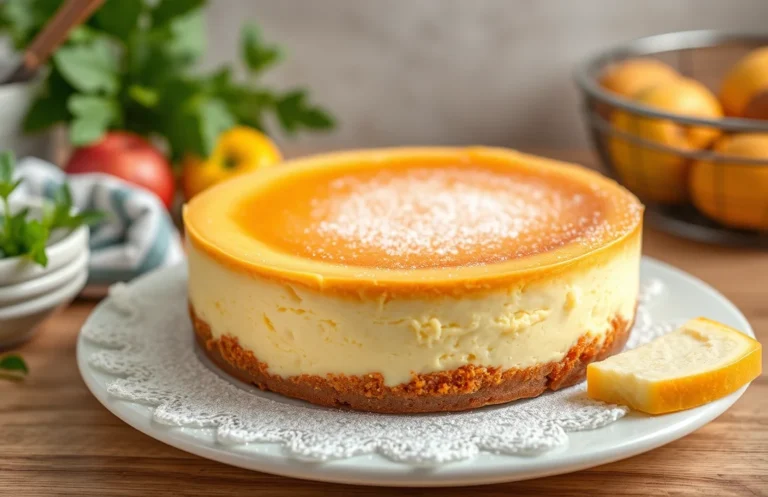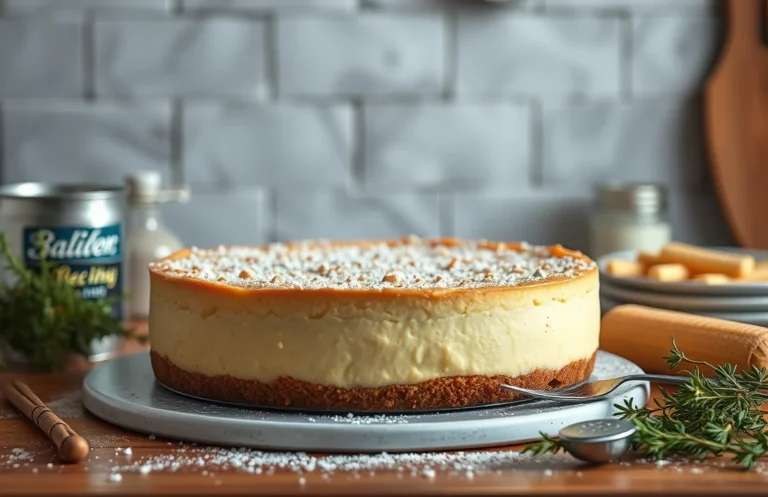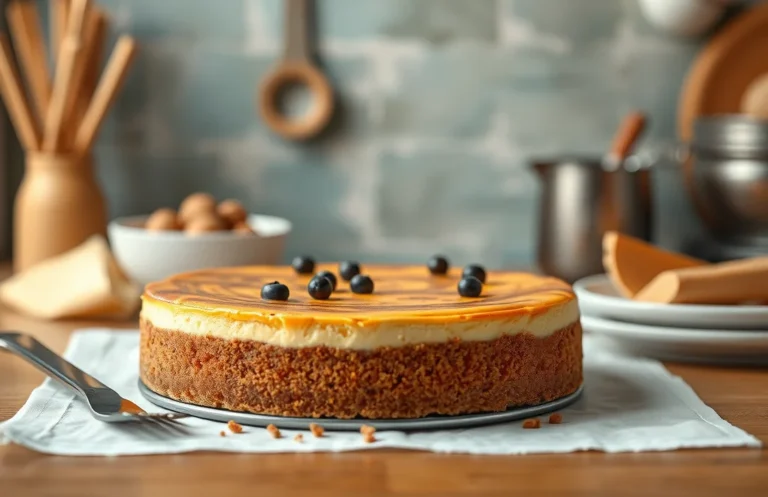
Safe Cheesecake Recipes for Pregnant Moms: Enjoy Without Worry
Cheesecake has a special place in my heart, and it’s not just because of its creamy, dreamy texture and the way it melts in your mouth. It’s the ultimate comfort food that brings smiles to faces, whether it’s a birthday celebration or a cozy weeknight treat. The rich flavors and buttery crust make it a dessert that everyone loves.
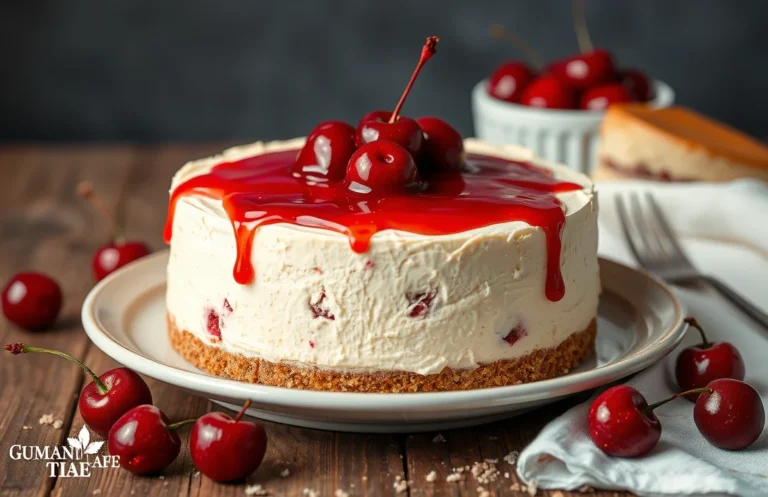
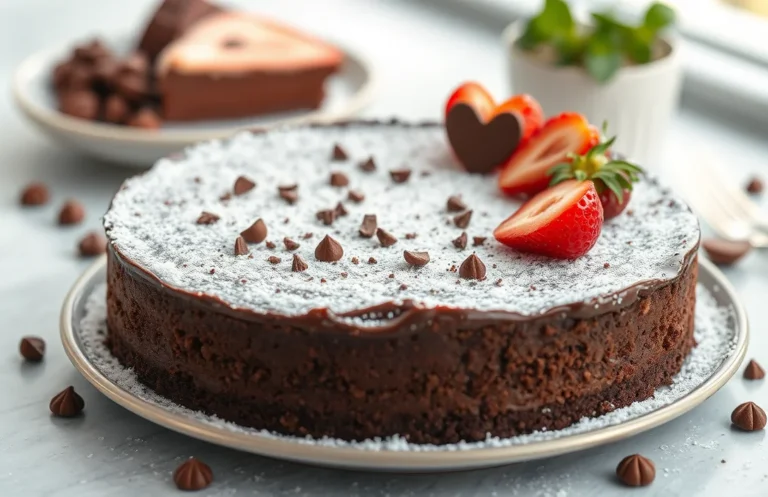
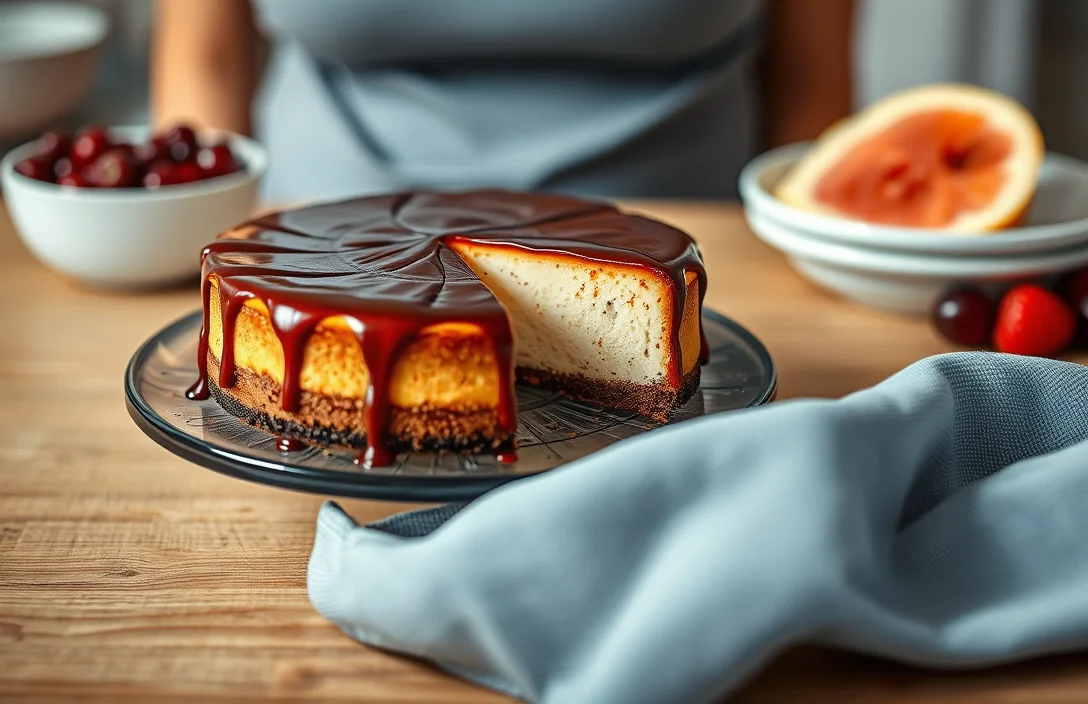
But if you’re pregnant, you might be wondering about the safety of indulging in this classic dessert. You’ll find clear answers to questions about safe ingredients, cooking temperatures, and how to avoid risks. Plus, I’m sharing three delicious cheesecake recipes that are perfect for expecting moms!
| Prep Time | 20 minutes |
|---|---|
| Cook Time | 60 minutes |
| Total Time | 1 hour 20 minutes |
| Servings | 8 servings |
| Difficulty | Medium |
Cheesecake Origins and Specialties
Understanding the origins and significance of cheesecake can provide insight into its cultural relevance and the considerations for enjoying it during pregnancy. This beloved dessert has a rich history that weaves through various cultures, making it a unique treat that many people crave.
- Ancient Roots: Cheesecake dates back to ancient Greece, where it was served to athletes during the Olympic Games. Ingredients like honey and cheese were combined, showcasing the early use of dairy products in sweet dishes.
- Roman Influence: The Romans brought cheesecake to new heights by introducing it to their empire, where it evolved into various regional styles. Their version used different types of cheese, which set the stage for future recipes.
- Regional Variations: Over the centuries, cheesecake has taken on numerous forms worldwide. From New York-style cheesecake, which is rich and dense, to Italian ricotta cheesecake, each variation has its own unique ingredients and preparation methods.
- Cultural Significance: Cheesecake often appears in celebrations and gatherings, symbolizing indulgence and joy. Understanding its cultural importance can help pregnant individuals appreciate the treat while being mindful of the ingredients used.
As we consider enjoying cheesecake during pregnancy, it’s essential to be aware of its rich history and the potential impact of its ingredients on health and safety.
Safe Ingredients for Cheesecake
When it comes to enjoying cheesecake during pregnancy, selecting the right ingredients is crucial to ensure safety for both you and your baby. Below is a list of safe ingredients you can use to make a delicious cheesecake that is both satisfying and pregnancy-friendly.
| Item | Amount/Specification | Notes |
|---|---|---|
| Cream Cheese | 450g | Ensure it’s pasteurized to avoid any risk of listeria. |
| Sugar | 200g | Granulated sugar works best for sweetness and texture. |
| Graham Cracker Crumbs | 200g | Opt for those made without artificial additives. |
| Butter | 100g | Use unsalted butter for a balanced flavor. |
| Eggs | 2 large (pasteurized) | Pasteurized eggs reduce the risk of salmonella. |
| Vanilla Extract | 1 tsp | Pure vanilla extract enhances flavor; avoid imitation. |
- Always check the labels to ensure that dairy products are pasteurized.
- If you have a dairy allergy, consider using lactose-free cream cheese.
- For a gluten-free option, use gluten-free graham cracker crumbs.
- Keep your kitchen tools and surfaces clean to avoid cross-contamination.
Essential Kitchen Tools
Before diving into cheesecake preparation, it’s crucial to gather the right tools. Having the right equipment not only makes the process smoother but also ensures your cheesecake turns out perfectly every time, especially since you’ll want to maintain food safety during pregnancy.
- Springform Pan: A springform pan is essential for making cheesecake. It allows for easy removal of the cheesecake without damaging its beautiful crust. Choose a 9-inch (23 cm) pan for a standard recipe. Make sure the bottom is securely locked to prevent any leaks.
- Mixer: A stand mixer or a handheld mixer works best for achieving a creamy, lump-free filling. Use the mixer on medium speed for about 2-3 minutes until the cream cheese is smooth and fluffy, ensuring you scrape down the sides of the bowl occasionally.
- Spatula: A rubber spatula is perfect for folding in ingredients gently. This is important when incorporating eggs or whipped cream, as you want to maintain the airiness of those components. Use a silicone spatula to easily scrape the bowl clean without wasting any mixture.
- Oven: Preheat your oven to 325°F (163°C) for baking your cheesecake. An accurate oven thermometer can help ensure the right temperature. The cheesecake should be set around the edges but still slightly jiggly in the center when done, which usually takes about 55-60 minutes.
Step-by-Step Baking Instructions
This section provides you with the detailed baking instructions for making a delicious cheesecake that is safe for you to enjoy during pregnancy. Following these steps carefully will ensure a creamy texture and delightful flavor.
- Preheat the Oven: Begin by preheating your oven to 180°C (350°F). This is essential for ensuring even baking, which helps the cheesecake set properly. Allow the oven to fully preheat before placing your cheesecake inside.
- Prepare the Crust (10 min): In a medium bowl, combine 1½ cups (150g) of crushed graham crackers, ½ cup (100g) of granulated sugar, and ½ cup (115g) of melted unsalted butter. Mix until the crumbs are evenly coated and resemble wet sand. Press this mixture firmly into the bottom of a 9-inch (23cm) springform pan to create an even layer. Bake the crust for 10 minutes until lightly golden and fragrant, then remove it from the oven and let it cool.
- Mix the Filling (15 min): In a large mixing bowl, beat 24 ounces (680g) of softened cream cheese with an electric mixer on medium speed until smooth and creamy, about 2-3 minutes. Gradually add 1 cup (200g) of granulated sugar and mix until well combined. Add 3 large eggs, one at a time, ensuring each is fully incorporated before adding the next. Finally, mix in 1 teaspoon of vanilla extract and ½ cup (120ml) of sour cream for extra creaminess.
- Bake (50 min): Pour the cheesecake filling over the cooled crust. To prevent cracking, place the springform pan inside a larger baking dish filled with hot water, creating a water bath. Bake in the preheated oven for about 50 minutes. The cheesecake should be set around the edges but slightly jiggly in the center. Keep an eye on it; if the top starts to brown too much, gently cover it with foil.
- Cool and Chill (4 hours): Once baked, turn off the oven and crack the door open, allowing the cheesecake to cool slowly for 1 hour. This helps prevent cracks. Afterward, refrigerate the cheesecake for at least 4 hours, preferably overnight. The cheesecake will firm up as it chills, ensuring a perfect slice when you’re ready to serve.
Chef Tips and Common Mistakes
Making cheesecake can be a delightful experience, especially during pregnancy when cravings can be intense. However, there are essential tips to ensure your cheesecake is safe and delicious while avoiding common pitfalls that can affect the final product.
- Avoid Overmixing: Overmixing can lead to a dense, rubbery cheesecake. When combining your ingredients, mix just until smooth and creamy. You want to incorporate air without adding too much, which can cause cracks during baking.
- Use Room Temperature Ingredients: For the smoothest, creamiest cheesecake, make sure your cream cheese, eggs, and any other dairy ingredients are at room temperature. This helps them blend more easily, resulting in a uniform texture and preventing lumps.
- Don’t Skip Cooling: After baking, allow your cheesecake to cool in the oven with the door ajar for about 1 hour. This gradual cooling process helps prevent cracks on the surface. Once cooled, chill it in the refrigerator for at least 4 hours, preferably overnight, to achieve the best flavor and texture.
Cheesecake Variations and Modifications
When considering cheesecake during pregnancy, it’s essential to explore variations that cater to dietary needs while ensuring safety. Here are some delicious alternatives and modifications that you can try, keeping health and flavor in mind.
Gluten-Free Crust
If you or someone in your family is gluten-sensitive, a gluten-free crust can be made using almond flour or gluten-free graham crackers. Here’s a quick recipe:
- 1 ½ cups almond flour (150g)
- ¼ cup melted coconut oil (60ml)
- 2 tablespoons honey (30g)
- Pinch of salt
Mix all ingredients in a bowl until crumbly. Press the mixture into the bottom of a 9-inch (23cm) pie pan and bake at 350°F (175°C) for 10 minutes until lightly golden and fragrant.
Vegan Cheesecake Options
For a vegan cheesecake, you can use cashews as a base. Soak 1 cup of raw cashews in water for at least 4 hours, then drain. Blend with:
- ½ cup coconut cream (120ml)
- ⅓ cup maple syrup (80ml)
- 2 tablespoons lemon juice (30ml)
- 1 teaspoon vanilla extract
Blend until smooth and creamy. Pour over your prepared crust and chill in the fridge for at least 4 hours until set.
Flavor Variations
To customize your cheesecake, consider these delightful flavor combinations:
| Flavor | Ingredient to Add |
|---|---|
| Fruit | 1 cup fresh berries or fruit puree |
| Chocolate | ½ cup melted dark chocolate (120g) |
| Caramel | ⅓ cup caramel sauce (80ml) |
Simply fold your chosen ingredient into the cheesecake mixture before pouring it into the crust for a unique twist.
Chef’s tip: Always taste your filling before pouring it into the crust to adjust sweetness or flavors as needed.
Serving and Pairing Suggestions
Serving cheesecake during pregnancy can be a delightful experience, especially when paired with complementary flavors. Here are some ideas to elevate your cheesecake and make it even more enjoyable while keeping it safe for both you and your baby.
- Fresh Berries: Top your cheesecake with a mix of fresh berries such as strawberries, blueberries, and raspberries. Aim for about 1 cup of mixed berries, rinsed and hulled. Their vibrant colors and natural sweetness enhance the cheesecake’s flavor while adding a refreshing touch. The tartness of the berries balances the richness of the cheesecake, making each bite delightful.
- Whipped Cream: A dollop of homemade whipped cream can elevate your cheesecake experience. To make it, whip 1 cup of heavy cream with 2 tablespoons of powdered sugar until soft peaks form. Make sure not to overwhip, as it should be light and fluffy. This creamy topping adds a luxurious texture and pairs well with both classic and flavored cheesecakes.
- Coffee or Tea: Pair your cheesecake with a warm cup of coffee or herbal tea. If you’re opting for coffee, choose a decaffeinated blend to avoid excessive caffeine. A light brew complements the sweetness of the cheesecake, while herbal teas like chamomile or peppermint can provide a soothing contrast. Serve your beverage warm to enhance the overall dessert experience.
Quick Summary
| Prep Time | 15 minutes |
|---|---|
| Cook Time | 60 minutes |
| Total Time | 1 hour 15 minutes |
| Servings | 8 slices |
- Use pasteurized ingredients: Ensure cream cheese and eggs are pasteurized to reduce foodborne illness risk.
- Bake at 325°F: This temperature helps achieve a creamy texture without cracking.
- Cool gradually: Let the cheesecake cool in the oven with the door ajar for at least an hour.
- Chill before serving: Refrigerate for at least 4 hours to enhance flavor and texture.
- Limit portions: Enjoy in moderation, especially if you’re managing pregnancy cravings.
Frequently Asked Questions
Can I make this cheesecake ahead of time? How do I store and reheat it?
You can absolutely make cheesecake ahead of time! Just cover it well and store it in the refrigerator for up to 5 days and serve it cold, as reheating isn’t necessary.
What can I substitute for cream cheese in cheesecake?
If you’re looking for a substitute, you can use mascarpone cheese or a mixture of Greek yogurt and sour cream to achieve a similar creamy texture.
How do I know when my cheesecake is done?
Can I freeze this cheesecake? How long does it last?
Yes, you can freeze cheesecake for up to 3 months if wrapped tightly in plastic wrap and then aluminum foil. Thaw it in the refrigerator overnight before serving for the best texture.
Why did my cheesecake turn out cracked?
Cracks usually happen due to overmixing or baking at too high a temperature, which causes the filling to rise too much. To avoid this, bake at a low temperature and be gentle when mixing your ingredients.

- Make Cheesecake Up to 3 Days Ahead: Tips for Best Flavor & Texture - March 4, 2026
- Easy No-Bake Cool Doen Cheesecake: Quick Recipe & Tips - March 4, 2026
- Decadent Dulce de Leche Cheesecake: Easy Step-by-Step Recipe - March 4, 2026