What Ingredients Make Cheesecake? Key Components Explained
Cheesecake is one of those desserts that brings smiles to faces, whether it’s a special celebration or a cozy weeknight treat. The creamy, dreamy filling perfectly balanced with a buttery crust makes every bite a little piece of heaven. You’ll find yourself craving it long after the last slice is gone!
If you’ve ever wondered what cheesecake is made of, you’re in for a treat. This article covers the essential ingredients, different types of cheesecakes, and a simple recipe that highlights those components. You’ll find everything from the total time needed to the difficulty level and servings.
| Prep Time | Cook Time | Total Time | Servings | Difficulty |
|---|---|---|---|---|
| 20 minutes | 1 hour | 1 hour 20 minutes | 8 servings | Easy |
Cheesecake Origins
Understanding the origins of cheesecake is essential to appreciating its rich flavors and textures. This beloved dessert has a history that dates back to ancient Greece and has evolved over centuries to become the creamy delight we know today.
The earliest known cheesecake recipes can be traced back to ancient Greece, where it was served to athletes during the first Olympic Games in 776 B.C. The Greeks used simple ingredients such as cheese, honey, and flour, creating a dense and sweet dish. As the Romans conquered Greece, they adapted this recipe, adding their own twist and spreading cheesecake throughout Europe.
By the 18th century, cheesecake began to take on its modern form, particularly in America, where cream cheese was introduced as a key ingredient. The unique combination of cream cheese, sugar, and eggs creates a velvety texture that distinguishes New York-style cheesecake from other variations, making it a staple in bakeries and homes alike.
- Special Occasions: Cheesecake is often served during celebrations like birthdays, holidays, and special gatherings.
- Variations: Different types of cheesecakes include no-bake, baked, and flavored versions such as chocolate, pumpkin, and fruit-topped styles.
- Texture and Flavor: The balance of cream cheese, sugar, and eggs results in a rich, creamy texture with a slight tanginess from the cheese.
Chef’s tip: Experiment with different crusts, such as graham cracker, cookie, or even nut-based, to enhance the flavor profile of your cheesecake.
This background sets the stage for understanding the essential ingredients that make up cheesecake, which we’ll dive into next.
Essential Ingredients List
Understanding the essential ingredients that make up cheesecake is crucial for creating a delicious and creamy dessert. Each component contributes to the flavor and texture, ensuring the perfect balance of richness and sweetness. Below, you’ll find a detailed list of the primary ingredients needed for a classic cheesecake, along with some notes on variations and substitutions.
| Item | Amount/Specification | Notes |
|---|---|---|
| Graham cracker crumbs | 1 ½ cups (150g) | For the crust; can substitute with digestive biscuits. |
| Granulated sugar | ⅓ cup (70g) | Enhances sweetness in the crust; adjust to taste. |
| Unsalted butter | ½ cup (115g), melted | Holds the crust together; use dairy-free butter for a vegan option. |
| Cream cheese | 24 ounces (680g) | Use full-fat for creaminess; low-fat may alter texture. |
| Sour cream | 1 cup (240ml) | Adds tanginess; Greek yogurt can be a substitute. |
| Granulated sugar | 1 cup (200g) | For the filling; can be adjusted based on sweetness preference. |
| Vanilla extract | 1 teaspoon (5ml) | Enhances flavor; use pure extract for best results. |
| Eggs | 3 large | Room temperature for even mixing; can use flax eggs for vegan. |
- Tip: Always bring cream cheese to room temperature for easier blending.
- Warning: Avoid overmixing the batter to prevent cracks in your cheesecake.
Necessary Kitchen Equipment
Preparing a delicious cheesecake requires specific kitchen equipment that ensures your dessert turns out perfectly every time. Having the right tools not only streamlines the process but also helps you achieve the desired texture and flavor.
- Springform Pan: A 9-inch (23 cm) springform pan is essential for cheesecakes because it allows easy removal without damaging the crust or filling. Ensure the pan is tightly closed to prevent any leaks during baking.
- Mixing Bowls: Use a large mixing bowl (at least 4-quart capacity) for combining your cream cheese, sugar, and other ingredients. A medium bowl is useful for mixing the crust ingredients. Choose bowls that are sturdy and easy to clean.
- Electric Mixer: A hand-held or stand mixer is ideal for blending the cream cheese and sugar until smooth. Aim for a light and fluffy texture; this usually takes about 3-4 minutes on medium speed. Avoid overmixing, as this can incorporate too much air and lead to cracks in the cheesecake.
- Rubber Spatula: A rubber spatula is perfect for scraping down the sides of the mixing bowl and folding in additional ingredients like eggs or sour cream gently. This ensures everything is well combined without deflating the mixture.
- Measuring Cups and Spoons: Accurate measurements are crucial for the perfect cheesecake. Have both liquid and dry measuring cups, as well as measuring spoons, on hand for precise ingredient quantities.
- Oven Thermometer: Since baking is a science, use an oven thermometer to ensure your oven is at the correct temperature (usually 325°F or 160°C for cheesecakes). Baking at the right temperature prevents overbaking and helps achieve a creamy texture.
- Cooling Rack: Once baked, your cheesecake needs to cool slowly. A cooling rack allows air to circulate around the cheesecake, preventing sogginess on the bottom. Let it cool completely before refrigerating.
Cooking Instructions
This section outlines the essential steps to combine the ingredients that make up a delicious cheesecake. Understanding how to properly prepare and blend these components is crucial for achieving the perfect texture and flavor.
- Prepare the crust: Preheat your oven to 325°F (160°C). In a mixing bowl, combine 1 ½ cups (150g) of graham cracker crumbs, ½ cup (100g) granulated sugar, and ½ cup (115g) melted unsalted butter. Mix until the crumbs are well-coated and resemble wet sand. Press this mixture firmly into the bottom of a 9-inch (23 cm) springform pan, ensuring an even layer. Bake for 10 minutes until lightly golden, then allow it to cool while you prepare the filling.
- Make the filling: In a large mixing bowl, beat 4 (8 oz each) packages of cream cheese at room temperature with an electric mixer until smooth and creamy, about 2-3 minutes. Gradually add in 1 cup (200g) granulated sugar while continuing to mix until fully incorporated, scraping down the sides of the bowl as needed.
- Add the eggs: With the mixer on low speed, add 4 large eggs, one at a time, mixing just until combined after each addition. This step is crucial to prevent overmixing, which can lead to cracks in your cheesecake. The mixture should be smooth and slightly thick, with no lumps remaining.
- Incorporate flavorings: Add 1 teaspoon of vanilla extract and ¼ cup (60ml) of sour cream or heavy cream to the mixture. Blend until just combined, ensuring not to overmix. The batter should be glossy and pourable, with a lovely aroma of vanilla.
- Bake the cheesecake: Pour the filling over the cooled crust and smooth the top with a spatula. Bake in the preheated oven for 55-65 minutes or until the edges are set but the center is slightly jiggly. Turn off the oven and crack the door open, allowing the cheesecake to cool gradually for about 1 hour. This helps prevent cracking.
- Chill: After cooling in the oven, transfer the cheesecake to the refrigerator for at least 4 hours, preferably overnight. This chilling step is essential for the filling to firm up properly.
Pro Tips and Common Mistakes
Understanding the ingredients in cheesecake is crucial for achieving the perfect texture and flavor. Here are some pro tips and common mistakes to avoid, ensuring your cheesecake turns out creamy and delicious every time.
- Use room temperature ingredients: Cream cheese and eggs should be at room temperature for a smooth batter. Cold ingredients can lead to lumps and an uneven texture.
- Don’t overmix: While it may be tempting to whip the batter vigorously, overmixing can incorporate too much air, causing the cheesecake to crack during baking. Mix just until combined.
- Choose the right cream cheese: Full-fat cream cheese provides the best flavor and texture. Avoid low-fat versions, as they can result in a dry or crumbly cheesecake.
- Incorporate flavor gradually: When adding flavors like vanilla or lemon juice, do so gradually. This allows you to taste and adjust without overpowering the cheesecake’s base flavor.
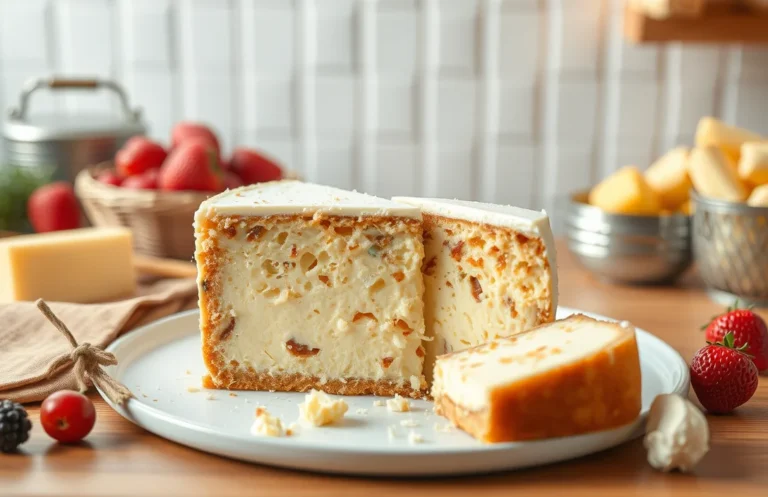
- Check for doneness: The cheesecake should be set around the edges but still slightly jiggly in the center. It will firm up as it cools. Overbaking can lead to a dry texture.
- Cool slowly: After baking, let the cheesecake cool in the oven with the door slightly ajar for about an hour. This reduces the risk of cracks caused by sudden temperature changes.
Cheesecake Variations
Cheesecake is a versatile dessert that can be adapted to suit a variety of dietary preferences and flavor profiles. Understanding these variations allows you to create a cheesecake that meets your specific needs, whether you’re looking for a gluten-free, vegan, or a more traditional version. Here’s a look at some popular cheesecake variations, substitutions, and modifications.
Gluten-Free Cheesecake
To make a gluten-free cheesecake, simply substitute the traditional graham cracker crust with a mixture of gluten-free cookies or almond flour. Here’s a quick reference for the crust:
- 1 ½ cups gluten-free graham cracker crumbs (about 150g)
- ½ cup unsalted butter, melted (115g)
- 2 tablespoons sugar (25g)
Mix these ingredients and press them into your springform pan. Bake at 350°F (175°C) for 10 minutes until slightly golden.
Vegan Cheesecake
For a vegan alternative, replace cream cheese with blended silken tofu or cashews. Here’s how to make a simple vegan cheesecake filling:
- 1 ½ cups raw cashews, soaked for 4 hours
- 1 cup coconut cream (240ml)
- ½ cup maple syrup (120ml)
- 2 tablespoons lemon juice (30ml)
- Blend soaked cashews, coconut cream, maple syrup, and lemon juice until creamy and smooth.
- Pour the mixture over your prepared crust and refrigerate for at least 4 hours until set.
Chef’s tip: Ensure your cashews are fully soaked for the creamiest texture.
Flavor Variations
You can also customize your cheesecake by adding different flavors:
- Chocolate – Add ½ cup melted chocolate (90g) to the cream cheese mixture.
- Fruit – Fold in 1 cup of pureed fruit like strawberries or blueberries for a refreshing twist.
- Matcha or Coffee – Incorporate 2 tablespoons of matcha powder or 2 teaspoons of instant coffee for unique flavor profiles.
With these variations, you can tailor your cheesecake to fit any occasion or dietary requirement. Enjoy experimenting!
Serving and Plating Tips
Presenting your cheesecake beautifully enhances the overall experience of this delightful dessert. Here are some suggestions for serving and pairing that will elevate your cheesecake from delicious to extraordinary.
- Chill Before Serving: Ensure your cheesecake is properly chilled for at least 4 hours, but ideally overnight. This allows the flavors to meld and the texture to set perfectly, making it easier to slice and serve.
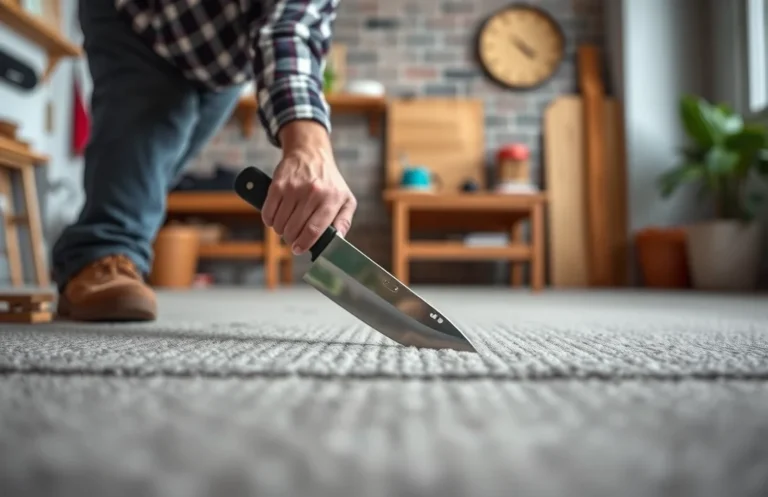
- Slicing Technique: Use a sharp, hot knife to slice your cheesecake. Dip the knife in hot water, wipe it dry, and then cut through the cheesecake. This prevents the crust from crumbling and gives you clean, beautiful slices.
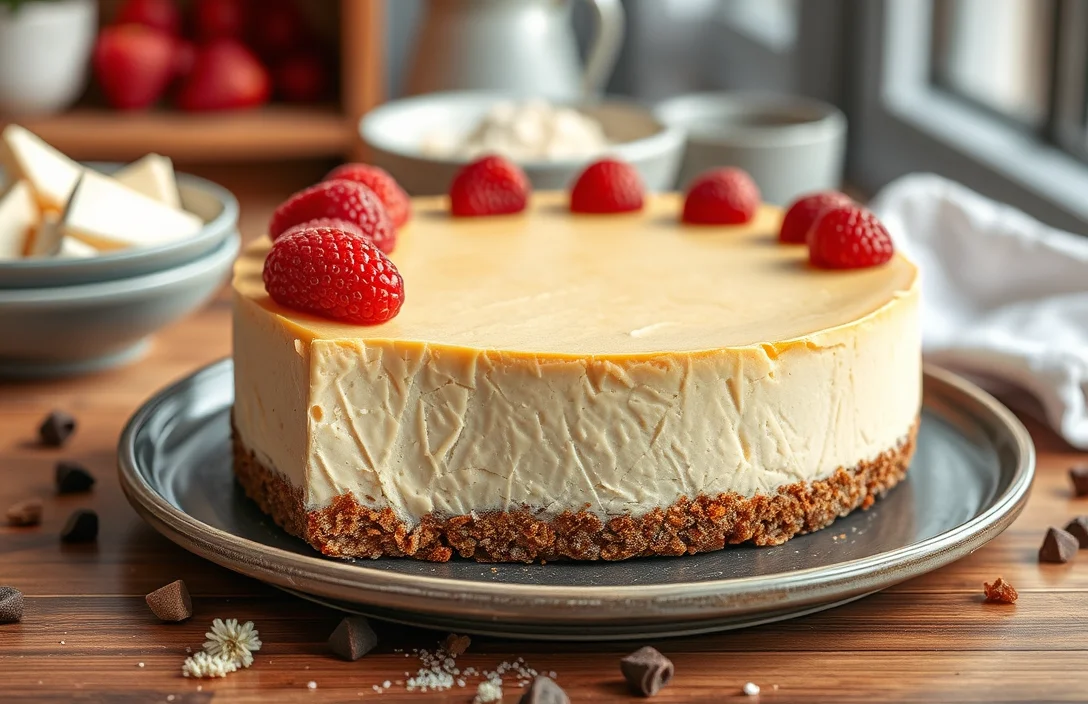
- Garnish Wisely: Top your cheesecake with fresh fruits, such as berries or sliced citrus, for a pop of color and freshness. You can also add a drizzle of chocolate or caramel sauce for an indulgent touch.
- Serve with Whipped Cream: A dollop of freshly whipped cream on the side adds a light, airy contrast to the dense cheesecake. To make whipped cream, beat 1 cup of heavy cream with 2 tablespoons of powdered sugar until soft peaks form.
- Pair with Beverages: Cheesecake pairs wonderfully with coffee or dessert wines. A rich espresso complements the creamy texture, while a sweet dessert wine enhances the flavors of the cheesecake.
- Consider Serving Options: For an elegant presentation, serve individual cheesecake slices on dessert plates with a sprig of mint or a small edible flower. Alternatively, present it whole on a cake stand for a rustic, inviting look.
Quick Summary
| Prep Time | 20 minutes |
|---|---|
| Cook Time | 60 minutes |
| Total Time | 1 hour 20 minutes |
| Servings | 8 servings |
- Prepare the crust: Combine 1 ½ cups of crushed graham crackers with ½ cup of melted butter and press into a 9-inch springform pan.
- Mix the filling: Beat 16 oz of cream cheese with 1 cup of sugar until smooth, then add 3 large eggs one at a time.
- Bake properly: Bake at 325°F (165°C) for 60 minutes or until the center is set.
- Cool gradually: Let the cheesecake cool in the oven with the door ajar to prevent cracking.
- Chill: Refrigerate for at least 4 hours before serving to enhance flavor and texture.
- Tip 1: Use room temperature ingredients for a smoother filling.
- Tip 2: Avoid overmixing to prevent air pockets, which can cause cracks.
Frequently Asked Questions
Can I make this ahead of time? How to store and reheat?
You can definitely make cheesecake ahead of time; it’s best to chill it in the refrigerator for at least 4 hours or overnight. Store it covered in the fridge, and if you need to reheat, do so gently in the oven at 200°F for about 10 minutes.
What can I substitute for cream cheese?
If you’re looking for a substitute for cream cheese, you can use mascarpone cheese or a blend of ricotta and sour cream. Keep in mind that this may slightly alter the texture and flavor of your cheesecake.
How do I know when it’s done?
Your cheesecake is done when the edges are set but the center still has a slight jiggle, which should take about 50-60 minutes at 325°F. It will firm up as it cools, so don’t overbake!
Can I freeze this? How long does it last?
You can freeze cheesecake for up to 3 months if it’s wrapped tightly in plastic wrap and then aluminum foil. Thaw it in the fridge overnight before serving for the best texture.
Why did my cheesecake turn out cracked?
Cracks often occur due to too much heat or baking it too quickly; try baking it in a water bath to create a gentler cooking environment next time. If cracks do appear, you can cover them with a layer of whipped cream or fruit topping for a pretty fix!

- Make Cheesecake Up to 3 Days Ahead: Tips for Best Flavor & Texture - March 4, 2026
- Easy No-Bake Cool Doen Cheesecake: Quick Recipe & Tips - March 4, 2026
- Decadent Dulce de Leche Cheesecake: Easy Step-by-Step Recipe - March 4, 2026