7 Qualities That Define a High-Quality Sloyd Knife
Understanding what defines a good sloyd knife can open up new possibilities for woodcraft enthusiasts. These tools are essential for carving and shaping wood, making their selection critical for both beginners and seasoned crafters alike. What should you consider when choosing the right one?
A good sloyd knife should have a comfortable grip, high-quality steel for durability, and a suitable blade shape for various tasks. Additionally, balance and weight play vital roles in ensuring precise control during use.
Defining Sloyd Knife Quality
A quality sloyd knife stands out based on several key characteristics that enhance its performance and usability. Understanding these attributes helps in selecting the right tool for wood carving and other crafts. A good sloyd knife should exhibit excellent craftsmanship, functionality, and durability.
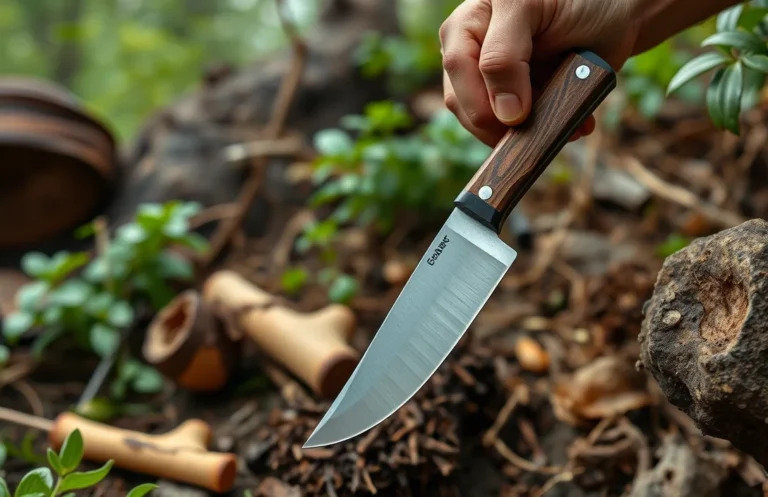
One of the primary aspects of quality is the knife’s design, which should provide a comfortable grip and intuitive handling. A well-shaped handle made from durable materials ensures that the knife is easy to control, reducing fatigue during extended use. Additionally, the blade geometry is critical; a properly designed blade allows for precision cuts and versatility in various carving tasks.
Another factor is the knife’s balance. A well-balanced sloyd knife will feel stable in hand, facilitating accurate movements. This balance contributes to the overall comfort and effectiveness of the knife. Finally, the finishing of the blade plays a significant role in quality. A smooth finish not only improves aesthetics but also enhances cutting performance and longevity.
Blade Material Types
Blade material significantly affects a sloyd knife’s performance, durability, and maintenance. Understanding the differences between materials can guide your choice based on intended use and personal preference. The two most common blade materials are carbon steel and stainless steel, each with distinct characteristics.
Carbon steel blades are favored for their ability to achieve a sharp edge and maintain it longer than many other materials. They are easier to sharpen, making them ideal for detailed carving work. However, carbon steel is prone to rust and requires regular maintenance, including oiling and proper drying after use.
Stainless steel, on the other hand, offers excellent corrosion resistance, making it suitable for outdoor and humid environments. While it may not hold an edge as well as carbon steel, advancements in metallurgy have improved the sharpness and durability of stainless steel knives. For users who prioritize low maintenance, stainless steel is often the better choice.
Ultimately, the choice between carbon and stainless steel depends on personal preferences and the specific tasks the sloyd knife will perform. Consider your working environment and how much upkeep you are willing to commit to maintaining the blade.
Blade Geometry Importance
Blade geometry significantly influences the cutting efficiency of a sloyd knife. The shape and angle of the blade determine how well it can slice through various materials, impacting the precision and ease of your work. Understanding these factors can enhance your crafting experience.
- Curvature and Angle: The curvature of the blade affects its cutting action. A more pronounced curve allows for smoother, more fluid cuts, ideal for shaping and carving. Conversely, a straighter blade is better suited for precise, straight cuts. The angle of the blade also matters; a steeper angle can provide sharper cuts but may require more skill to control.
- Thickness Characteristics: The thickness of the blade contributes to its rigidity and cutting power. Thicker blades are generally more robust and can handle tougher materials, while thinner blades offer greater finesse for detailed work. Balancing thickness with the intended use is essential for optimal performance.
Grip Design Features
The design of a sloyd knife’s grip significantly influences its usability. An ergonomic handle ensures comfort during extended use and enhances precision while carving. Key features include material choices, shape, and overall comfort that align with the user’s hand size and grip style.
- Material Choices: Select grips made from materials like hardwood, rubber, or synthetic composites. Wood offers a traditional feel, while rubber provides better grip and shock absorption, reducing hand fatigue.
- Shape: The handle should fit naturally in the hand. Contoured shapes that support the fingers and palm can enhance control. Consider handles with finger grooves for added stability.
- Comfort: A well-designed grip minimizes pressure points. Test various shapes and sizes to find one that feels comfortable during prolonged use. A comfortable grip allows for more precise movements and reduces the risk of fatigue.
Edge Retention Techniques
Maintaining the sharpness and longevity of a sloyd knife’s blade is crucial for effective woodworking. Several techniques can enhance edge retention, ensuring that the knife performs well over time while minimizing the need for frequent sharpening.
Heat Treatment: The process of heat treatment involves heating the blade steel to specific temperatures and then cooling it rapidly. This process alters the microstructure of the steel, enhancing its hardness and wear resistance. Proper heat treatment can significantly improve edge retention, making the blade less prone to chipping and dulling during use.
Sharpening Methods: Regularly sharpening the blade using appropriate methods is essential for maintaining its edge. Employing a whetstone or diamond stone allows for precise sharpening angles, which is critical for achieving a razor-sharp edge. Additionally, honing the blade after each use can help maintain sharpness without needing to remove much material, thus prolonging the blade’s life.
By incorporating effective heat treatment and proper sharpening techniques, users can ensure that their sloyd knife remains sharp and functional, enhancing their woodworking experience.
Comparing Sloyd Knife Brands
Understanding the varying quality across different sloyd knife brands is crucial for making an informed purchase. Each brand offers unique features, materials, and craftsmanship, impacting the knife’s performance and durability. Evaluating budget versus premium options and checking user reviews can guide your decision-making process.
Budget knives often provide basic functionality and may be suitable for beginners or casual users. However, they might compromise on materials and longevity. Premium brands focus on superior craftsmanship, using high-quality steel and ergonomic designs, which often translates to better performance and longer-lasting edges. Investing in a premium knife can lead to a more satisfying carving experience.
User reviews and ratings are invaluable resources. They provide insights into real-world performance and user satisfaction. Pay attention to feedback regarding edge retention, comfort during use, and overall durability. Look for reviews that highlight specific experiences, as this can reveal strengths and weaknesses of each brand.
Case Studies of Quality Knives
This section highlights specific examples of high-quality sloyd knives that are well-regarded in the woodworking community. Understanding these models can provide insight into what constitutes an excellent sloyd knife, showcasing the features and user experiences that stand out.
- Morakniv 106: Renowned for its versatility and durability, the Morakniv 106 features a high carbon steel blade, which retains sharpness well. Users appreciate its comfortable handle, making it ideal for both beginners and seasoned woodworkers.
- Flexcut KN100: This knife is praised for its ergonomic design and ability to handle intricate details. Crafted from high-quality steel, it offers great edge retention, which is crucial for detailed sloyd work. Testimonials often highlight its ease of use during long carving sessions.
- Stubai 4: This knife is favored for its robust construction and outstanding performance in various wood types. Users frequently commend its solid grip and balance, which enhance control during carving. It’s particularly popular among those who engage in larger projects.
Exploring these models demonstrates the range of features that contribute to a good sloyd knife, from blade material to handle design, all of which significantly impact the carving experience.
Quick Summary
- Quality materials: A good sloyd knife is made from high-carbon steel for durability and sharpness.
- Comfortable handle: The handle should be ergonomically designed for a secure grip during extended use.
- Proper blade shape: A well-designed blade shape allows for precision and versatility in carving tasks.
- Ease of sharpening: A sloyd knife should be easy to sharpen to maintain its cutting edge over time.
- Balanced weight: The knife should feel balanced in the hand, providing control and reducing fatigue.
- Safety features: A good sloyd knife includes features that enhance safety during use, such as a protective sheath.
- Reputation of the maker: Choosing a knife from a reputable manufacturer can ensure quality and reliability.
Frequently Asked Questions
What is a sloyd knife?
A sloyd knife is a specialized tool used in wood carving and whittling, designed for creating intricate shapes and details. It typically features a sharp, curved blade that allows for precise cuts and control during the carving process.
What materials should a good sloyd knife be made of?
A good sloyd knife is usually made from high-carbon steel or stainless steel, which provides excellent edge retention and durability. The handle is often crafted from hardwood or ergonomic materials for a comfortable grip during extended use.
How important is the blade shape for a sloyd knife?
The blade shape is crucial as it affects the knife’s versatility and ease of use. A curved blade is ideal for creating detailed carvings, while a straight blade is better for general cutting tasks, making it important to choose a shape that aligns with your intended projects.
What size of sloyd knife is best for beginners?
For beginners, a sloyd knife with a blade length of around 3 to 4 inches is recommended. This size strikes a balance between control and capability, allowing new users to practice their skills without feeling overwhelmed.
How do I maintain my sloyd knife?
Maintaining your sloyd knife involves regular sharpening and cleaning. It’s essential to keep the blade clean and dry to prevent rust, and using a whetstone or strop will help maintain a sharp edge for optimal performance.

- 10 Best Cheese Knife With Holes For Smooth Slice 2026 - March 9, 2026
- Make Cheesecake Up to 3 Days Ahead: Tips for Best Flavor & Texture - March 4, 2026
- Easy No-Bake Cool Doen Cheesecake: Quick Recipe & Tips - March 4, 2026