7 Tips for Choosing the Right Knife Size for Whittling
Whittling is not just a hobby; it’s a form of art that allows for creativity and expression. Choosing the right knife plays a crucial role in this craft, impacting both your comfort and the quality of your work. Understanding the options available can make all the difference.
For whittling, the ideal knife size typically falls between 1.5 to 3 inches in blade length. A flexible blade is recommended for detailed work, while a fixed blade offers stability. Always consider ergonomics and personal comfort to enhance your whittling experience.
Whittling Knife Basics
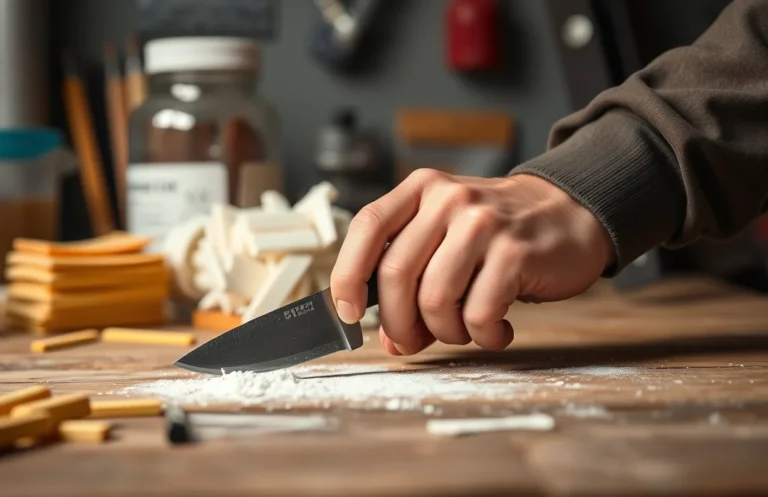
Whittling knives are specifically designed for carving and shaping wood, and their size plays a crucial role in the effectiveness of your projects. Selecting the right size knife can enhance comfort, control, and precision in your work. Understanding the characteristics of whittling knives will help you make an informed choice.
Typically, a good whittling knife features a blade length ranging from 2.5 to 4 inches. This size allows for intricate detail while still providing enough leverage for larger cuts. The handle should be comfortable and fit well in your hand, allowing for extended use without fatigue. A lightweight knife also aids in better control, making it easier to maneuver while working on finer details.
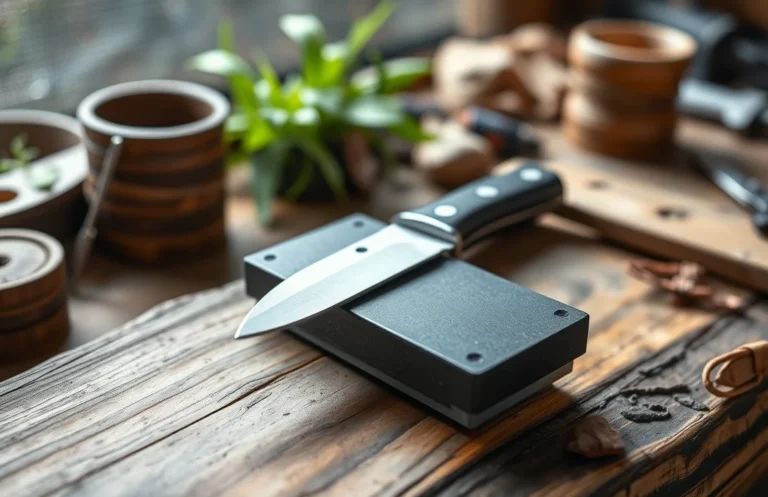
Additionally, the blade should be sharp and made from quality steel to ensure clean cuts. A tapered blade design is often preferred, as it allows for versatility in both push and pull cuts. Ultimately, choosing a knife that feels balanced in your hand and suits your carving style will lead to better results in your whittling projects.
Knife Blade Length Explained
Blade length plays a crucial role in whittling performance, influencing precision, control, and the overall ease of carving. Selecting the right length can significantly enhance your crafting experience, allowing for detailed work or broader strokes depending on your project. Here’s what you need to know about standard blade lengths and how they compare.
- Standard Blade Lengths: Whittling knives typically come in blade lengths ranging from 2.5 inches to 4 inches. Shorter blades (around 2.5 to 3 inches) offer better control for intricate details, making them ideal for fine carving. Longer blades (3.5 to 4 inches) provide more power for larger cuts and shaping, suitable for quick removal of material.
- Short vs Long Blades: Short blades excel in precision tasks, allowing for more delicate and accurate cuts. They are less intimidating for beginners and facilitate intricate designs. Long blades, however, are beneficial for broader strokes and rough shaping, making them more versatile for various whittling projects. Choosing between them depends on your specific needs and the complexity of your designs.
Blade Width and Thickness
Blade width and thickness play crucial roles in achieving control and precision while whittling. The choice between a thin blade and a thicker blade will depend on the specific details of your project and your personal comfort with the tool.
Thin blades are ideal for detail work. Their narrow width allows for intricate carving, enabling the creation of fine lines and delicate features. This precision is particularly beneficial when working on small projects or when you want to achieve a high level of detail in your carvings.
On the other hand, thicker blades offer greater strength and stability. A thicker blade can withstand more pressure and is less likely to break during heavy carving tasks. This makes it suitable for larger projects or for removing substantial amounts of wood quickly. The added thickness also provides a sense of control, especially for beginners who may feel more comfortable with a sturdier tool.
Ultimately, selecting the right blade width and thickness will depend on your specific whittling needs and your skill level. Consider having both options in your toolkit to adapt to different tasks effectively.
Choosing Knife Handle Size
The size of a knife handle significantly impacts control during whittling. A well-sized handle ensures comfort and precision, which are crucial for detailed work. Selecting the right handle size can enhance your ability to manipulate the knife effectively, leading to better results in your whittling projects.
- Small Handles for Precision: Smaller handles allow for finer control, making them ideal for intricate whittling tasks. These handles fit snugly in the hand and enable delicate movements, which are necessary for detailed carving and shaping.
- Larger Handles for Grip: Larger handles provide a more comfortable grip and can be beneficial for extended whittling sessions. They reduce hand fatigue and offer stability, allowing for broader strokes and less precise, more aggressive whittling techniques.
Ultimately, the best handle size depends on your hand size, the complexity of the project, and your carving style. Testing various knife handles can help you find the perfect fit for your whittling needs.
Whittling Techniques with Knives
Knife size and shape directly influence the effectiveness of various whittling techniques. Understanding how these factors affect your cuts can enhance your ability to create clean and precise designs. Two common techniques that vary based on knife size are straight cuts and curved cuts.
Straight Cuts: A longer blade provides stability and force for making straight cuts, ideal for shaping larger pieces of wood. If using a smaller knife, focus on controlled, short strokes to maintain accuracy. The blade’s width also plays a role; a thinner blade can glide through the wood more easily, while a thicker blade offers more strength.
Curved Cuts: For intricate designs, a smaller, curved blade is more advantageous. The compact size allows for better maneuverability and control, making it easier to follow the contours of the wood. A knife with a pronounced curve can create smooth, flowing shapes, while a straight blade may struggle with tight turns. Choosing the right size and shape of the knife for your specific cutting technique will significantly enhance your whittling experience.
Comparing Knife Sizes in Whittling
Understanding the differences between small, medium, and large knives is essential for selecting the right tool for your whittling projects. Each size has unique characteristics that cater to specific tasks, influencing both the ease and precision of your work.
| Knife Size | Typical Length | Best For |
|---|---|---|
| Small Knives | 1-2 inches | Detail work, carving small features |
| Medium Knives | 2-4 inches | General whittling, shaping larger pieces |
| Large Knives | 4+ inches | Heavy carving, larger projects |
Small knives excel in precision, making them ideal for intricate designs. Medium knives offer versatility, suitable for both detailed and general whittling tasks. Large knives are best for heavy-duty carving, allowing you to remove substantial amounts of material quickly. Choosing the right knife size will enhance your whittling experience and the quality of your finished pieces.
Whittling Projects by Knife Size
Choosing the right knife size for your whittling projects greatly influences the complexity and detail you can achieve. Different knife sizes cater to various project scales, from intricate details to larger forms. Here are examples of projects suitable for small, medium, and large knives.
Small Projects
Use a small knife, typically with a blade length of 2 to 3 inches, for detailed work. Ideal projects include:
- Carving small animals or figurines
- Creating intricate patterns or designs in wood
- Making buttons or small spoons
Medium Projects
A medium knife, with a blade length of 3 to 5 inches, is versatile for a range of projects. Suitable options are:
- Whittling walking sticks or canes
- Crafting simple wooden toys
- Shaping bowls or larger spoons
Large Projects
For larger projects, choose a knife with a blade length of 5 inches or more. These are perfect for:
- Carving larger sculptures or totem poles
- Creating furniture or decorative pieces
- Working on extensive outdoor projects like garden ornaments
Selecting the appropriate knife size enhances your whittling experience, ensuring your projects are both enjoyable and successful.
Quick Summary
- The ideal knife size for whittling typically ranges between 3 to 5 inches in blade length.
- A smaller knife allows for greater control and precision, making it suitable for detailed work.
- Look for a knife with a comfortable handle that fits well in your hand for extended use.
- Consider a blade made from high-carbon steel for durability and ease of sharpening.
- Choosing a knife with a flat grind helps achieve cleaner cuts and finer details.
- A whittling knife should have a sharp point for intricate carving and a sturdy spine for strength.
- Ultimately, personal preference and the type of projects you undertake should guide your knife selection.
Frequently Asked Questions
What size knife is best for whittling?
A knife with a blade length of 2 to 4 inches is typically ideal for whittling. This size offers a good balance between control and versatility, allowing you to create detailed designs while still being manageable for extended projects.
Should I choose a fixed blade or folding knife for whittling?
Fixed blade knives are generally preferred for whittling due to their strength and stability. They offer more control and are less likely to accidentally close during use, making them safer for intricate work.
Is a straight blade or a curved blade better for whittling?
A straight blade is often better for detailed cuts and precision work, while a curved blade can be useful for shaping and smoothing surfaces. Ultimately, the choice depends on your specific whittling projects and personal preference.
What materials should the knife blade be made of?
Look for blades made of high-carbon steel, stainless steel, or tool steel for whittling. High-carbon steel holds an edge well and is easy to sharpen, while stainless steel offers good rust resistance for outdoor use.
Do I need any other tools besides a whittling knife?
While a whittling knife is the primary tool, having a carving glove and a strop for sharpening can enhance your experience. Additionally, a small saw or carving tools can be helpful for more complex projects.

- 10 Best Cheese Knife With Holes For Smooth Slice 2026 - March 9, 2026
- Make Cheesecake Up to 3 Days Ahead: Tips for Best Flavor & Texture - March 4, 2026
- Easy No-Bake Cool Doen Cheesecake: Quick Recipe & Tips - March 4, 2026