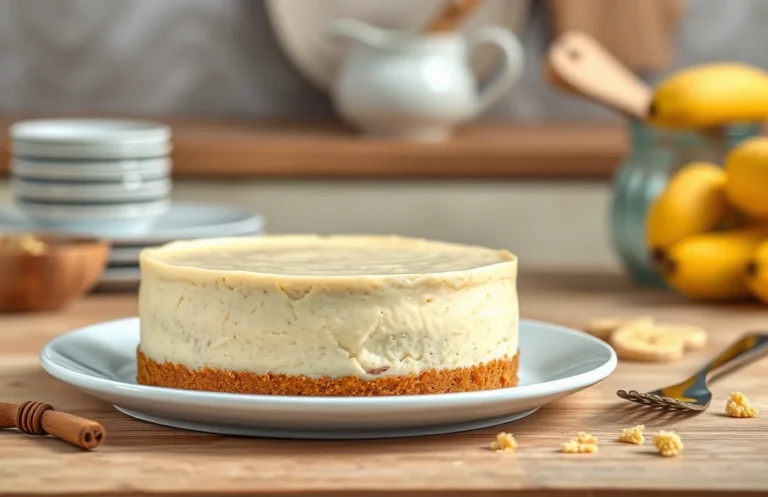
Can You Freeze Cheesecake with Whipping Cream? Tips & Tricks
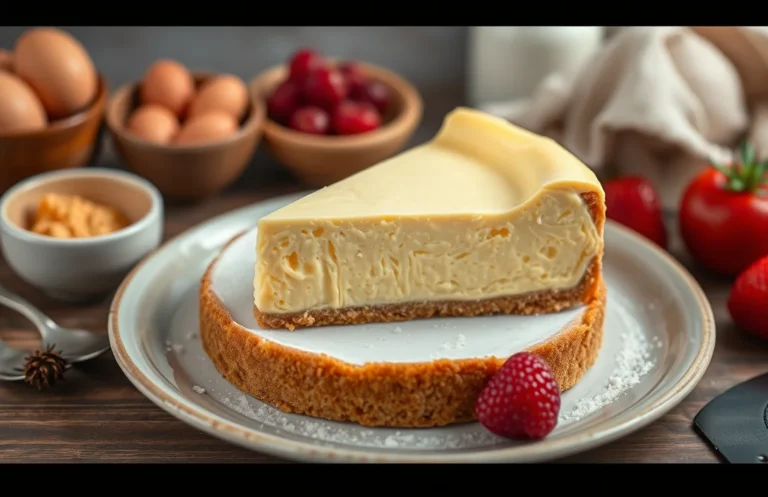
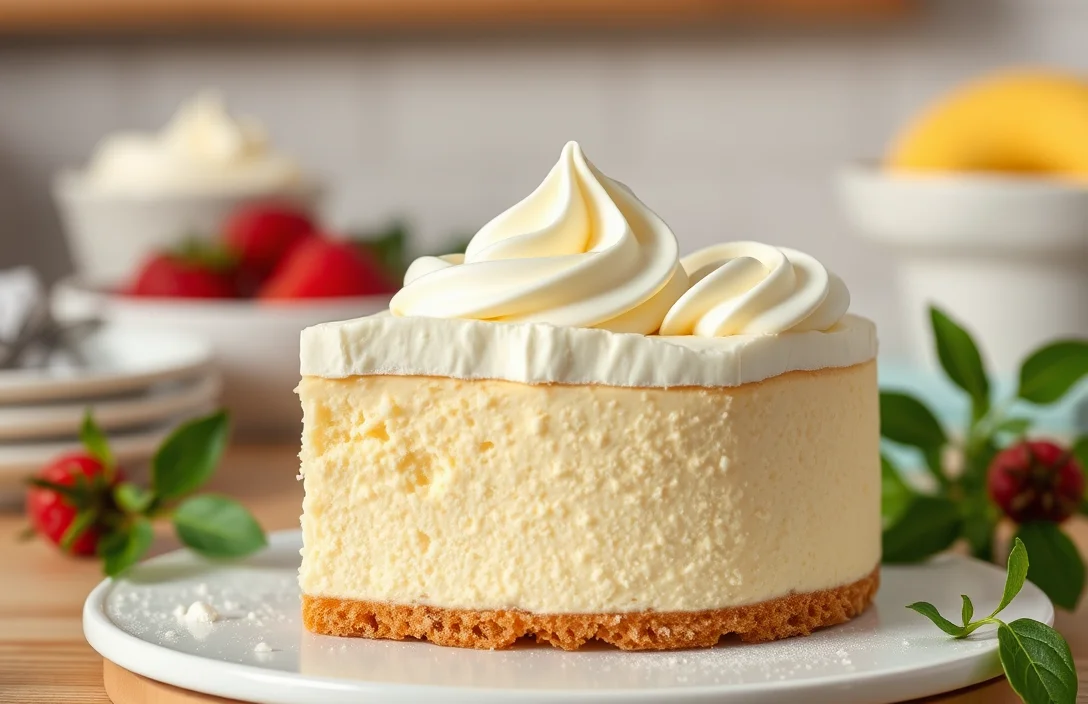
Cheesecake is the ultimate indulgence, especially when it’s creamy, rich, and topped with your favorite fruit. The combination of cream cheese and whipping cream creates a texture that melts in your mouth, making it a perfect dessert for any occasion. Imagine serving this delightful treat at your next gathering, and watching your friends and family devour every slice!
Total Time: 4 hours, Difficulty: Easy, Servings: 8.
| Prep Time | Cook Time | Total Time | Servings | Difficulty |
|---|---|---|---|---|
| 30 minutes | 1 hour | 4 hours | 8 | Easy |
Cheesecake Origins and Significance
Understanding the origins and significance of cheesecakes, especially those made with whipping cream, is essential for appreciating their unique characteristics and how they respond to freezing. Historically, cheesecakes have been beloved across cultures for their creamy texture and rich flavors, but the addition of whipping cream adds a lightness that can complicate the freezing process.
Historical Context
Cheesecakes date back to ancient Greece, where they were served to athletes during the first Olympic Games. The Romans later adapted the recipe, spreading it throughout Europe. In the United States, the introduction of cream cheese in the 19th century gave rise to the iconic New York-style cheesecake that many adore today.
Cultural Popularity
- America: Cheesecakes are a staple in American dessert culture, often served at celebrations, holidays, and family gatherings.
- Europe: Variants like the German Käsekuchen and Italian Ricotta cheesecake showcase diverse flavors and textures, demonstrating the cake’s adaptability.
- Asia: In Japan, a lighter, souffle-style cheesecake has gained popularity, highlighting the versatility of this beloved dessert.
“The texture of a cheesecake made with whipping cream is airy and smooth, but freezing can sometimes alter this delicate balance.”
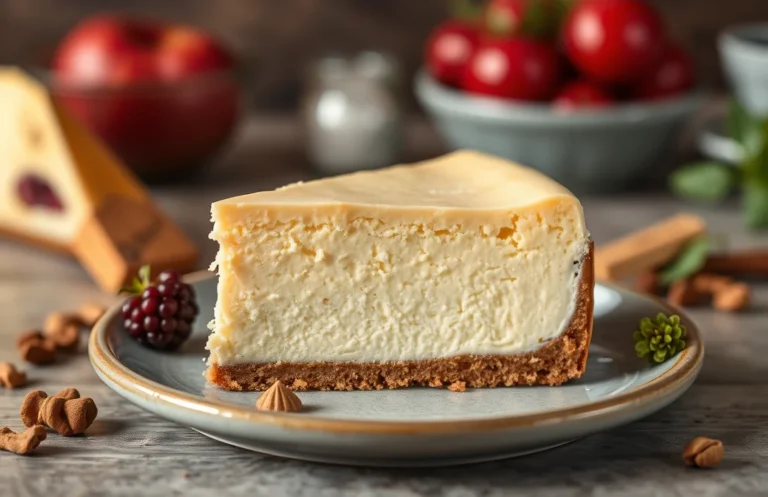
When it comes to freezing cheesecakes that include whipping cream, it’s crucial to know how this ingredient affects their texture and flavor. The creamy, airy structure of whipping cream can separate or become grainy when thawed, making the technique of freezing and thawing particularly important to master.
Ingredients for Freezing Cheesecake
This section outlines the essential ingredients for making a cheesecake that includes whipping cream, which can be frozen for later enjoyment. Knowing the right measurements and types of ingredients helps ensure that your cheesecake maintains its flavor and texture, even after being frozen.
| Item | Amount/Specification | Notes |
|---|---|---|
| Cream Cheese | 16 ounces (450g) | Use full-fat for best results. |
| Whipping Cream | 1 cup (240ml) | Heavy whipping cream works best; avoid light versions. |
| Sugar | ¾ cup (150g) | Granulated sugar is ideal. |
| Eggs | 3 large eggs | Room temperature eggs blend better. |
| Graham Cracker Crust | 1 ½ cups (150g) crushed | Combine with ½ cup (115g) melted butter for crust. |
- Use fresh ingredients to maximize flavor.
- Consider using gluten-free graham crackers if needed.
- Thoroughly soften cream cheese for smoother blending.
- Whip the cream until stiff peaks form to maintain texture during freezing.
Essential Kitchen Tools
Preparing and freezing cheesecakes, especially those with whipping cream, requires specific kitchen tools to achieve the best results. Having the right equipment not only simplifies the process but also ensures your cheesecake maintains its texture and flavor during freezing.
| Item | Amount/Specification | Notes |
|---|---|---|
| Mixing Bowls | 2 large bowls | One for the crust and one for the filling |
| Springform Pan | 9-inch (23 cm) | Essential for easy removal of the cheesecake |
| Electric Mixer | 1 | For whipping cream and mixing filling until smooth |
| Freezer-safe Containers | 1 or more | Ensure they are airtight to prevent freezer burn |
- Choose a sturdy mixing bowl to prevent spills while mixing ingredients.
- A good electric mixer will help achieve the right consistency when whipping cream; look for one with a whisk attachment.
- Line the bottom of your springform pan with parchment paper for easier lifting.
- Label your freezer-safe containers with the date to keep track of freshness.
Step-by-Step Cheesecake Preparation
This section provides you with clear, step-by-step instructions on preparing a cheesecake that includes whipping cream as one of its ingredients. Knowing how to properly prepare the cheesecake is crucial, especially if you plan to freeze it later, as the texture and flavor can be affected during the freezing process.
- Preparing the Crust: Start by preheating your oven to 350°F (175°C). In a mixing bowl, combine 1 ½ cups (150g) of graham cracker crumbs, ½ cup (100g) of granulated sugar, and ½ cup (115g) of melted unsalted butter. Mix until the crumbs are evenly coated and resemble wet sand. Press the mixture firmly into the bottom of a 9-inch (23cm) springform pan, ensuring it’s compact and even. Bake the crust for 10 minutes until lightly golden, then allow it to cool.
- Mixing the Filling: In a large mixing bowl, beat 16 ounces (450g) of softened cream cheese until smooth and creamy, about 2-3 minutes. Gradually add 1 cup (200g) of granulated sugar and 1 teaspoon of vanilla extract, mixing well. Incorporate ½ cup (120ml) of whipping cream and beat until fully combined and fluffy. The filling should be thick and glossy with a smooth texture.
- Baking Instructions: Pour the filling onto the cooled crust, smoothing the top with a spatula. Bake in the preheated oven for 50-60 minutes. The edges should be set while the center is slightly jiggly. Once done, turn off the oven, crack the door, and let the cheesecake cool for about 1 hour to prevent cracking. After cooling, refrigerate for at least 4 hours, preferably overnight, before serving.
Chef’s tip: To prevent cracks, try adding a water bath during baking by placing the springform pan in a larger pan filled with water.
Freezing Techniques for Cheesecake
Freezing cheesecakes that contain whipping cream can be a bit tricky, but with the right techniques, you can preserve their texture and flavor. This section covers essential wrapping methods, suitable storage containers, and how long you can freeze your cheesecake without compromising quality.
- Wrapping Techniques: To maintain the integrity of your cheesecake, wrap it tightly in plastic wrap. Use at least two layers to create a barrier against air, which can cause freezer burn. For added protection, consider wrapping the cheesecake in a layer of aluminum foil after the plastic wrap. This method helps preserve the creamy texture that whipping cream provides.
- Storage Containers: If you prefer using a container, select an airtight freezer-safe container that fits your cheesecake snugly. Make sure to line the bottom with parchment paper to prevent sticking. Alternatively, you can use a disposable aluminum pan with a lid, which is great for easy transport and storage. Just ensure the lid seals well to keep moisture out.
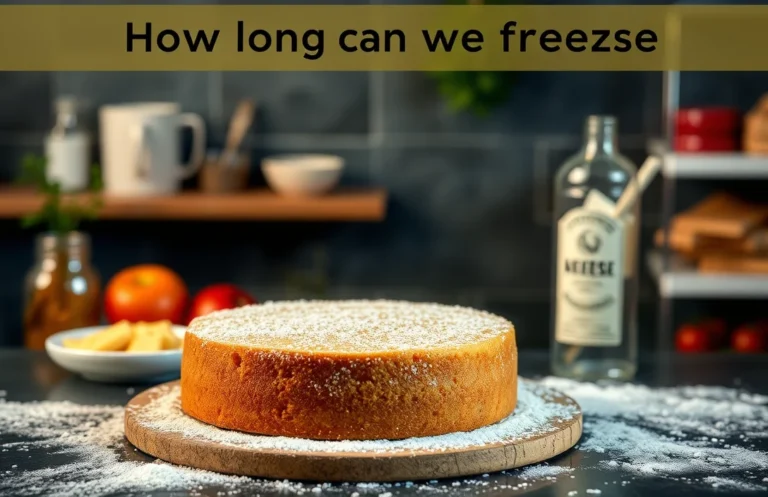
- Freezing Duration: Cheesecakes with whipping cream can be frozen for up to 2-3 months without significant loss of quality. However, to enjoy the best flavor and texture, aim to consume them within the first month. Mark your containers with the date they were frozen to keep track of freshness.
Chef’s tip: For best results, freeze the cheesecake before adding any toppings, as they may not freeze well and can affect texture.
Thawing Cheesecake Safely
Properly thawing your frozen cheesecake, especially those containing whipping cream, is crucial to maintaining its delightful texture and flavor. This section provides step-by-step guidance on how to safely thaw your cheesecake so it can be enjoyed at its best.
- Refrigerator Thawing: The best method for thawing cheesecake is to place it in the refrigerator. Remove the cheesecake from the freezer and unwrap it completely. Allow it to thaw slowly for about 6 to 8 hours or overnight. This gradual process helps preserve the creamy texture and flavor.
- Quick Thawing Methods: If you’re short on time, you can thaw the cheesecake more quickly by placing it in a sealed plastic bag and submerging it in a bowl of cold water. Make sure the water is cold to prevent any temperature shock. This method usually takes about 1 to 2 hours, depending on the size of the cheesecake.
- What to Avoid: Avoid thawing cheesecake in the microwave or at room temperature. Microwaving can create uneven heat, causing the cheesecake to become rubbery and lose its desirable texture. Thawing at room temperature can lead to a compromised flavor and texture due to rapid temperature changes.
Chef’s tip: Always check the cheesecake after thawing; it should feel slightly firm to the touch but not icy or hard. If it seems too soft, it may have thawed too quickly.
Common Cheesecake Issues
Freezing cheesecakes that contain whipping cream can lead to some specific challenges. Understanding these issues will help you preserve the taste and texture of your cheesecake, ensuring that it remains a delightful treat even after freezing.
Texture Changes
Symptom: After thawing, the cheesecake may have a grainy or watery texture.
Cause: Whipping cream can separate during the freezing process, leading to changes in texture.
Fix: To minimize texture changes, ensure that your cheesecake is fully chilled before freezing. Wrap it tightly in plastic wrap and then in aluminum foil to prevent freezer burn. When thawing, place it in the refrigerator for several hours or overnight instead of at room temperature, which helps retain texture.
Flavor Loss
Symptom: The cheesecake may taste bland or less flavorful after being frozen.
Cause: Freezing can sometimes dull the flavors, especially if the cheesecake is not properly sealed.
Fix: Use high-quality ingredients and consider adding a little extra vanilla extract or citrus zest before freezing to enhance the flavor. Properly wrap the cheesecake to avoid air exposure, which can lead to flavor loss.
Cracking Issues
Symptom: The cheesecake develops cracks on the surface after thawing.
Cause: Rapid temperature changes can cause the cheesecake to crack.
Fix: To prevent this, allow the cheesecake to cool gradually before freezing. Also, when thawing, do so slowly in the refrigerator rather than at room temperature, which helps maintain its structure.
Serving and Pairing Suggestions
Understanding how to serve and pair your cheesecake can elevate the dessert experience, especially when freezing has been involved. Proper toppings and beverage pairings can enhance the flavors of your cheesecake, making it even more delightful after thawing.
Toppings and Sauces
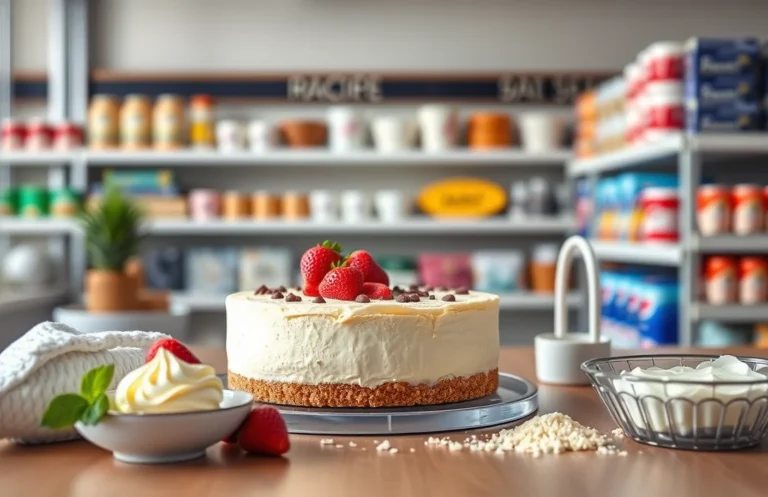
- Fresh Berries: Consider topping your cheesecake with a mix of fresh strawberries, raspberries, or blueberries. About 1 cup of mixed berries adds a refreshing tartness that complements the richness of the cheesecake.
- Chocolate Ganache: A silky chocolate ganache can be drizzled over the cheesecake for a luxurious touch. To make it, heat ½ cup of heavy cream until just simmering, then pour it over 1 cup of chopped dark chocolate. Let it sit for 5 minutes before whisking until smooth.
- Caramel Sauce: Drizzle homemade or store-bought caramel sauce over the top for a sweet contrast. Aim for about ¼ cup for an indulgent finish that pairs beautifully with the creamy texture of the cheesecake.
Beverage Pairings
- Coffee: A rich cup of coffee can balance the sweetness of your cheesecake. Consider serving a dark roast at around 190°F (88°C) for an aromatic experience.
- Sweet Wine: Pair your cheesecake with a sweet dessert wine, such as a late harvest Riesling, which has a great acidity that cuts through the creaminess. Serve chilled at 45°F (7°C).
- Herbal Tea: Opt for a soothing herbal tea like chamomile or mint. Brew it at 200°F (93°C) for about 5 minutes to enjoy a lighter contrast to the dessert.
Quick Summary
| Prep Time | 20 minutes |
|---|---|
| Cook Time | 60 minutes |
| Total Time | 1 hour 20 minutes |
| Servings | 8 |
- Whipping Cream: Use stabilized whipping cream for better freezing results.
- Cooling Time: Allow cheesecake to cool completely before freezing to prevent ice crystals.
- Wrapping: Wrap tightly in plastic wrap and then foil to avoid freezer burn.
- Thawing: Thaw in the refrigerator overnight for best texture.
- Storage Duration: Cheesecake can be frozen for up to 3 months.
Frequently Asked Questions
Can I make this ahead of time? How to store and reheat?
You can absolutely make this cheesecake ahead of time! Just store it in the refrigerator for up to 3 days, covered tightly with plastic wrap, and serve it chilled.
What can I substitute for whipping cream?
You can substitute whipping cream with full-fat coconut cream or mascarpone cheese for a similar texture. However, the flavor will change slightly, so choose based on your preference.
How do I know when it’s done?
Your cheesecake is done when the edges are set but the center has a slight jiggle, which usually takes about 50-60 minutes at 325°F (163°C) in the oven. It will continue to firm up as it cools.
Can I freeze this? How long does it last?
You can freeze cheesecakes with whipping cream, and they will last for up to 2-3 months in the freezer. Make sure to wrap it tightly in plastic wrap and then in aluminum foil to prevent freezer burn.
What if I don’t have a springform pan?
If you don’t have a springform pan, you can use a regular round cake pan, but make sure to line the bottom and sides with parchment paper for easy removal. Just be gentle when you take it out, as it may not hold its shape as well.

- Decadent Peanut Butter No-Bake Cheesecake: Easy Recipe to Indulge - April 3, 2026
- Delicious Mango No-Bake Cheesecake: Step-by-Step Recipe - April 3, 2026
- Decadent Raspberry No-Bake Cheesecake: Easy Step-by-Step Recipe - April 3, 2026