Can You Freeze Cheesecake? Tips for Perfect Storage and Thawing
Cheesecake is the ultimate indulgence, a creamy and rich dessert that can transform any ordinary evening into a celebration. Whether it’s a classic New York-style cheesecake or a fruity variation, each bite melts in your mouth, leaving you craving more. Imagine serving a slice after dinner, with a perfectly brewed cup of coffee — pure bliss!
Wondering if you can freeze cheesecake? You can! This guide provides step-by-step instructions on freezing and thawing cheesecake properly, ensuring it retains its delicious flavor and creamy texture. You’ll find out the total time needed, serving sizes, and difficulty level.
| Prep Time | Cook Time | Total Time | Servings | Difficulty |
|---|---|---|---|---|
| 15 minutes | 60 minutes | 75 minutes | 8 servings | Easy |
Cheesecake Origins and Specialties
Cheesecake has a rich history that spans centuries and cultures, making it not only a delicious dessert but also a significant culinary artifact. Understanding its origins and variations can enhance your appreciation for this creamy delight and inform how you handle it, especially when considering freezing options.
Historical Background
- Ancient Greece: The earliest known cheesecake dates back to ancient Greece, where it was served to athletes during the first Olympic Games in 776 B.C. Made with simple ingredients like cheese and honey, this early version set the stage for future adaptations.
- Roman Influence: The Romans adopted and modified the Greek cheesecake recipe, adding their own flavors and techniques. They spread the dessert throughout their empire, introducing it to various regions that would further innovate the recipe.
- American Variations: In the United States, particularly in New York, cheesecake took on a new identity with the introduction of cream cheese in the late 19th century. This rich, dense version has since become a classic, often associated with the city itself.
Cultural Variations
- Italian Ricotta Cheesecake: In Italy, cheesecake is often made with ricotta cheese, resulting in a lighter texture and a unique flavor profile. This version is typically sweetened with sugar and flavored with citrus.
- Japanese Cotton Cheesecake: Known for its light and fluffy texture, Japanese cheesecake incorporates whipped egg whites, giving it a soufflé-like quality. It’s less dense than traditional cheesecakes, making it a delightful treat.
- German Käsekuchen: This variation uses quark cheese, providing a tangy flavor. It’s often baked in a pastry crust and topped with fruit, showcasing regional preferences for sweetness and texture.
Ingredients for Cheesecake
This section outlines the essential ingredients needed to create a delicious cheesecake and their specific measurements. Understanding these ingredients is vital, especially if you plan to freeze your cheesecake, as the quality of each component affects the final texture and taste after thawing.
| Item | Amount/Specification | Notes |
|---|---|---|
| Cream Cheese | 24 ounces (680g) | Softened to room temperature for easy mixing. |
| Sugar | 1 cup (200g) | Granulated sugar works best for sweetness and texture. |
| Graham Cracker Crust | 1 ½ cups (150g) crumbs | Mix with ½ cup (115g) melted butter for the crust. |
| Eggs | 3 large | Room temperature helps achieve a smooth batter. |
| Sour Cream | 1 cup (240g) | Adds richness and creaminess. |
- For those with lactose intolerance, consider using dairy-free cream cheese and sour cream alternatives.
- Make sure the cream cheese is fully softened to avoid lumps in your batter.
- If you prefer a sweeter crust, you can add 2 tablespoons of sugar to the graham cracker mixture.
- Be cautious not to overmix the batter after adding the eggs; this can create cracks during baking.
Necessary Kitchen Equipment
To successfully freeze cheesecake, having the right kitchen tools will make the process smoother and more efficient. Below is a list of essential equipment you’ll need to prepare your cheesecake and ensure it freezes properly without compromising its delicious taste and texture.
| Item | Amount/Specification | Notes |
|---|---|---|
| Springform Pan | 9-inch (23cm) | A springform pan allows for easy removal of the cheesecake after baking. |
| Mixing Bowls | 2 medium-sized | Use one for mixing the filling and another for the crust. |
| Freezer Bags | 1 gallon size | These are perfect for storing individual slices or whole cheesecakes. |
- Tip: If you don’t have a springform pan, you can use a regular round cake pan, but be sure to line it with parchment paper for easy removal.
- Tip: Use airtight freezer bags to prevent freezer burn. Squeeze out as much air as possible before sealing.
- Tip: Label your freezer bags with the date and type of cheesecake to keep track of freshness.
Step-by-Step Freezing Instructions
Freezing cheesecake can be a great way to preserve its deliciousness for later enjoyment. Following these step-by-step instructions will ensure that your cheesecake maintains its creamy texture and flavor after being frozen.
- Cooling the Cheesecake: After baking your cheesecake at 325°F (163°C) for about 60-70 minutes, allow it to cool completely at room temperature for at least 2 hours. This step is crucial; if you freeze it while still warm, condensation will form, leading to a watery texture upon thawing.
- Wrapping Techniques: Once cooled, carefully remove the cheesecake from the springform pan. Wrap it tightly in plastic wrap, ensuring there are no gaps for air to enter. For added protection, wrap the cheesecake in aluminum foil as well. Make sure to label the wrapping with the date and type of cheesecake for future reference.
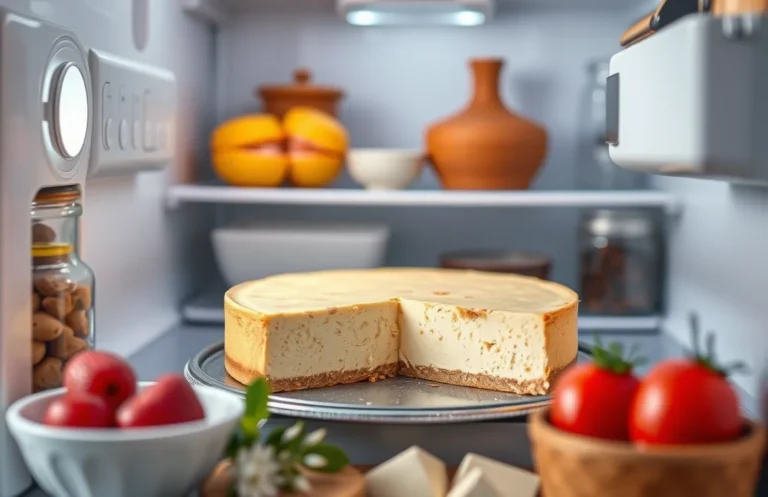
- Freezing Duration: Place the wrapped cheesecake in the freezer. It can be stored for up to 3 months without losing quality. For the best texture and taste, aim to consume it within the first month. Once ready to enjoy, transfer it to the refrigerator for 6-8 hours or overnight to thaw gently.
Chef’s tip: If you plan to slice the cheesecake before freezing, make clean cuts by using a warm knife, wiping it clean between cuts for a neat presentation.
Pro Tips for Freezing Success
Freezing cheesecake can be a great way to preserve its rich flavor and creamy texture, but there are some essential tips to ensure you avoid common pitfalls. Here’s how to maintain the integrity of your cheesecake while freezing and thawing.
Texture Preservation
- Chill Before Freezing: Make sure your cheesecake has cooled completely at room temperature for about 1 hour after baking. Then, refrigerate it for at least 4 hours to firm up.
- Wrap Properly: Use plastic wrap to tightly cover your cheesecake, ensuring no air pockets are left. Follow this with a layer of aluminum foil for extra protection against freezer burn.
- Freeze Quickly: Place the cheesecake in the coldest part of your freezer, ideally at 0°F (-18°C) or lower, to freeze it quickly and preserve texture.
Flavor Maintenance
- Avoid Odor Transfer: Ensure your cheesecake is well-wrapped to prevent it from absorbing other flavors from the freezer. This is particularly important if you store strong-smelling foods nearby.
- Use Fresh Ingredients: When making your cheesecake, opt for high-quality ingredients. Fresh cream cheese (at least 8 ounces), sugar (1 cup), and eggs (2 large) will yield a more flavorful cheesecake that freezes better.
- Thaw with Care: For the best flavor, thaw your cheesecake in the refrigerator for 6-8 hours or overnight. This slow thawing process helps maintain its rich taste and texture.
Chef’s tip: If you notice any ice crystals on your cheesecake after thawing, gently pat them dry with a paper towel to avoid watery spots when serving.
Cheesecake Variations and Freezing
Understanding which types of cheesecake can be frozen is essential for preserving your delicious creations. Different variations have unique textures and flavors that may affect their freeze-ability. Here’s a closer look at popular cheesecake types and how they fare in the freezer.
New York Style Cheesecake
This rich and dense cheesecake freezes beautifully. To freeze, allow it to cool completely after baking, then wrap it tightly in plastic wrap and aluminum foil to prevent freezer burn. It can last up to 3 months in the freezer.
Fruit Topped Cheesecake
Fruit toppings can change the texture upon freezing, so it’s best to freeze the cheesecake without the topping. However, if you want to freeze it with fruit, consider the following:
- Fresh fruit toppings may become mushy; it’s better to add them after thawing.
- Fruit preserves or compotes freeze better and can be added before freezing.
Vegan Cheesecake
Vegan cheesecakes, made with ingredients like cashews or tofu, can also be frozen. Follow these steps:
- Make sure it’s fully set before freezing, typically at least 4 hours in the fridge.
- Wrap it tightly in a freezer-safe container, and it can last up to 2 months.
Chef’s tip: Always label your cheesecake with the date and type before freezing for easy identification later!
| Cheesecake Type | Freezing Duration | Best Practices |
|---|---|---|
| New York Style | Up to 3 months | Wrap tightly in plastic and foil |
| Fruit Topped | Up to 2 months (without fresh fruit) | Freeze without fresh toppings |
| Vegan | Up to 2 months | Ensure fully set before freezing |
By understanding these variations, you can confidently freeze your cheesecakes without compromising their delightful flavors and textures.
Thawing Cheesecake Safely
Thawing your frozen cheesecake properly is crucial to maintaining its creamy texture and rich flavor. A gentle thawing process will help ensure that your cheesecake doesn’t become watery or grainy. Here are two effective methods to thaw your cheesecake safely.
- Refrigerator Method: The best way to thaw your cheesecake is to place it in the refrigerator. Remove the cheesecake from the freezer and unwrap it from its plastic wrap and aluminum foil. Place it on a plate or a cake stand and leave it in the fridge for 6 to 8 hours, or overnight if possible. This slow thawing method helps retain the cheesecake’s texture and flavor, ensuring it remains just as delicious as when it was first made.
- Quick Thawing Tips: If you’re short on time, you can also thaw cheesecake at room temperature. Place the cheesecake on the counter for about 1 to 2 hours, but keep an eye on it to avoid it becoming too warm. Ensure that it’s covered loosely with a clean kitchen towel or plastic wrap to prevent dust from settling on it. Avoid using the microwave for thawing, as it can result in uneven heating, leading to a compromised texture and taste.
Chef’s tip: Always check the cheesecake after thawing. It should feel cool and firm to the touch, without any signs of excess moisture on the surface.
Quick Summary
| Prep Time | 20 minutes |
|---|---|
| Cook Time | 60 minutes |
| Total Time | 1 hour 20 minutes |
| Servings | 8 |
- Cool Completely: Ensure cheesecake is at room temperature before freezing.
- Wrap Properly: Use plastic wrap and aluminum foil to prevent freezer burn.
- Freeze Flat: Place cheesecake on a flat surface until solid before storing.
- Thaw Slowly: Move to the fridge for 24 hours before serving.
- Best Within 3 Months: For optimal flavor and texture, consume within this timeframe.
- Use Quality Ingredients: Fresh cream cheese yields the best results.
- Avoid Overmixing: This helps prevent cracks during baking.
Frequently Asked Questions
Can I make this ahead of time? How to store and reheat?
You can definitely make cheesecake ahead of time; just store it in the refrigerator, covered tightly with plastic wrap for up to 5 days. To reheat, place individual slices in the microwave for about 15-20 seconds until just warmed through.
What can I substitute for cream cheese?
If you don’t have cream cheese, you can use mascarpone cheese or a blend of ricotta and sour cream in equal parts for a similar texture and flavor. Just make sure the substitutes are full-fat for the best results.
How do I know when it’s done?
Your cheesecake is done when the edges are set but the center still has a slight jiggle, which typically takes about 45-60 minutes at 325°F (160°C). It will firm up as it cools, so don’t overbake it!
Can I freeze this? How long does it last?
You can freeze cheesecake for up to 3 months; just wrap it tightly in plastic wrap and then aluminum foil to prevent freezer burn. Thaw it overnight in the refrigerator before serving for the best texture.
Why did my cheesecake turn out cracked?
Your cheesecake likely cracked because it was baked at too high a temperature or overbaked; try baking at 325°F (160°C) and using a water bath next time for a smoother finish. Also, avoid opening the oven door frequently during baking to maintain a consistent temperature.

- Decadent Peanut Butter No-Bake Cheesecake: Easy Recipe to Indulge - April 3, 2026
- Delicious Mango No-Bake Cheesecake: Step-by-Step Recipe - April 3, 2026
- Decadent Raspberry No-Bake Cheesecake: Easy Step-by-Step Recipe - April 3, 2026