Can You Freeze Ricotta Cheesecake? Tips & Thawing Guide
If you’ve ever sunk your fork into a creamy, dreamy ricotta cheesecake, you know just how special it is. This dessert is not only a crowd-pleaser but also a comforting treat that can elevate any weeknight dinner. The smooth texture combined with a hint of vanilla and a buttery crust makes it utterly irresistible.
Can you freeze ricotta cheesecake? Yes! In this guide, you’ll find step-by-step instructions for freezing, thawing, and serving your cheesecake, ensuring it tastes just as delicious as the day it was made. Expect to spend 15 minutes prepping and 55 minutes baking, with a total time of 1 hour and 10 minutes from start to finish, serving 8 people at a medium difficulty level.
| Prep Time | 15 minutes |
|---|---|
| Cook Time | 55 minutes |
| Total Time | 1 hour 10 minutes |
| Servings | 8 |
| Difficulty | Medium |
Origin of Ricotta Cheesecake
The ricotta cheesecake, a beloved dessert in Italian cuisine, has roots that stretch back centuries. Its creamy texture and subtle sweetness make it a favorite for special occasions, but many home cooks wonder about its storage options, particularly freezing.
- Cultural significance: Ricotta cheesecake is traditionally associated with Italian celebrations, especially during holidays like Easter and Christmas. It embodies the essence of Italian hospitality, often served to guests as a gesture of warmth and welcome.
- Regional variations: Different regions in Italy have their own takes on ricotta cheesecake, from the Neapolitan version that includes citrus zest to the Sicilian variant that often incorporates chocolate or candied fruits. Each variation reflects the local ingredients and culinary traditions.
- Special occasions: This delightful dessert is often featured at weddings, birthdays, and family gatherings. The rich, creamy filling made with ricotta cheese provides a lighter alternative to more dense cheesecakes, making it a popular choice for celebrations.
Understanding the origins of ricotta cheesecake not only enriches your culinary experience but also highlights the importance of knowing how to properly store and freeze this delightful treat. As we move forward, we will discuss the best practices for freezing ricotta cheesecake, ensuring you can enjoy its deliciousness even after some time in the freezer.
Ingredients for Ricotta Cheesecake
Understanding the ingredients for a ricotta cheesecake is essential, especially when considering freezing options. The right balance of ingredients not only affects flavor but also the texture after thawing. Here’s a detailed look at what you’ll need to create a delicious ricotta cheesecake that can be frozen successfully.
| Item | Amount/Specification | Notes |
|---|---|---|
| Ricotta cheese | 2 cups (450g) | Use whole milk ricotta for creaminess. |
| Granulated sugar | ¾ cup (150g) | Adjust based on sweetness preference. |
| Eggs | 3 large | At room temperature for better mixing. |
| Vanilla extract | 1 teaspoon | Use pure vanilla for the best flavor. |
| All-purpose flour | ¼ cup (30g) | Helps stabilize the cheesecake. |
| Crust ingredients (graham cracker crumbs) | 1 ½ cups (150g) | For a classic cheesecake crust. |
| Unsalted butter | ½ cup (115g) | Melted, for binding crust ingredients. |
- For a gluten-free option, substitute regular graham crackers with gluten-free crumbs.
- To enhance flavor, consider adding lemon zest or almond extract.
- When freezing, ensure the cheesecake is cooled completely before wrapping it tightly in plastic wrap.
Required Kitchen Equipment
To successfully freeze ricotta cheesecake, having the right kitchen equipment is essential. This ensures that your cheesecake maintains its quality and flavor during the freezing process. Here’s what you’ll need to prepare your cheesecake and get it ready for the freezer.
- Mixing Bowls: Use a large mixing bowl for combining the ricotta cheese, sugar, eggs, and other ingredients. A sturdy glass or stainless-steel bowl is ideal as it can withstand mixing and is easy to clean. Make sure the bowl is large enough to allow for whisking without spilling.
- Springform Pan: A 9-inch springform pan is perfect for baking and easily releasing the cheesecake. The removable sides allow for a clean presentation and make it easier to wrap the cheesecake for freezing. Ensure the pan is properly greased with butter or non-stick spray to prevent sticking.
- Oven and Thermometer: Preheat your oven to 350°F (175°C) for baking the cheesecake. An oven thermometer is recommended to ensure that your oven is at the correct temperature, as an inaccurate oven can lead to uneven baking and texture. Bake the cheesecake until it is set around the edges but slightly jiggly in the center for perfect results.
Chef’s tip: Allow the cheesecake to cool completely before wrapping it for freezing. This prevents condensation and ice crystals from forming, which can affect texture.
Step-by-Step Freezing Instructions
Freezing ricotta cheesecake is a great way to extend its shelf life while maintaining its delicious flavor. Following these detailed steps will ensure that your cheesecake freezes properly, preserving its creamy texture and taste for future enjoyment.
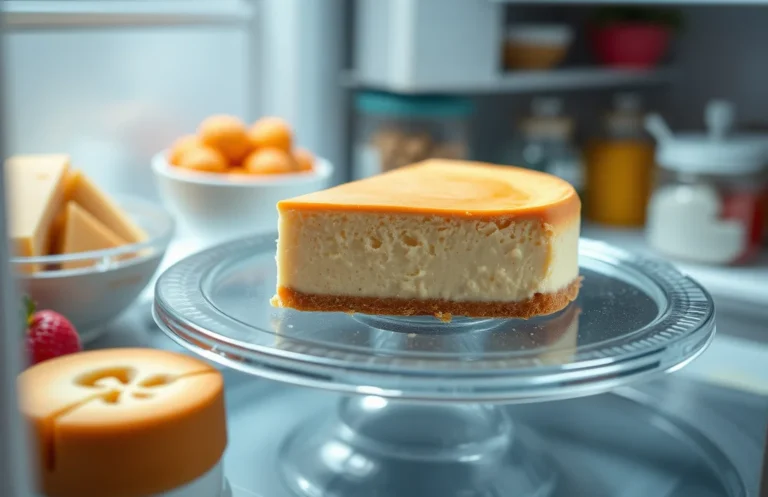
- Cool the Cheesecake: After baking your ricotta cheesecake at 325°F (160°C) for 50-60 minutes, remove it from the oven and allow it to cool in the pan for at least 1 hour. The edges should be set, but the center may still have a slight jiggle, which is perfectly fine. Once cooled, transfer the cheesecake to the refrigerator for an additional 4 hours or overnight to chill completely.
- Wrap the Cheesecake: Once the cheesecake is thoroughly chilled, remove it from the springform pan. Use a sharp knife to carefully loosen the sides, then gently lift it out. Wrap the cheesecake tightly in plastic wrap, ensuring there are no gaps to prevent freezer burn. For added protection, wrap it in aluminum foil or place it in an airtight container.
- Storage Duration: Properly wrapped, ricotta cheesecake can be frozen for up to 2-3 months without significant loss of quality. Label the package with the date and contents to keep track of how long it has been stored. When you’re ready to enjoy it, you can simply thaw it in the refrigerator overnight for best results.
Thawing Tips for Best Quality
Thawing your ricotta cheesecake properly is crucial for maintaining its creamy texture and rich flavor. Whether you have time to let it thaw slowly in the refrigerator or need a quicker method, following these steps will help you enjoy your cheesecake just as deliciously as when it was freshly made.
- Refrigerator Method: To thaw your ricotta cheesecake, take it out of the freezer and move it to the refrigerator. Allow it to thaw slowly for about 8-12 hours or overnight. This gentle thawing process helps retain the cheesecake’s moisture and texture, ensuring a creamy consistency when you’re ready to serve.
- Quick Thaw Method: If you’re short on time, you can thaw the cheesecake at room temperature. Remove it from the freezer and unwrap it, placing it on the countertop. Let it sit for about 1-2 hours, but keep an eye on it to ensure it doesn’t become too warm. The exterior should feel soft, and you’ll want to avoid letting it sit out for too long to prevent any potential spoilage.
- Check for Texture: After thawing, gently run a knife around the edges to check if it has softened evenly. The cheesecake should feel slightly firm but not frozen. If it looks or feels watery, it may have released some moisture during thawing, which can happen if it’s been left out too long.
Preventing Texture Changes
When it comes to freezing ricotta cheesecake, maintaining its creamy texture and delightful flavor is key. Here are some essential tips to help you avoid ice crystals and ensure proper sealing during the freezing process.
- Avoiding Ice Crystals: To minimize ice crystals, wrap your cheesecake tightly in plastic wrap. Use two layers to create a strong barrier against moisture. This prevents the formation of ice crystals that can alter the texture and make the cheesecake grainy. If you have extra time, freeze the cheesecake uncovered for about 1 hour first, then wrap it securely.
- Proper Sealing: After wrapping the cheesecake in plastic wrap, place it in an airtight container or a heavy-duty freezer bag. Squeeze out as much air as possible before sealing. This additional layer of protection helps keep the cheesecake fresh and prevents freezer burn, which can adversely affect flavor and texture.
Chef’s tip: Label your cheesecake with the date and contents before freezing so you can easily identify it later. Aim to consume it within 2-3 months for the best quality.
Common Freezing Issues
Freezing ricotta cheesecake can lead to a couple of common issues, primarily cracking and freezer burn. Understanding these potential problems and their solutions can help you enjoy a delicious dessert even after it’s been frozen.
Cracking
Symptom: After thawing, your cheesecake may have developed unsightly cracks on the surface.
Cause: This often occurs when the cheesecake bakes too quickly or is frozen too soon after baking, causing the top to dry out and crack.
Fix: To prevent cracking, ensure you bake your cheesecake at a low temperature, around 325°F (160°C). Additionally, allow the cheesecake to cool at room temperature for at least an hour before transferring it to the freezer. If it cracks despite precautions, you can cover the cracks with a light dusting of powdered sugar after thawing, which can camouflage imperfections.
Freezer Burn
Symptom: Your cheesecake might develop dry, discolored patches after being in the freezer.
Cause: Freezer burn occurs when air comes into contact with the surface of the cheesecake, leading to moisture loss.
Fix: To minimize the risk of freezer burn, wrap your cheesecake tightly in plastic wrap, then place it in an airtight container or freezer bag. Make sure to remove as much air as possible before sealing. When ready to eat, thaw the cheesecake in the refrigerator overnight to maintain its moisture and texture.
Serving Suggestions and Pairings
Once you’ve successfully frozen and thawed your ricotta cheesecake, serving it with delightful accompaniments can elevate the experience. Here are some garnishes and beverage pairings that will complement the creamy texture and subtle sweetness of the cheesecake.
Garnishes
- Fresh Berries: Top your cheesecake with a medley of fresh berries such as strawberries, blueberries, and raspberries. Use about 1 cup of mixed berries, which will add a vibrant color and tartness that balances the richness of the cheesecake.
- Chocolate Drizzle: Melt ½ cup of semi-sweet chocolate chips with 1 tablespoon of coconut oil over low heat. Drizzle this over the cheesecake for an indulgent touch that enhances the flavor without overpowering it.
- Whipped Cream: Serve with a dollop of freshly whipped cream. Whip 1 cup of heavy cream until soft peaks form, then fold in 1 tablespoon of powdered sugar and a splash of vanilla extract for sweetness.
Beverage Pairings
- Coffee: A cup of freshly brewed coffee pairs wonderfully with ricotta cheesecake. The bitter notes of the coffee enhance the sweetness of the dessert, making it a delightful combination.
- Sweet Dessert Wine: Consider serving a sweet dessert wine like a Moscato or Sauternes. The fruity and floral notes in these wines complement the creamy texture and flavors of the cheesecake beautifully.
- Herbal Tea: For a non-caffeinated option, a cup of chamomile or mint tea can provide a soothing contrast to the richness of the cheesecake while cleansing the palate.
Quick Summary
| Prep Time | 15 minutes |
|---|---|
| Cook Time | 1 hour |
| Total Time | 1 hour 15 minutes |
| Servings | 8 slices |
- Cool completely: Let the cheesecake cool at room temperature before freezing.
- Wrap properly: Use plastic wrap and aluminum foil to prevent freezer burn.
- Freeze in portions: Cut into slices before freezing for easy thawing.
- Thaw in fridge: Move to the fridge overnight for best texture when ready to serve.
- Use fresh ricotta: Fresh ricotta enhances flavor and texture, crucial for freezing.
Frequently Asked Questions
Can I make this ahead of time? How to store and reheat?
Yes, you can make ricotta cheesecake a day in advance. Store it in an airtight container in the refrigerator, and reheat individual slices in the microwave for about 15-20 seconds.
What can I substitute for ricotta cheese?
You can substitute ricotta cheese with cottage cheese for a similar texture, but blend it until smooth first. Alternatively, use mascarpone cheese for a richer flavor.
How do I know when it’s done?
Your ricotta cheesecake is done when the edges are set, and the center has a slight jiggle, which will firm up as it cools. You can also insert a toothpick in the center; it should come out mostly clean with just a few moist crumbs.
Can I freeze this? How long does it last?
Yes, you can freeze ricotta cheesecake for up to 3 months. Just wrap it tightly in plastic wrap and then in aluminum foil to prevent freezer burn.
What if I don’t have a springform pan?
If you don’t have a springform pan, you can use a regular cake pan; just line it with parchment paper for easy removal. Be sure to let the cheesecake cool completely before attempting to take it out of the pan.

- Decadent Peanut Butter No-Bake Cheesecake: Easy Recipe to Indulge - April 3, 2026
- Delicious Mango No-Bake Cheesecake: Step-by-Step Recipe - April 3, 2026
- Decadent Raspberry No-Bake Cheesecake: Easy Step-by-Step Recipe - April 3, 2026